
The first time I stood next to a Highland cow and I honestly forgot what I was supposed to be doing. I just stared. That long shaggy coat those huge curved horns and this calm friendly look in its eyes. Like it had already decided I was not worth worrying about.
Highland cattle, or Bò Ghàidhealach as they’re called back in their Scottish homeland, are not some new trendy breed you are seeing pop up online for the first time. This is an ancient Celtic breed, one of the oldest registered cattle breeds and oldest British breeds still around today, with roots going all the way back to the rugged Scottish Highlands and the Western Islands of Scotland, including the Outer Hebrides. Farmers out there needed cattle tough enough to survive harsh grazing environments, and honestly, that’s exactly what they got.
People call them a lot of things depending on where you are from. Highland coo, Heilan coo, Hieland Kye, Scottish Highland Cattle, whatever name sticks in your area. It is still the same hardy, rustic breed underneath. And these days their homeland isn’t the only place you will find them either. This has become a real global breed, showing up in far flung parts of the world way beyond western Scotland.
What gets me every time is the difference. These animals look wild and a bit scary with those big horns, but they’re actually calm and easy to handle. That’s why so many people love having them around. Homesteaders love them. Hobby farmers love them too. Even conservation grazing projects and agritourism farms use them, since they’re genuinely useful for brush management and improving rough pasture most other cattle wouldn’t touch.
Whether someone’s raising them for lean, flavorful grass-fed beef, or just keeping a small herd because Highlands bring real personality to a farm, there’s a lot going on with this breed beyond the pretty face. History, size, temperament, feeding, breeding, longevity, this article’s going to walk through all of it.
| Topic | Key Information |
|---|---|
| Purpose | Hardy beef cattle, grazing, breeding, small farm use, land management, conservation, beef production |
| Official Name | Highland Cattle, Highland breed, Scottish Highland cattle, Bò Ghàidhealach, Hieland Kye, Highland coos |
| Intelligence | Intelligent cattle, adaptation skills, survival ability, rough pasture management, changing weather adaptation |
| Shedding | Seasonal shedding, winter coat, summer coat, thick hair, adaptation to southern climates and warmer regions |
| Common Size Types | Standard Highland, Mini Highland, Micro Highland |
| Best Known For | Long shaggy hair, wide horns, hardiness, efficient grazing, Scottish heritage, unique appearance |
| Cold Tolerance | Cold tolerance, comparison with Arctic caribou and reindeer, less heat tolerance than zebu cattle, adaptation to Norway and Canada |
| Global Distribution | Scotland, Europe, Australia, North America, South America, Argentina, Canada, United States, Finland, France, international breed |
| Royal Connection | Queen Elizabeth II, 1954, Highland cattle herd, royal herd |
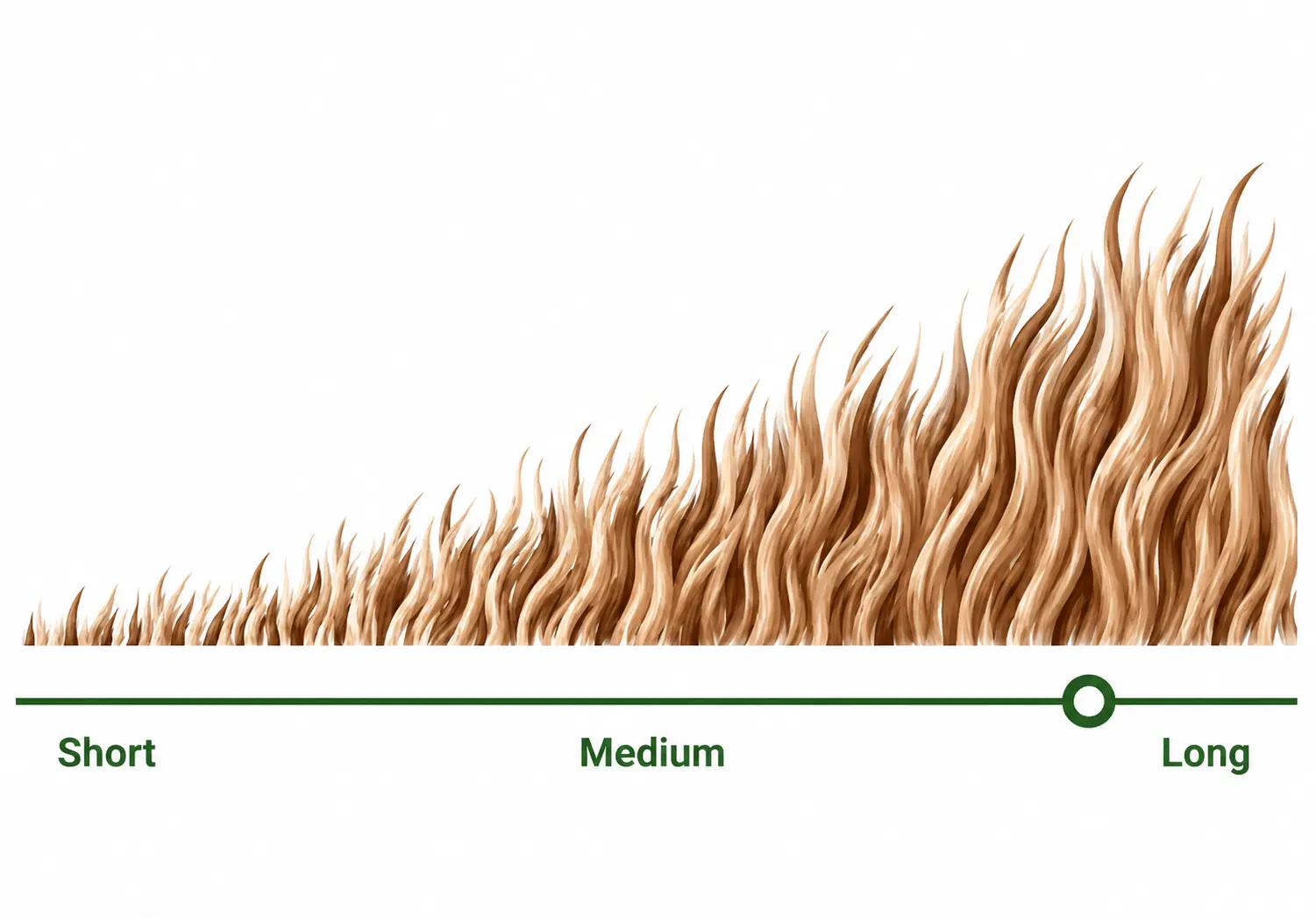
I found out this breed goes back to the 6th century once, and my jaw actually dropped a little. That’s not some made up marketing number either. Highland cattle have been roaming the Scottish Highlands and the Western Islands, places like the Outer Hebrides, since way before most modern breeds even existed.
Life out there was never easy. Rocky landscapes, cold winters, rough forage, poor grazing land that barely gave these animals enough to eat. But farmers needed cattle that could survive it anyway, since this breed became a real part of the Scottish economy over time. By the eighteenth century, drovers were walking these cattle all the way from places like Falkirk and Crieff down to English markets, crossing into England and the Pennines just to reach buyers willing to pay for them.
One record from 1723 stuck with me.Around 30000 Scottish cattle made that long walk for slaughter that year alone. Just think about herding that many animals across rough land with no trucks and no trailers. Just farmers and drovers doing it the hard way, one step at a time.
Things got a bit more official later on. A breed society formed in 1884, and the Highland Cattle Society put together the first herd book in 1885, keeping pedigree records for registered cattle going forward. Before that there were actually two versions of this animal, the Kyloe from the islands and a separate mainland type, sometimes black cattle, sometimes dun, brown, or red. Farmers on the Hebrides would move them across narrow straits called kyles, which honestly sounds like a rough job.
From there this traditional cattle breed just kept spreading. Exported countries eventually included North America, South America, Australia, Canada, Argentina, the Falkland Islands, and the United States. Even the former Soviet Union got in on it, along with plenty of Europe, Finland, France, Norway, Sweden, Denmark, Lithuania, Italy. Some even ended up high in the Andes, almost 10000 feet up. That still surprises me every time I think about it. Today there are around 40000 of these cattle spread across the world, in places their ancestors probably never dreamed of reaching.
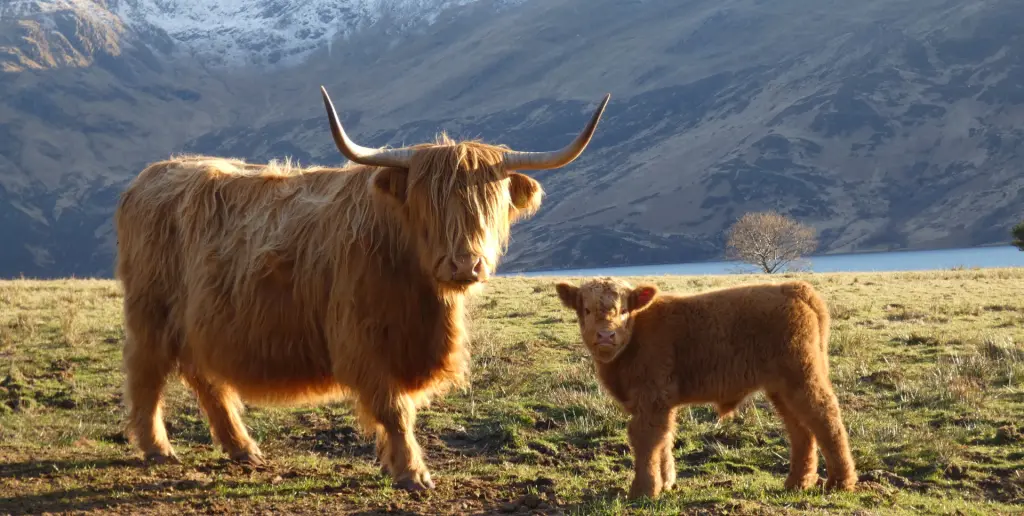
A Highland cow is really just the female of this heritage breed, though most people use the name for the whole bunch without thinking twice about it. I didn’t even know that until someone corrected me at a farm one time, kind of embarrassing honestly.
What always gets me is that coat.It’s not just for looks. This breed has a thick double layered coat, with long coarse hair on the outside and a soft warm layer hiding underneath it. That combo works kind of like a built-in raincoat and blanket at the same time. It keeps out wind, rain, and cold weather, and the cow doesn’t even need much extra body fat to survive because of it.
You can tell this animal comes from a rough environment just by looking at it. Growing up in the Scottish Highlands and the western islands will do that to a breed. No easy grazing, no mild winters. Just survival traits passed down from one generation to the next, until adapting to hard weather basically became part of who they are.
Add those big horns into the mix, and you get an animal that looks tough because it really is tough. These cows are also great at grazing. They can handle land that would be way too hard for other cattle.
Scottish origin explains a lot about why this female cattle breed turned out the way it did. Rough place, rough breed, and somehow still one of the most likable animals on any farm.
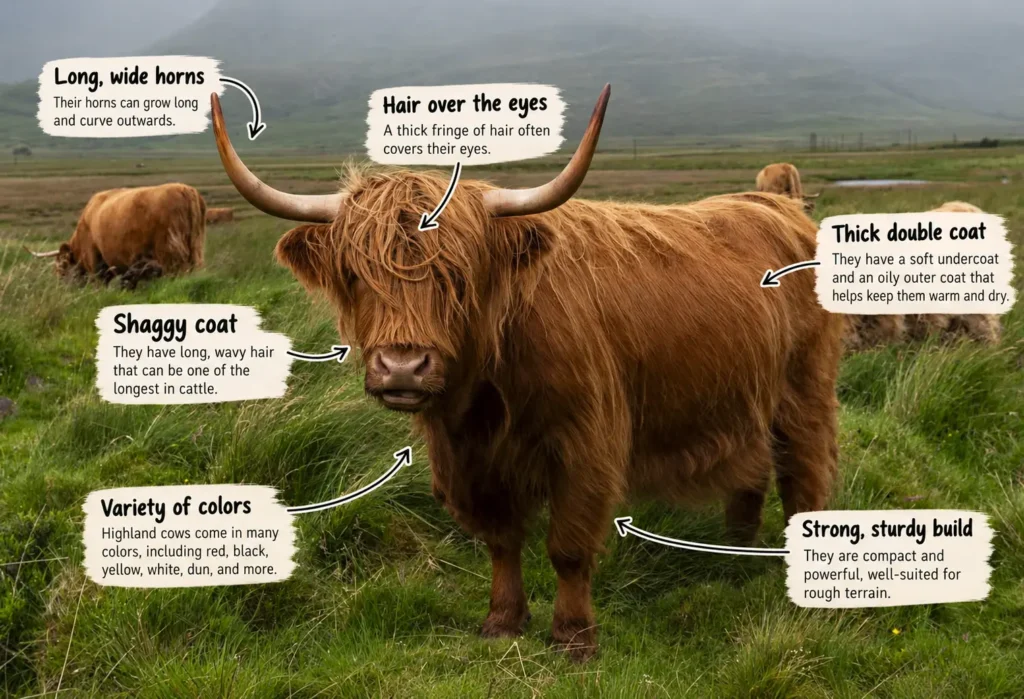
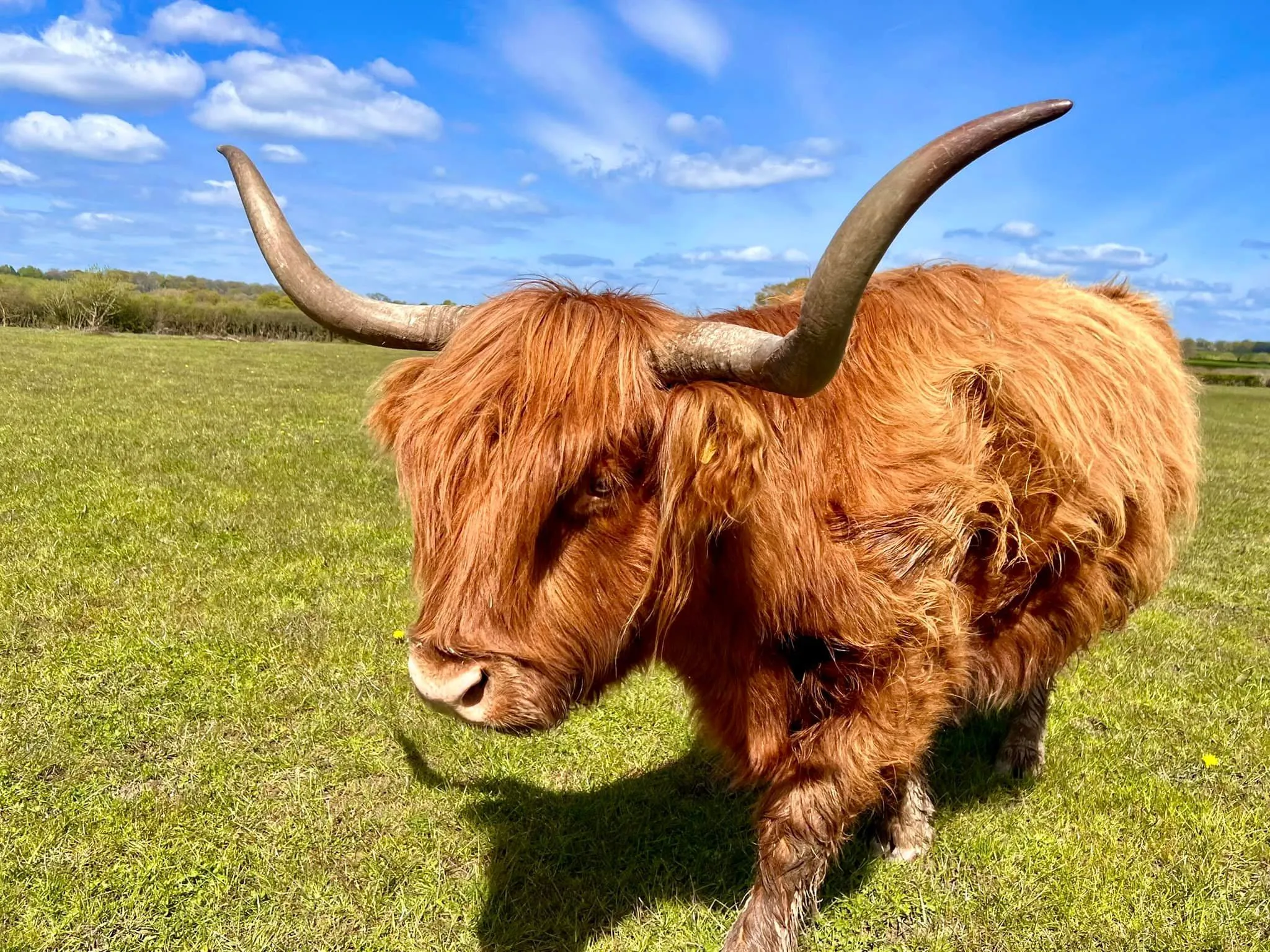
You can spot a Highland cow from a mile away, honestly. Nothing else on a farm looks quite like it. Long curved horns, shaggy hair everywhere, and this whole broad muscular frame underneath all that fluff that people usually miss at first glance.
The hair is really what steals the show though. Highland cattle have this long flowing coat, wavy and woolly, with a heavy forelock hanging right over the eyes. Farmers actually have a name for that, they call it the dossan. It looks a little goofy if I’m being honest, like the cow forgot to get a haircut, but that hair covering the eyes actually protects them from flies and rough brush.
Color is where things get interesting too. Most people picture a reddish brown coat when they think of a red Highland cow, but that’s really just one option out of many. You’ll also see black coat, yellow coat, white, silver, dun, even brindle patterns depending on genetic colors passed down through breeding. No two herds look exactly the same.
And that thick double coat isn’t random either. An oily outer coat handles rainy conditions and windy conditions just fine, while a soft downy undercoat underneath gives extra natural insulation. Basically built for weather that would make most animals miserable. Cold tolerance just comes naturally to this breed, and honestly, it shows the moment you see one standing calm in the middle of a storm like it’s nothing.
People always ask me how big a Highland cow actually gets. Honestly it depends a lot on which one you’re looking at. Highland cattle count as a medium sized cattle breed among livestock animals but there’s a real range within that.
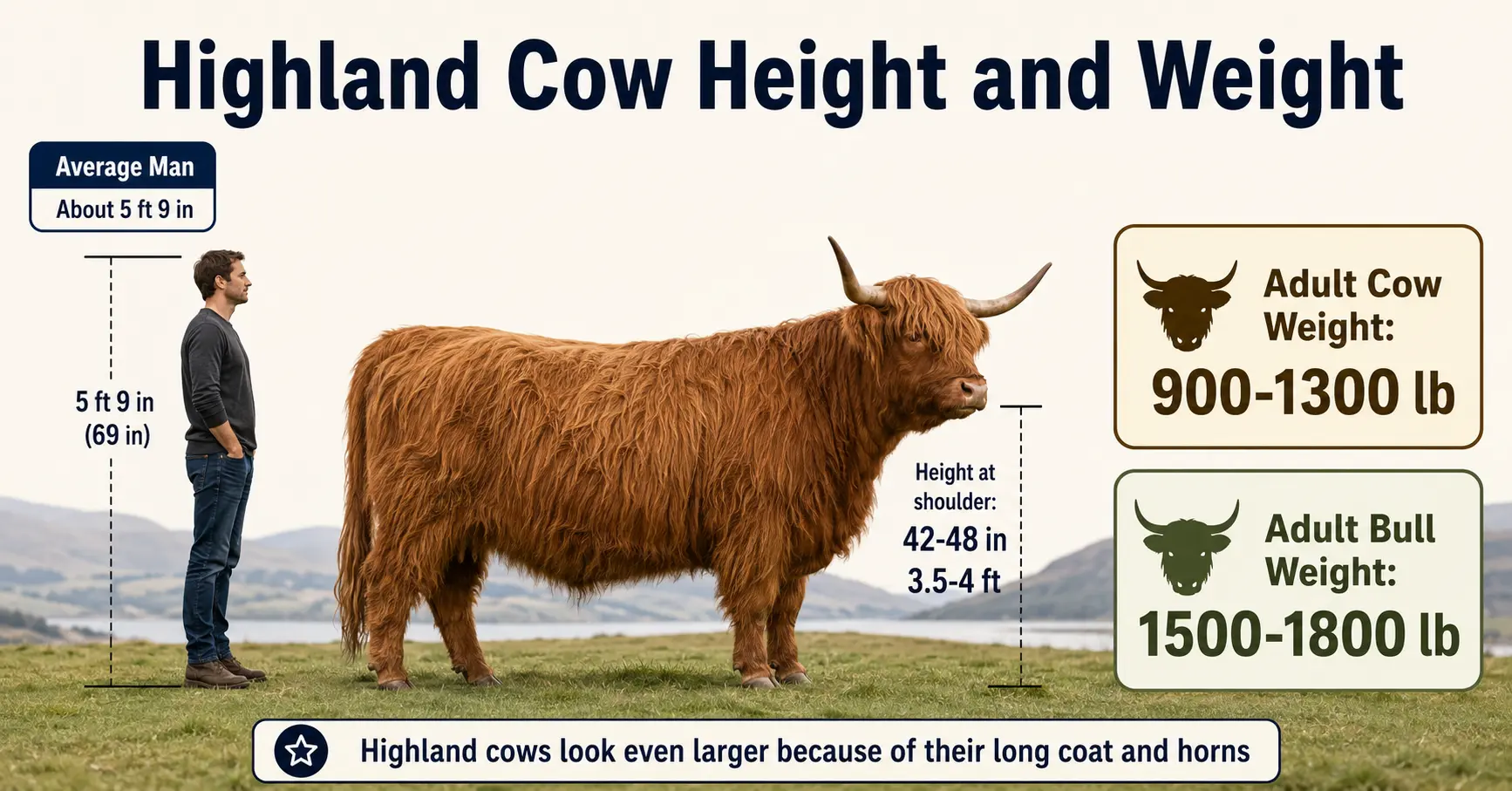
A mature Highland cow usually sits somewhere between 900 to 1300 pounds. Bulls run heavier. A Highland bull can reach 1300 to 1800 pounds. Some even push up toward 1500 to 2000 pounds depending on genetics and nutrition. Heifers stay lighter until they grow into full sized cows over time.
Height follows a similar pattern. Standard Highland cattle usually stand around 42 to 48 inches at the shoulder which is about 107 to 122 cm. Bulls tend to stand a bit taller. Often closer to 44 to 52 inches or about 112 to 132 cm at the shoulder. That muscular build makes them look even bigger than the numbers suggest honestly.
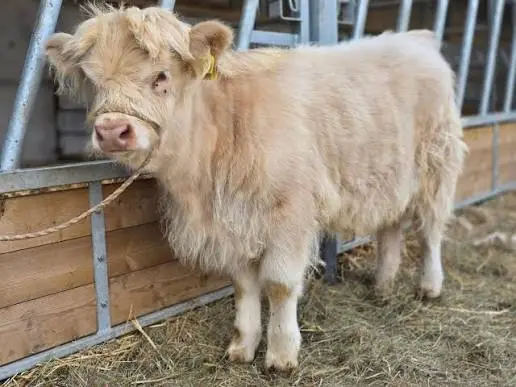
Then there is the smaller side of things. Mini Highland cattle and micro Highland cattle have become popular through selective breeding and sometimes crossbreeding. These smaller Highland cattle usually measure somewhere around 90 to 106 cm or 106 to 120 cm depending on how a breeder classifies them.
Breeder terms can get confusing fast since there isn’t always one official breed classification everyone agrees on. Mature size really comes down to genetics, nutrition and honestly breeder reputation too. Some breeders are stricter about keeping true miniature cattle lines while others blend things a bit more loosely.
One of the most attractive things about Highland cattle is their beautiful coat color variety. Highland cattle colors include red, reddish brown, black, yellow, dun, brindle, silver, white, pale silver, tan, ginger, and grey shades.
The traditional Highland appearance usually shows a rich red coat, which remains one of the most recognized colors. Around 60% of Highland cattle may show red shades, while darker colors such as black are also common in many herds.
Their color spectrum gives each animal a unique look. Some have solid shades, while others show lighter or mixed patterns that make them stand out in open fields.
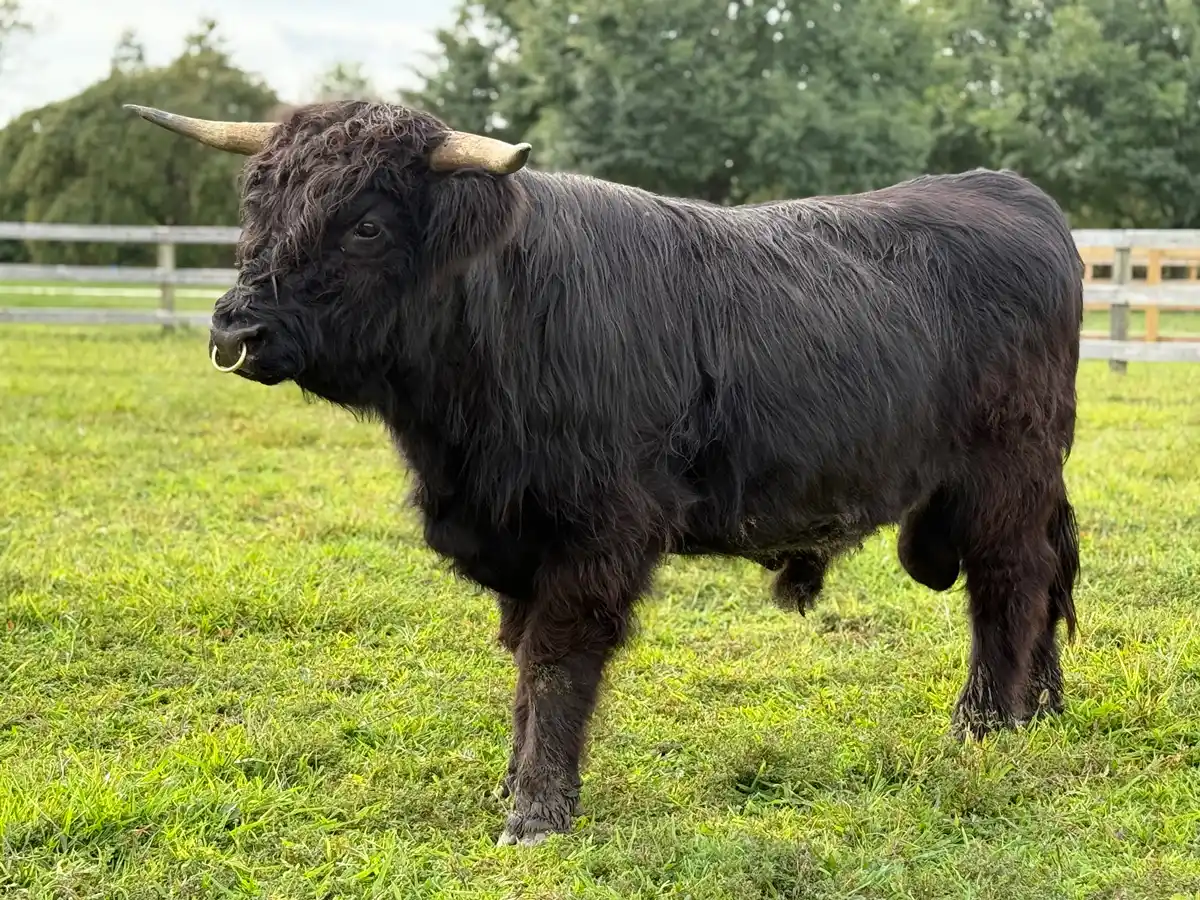
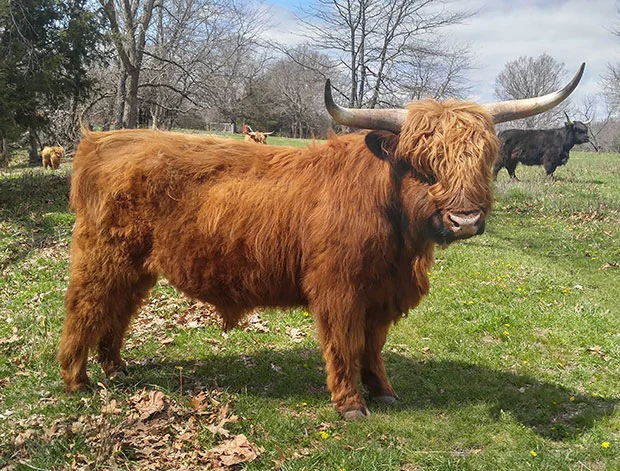
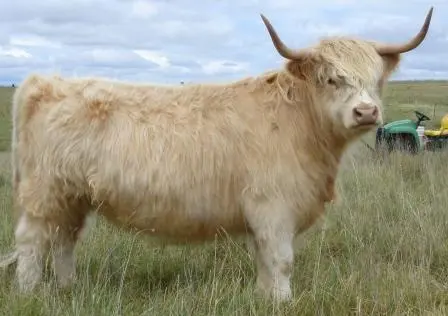
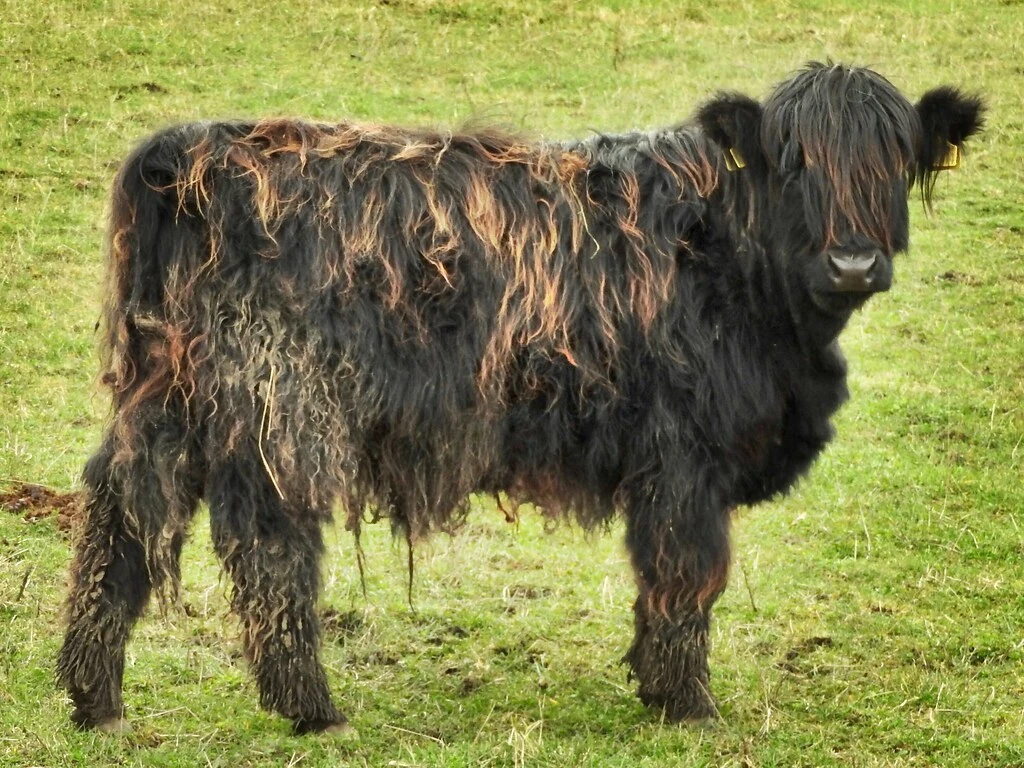
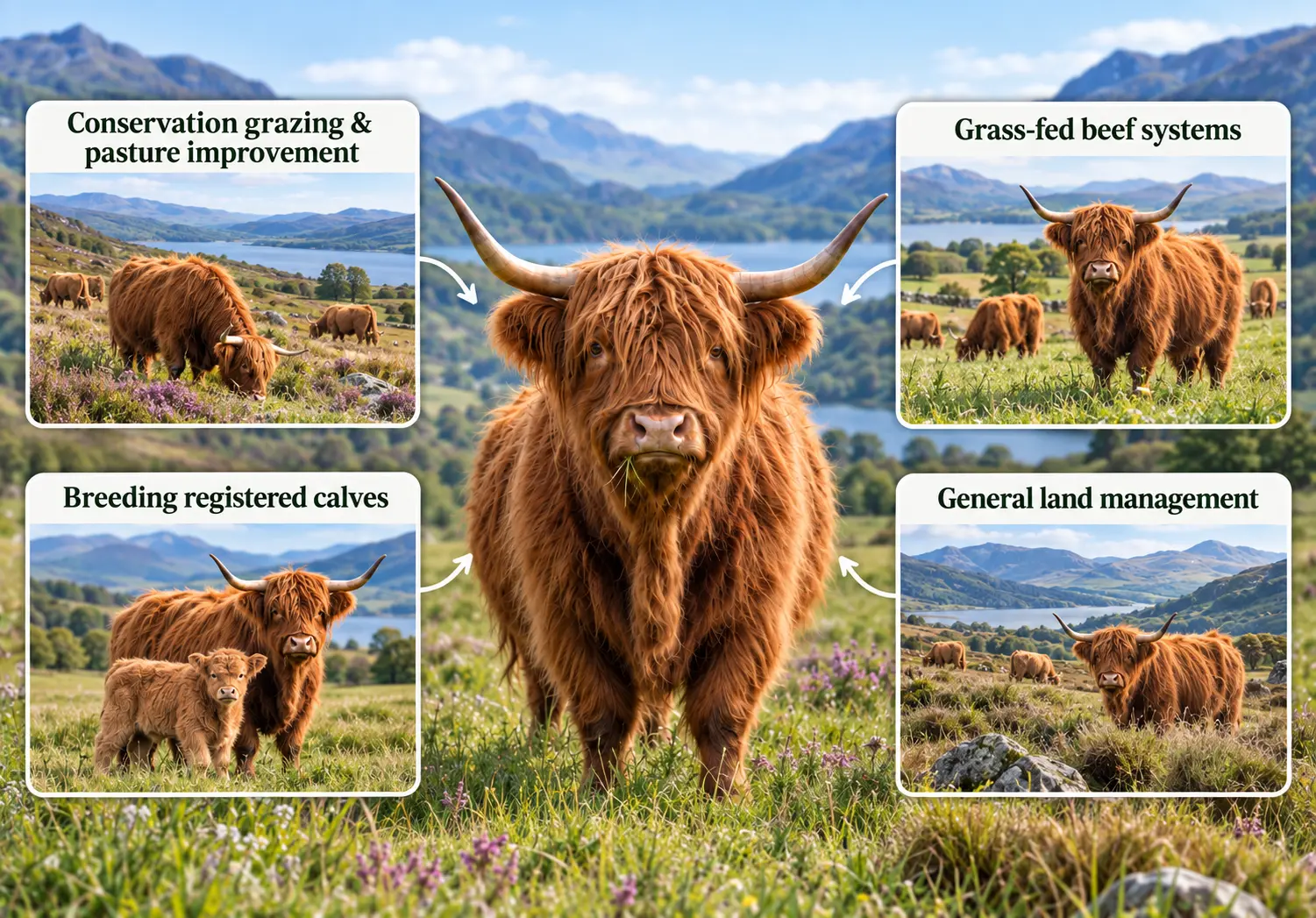
This breed pulls a lot of weight on a farm. Most people raise them for beef, breeding stock, or general land management.
Since they handle rough pasture so well, farmers often use them for:
Their look also draws attention on its own. A lot of small farms keep a few just because visitors love seeing them for photos or during educational farm visits.
A Highland cow has a calm and easy going nature. People call them gentle animals, and they build trust fast once you spend some time around them. Quiet handling goes a long way here. Treat them well and they get comfortable around people pretty quickly.
These cows are also tough and don’t need much babying compared to other breeds. They handle rough weather and different pasture conditions without much fuss, mostly because they’ve adapted to hard environments over time.
Still, good management matters. Solid fencing, safe space, and organized herd care all help keep things running smooth. That calm nature is part of why this breed works so well for beginner owners, small farms, and hobby breeders just starting out.
These cattle stick around a long time. A healthy Highland cow usually lives 15 to 20 years, sometimes even longer with good care.
That long life makes them a solid investment too. Cows can keep breeding well into their late teens, and some produce around 15 calves over their lifetime.
Good health really comes down to the basics:
The coat is what everyone notices first. Long wavy hair, thick and woolly, with a double layer built for cold weather.
The outer layer is a bit oily and blocks rain, while the soft layer underneath keeps them warm. That combo is basically what lets them survive harsh winters without much trouble.
Then there are the horns. Long, wide, sometimes curling into a handlebar shape. They’re not just for looks either, they help with protection and are a big part of what makes this breed so recognizable.
Even the hair does double duty, protecting the body from flies, brush, and shielding the eyes a little too.
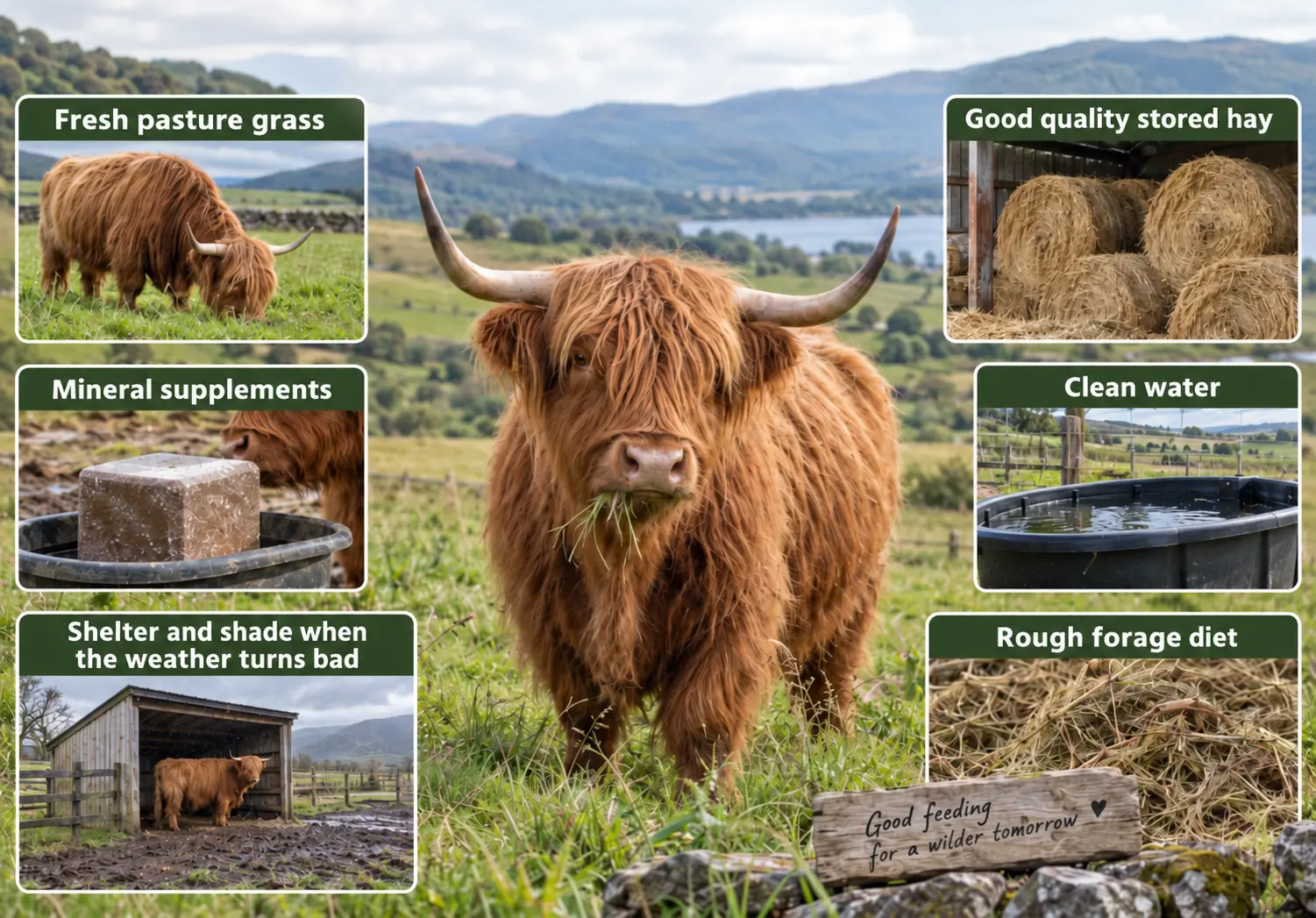
These cattle are strong grazers and mostly eat grass, hay, and other rough forage. Their stomachs are built to break down fibrous plants a lot of other animals can’t handle well.
A solid care routine usually includes:
Owners should stay away from moldy hay, spoiled grain, toxic plants, and random garden waste, since all of that can mess with digestion.
Highland cattle live together in a group people call a fold. Inside that group there’s a natural order, based mostly on age and experience.
Older cattle usually lead, while younger calves learn just by watching the adults around them. You’ll see friendly behavior too, like licking, gentle playfighting, and calm interaction between herd members.
Breeding follows a fairly normal pattern. Heifers usually reach breeding age around 18 to 24 months, and pregnancy lasts about 277 to 290 days. Most of the time it’s a single calf, though twins happen once in a while.
Mothering instincts run strong in this breed, which helps a lot when it comes to raising healthy calves without much extra help.
Highland cattle live together in a group people call a fold. Inside that group there’s a natural order, based mostly on age and experience.
Older cattle usually lead, while younger calves learn just by watching the adults around them. You’ll see friendly behavior too, like licking, gentle playfighting, and calm interaction between herd members.
Breeding follows a fairly normal pattern. Heifers usually reach breeding age around 18 to 24 months, and pregnancy lasts about 277 to 290 days. Most of the time it’s a single calf, though twins happen once in a while.
Mothering instincts run strong in this breed, which helps a lot when it comes to raising healthy calves without much extra help.
The Highland cow combines beauty with useful farm traits. It can handle rough grazing cold weather and pasture based systems better than many people expect. Its strong mothering ability, long working life and high quality beef also make it valuable for serious farmers.
However the fluffy coat should not hide the reality of ownership. A Highland is a large horned animal that needs land companionship, fencing feed and skilled care.
Buy from a responsible breeder. Study the pedigree and health records. Visit the farm and watch how the animal behaves before making a decision. Good planning protects the owner and gives the cattle a healthy natural life.