
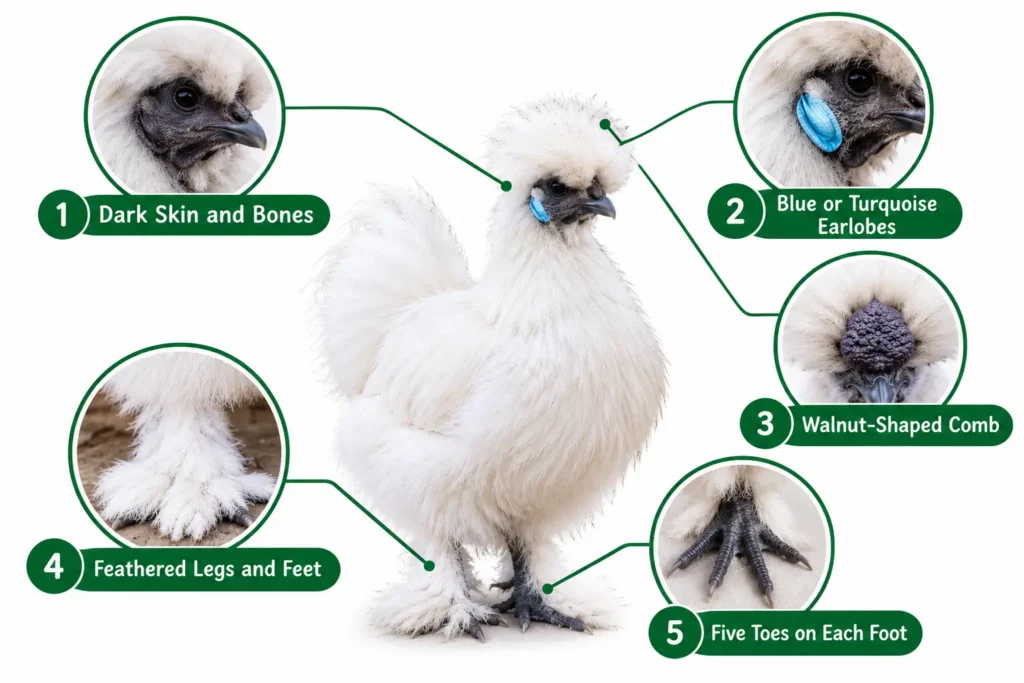
Silkie chickens are small and fluffy birds with soft feathers and a calm nature. They have dark skin and a unique look that makes them easy to recognize. Their feathers feel more like hair than normal chicken feathers. They also have five toes on each foot and blue earlobes. These special features make Silkie chickens popular with backyard poultry keepers.
Silkie chickens can be a good choice for people who want friendly birds in their backyard. They are also a good choice for people who enjoy raising chickens and watching hens hatch and care for their chicks. However they are not the best fit for every flock. Their fluffy feathers can get wet in heavy rain and muddy areas. Their small size can also make them easy targets for larger chickens. They lay fewer eggs than breeds raised mainly for egg production.
This guide covers Silkie chicken history and appearance along with their colors and size. It also explains their behavior and uses. You will learn about egg production and feeding along with breeding and health care. The guide also covers ownership costs and daily care so you can decide if Silkie chickens are right for your backyard and family.
|
Feature |
Quick facts |
|
Origin |
Asia, commonly linked to China |
|
Main purpose |
Ornamental keeping, shows, and backyard flocks |
|
Feathers |
Soft and fluffy with a hair-like look |
|
Common colors |
White, black, blue, buff, gray, and partridge |
|
Skin |
Dark blue-black |
|
Toes |
Five on each foot |
|
Egg color |
Cream or lightly tinted |
|
Egg production |
Around 100 to 120 small eggs per year is a common estimate |
|
Temperament |
Often calm, but individual birds differ |
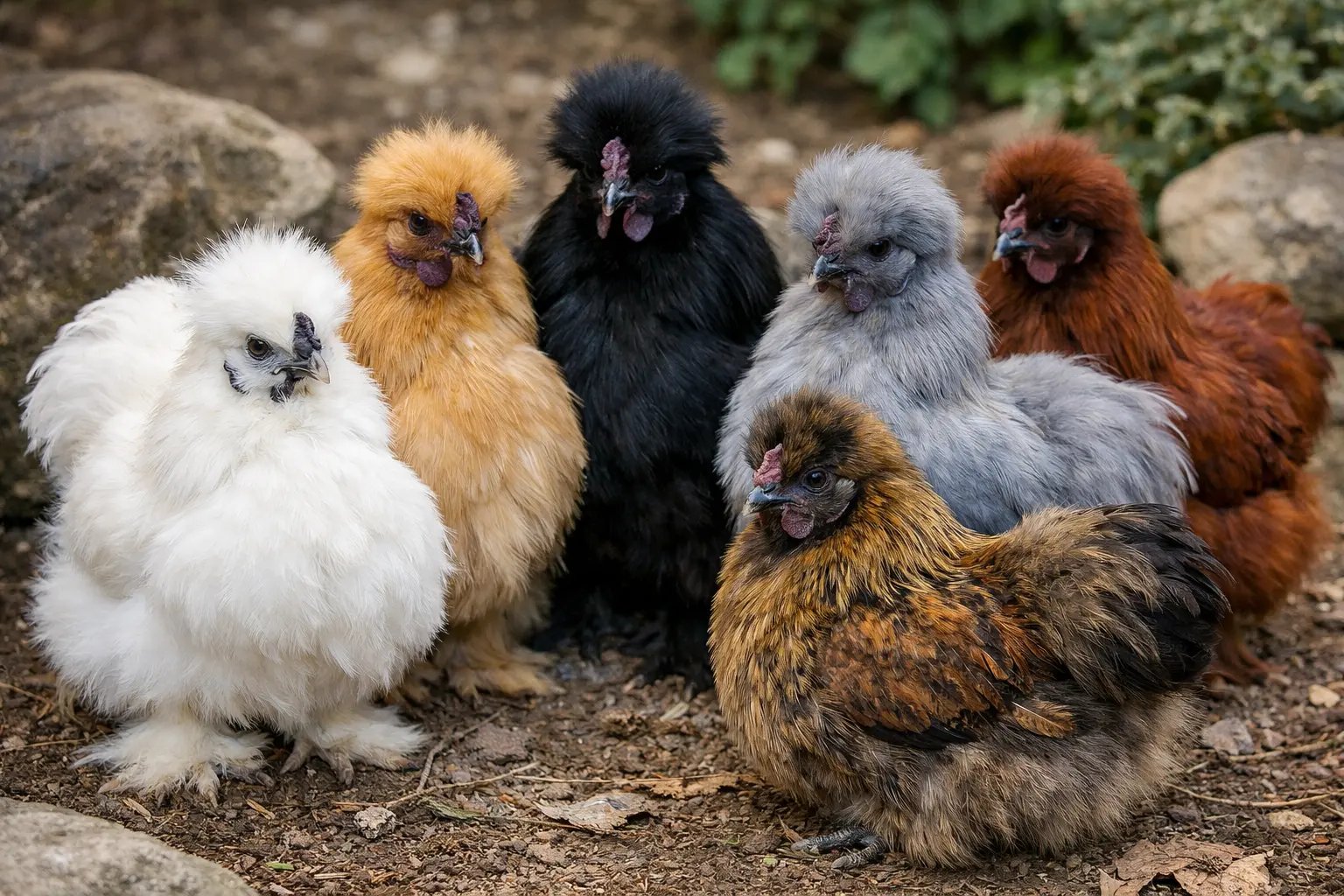
A Silkie chicken is a small breed known for its fluffy feathers and unusual looks. It is called an ornamental chicken because people mainly keep it for its beauty and as a pet. Many people also show Silkies at poultry shows. They can still lay eggs and are good at raising chicks.
Silkie chickens come from Asia but their exact place of origin is not fully known. China is often named as their main home. However some old records also link them to other parts of Asia. In the 13th century Marco Polo wrote about a furry-looking chicken during his travels in China. Silkies later spread to Europe and other parts of the world. People liked them because of their unusual feathers and dark skin.
The name “Silkie” comes from the soft feel of its feathers. Most chickens have feathers that fit together in a smooth shape. Silkie feathers do not fit together in the same way. This gives them their soft and fluffy look. You can learn more about the breed’s past in a separate Silkie chicken history and origin guide.
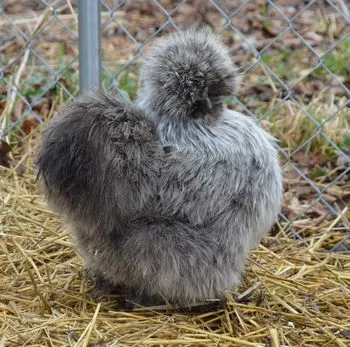
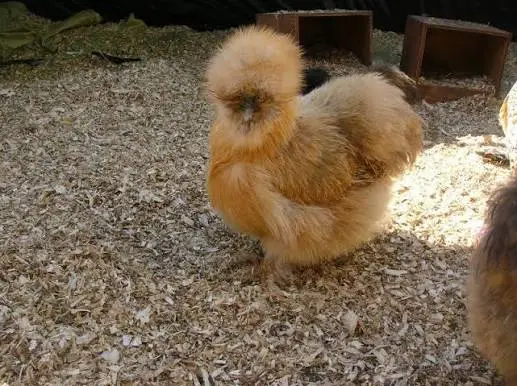
The first thing people notice about Silkie chickens is their fluffy feathers. Their feathers cover most of the body and often form a round crest on the head. Some Silkies also have extra feathers around their face called a beard. Their feathers are different from those of most chickens. This makes them poor fliers and they usually cannot fly over fences easily.
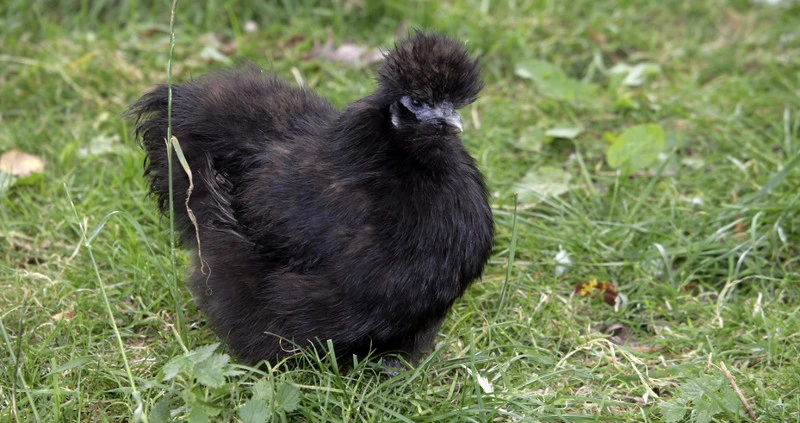
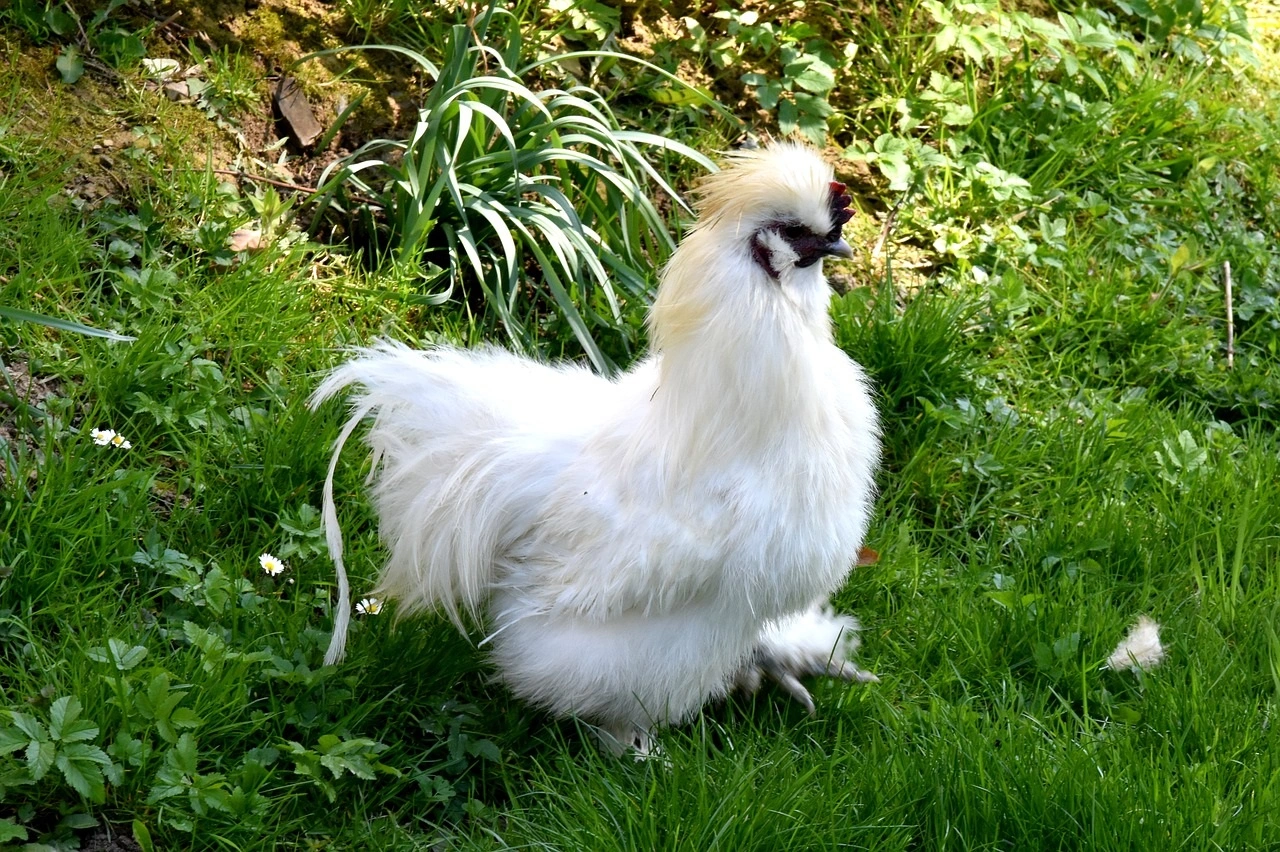
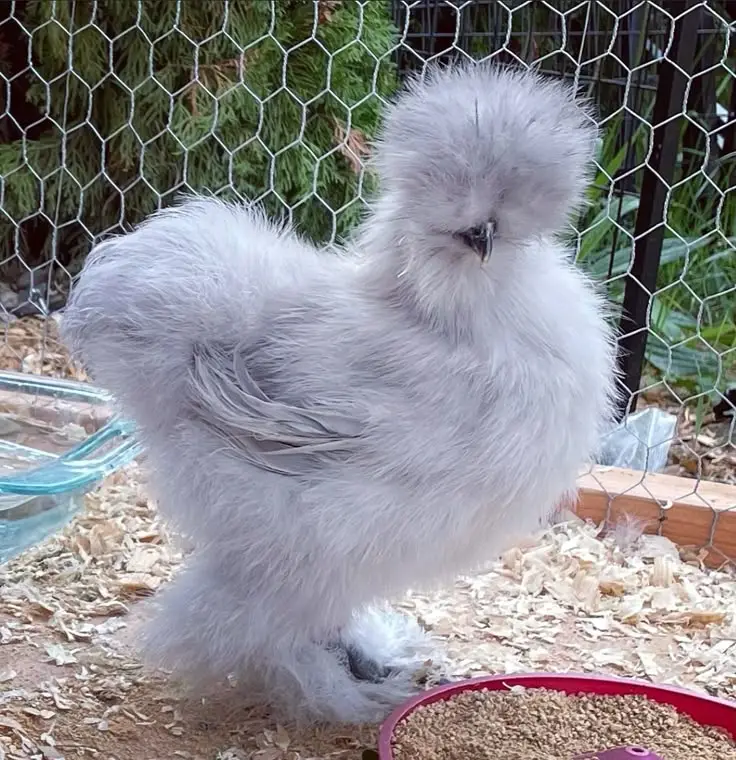
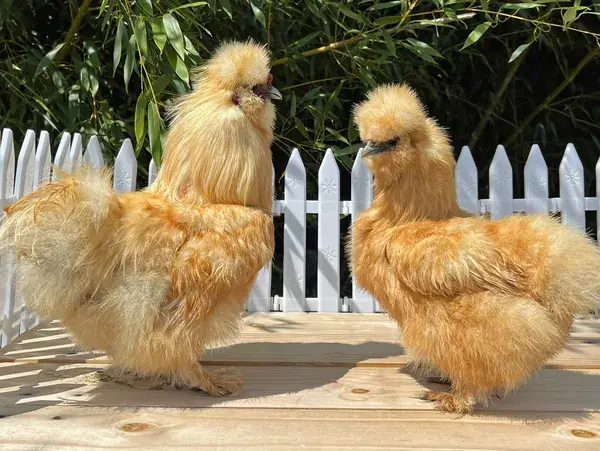
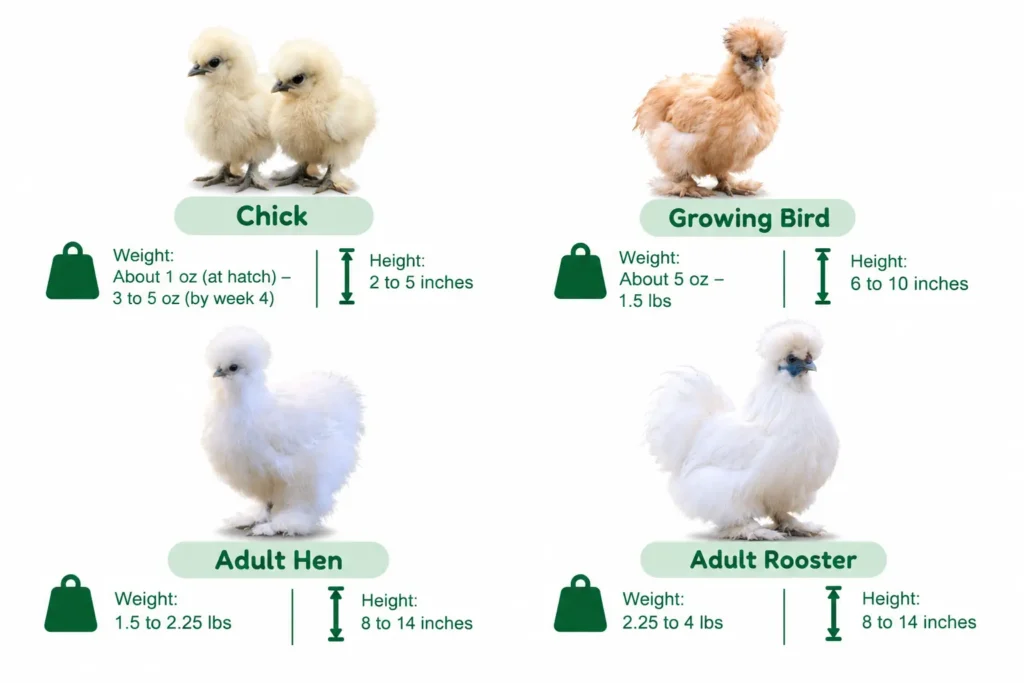
Silkie chickens are often calm and easy to handle. This makes them a good choice for people who are new to raising chickens. They can get used to people when handled gently and often. However every bird has its own personality. Its behavior also depends on how it was raised and how people treat it. Children should always have an adult nearby when handling chickens. Never squeeze a Silkie’s body or wings.
Silkies may be quieter than some other chicken breeds but they still make normal chicken sounds. Roosters crow and hens may make noise when they want to lay eggs or find food. They may also react to new things around them. Their fluffy crest can partly block their vision. Watch for birds that seem scared or have trouble finding food and other chickens.
People keep Silkie chickens for different reasons:
Silkies can live with other chickens but their small size and poor vision can make things harder for them around bigger birds. Watch them closely when introducing them to a flock. Provide separate food and water if other chickens stop them from eating or drinking. A safe run with a roof or cover can also help protect Silkies because they cannot fly away from danger as well as many other chickens.
Silkie hens lay small eggs that are cream or light in color. They are not the best choice if you want lots of eggs for your family. A Silkie hen usually lays around 100 to 120 eggs per year. Some hens lay more or fewer eggs depending on their age and health. Their diet and living conditions also affect egg production.
Most Silkie hens start laying eggs at around 7 to 9 months old. Some take longer to begin laying. Egg production may slow down during molting or seasonal changes. Stress and poor food can also reduce the number of eggs. Hens may lay fewer eggs during winter because the days are shorter.
One reason Silkie hens may lay fewer eggs is broodiness. A broody hen wants to sit on eggs and hatch chicks. She may spend most of her time in the nest and stop laying new eggs for a while. This is helpful if you want to raise chicks but it can be a problem if you want eggs regularly.
Collect eggs every day and keep the nesting area clean. Feed your hens a balanced layer feed and provide fresh water. If a hen stops laying suddenly check her age and diet. Also look for signs of stress or broodiness before assuming she is sick.
Silkie chickens need good feed that suits their age and stage of life. Complete chicken feed gives them the protein and nutrients they need to grow and stay healthy. You can give them treats in small amounts but treats should not replace their main feed.
Follow these basic feeding tips:
Do not give extra calcium to chicks unless a poultry vet tells you to. Laying hens need more calcium than young chicks. The wrong feed can upset a chick’s nutrient balance. If you give your Silkies grains or greens keep the portions small so they still eat enough complete feed.
Chickens also need grit to help grind food in their gizzard. This is especially important when they eat treats or search for food outdoors. Keep feeders clean and dry and remove spoiled food. Make sure shy birds can reach the feeder without being pushed away by other chickens.
Never feed Silkies moldy scraps or foods that are harmful to chickens. If a bird eats less than usual or loses weight it may have a health problem. The same applies if it has trouble drinking water. You can read our Silkie chicken feeding guide for more details about safe treats and foods to avoid.
Silkie hens are known for their strong desire to hatch eggs. A hen that wants to hatch eggs is called a broody hen. She stays in the nest and may puff up or make warning sounds when someone comes near. She may also refuse to leave the nest. This is normal behavior but she still needs food and water along with a safe place to rest.
Eggs must be fertile to hatch into chicks. A rooster needs to mate with the hen for this to happen. Hens can lay eggs without a rooster but those eggs will not hatch into chicks. Chicken eggs usually take about 21 days to hatch under the right conditions.
There are two main ways to hatch Silkie eggs:
Choose clean eggs without cracks for hatching. Use a safe nest where the eggs cannot roll away. After the chicks hatch make sure they have clean water and proper chick feed. If the mother then raises them watch to make sure she accepts and protects them. Not every broody hen will care for chicks well.
Our separate guides about Silkie breeding and egg hatching can explain how to check fertility and set up an incubator. They can also cover common hatching problems.
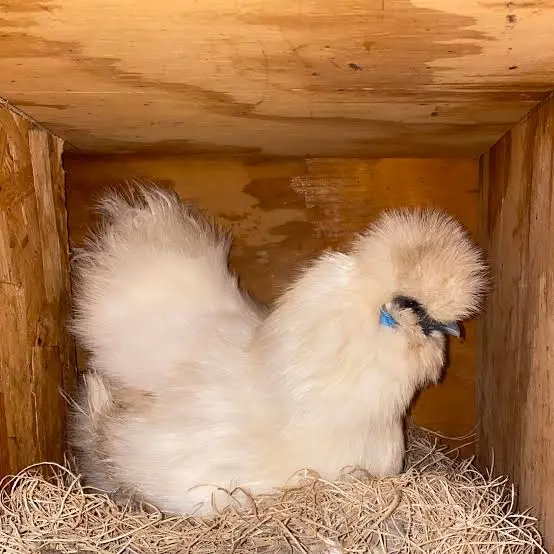
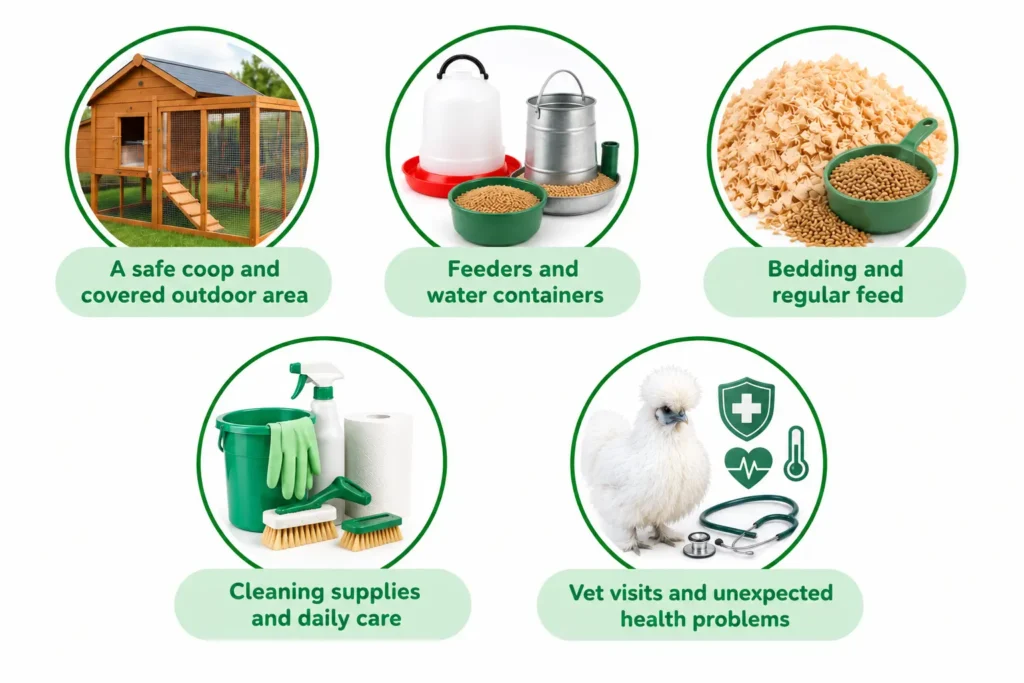
Silkie chickens need the same basic care as other chickens but their fluffy feathers need extra attention. Their feathers do not keep water out as well as normal feathers. This means they can get cold when they become wet. Keep their coop dry and make sure fresh air can move through it without cold air blowing directly on the birds. Their outdoor run should also have a covered area for rainy days.
Their feathered feet can collect mud and dirt. Check their feet often for cuts and swelling. Keep their bedding dry and replace it when it gets dirty. The feathers on their heads can also cover their eyes and make it hard for them to see. If this happens ask a vet or an experienced chicken keeper how to trim the feathers safely.
Here are some common health problems to watch for:
These signs can have different causes. If a Silkie stops eating or becomes very weak you should contact a poultry vet. Get help quickly if it has trouble breathing or swelling around its feet or eyes. A sick chicken may need to be kept away from the flock to help prevent the spread of illness.
Check your Silkies every day. Make sure they have fresh food and water. Look at their feathers and feet and watch how they move. Keep their coop safe from predators because Silkies are small and cannot fly well.
The price of a Silkie chicken depends on where you live and the bird’s age. Its color and quality can also affect the price. Chicks usually cost less than adult birds. Silkies sold for breeding or poultry shows may cost more. Prices vary from seller to seller so it is best to compare a few options before buying.
Before buying a Silkie chicken ask the seller about its age and health. Look for clear eyes and clean nostrils. The bird should walk normally and have clean feathers around its tail. Check its feet for swelling or injuries. You should also ask if it has lived with other chickens. Avoid birds that look very weak or have trouble breathing.
If you buy chicks prepare a safe brooder before bringing them home. They need suitable feed and clean water along with a reliable heat source. Adult Silkies need a ready coop before they arrive. If you already have chickens keep the new birds separate for a suitable period to help prevent the spread of disease.
Yes.
For many families this is where Silkies are at their best.
They are small. They are usually gentle. They look unusual. They can become friendly with people and they are fun to watch.
Kids often love them because they look like little fluffy animals instead of normal chickens. But children still need rules.
Teach children to sit down and let the chicken come close.
Silkies have several traits that make them good family birds:
Their calm personality is one of the biggest reasons people keep them.
A Silkie can become a little backyard friend.
They can be.
But beginners need to understand their special needs.
A new owner who keeps the birds dry and gives them safe housing will already avoid many common problems.
Predator protection is also very important because Silkies are poor flyers. A normal chicken might jump over a low fence to escape danger.
A Silkie may not be able to do that. So good fencing and a secure coop matter a lot.
Silkie chickens are not ordinary chickens.
Their fluffy feathers make them stand out right away. Their dark skin and bones make them even more unusual. Add five toes blue earlobes a fluffy crest and a calm personality and you get a bird that is hard to forget.
They are not the best choice for someone who wants a huge supply of eggs.
They are also not the easiest chicken for wet climates because their feathers can become soaked. They need a dry coop, good airflow, clean bedding and protection from predators.
But if you want a friendly backyard bird then Silkies can be a pretty good choice.
They can become gentle little pets. They can provide some small cream colored eggs. Their hens can be excellent mothers. They are also simply fun to have around.
Don’t buy a Silkie only because it looks cute in a picture.
Think about the care first.
If you can give them a clean dry home, good food fresh water safe space and gentle handling then these fluffy little chickens can bring a lot of fun to your backyard for years.