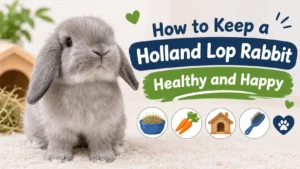
Holland Lop rabbits are small and friendly pets. They have soft fur and floppy ears. Their cute looks make them popular with families and people who own rabbits for the first time. But keeping a Holland Lop healthy takes more than food and a place to sleep. It needs good food and a clean home. It also needs daily exercise and regular grooming.
A simple care routine can help your rabbit feel safe and stay active. Hay should be the main part of its daily diet. Fresh water should always be available. Your rabbit also needs enough space to hop and stretch. Do not keep it in a small cage all day.
Holland Lops have thick fur and floppy ears that need regular checks. Their teeth also keep growing throughout life. Poor food and a lack of exercise can cause health problems. Learning about your rabbit’s needs can help you notice problems early.
This guide explains the basic care needs of a Holland Lop rabbit. You will learn how to feed and groom your pet and how to make a safe home for it. You will also learn how to keep it active and spot signs that it may need help.
Keep Your Holland Lop Rabbit Clean With Regular Grooming
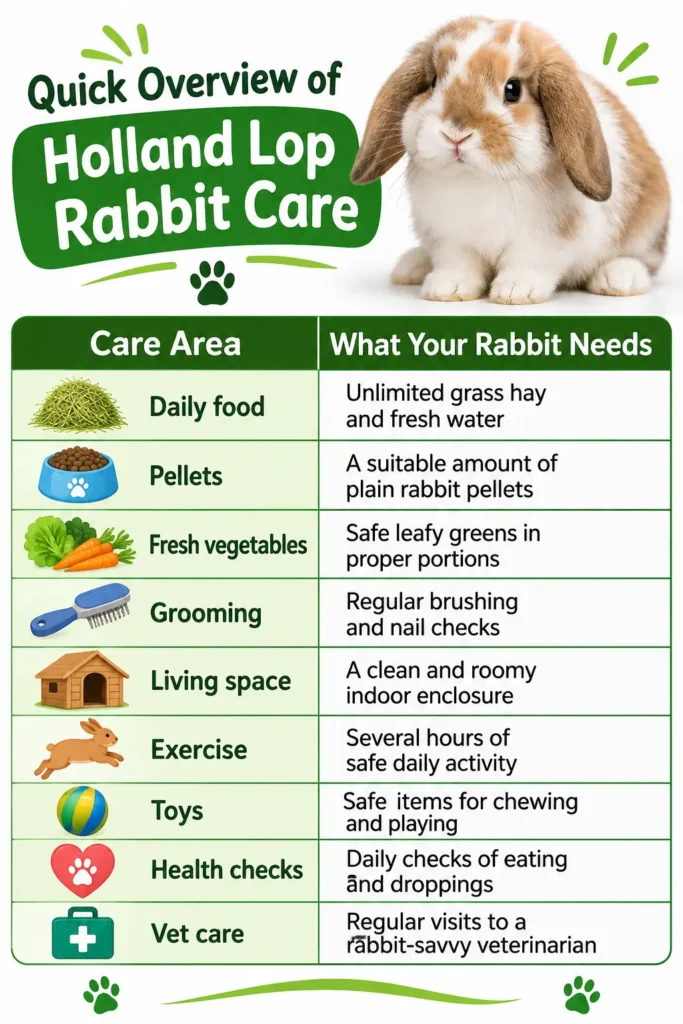
Holland Lop rabbits have thick and soft fur. Their coat needs regular care to stay clean and neat. Loose hair and dirt can collect in the fur. Brushing helps remove loose hair and keeps the coat healthy. It also reduces the amount of hair your rabbit may swallow while cleaning itself.
Brush your rabbit at least once or twice a week. You may need to brush it more often during shedding season. Some Holland Lops lose their thick undercoat for a short time each year. Daily brushing can help remove loose hair during heavy shedding.
Brush the Coat and Check for Tangles
Use a soft brush made for rabbits. Brush gently and do not pull hard on knots. Pay extra attention to the belly and the area behind the legs. Loose fur can collect in these spots.
If you find a tight mat close to the skin do not cut it with scissors. Rabbit skin is very thin and can get hurt easily. Ask a rabbit groomer or vet to remove the mat safely.
Care for Ears and Nails
Holland Lops have floppy ears that can collect dirt and wax. Check both ears every week. Look for redness and swelling or a bad smell. Never push cotton swabs deep into the ears. Ask a vet to show you how to clean them safely if needed.
Check your rabbit’s nails every few weeks. Long nails can make walking hard. They can also curl or break. Trim only the sharp tips and stay away from the quick. The quick is the part inside the nail that contains blood. If you are not sure how to trim the nails ask a vet or trained groomer for help.
Keep the Bottom Area Clean
Check the fur around your rabbit’s bottom often. Droppings and urine can stick to dirty fur and hurt the skin. Keep the litter area clean and dry. If waste keeps sticking to the fur ask a vet to find out why.
Do not give your rabbit a full bath unless a vet tells you to. Baths can make rabbits scared and stressed. They can also make it hard for them to stay warm. Clean only the dirty area when needed and follow your vet’s advice.
Provide a Comfortable and Safe Living Environment
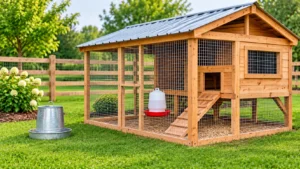
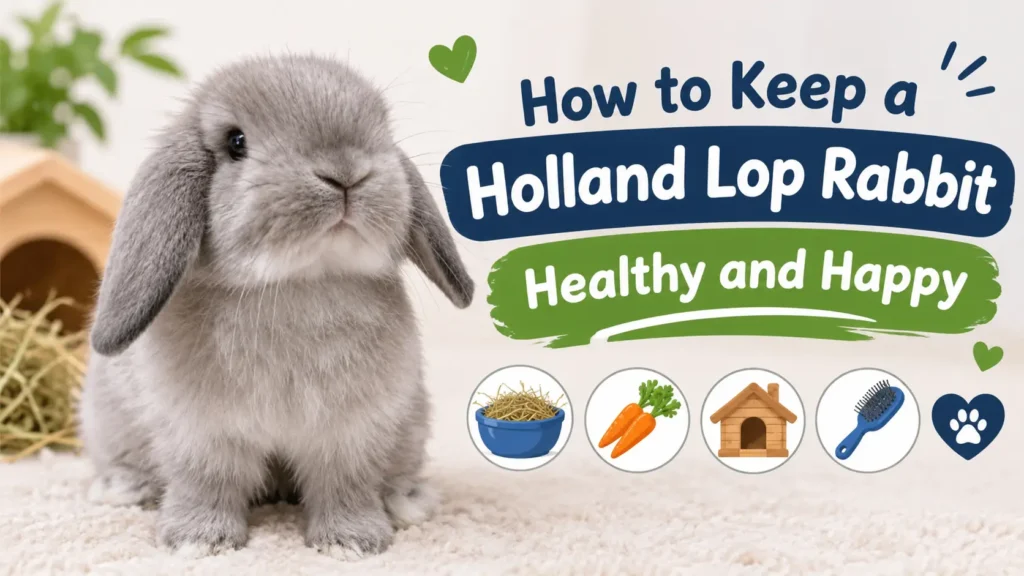
A Holland Lop needs a safe and comfortable place to rest and move around. A small cage is not enough for a rabbit that stays indoors most of the day. Give your rabbit a large indoor space where it can stretch and stand up.
A large exercise pen or a safe room can be a good choice. Make sure the floor is not slippery. Avoid wire floors because they can hurt your rabbit’s feet. Use a solid floor with soft and safe bedding.
Keep the Living Area Clean
Place a litter box in one corner of the enclosure. Your rabbit can learn to use it with time and patience. Choose rabbit-safe litter. Avoid dusty or strongly scented litter.
Clean the living area often. Remove wet bedding and leftover fresh food every day. Wash food and water bowls regularly. A clean home helps your rabbit stay healthy and comfortable.
Make sure your rabbit has these basic items:
- A safe box or hiding place for rest.
- A litter box with rabbit-safe litter.
- Heavy food and water bowls.
- A hay rack or clean area for hay.
- Safe toys for chewing and playing.
- Soft bedding in the resting area.
Protect Your Rabbit From Heat and Cold
Holland Lops can have trouble staying cool in hot weather. Rabbits do not handle high temperatures well. Keep your pet in a cool room away from direct sunlight. Make sure fresh air can move through the room. Avoid placing the enclosure in a strong draft.
This is very important during hot summers in Pakistan. Keep your rabbit in a cool and shaded room with good airflow. Never leave it inside a parked car or a closed outdoor hutch in direct sunlight.
Watch for signs of heat stress such as heavy breathing and drooling. Your rabbit may also become weak or less active. Contact a veterinarian quickly if you notice these signs.
Provide a Healthy and Balanced Diet
Food is very important for your Holland Lop’s health. Rabbits have a sensitive stomach. They need food with plenty of fiber to keep their digestive system healthy and their teeth in good shape.
Grass hay should be the main part of an adult rabbit’s diet. Timothy hay and orchard grass are good choices. Young rabbits may need alfalfa hay because it gives them extra nutrients and energy as they grow. Adult rabbits usually need grass hay instead.
Choose the Right Pellets
Give your rabbit plain rabbit pellets that are high in fiber. Avoid pellets with colorful pieces and seeds. Your rabbit may only eat the tasty parts and leave the rest. Follow the feeding guide based on your rabbit’s age and weight.
Pellets should be a small part of the daily diet. Giving too many pellets can make your rabbit gain weight. It can also make your rabbit eat less hay.
Add Safe Fresh Greens
Fresh leafy greens add variety to your rabbit’s meals. Start with small amounts when giving your rabbit a new vegetable. Watch how your rabbit reacts before offering more.
Some safe choices include:
- Romaine lettuce
- Green leaf lettuce
- Cilantro
- Basil
- Parsley
- Carrot tops
Wash all fresh greens before feeding them. Do not give too much fruit or sugary treats. Never feed your rabbit chocolate or onion or garlic or avocado. These foods can make your rabbit sick.
Keep Fresh Water Available
Your Holland Lop should always have clean water to drink. A heavy water bowl may be easier for your rabbit to use than a bottle. Clean the bowl every day and fill it with fresh water.
Watch how much your rabbit drinks. If your rabbit suddenly starts drinking less then it may be a sign of illness.
Keep Your Holland Lop Active With Exercise and Playtime
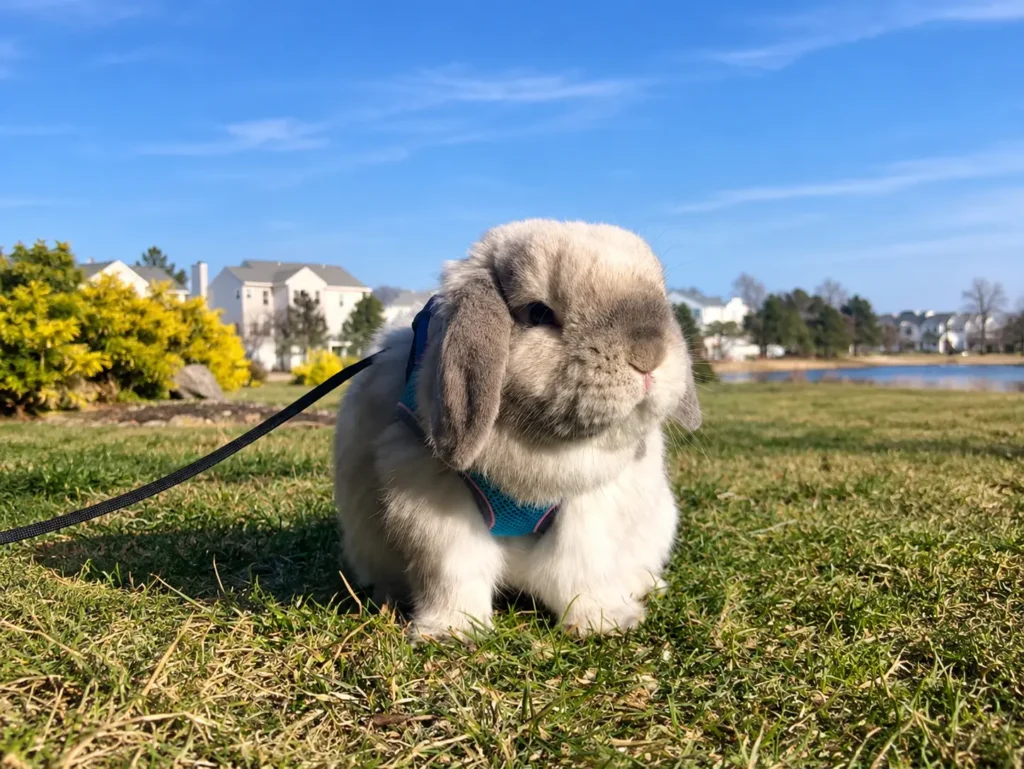
Holland Lops are small rabbits but they have lots of energy. They need daily exercise to stay healthy and avoid boredom. Give your rabbit a few hours of safe time outside its cage every day.
Choose a safe room or play area where your rabbit can hop and explore. Cover electrical wires and close small spaces where it could get stuck. Keep houseplants and unsafe items away from your rabbit.
Give Your Rabbit Fun Toys
Toys help your rabbit stay busy and happy. Rabbits like to chew and dig and explore. Give them safe toys that they can enjoy without getting hurt.
Good toy options include:
- Cardboard tunnels.
- Untreated wooden chew toys.
- Plain cardboard boxes.
- Hay toys.
- Safe digging boxes.
- Rabbit-safe balls.
Change the toys from time to time to keep your rabbit interested. You can also put some hay inside a cardboard tube. This gives your rabbit a fun way to find its food.
Spend Time With Your Rabbit
Holland Lops are friendly and social rabbits. They enjoy spending time with their owners. Sit near your rabbit and let it come to you. Do not chase it or force it to be held.
Always support its chest and back legs when picking it up. Rabbits can hurt their backs if they struggle or kick while being held. Many rabbits feel safer sitting beside their owners instead of being carried.
Monitor Your Holland Lop’s Health and Daily Behavior
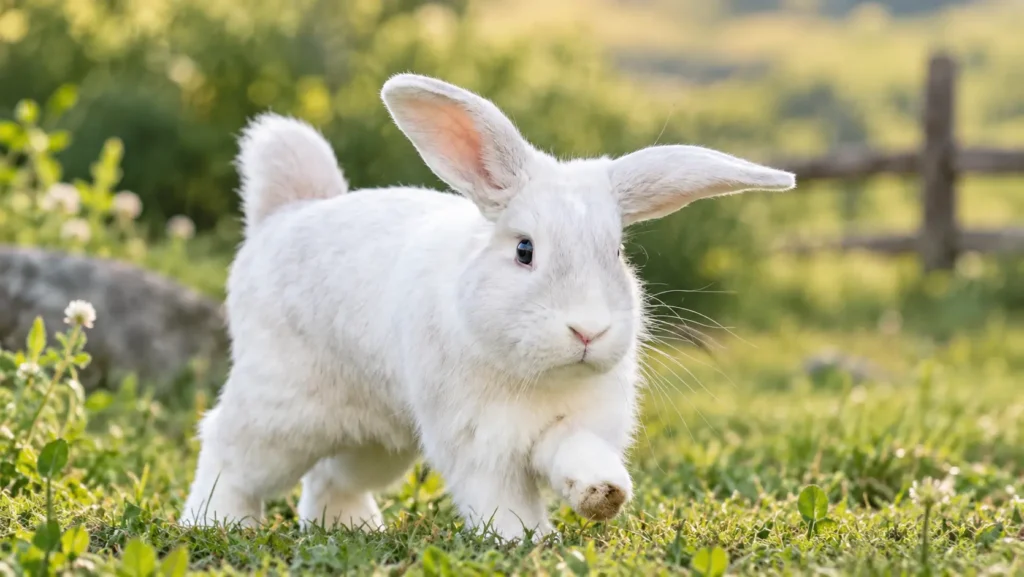
A healthy Holland Lop should have bright eyes and a clean nose. Its fur should look clean and smooth. Its body should not feel too fat or too thin. It should move easily and show interest in food.
Check your rabbit every day. Changes in eating habits or droppings can be early signs of a health problem.
Watch Its Eating and Droppings
Rabbits need to eat often to keep their stomach working well. Their droppings should be round and firm. If your rabbit starts making fewer or smaller droppings then something may be wrong.
Contact a vet quickly if your rabbit:
- Stops eating or refuses hay.
- Makes very few droppings.
- Has diarrhea.
- Sits in one place and looks weak.
- Grinds its teeth loudly because of pain.
- Has trouble breathing.
- Has a swollen belly.
A rabbit that stops eating can develop a serious problem called gastrointestinal stasis. This means its digestive system slows down or stops working. It needs quick vet care. Do not wait until the next day to see if your rabbit gets better.
Check Its Teeth and Ears
Rabbit teeth keep growing throughout life. Eating enough hay helps keep their teeth at a healthy length. You can also give your rabbit safe chew toys.
Watch for drooling or trouble eating. Dropping food while eating can also be a sign of a dental problem.
Holland Lops have floppy ears that need regular care. Check their ears for wax and redness and bad smells. Head shaking and frequent scratching may also mean an ear problem. A vet can check the ears and suggest the right treatment.
Arrange Regular Vet Checkups
Find a vet who knows how to care for rabbits. Regular checkups help keep track of your rabbit’s weight and teeth and overall health. Ask the vet about vaccines and parasite care that are needed in your area.
Never give human medicine or random treatments to your rabbit. Some common medicines can be harmful to rabbits. Always ask a vet before giving your rabbit any medicine.
Final Thought
Keeping a Holland Lop rabbit healthy and happy starts with good daily care. Give it plenty of hay and fresh water. You can also give it a small amount of rabbit pellets. Brush its fur and check its ears and nails to keep it clean and healthy.
Your rabbit needs a safe and roomy home. Let it exercise every day and give it safe toys and places to hide. Spend time with it and let it explore in a safe space.
Check its food intake and droppings every day. If your rabbit stops eating or seems to be in pain then contact a rabbit vet right away. Good food and a safe home will help your Holland Lop live a healthy and happy life.