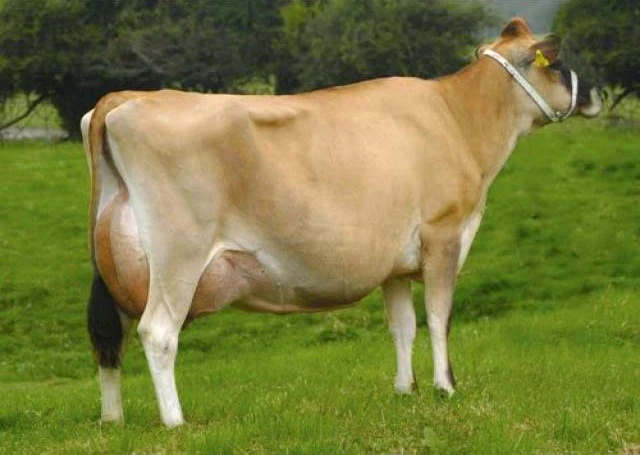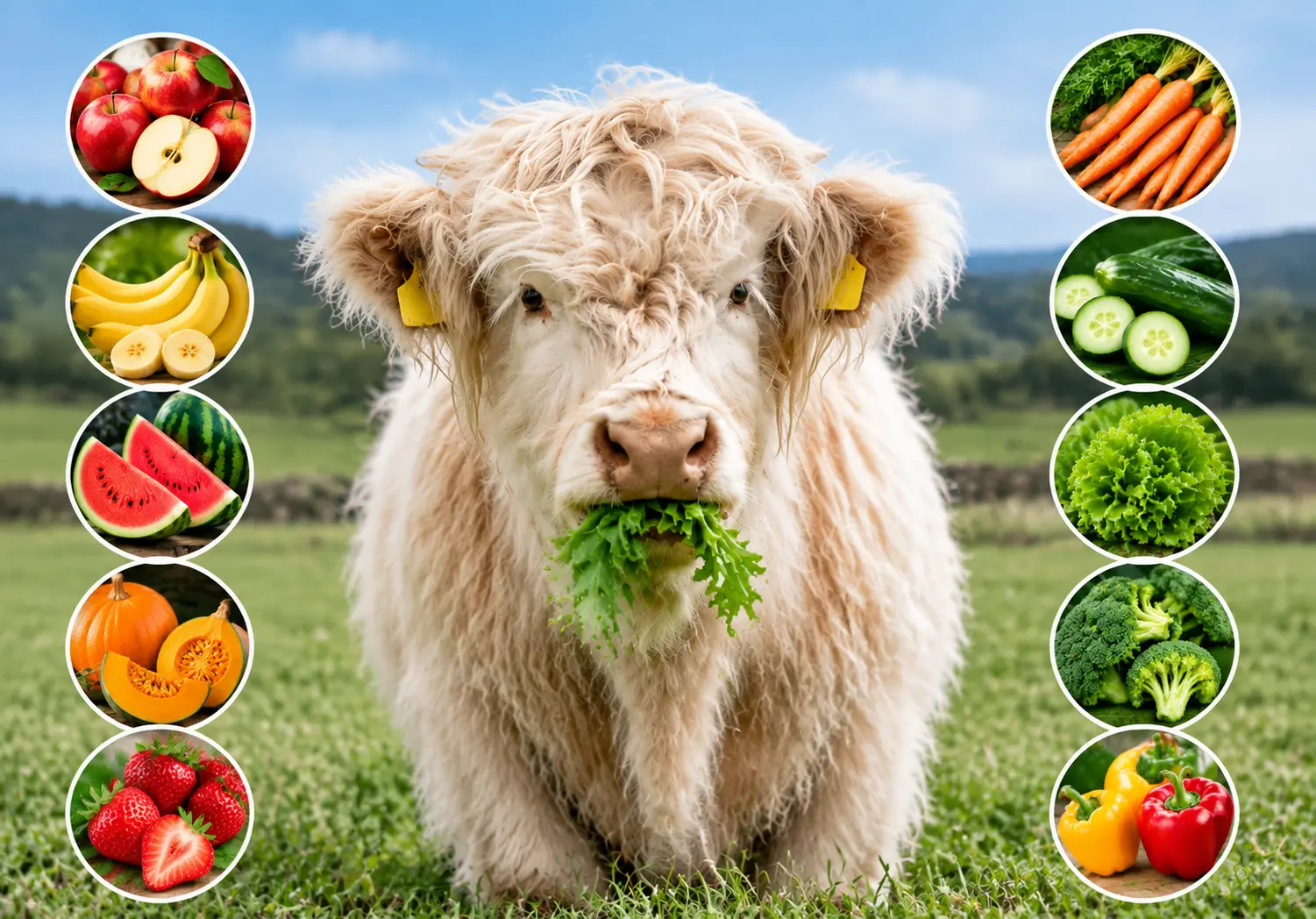

So if you are wondering what Jersey cows eat the short answer is grass and hay and a good mix of other feed. That means fresh pasture or hay for fiber. Silage for the colder months. Grain for extra energy. Minerals and vitamins to fill gaps. And clean water all day.
Sounds simple. It gets tricky fast though. A Jersey cow is small but she works hard. A milking cow needs a lot of food for her size. Feed her wrong and her stomach gets upset. Her milk drops too.
Picture a 450 kg Jersey cow on a small farm. That is about 990 pounds. She stands in a green pasture chowing down all morning. Then winter comes and the grass slows down. Her owner switches to hay and silage. He adds a little grain. Every change matters.
This guide walks through the main foods in her diet. How much she eats each day. Which grass and hay work best. What grain and minerals do. And the feeding mistakes that cause real trouble at home. Keep in mind every cow is different. Your veterinarian or a dairy nutritionist can tune the plan for your herd. A dairy nutritionist is just a feed expert for dairy cows.
Cow 800–1,200 lb
bulls 1,200–1,800 lb.
About 46–50 inches
at the shoulder.
12 – 15 years
Feeding Point | What To Know |
Main food | Grass and hay |
Backup feed | Silage in winter |
Daily dry matter | Up to 4.5 percent of body weight |
450 kg cow example | About 20.25 kg of dry matter |
Extra energy | Grain mixes and dairy feed |
Protein | Soya sunflower or rapeseed products |
Water | Fresh and clean all day |
Biggest risks | Too much grain or extra copper |
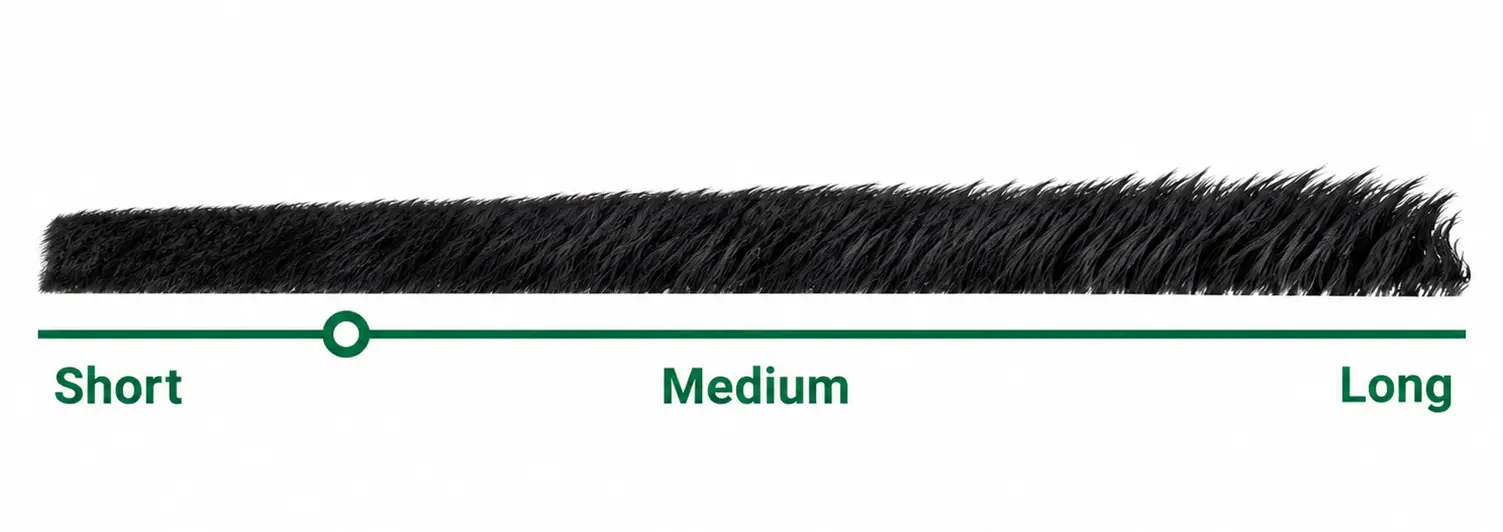
Forage Need
(Grass and Hay)
Water Need
(Fresh Daily)
Grain Need
(Small Amounts)
Mineral Need
(Balanced Mix)
Copper Sensitivity
(Watch Closely)
Feed Efficiency
(Eats Less)
Exercise Need
(Daily Grazing)
Health Risk
(Fairly Hardy)
Grooming Need
(Low Effort)
Shedding Level
(Light Seasonal)
Friendliness
(Gentle)
Playfulness
(Calm)
Energy Level
(Moderate)
Forage is the base of the whole diet. Forage just means plant feed like grass and hay. It gives your cow fiber. Fiber keeps her stomach working the way it should. A Jersey cow is a ruminant. That means she has a big first stomach called the rumen. Tiny microbes in there break down tough plants. They turn grass into food she can use.
Here is what you will usually find in her feed plan.
Not every farm uses all of these. Your area and season decide a lot. Grazing is great in spring and summer. Silage and hay fill the gap in winter.
Grain and dairy feed give extra energy. Milking cows need that boost. A cow that is not milking needs a lot less. Her age and pregnancy matter too. So does the quality of your forage. Good grass means less grain.
Dairy feed experts also say a mix of forage types often works better than a single crop. A bit of grass hay. A bit of silage. Maybe some lucerne. That mix gives a better balance than leaning on a single feed all year.
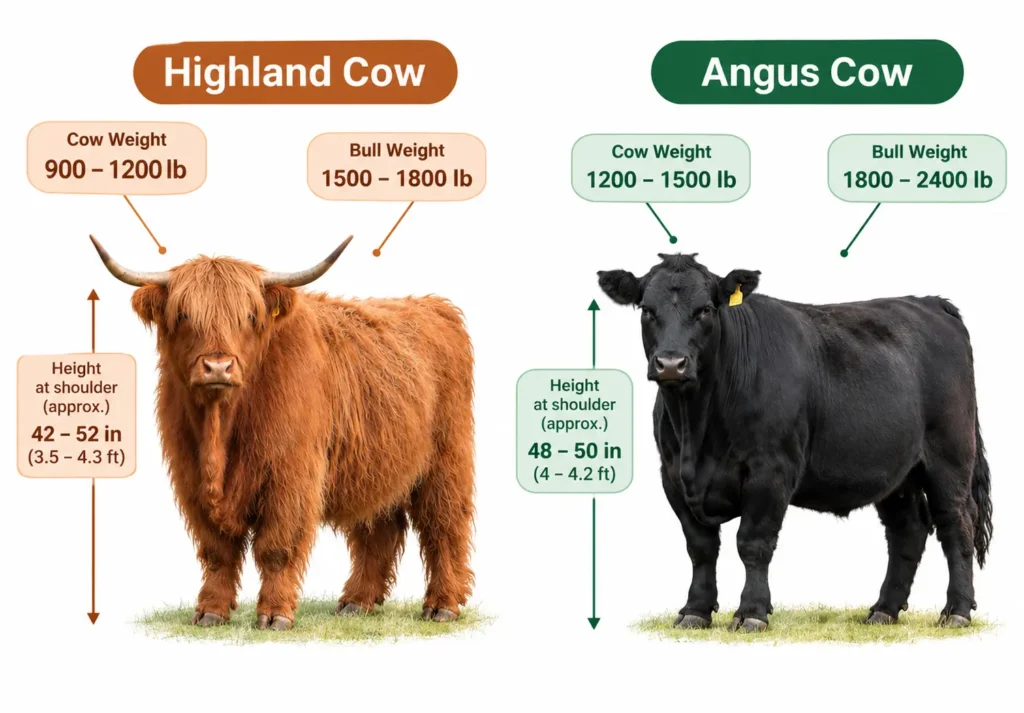
There is no single number that fits every cow. Her body weight changes things. So does her milk yield and her stage of milking. Pregnancy and feed quality matter too.
Here is a useful rule though. A Jersey cow that is making milk can eat up to 4.5 percent of her body weight in dry matter each day. Take a 450 kg cow. Her limit works out to about 20.25 kg of dry matter. That is close to 45 pounds.
Now keep in mind what dry matter means. It is the feed left after all the water is taken out. Fresh grass and silage hold a lot of water. So 20.25 kg of dry matter does not mean 20.25 kg of fresh grass. You would feed a lot more weight than that.
One grazing herd example shows cows eating about 17 kg of dry matter from grass and forage. They also got about 5 kg of concentrate feed. Do not treat that as a rule for your cows though. Farms count feed in different ways. Use it as a rough picture only.
A plain forage guide also exists. Dry roughage like hay often lands at about 1.8 to 2.2 percent of body weight. That covers forage only. It is not the full daily plan.
Here are some easy ways to track feeding at home.
A nutritionist can test your hay and build a plan around it. That takes the guesswork out.
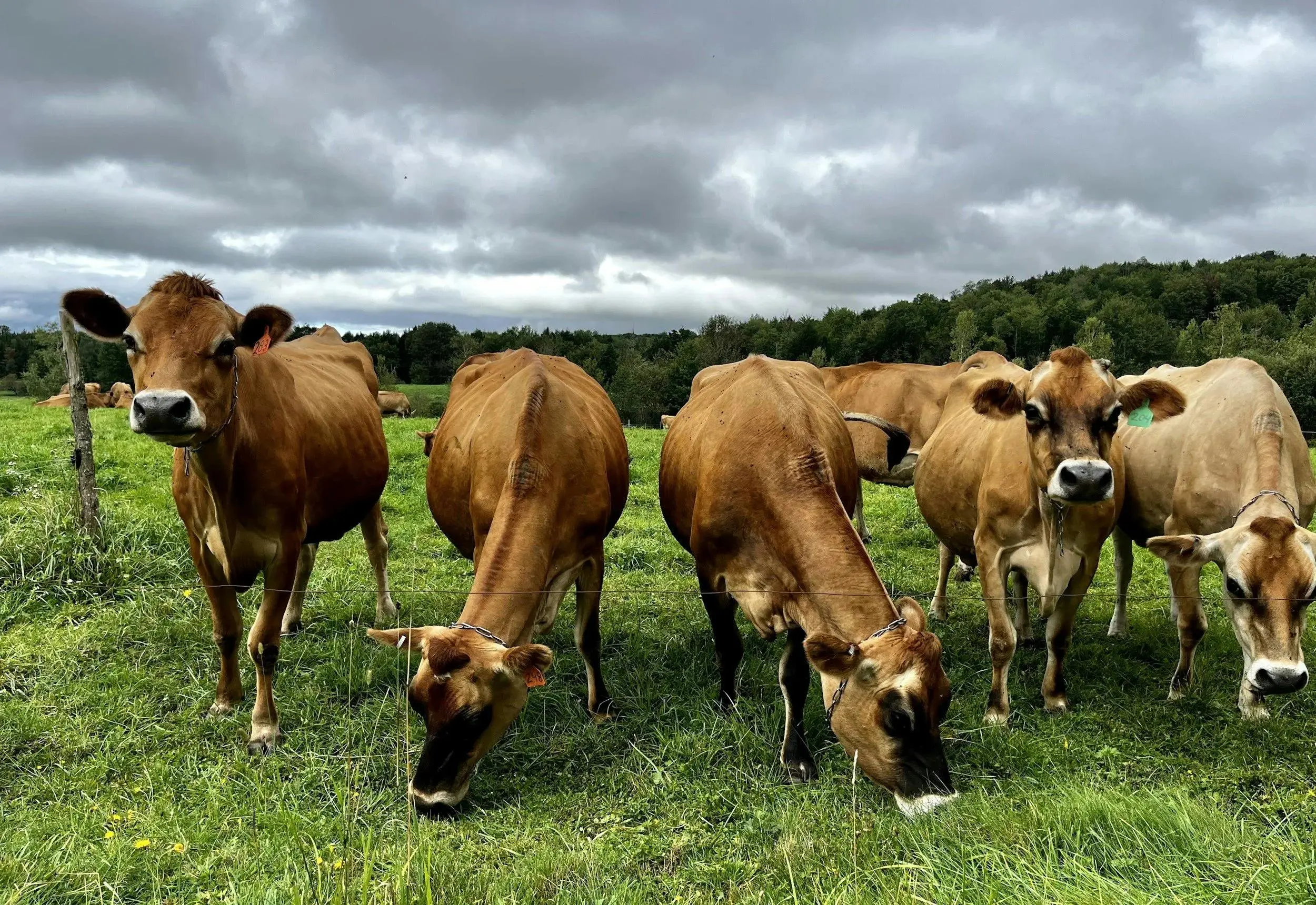
Grass hay gives fiber and keeps her rumen working. Lucerne adds protein on top of the fiber. Silage is stored feed that farms use when fresh grass runs low. Grass silage is common. Maize silage adds energy. Whole crop cereal silage is another option. Some winter plans mix all 3.
Quality matters more than most people think. Old coarse forage is hard to digest. Cows eat less of it. That can pull milk production down. Soft leafy forage tastes better so she eats more.
Here is a short checklist for picking forage.
Do not feed poor hay and hope grain fixes it. Grain cannot replace good forage. It only fills gaps.
Grass and hay alone may not be enough for a cow that makes a lot of milk. That is where grain and supplements come in. Think of them as extras. They fill gaps. They never replace good forage.
Grain and dairy feed give extra energy for milk. How much she needs depends on her milk yield and your forage quality. Better forage means less grain.
Protein matters too. Soybean sunflower and rapeseed products are common sources. The quality of the protein counts as much as the amount. A mix of protein sources can work better than leaning on a single source.
Minerals keep her body running. The big ones are calcium and phosphorus and magnesium and sodium. Vitamins do their part too. What she needs changes with her age and milk output. It also changes with her stage of life. Dry cows need a mineral plan before calving. Dry cows are cows that are not giving milk while they rest before a new calf.
Always look at the complete feed plan before adding anything. A feed analysis shows what is really in your hay and silage. Then you know what is missing. Your dairy nutritionist can read it and tell you what to add.
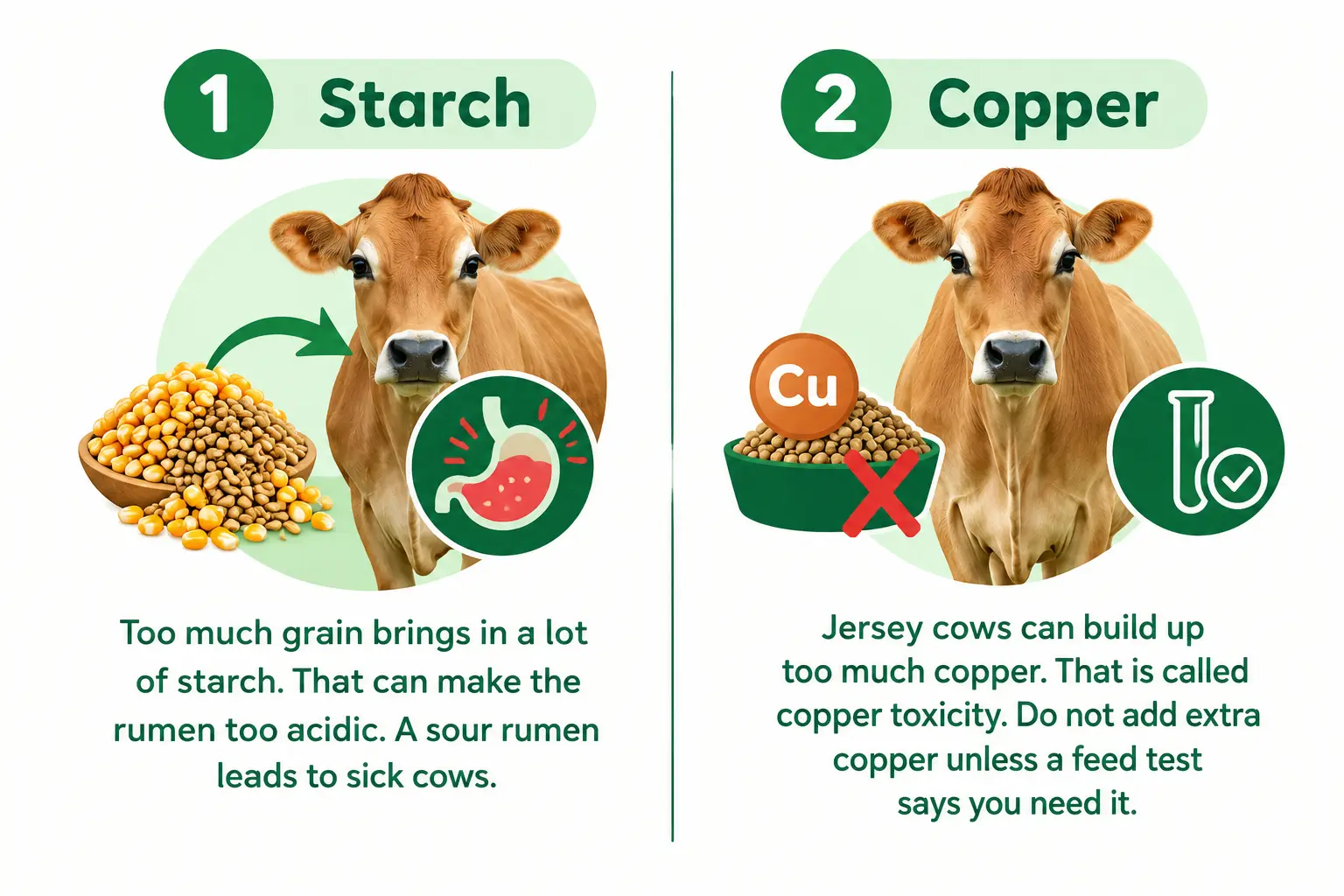
Most feeding problems come from small mistakes that pile up. Here are the big ones.
Check your pasture for plants you do not know. Some plants are toxic to cattle. Do not guess. Look them up or ask your veterinarian. Fence off any area with plants you cannot name.
Water deserves its own mention. Keep clean water available all day. Check it daily. Dirty water makes cows drink less. Less water means less feed intake. Less feed means less milk.
A Jersey cow does best on good forage first. Grass and hay build the base. Silage helps in winter. Grain and minerals fill the gaps. Clean water runs through the whole day. Go slow when you change feed. Skip the extra copper unless a test says so. And ask your veterinarian or a dairy nutritionist to check your plan. Small steps like these keep your cow healthy and her milk steady.