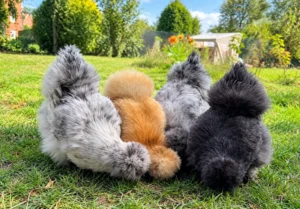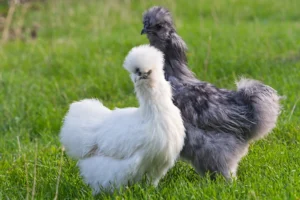
So if you are wondering what makes a Silkie chicken so different from every other bird in the coop the short answer is almost everything. These birds look more like a small cloud than a chicken. Soft feathers black skin, extra toes and a calm friendly nature all wrapped into one small bird.
I remember the first time I held a Silkie chick. It felt like fur instead of feathers under my fingers. I actually checked twice to make sure it was really a chicken and not some other kind of fluffy pet. That moment is what got me hooked on this breed.
This guide walks through what makes Silkies stand out. Feather texture skin color body shape personality egg laying habits and all the little details that make this bird so easy to spot in any flock.
Quick Overview
| Feature | What You Should Know |
| Feather type | Soft and fluffy, lacking barbicels |
| Skin and bone color | Black |
| Toe count | Five instead of the usual four |
| Comb type | Small walnut shaped comb |
| Earlobe color | Blue or turquoise |
| Standard bantam weight | Around 1 kg male, 900 g female |
| Flight ability | Cannot fly |
| Egg color | Tinted or cream |
| Temperament | Calm and gentle, strongly broody |
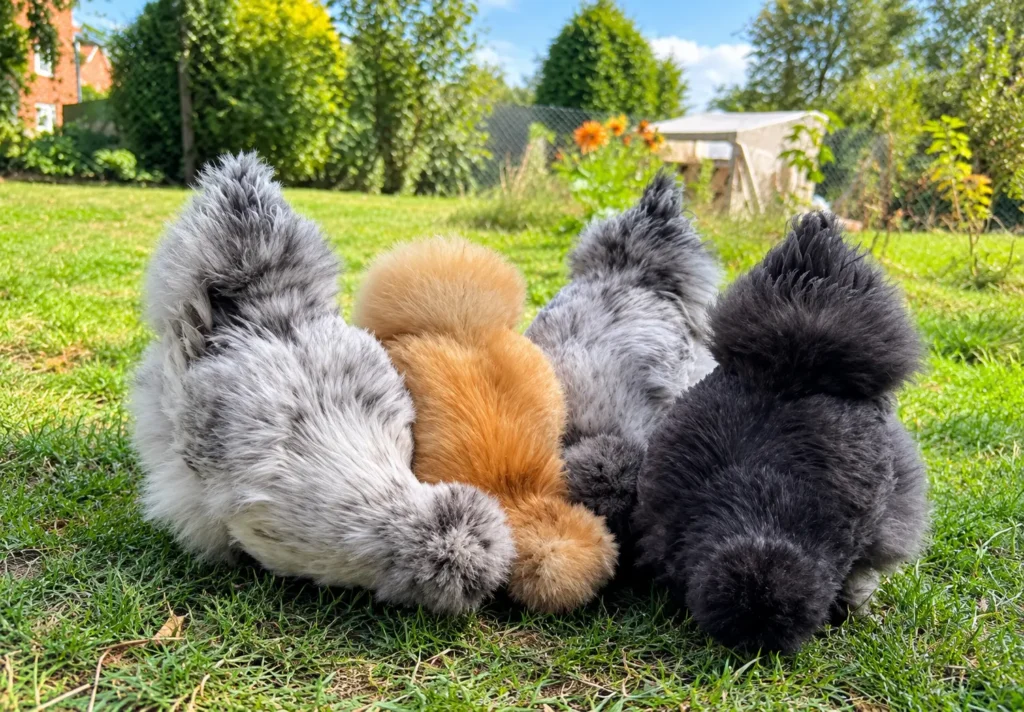
Silkie Chicken Feather Texture and Fluffy Appearance
Let’s talk about the feathers first since that is usually the first thing people notice. Silkie feathers do not work like typical feathers. They lack barbicels which are the tiny hooks that normally hold feathers together in a flat shape. Without those hooks the feathers stay loose and soft which gives the bird that poofy look everyone loves.
Because of this unusual feather type Silkies are not flyers. The feathers just cannot create enough lift to get them off the ground for long. That said younger Silkies in my own coop seem to have no trouble reaching higher perches anyway. We keep low perches set up for them but a couple always end up near the top somehow.
This soft feather makes them susceptible to getting cold fast if they get wet. Water soaks right through instead of rolling off the way it does with hard feathered birds. If your Silkie gets significantly wet towel drying or even blow drying may be needed to keep her warm and healthy. Mine actually seem to enjoy the blow dryer honestly. It is basically a spa day for your chicken at home.
Silkie Chicken Skin and Unique Physical Features
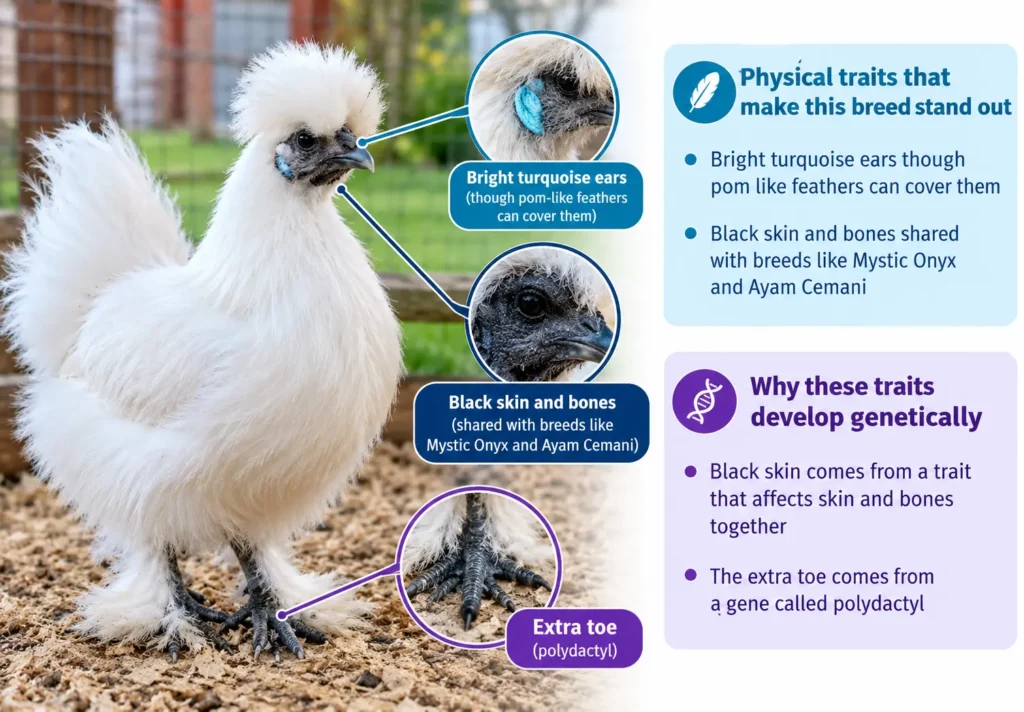
Before getting into skin color here are two lists worth saving since this breed packs in more unusual traits than most chickens you will ever keep.
Physical traits that make this breed stand out
- Bright turquoise ears though pom like feathers can cover them
- Black skin and bones shared with breeds like Mystic Onyx and Ayam Cemani
- A walnut shaped comb that is dark or mulberry in color
- Black eyes paired with a blue tinted beak
- Five toes on each foot instead of the usual four
Why these traits develop genetically
- Black skin comes from a trait that affects skin and bones together
- The extra toe comes from a gene called polydactyl
- A second gene limits the toe count to five instead of more
- A white bird is simply a colored bird missing its color developer gene
- Feather type is recessive so crossing with hard feathered birds changes the outcome
That black skin and dark bones actually make this breed a delicacy in some parts of the world. The turquoise ears are another detail worth trimming feathers for if you want better visibility since the fluff tends to cover them up completely otherwise.
Toe size can shrink over generations too if a breeding line is not managed well starting with the nail first. Keeping good breeding records helps avoid that over time.
Silkie Chicken Colors and Recognized Varieties
Silkies come in a solid range of colors and most people are surprised by how many options exist. Recognized colors include white partridge buff black blue and splash. Unrecognized colors you might still come across include lavender cuckoo silver partridge and paint among a few others.
Appearance wise you will see black gold white grey and partridge versions too all carrying that same silky fluffy plumage no matter the shade. The egg color itself tends to stay tinted or cream regardless of the feather color on the hen laying it.
Weight varies by type as well. A standard rooster usually sits around 1.8 kg while a hen comes in closer to 1.4 kg. Miniature Silkies run much smaller with roosters around 600 g and hens closer to 500 g. The American Standard of Perfection calls for a bantam male to weigh around 1 kg or 35 oz with females landing closer to 900 g or 32 oz.
Silkie Chicken Personality and Social Behavior
Silkies tend to have a calm gentle personality that makes them easy to handle compared to a lot of other breeds. Based on my own experience raising them alongside other chickens this calm nature is both a blessing and something to watch closely.
Since Silkies cannot fly and their feathers often cover their eyes, defending themselves in a mixed flock can be tough. Making sure the rest of the flock accepts them matters a lot before just tossing them together. I took my time integrating mine instead of rushing it.
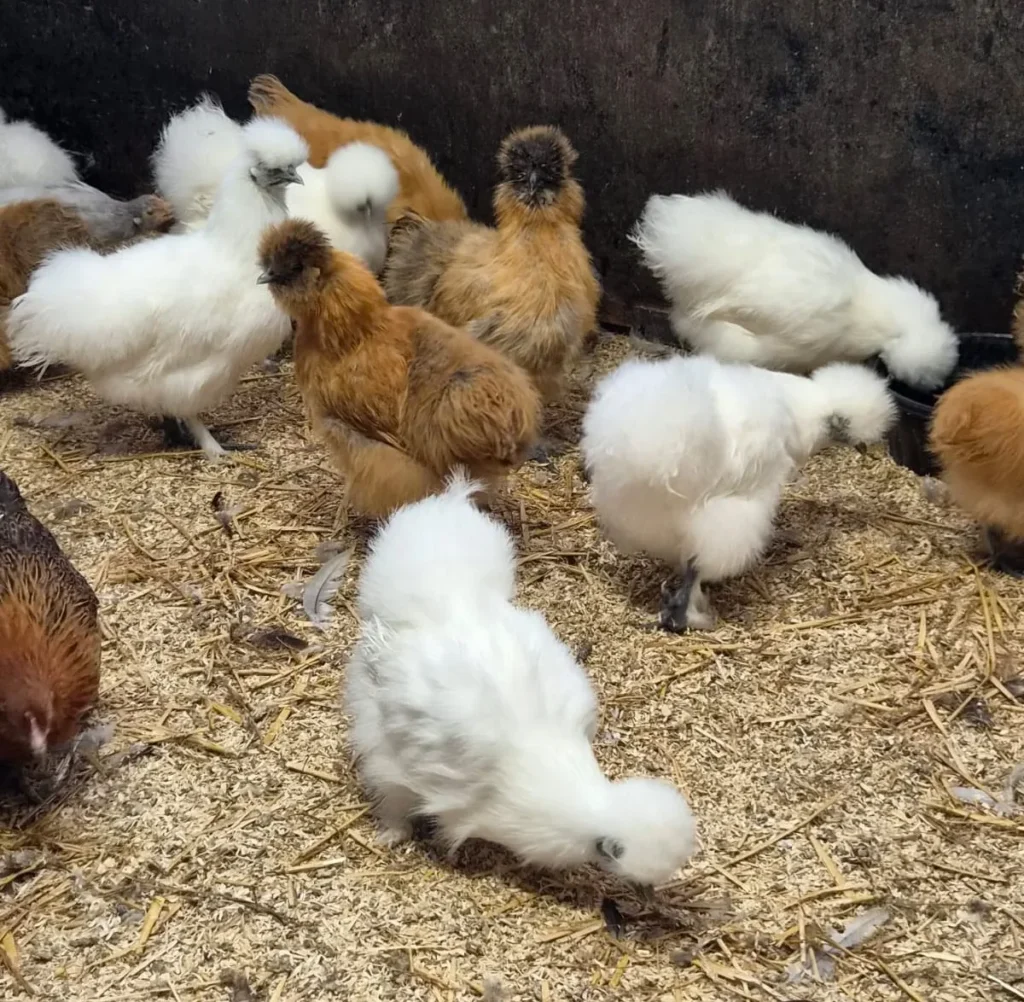
Right after my Silkies hatched I picked up some Easter Egger chicks from the local farm supply store. Once the Silkies were eating and drinking well I combined both groups together so they could grow up side by side. They integrated into the bigger flock just fine this way instead of staying separate and stressed out later.
A few tips worth following if you plan to mix Silkies with standard breeds
- Introduce chicks together while they are still young
- Keep a close eye on the coop during the first few weeks
- Trim feathers around the eyes if vision seems blocked
- Give smaller birds safe spots to retreat if needed
Silkie Chicken Egg Laying and Broodiness
Egg laying is honestly not this breed’s strong point and most owners know that going in. Silkies lay a small to medium egg that is usually tinted or cream in color. Production stays modest compared to standard laying breeds but that is not really why most people keep them anyway.
Broodiness is where this breed really shines instead. Silkie hens go broody often and make excellent mothers. A lot of keepers actually use their Silkies to hatch eggs from other breeds entirely since they sit so reliably and care for chicks so well once hatched.
Silkie Chicken Size Body Shape and Overall Build
Body shape on this breed stays small and rounded with that unique feathered feet look most standard breeds do not have. Some lines are bearded while others are non bearded giving slightly different face shapes depending on the bird.
Darkly colored meat runs through the whole body thanks to that same genetic trait affecting skin and bones. Even the blood is said to run slightly darker than other breeds. Most North American strains stay bantam sized while the original version kept in Europe runs a bit larger overall.
Dark wattles and blue earlobes round out the look along with that small walnut shaped comb sitting right on top. Every piece of this bird ties back to those same unusual genetics that make Silkies one of the most recognizable breeds you can keep.
Final Thought
Silkie chickens really do bring something different to any flock. Soft feathers black skin, extra toes and a calm gentle nature all combine into one small bird that stands out everywhere it goes. If you are thinking about adding a few to your own coop just remember they need a little extra care around water and flock introductions but the personality and unique look make it well worth the effort at home.