The Guernsey cow is a dairy breed known for its golden milk and calm nature. It comes from a small island called Guernsey in the English Channel. Farmers like this breed because it produces rich milk and can do well on good grass.
Guernsey cows are usually fawn and white. They have a medium-sized body and a strong build. Their milk has good amounts of butterfat and protein. It also has a natural golden color because of a nutrient called beta-carotene found in grass.
This breed can be a good choice for dairy farms that want rich milk. But Guernsey cows still need good food and fresh water. They also need a clean and dry place to rest and regular health checks.
This guide explains the history and size of Guernsey cows. It also covers their milk production and daily care.

Quick Overview of Guernsey Cows
| Feature | Details |
| Breed type | Dairy cattle |
| Origin | Isle of Guernsey |
| Main color | Fawn and white |
| Cow weight | Around 1,100–1,400 pounds |
| Bull weight | Around 1,700 pounds or more |
| Temperament | Usually calm and gentle |
| Main use | Milk production |
| Milk color | Natural golden shade |
| Special trait | Rich milk with good butterfat |
Guernsey Cow History and Origin
The Guernsey cow came from the Isle of Guernsey in the Channel Islands. This island is in the English Channel near the coast of France. The breed has a history that goes back more than 1,000 years.
Early cattle on the island are believed to have come from France. Two types of cattle linked to the breed were Isigny cattle from Normandy and Froment du Léon cattle from Brittany. These cattle helped shape the Guernsey breed we know today. However its exact early history is not fully known.
By around 1700 the Guernsey was known as a separate cattle breed. In 1789 the island passed a law that stopped people from bringing in cattle from other places. This helped protect the local herd. Farmers then focused on raising cows with good milk production and fawn and white coats.
Guernsey cattle later spread to other parts of the world. They reached North America around 1840 and became part of the American dairy industry. In 1877 breeders in the United States formed a cattle club to keep breed records and improve the cattle.
Today Guernsey cows are found in many countries. Farmers still value them for their rich milk and ability to do well on good pasture.
Guernsey Cow Appearance Size and Average Weight
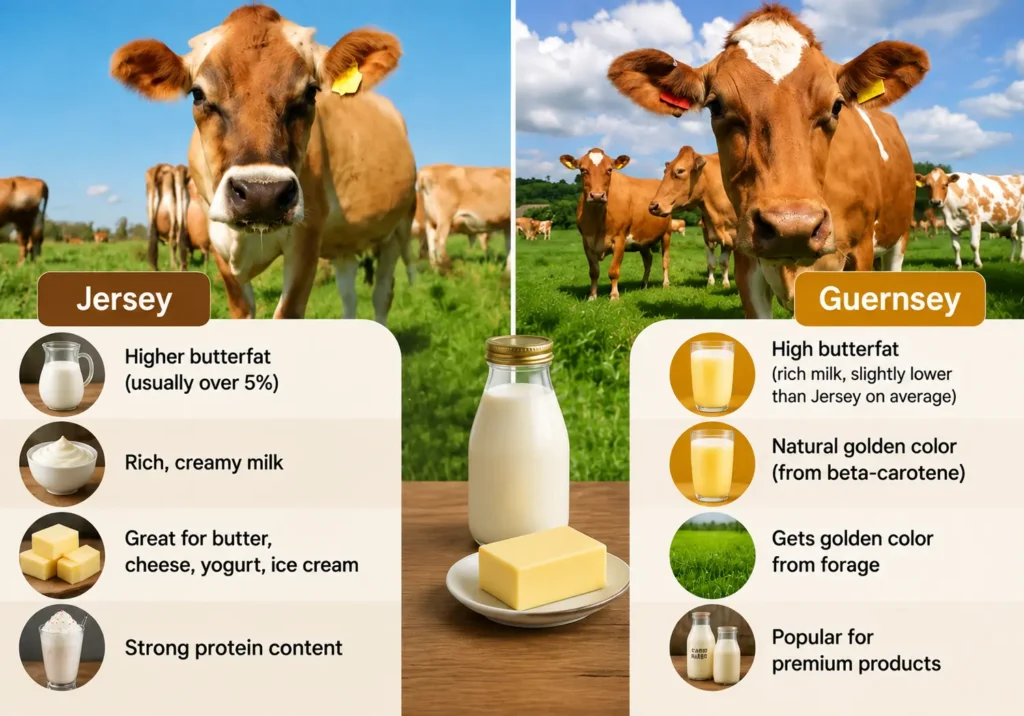
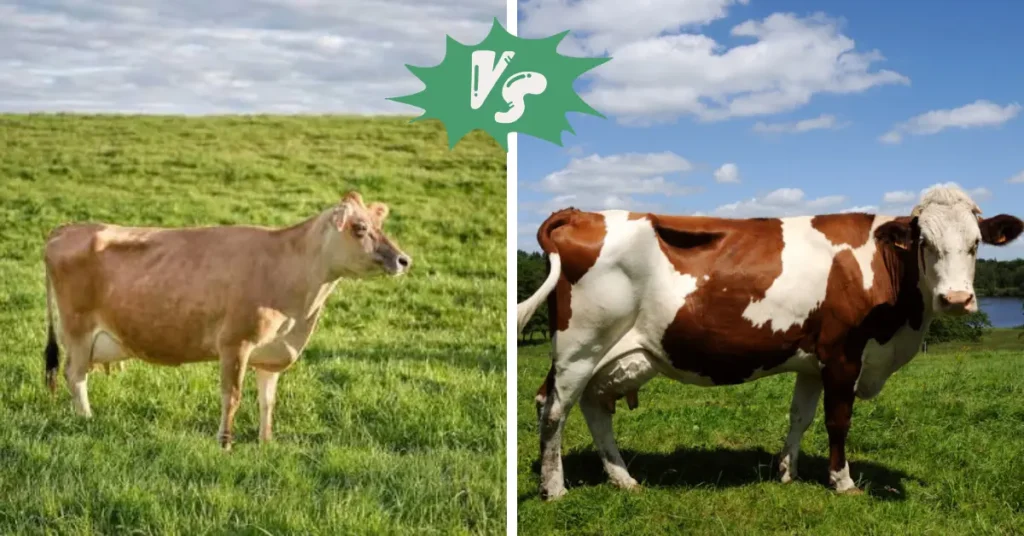
Guernsey cows have a special look that makes them easy to recognize. Most have a light brown or golden coat with white spots. Some cows have more white on their bodies than others. Their skin often has a golden color and their nose is usually light.
They have a medium-sized body with strong legs and a well-shaped udder. Their bodies are usually slim compared to some other dairy breeds. Most Guernsey cows have horns but some are born without them.
An adult Guernsey cow usually weighs around 1,100 to 1,400 pounds. Bulls are bigger and can weigh about 1,700 to 2,000 pounds. Their weight depends on their genes and the care they receive.
A cow’s age and body condition also affect her weight. Farmers should look at the whole body to check if a cow is healthy. She should not look too thin or too fat.
Guernsey Cow Temperament: Are They Friendly and Easy to Handle?
Guernsey cows are usually calm and gentle. They enjoy being around other cows and can get used to people with kind handling. Their medium size can also make them easier to manage than some larger dairy cows.
They are a good choice for family farms and small dairy herds. Guernsey cows are also good mothers. They care for their calves and may stay close to other young calves in the herd.
Farmers should always handle them with care. Move slowly and avoid loud sounds or sudden movements. Keep gates and paths clear so cows can move without fear.
Bulls need more care because they can become dangerous at any time. Never trust a bull just because it looks calm. Keep children away from bulls and always use safe handling areas.
Guernsey Cow Milk Production: Daily Yield and Annual Output
Guernsey cows are mainly raised for milk. Farmers value them for their rich milk and not just for the amount they produce. Their medium-sized bodies and good grazing ability help them make milk from grass and other feed.
Milk production depends on the cow’s age and health. The quality of her feed also makes a difference. A cow usually gives more milk in the first part of her milking period. Her milk supply slowly goes down as she gets closer to the end.
A 2023 milk report from England showed that Guernsey cows produced an average of about 5,518 kilograms of milk in 305 days. This is around 12,165 pounds. It equals about 40 pounds of milk per day on average. Daily milk amounts can still change during this period.
Older records from the United States showed an average of 14,667 pounds of milk per cow. This number comes from 1992 records so it may not match milk production on farms today.
Farmers should check and record how much milk each cow gives. This helps them spot sudden drops in milk production. A drop can be a sign of poor feed or a health problem.
Guernsey Cow Milk Quality: Butterfat Protein and Golden Color
One of the best things about Guernsey milk is its natural golden color. This color comes from beta-carotene. It is a yellow-orange nutrient found in green plants and grass. Guernsey cows pass more of this nutrient into their milk which gives it a golden look.
Guernsey milk is also known for its butterfat and protein. These parts make milk rich and creamy. They are also useful for making butter and cheese and yogurt.
Milk records from England in 2023 showed that Guernsey milk had about 4.93% butterfat and 3.52% protein on average. These numbers can change from one cow to another.
Guernsey milk is also linked to the A2 beta-casein protein type. However not all Guernsey cows produce only A2 milk. Farmers can check a cow’s test records to know its milk protein type.
The golden color does not mean this milk is safe for everyone. People with milk allergies should not assume they can drink it. Anyone with milk allergies or other food concerns should ask a health professional before trying it.
What Do Guernsey Cows Eat? Feeding and Nutrition Guide
Guernsey cows are good at eating grass. They can get most of their daily food from fresh pasture when enough grass is available. This makes them a good choice for farms that let cows graze in open fields.
Their food should give them the energy and nutrients they need. A good diet can include:
- Fresh grass during the growing season.
- Good hay when there is not enough grass.
- Silage when fresh pasture is limited.
- Dairy feed based on how much milk the cow produces.
- Clean water and safe mineral supplements.
Cows that produce milk need more food than cows that are not being milked. Farmers should choose the right amount of feed based on each cow’s weight and milk production. Giving every cow the same amount may not meet her needs.
Fresh water is also very important. Keep water troughs clean and full. Cows need more water during hot weather. Give them access to shade and fresh water to help them stay cool.
Do not change a cow’s diet too quickly. Add new feed slowly so her stomach can adjust. A vet or cattle nutrition expert can help farmers choose the right food for their herd.
Guernsey Cow Housing and Pasture Requirements
Guernsey cows do well on farms where they can graze in open fields. They need enough space to eat grass and a safe place to rest. Good grass gives them nutrients and helps them produce milk.
Pastures should have clean water and strong fences. Farmers should move cows to different fields when needed. This gives the grass time to grow and helps stop cows from eating too much from one area.
Cows that stay inside need a clean and dry place to rest. Fresh air is also important. Poor airflow can make the barn hot and damp. Wet floors and dirty bedding can also make cows sick.
A good cow shelter should have:
- Clean and dry bedding.
- Enough space for cows to rest.
- Fresh air without strong cold winds.
- Safe floors that are not slippery.
- Shade and clean water during hot weather.
Guernsey cows can live in different climates. But they still need protection from very hot and cold weather. Farmers should give them extra care when the weather becomes too harsh.
Common Guernsey Cow Health Problems and Prevention
Guernsey cows are strong animals but they can still get common health problems. Good food and a clean place to live can help keep them healthy. Farmers should also check their cows every day.
Here are some health problems to watch for:
- Mastitis: This is an infection in the udder. The udder may become swollen or hot. The milk may also look different.
- Lameness: This causes pain in the feet or legs. A cow may walk slowly or have trouble standing.
- Milk fever: This happens when calcium levels in the blood become too low around the time of calving.
- Ketosis: This can happen when a cow does not get enough energy after giving birth.
- Heat stress: Hot weather can make cows eat less and produce less milk.
These problems can affect many types of dairy cows. They are not only found in Guernsey cattle.
Farmers can protect their cows with good daily care. Check if they are eating well and acting normally. Keep milking tools clean and provide dry bedding. Make sure the floors are safe and not slippery.
Ask a veterinarian to help plan regular health checks and vaccines. Get help if a cow stops eating or suddenly gives less milk. Early care can help stop health problems from getting worse.
Guernsey Cow Breeding Pregnancy and Calf Care
Guernsey cows are known for having healthy calves and being good mothers. They can also start breeding at a younger age than some larger dairy breeds when they get proper care. Farmers should choose healthy cows and bulls with strong bodies and good milk records.
A cow is usually pregnant for about 283 days. This time can be a little shorter or longer. Farmers should write down the breeding date so they can know when the calf is due.
Before birth the cow needs a clean and quiet place. Watch her as the due date gets closer. Call a vet if she has trouble giving birth or the calf does not come out normally.
After birth the calf needs care right away. Make sure it drinks colostrum which is the first milk from its mother. This milk helps protect the calf from illness. Keep the calf in a clean and dry place and make sure it drinks enough milk.
Good calf care includes:
- A clean and dry place to rest.
- Fresh water when the calf is old enough.
- Milk or milk replacer as part of its daily feed.
- Daily checks for diarrhea or breathing problems.
- Vet care and vaccines when needed.
Healthy calves help build a strong dairy herd. Good breeding and proper care from birth can help farmers raise healthy cows for the future.
Final Thought
Guernsey cows are a good choice for farmers who want cows that give rich milk and are easy to handle. Their milk has a natural golden color and good butterfat and protein. They are medium-sized cows and can do well on grass pastures.
Good food and fresh water help keep them healthy. Farmers should give them a clean and dry place to rest. They should also check their cows for signs of illness. Good breeding and proper calf care are also important.
With proper care Guernsey cows can do well on both small farms and large dairy farms.