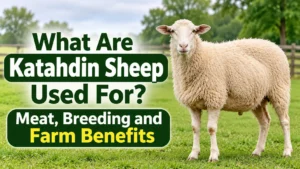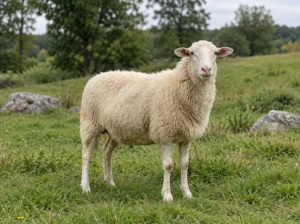
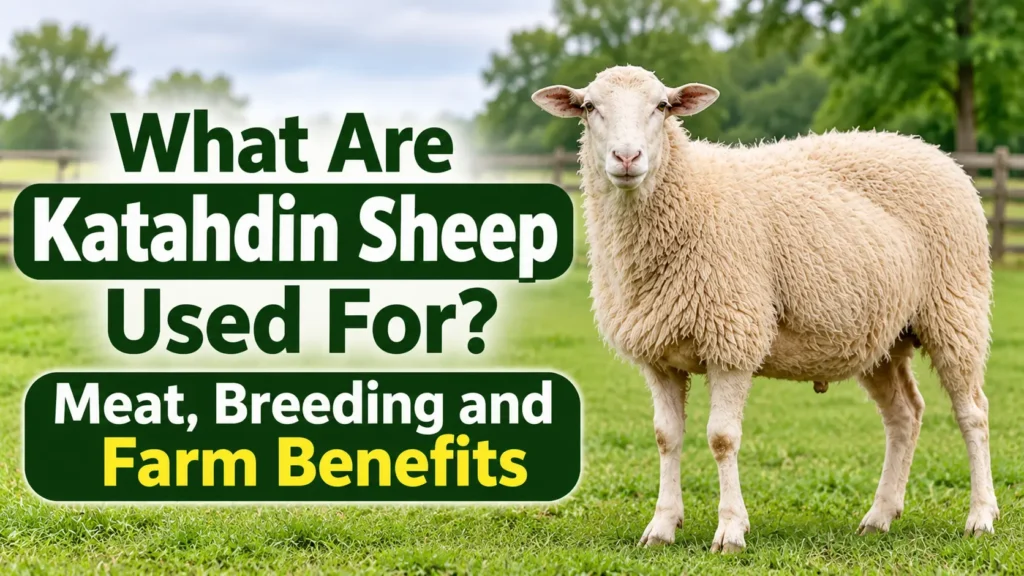
Katahdin sheep are mainly raised for meat. Many farmers choose them because they produce healthy lambs and do not need regular wool shearing. Their coats fall off naturally when the weather gets warm. This saves time and makes sheep care easier.
Katahdin sheep are useful for more than meat. Ewes are good mothers and produce enough milk to feed their lambs. Farmers also use them for breeding because they can pass good traits to other sheep. They can also graze on grass and other plants. This makes them a good choice for small farms and large farms.
Katahdin sheep can live in different weather conditions. They can do well on grass and other natural feed when farmers manage their pasture properly. They still need clean water and good shelter. Regular health checks are also important to keep them strong and healthy.
This guide explains what Katahdin sheep are used for. It covers meat production and breeding. It also looks at pasture grazing and the benefits of raising these sheep on a farm.
Katahdin Sheep for Meat Production
Meat production is the main reason farmers raise Katahdin sheep. They produce lambs with lean meat and strong muscles. Their meat has a mild taste. This makes them a good choice for farmers who sell lamb to local buyers or raise meat for their families.
Katahdin lambs can grow well on good grass. Farmers can also give them extra feed when there is not enough grass. Good food helps lambs grow strong and reach a good selling weight. In many North American markets wethers are sold at around 95–115 pounds. The right weight depends on what buyers want.
Their hair coat is another benefit for meat farmers. Wool sheep need regular shearing. Farmers also need to handle the wool after cutting it. Katahdin sheep shed their coats naturally. This saves time and money on shearing. Farmers can spend more time feeding and caring for their lambs.
Katahdin sheep are suitable for both small and large meat farms. Small farmers can raise a few ewes and sell their lambs nearby. Large farms can raise them on pasture or use them in breeding programs. However good meat production still needs healthy sheep and proper feeding.
Katahdin Sheep for Breeding and Lamb Production
Katahdin sheep are good for breeding because their ewes often have twins and take good care of their lambs. Many ewes give birth without help and produce enough milk to feed their babies. Newborn lambs are usually strong and active. These traits help farmers raise healthy lambs with less extra work.
A healthy ewe is important for a good breeding flock. Farmers should choose ewes with strong bodies and a history of raising healthy lambs. Rams should also have strong legs and good muscles. Healthy parents can help produce strong lambs.
Farmers can also cross Katahdin sheep with other meat breeds. A Katahdin ram can be bred with wool sheep to pass on traits like natural shedding and hardiness. The lambs may also get good meat qualities from the other breed. However the first cross may still have a woolly coat. It can take several generations of careful breeding to get sheep with a better shedding coat.
Some farmers also use Katahdin ewes for milk. However they are not a dairy breed. Their milk supply can be different from one ewe to another. Their main purpose is to raise healthy lambs. Farmers who want to milk them should choose ewes that produce plenty of milk.
Katahdin Sheep for Low-Maintenance Farm Management
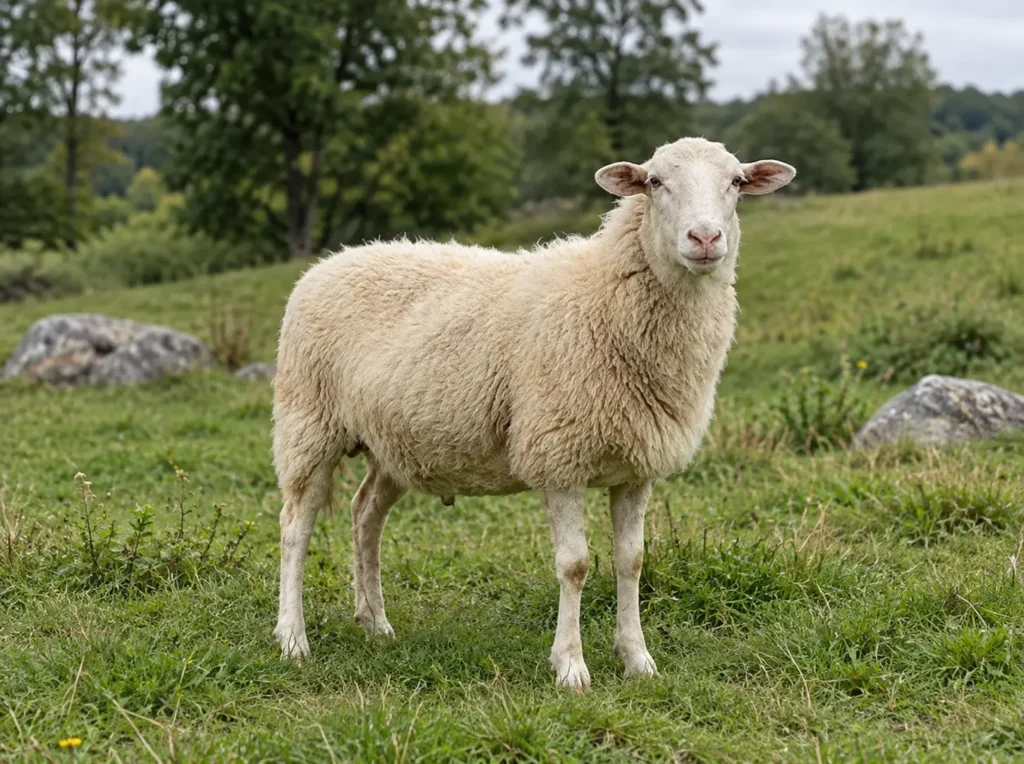
One big reason farmers choose Katahdin sheep is their coat. It grows thicker during cold weather. When the weather gets warm most of the coat falls off on its own. Most Katahdin sheep do not need regular shearing.
This saves time and money. Farmers do not need to hire someone to shear their sheep every year. They also do not need to store or handle large amounts of wool. This makes Katahdin sheep a good choice for small farms.
However these sheep still need daily care. Check their skin and coat for cuts or parasites. Look at their feet to make sure they can walk well. Keep their shelter dry and give them clean water every day.
Basic care includes:
- Check the flock every day for injuries or signs of illness.
- Keep their bedding and resting areas clean.
- Check their hooves and trim them when needed.
- Watch for parasites and treat them when needed.
- Provide shade and fresh water during hot weather.
Their coat helps them live in both warm and cold weather. But young lambs and sick sheep may need extra care during bad weather. A dry shelter and daily checks can help keep the flock healthy and comfortable.
Katahdin Sheep for Pasture Management and Grazing
Katahdin sheep do well on farms with good pasture. They eat grass and other plants while moving around the field. Good pasture can provide most of their daily food. This can help farmers spend less money on extra feed.
Sheep can also eat some unwanted plants and young weeds. This may help control plant growth in certain areas. However they do not eat every type of weed. Some plants can be harmful to sheep. Farmers should check which plants grow in their fields before letting sheep graze.
Rotational grazing is a good way to manage pasture. It means dividing the land into smaller areas and moving sheep from one area to another. This gives the grass time to grow again. It also helps stop sheep from eating all the grass in one place.
A good grazing plan should include:
- Divide the pasture into smaller areas when possible.
- Move sheep before they eat the grass too short.
- Give the grass enough time to grow again.
- Keep enough grass for the whole flock.
- Check the field for harmful plants and muddy areas.
Do not keep too many sheep in a small area. Too many sheep can damage the grass and leave the soil bare. This can also make parasite control harder. The number of sheep a field can support depends on the land and the amount of grass available.
Benefits of Raising Katahdin Sheep on a Farm
Katahdin sheep have many good qualities for farmers. They can live in different climates and farming systems. Their coat helps them stay comfortable in warm weather. It also grows thicker during cold weather. They are usually calm and easy to handle.
Their mothering ability is another big benefit. Ewes often give birth to twins and produce enough milk to feed their lambs. This can help farmers raise more lambs without bottle-feeding every newborn. However some ewes may need help if a lamb is weak or cannot feed properly.
Katahdin sheep can work well on small and large farms. A small farm can keep a few ewes for family meat and extra lamb sales. A large farm can raise bigger groups and use them for breeding. They also do well on farms with good pasture.
Many farmers choose Katahdins because they do not need regular shearing. This can save time and money each year. They also have some natural protection against parasites. However farmers still need to check their health and control worms.
Think about your farm goals before choosing this breed. Katahdin sheep are a good choice if you want to raise meat lambs and keep sheep on pasture. They may not be the best choice if you want to produce wool or large amounts of milk. Choosing the right breed can help your farm do well.
Final Thought
Katahdin sheep are mostly raised for meat and breeding. They produce lean meat and their mothers are good at caring for their lambs. Their coats shed naturally which makes them easier to care for than many wool sheep.
They can eat grass in open fields and are a good choice for small farms and large farms. Farmers must give them good food and clean water. They also need to check their sheep for signs of illness.
With good care Katahdin sheep can be a great choice for meat farms. They help farmers raise healthy lambs and save time on shearing.