The Holland Lop rabbit is a small rabbit breed with floppy ears and a round face. It has a compact body and soft fur. This makes it a popular pet for people who want a small rabbit. Holland Lops can be playful and friendly when they feel safe. However they are pets and should be handled with care.
Before bringing a Holland Lop home you should learn about its adult size and lifespan. You should also know what it eats and how much space it needs. A Holland Lop needs daily care and gentle handling. It needs plenty of hay and fresh water. It also needs enough space to move and play. Regular grooming and health checks are important too.
This guide explains the main features of the Holland Lop rabbit and how to care for one. It covers its personality and food needs as well as housing and common health problems. Whether you are a first-time rabbit owner or already have rabbits these simple tips can help you keep your pet safe and healthy.
Quick Overview
| Feature | Details |
| Breed type | Small domestic rabbit |
| Adult weight | Usually up to 4 pounds |
| Lifespan | Often around 7–10 years |
| Main feature | Drooping ears and a round head |
| Temperament | Often friendly and playful |
| Diet | Mostly grass hay with suitable greens and measured pellets |
| Grooming | Regular brushing and nail care |
| Exercise | Daily supervised time outside its enclosure |
| Best home | A calm and safe indoor space |
What Is a Holland Lop Rabbit?
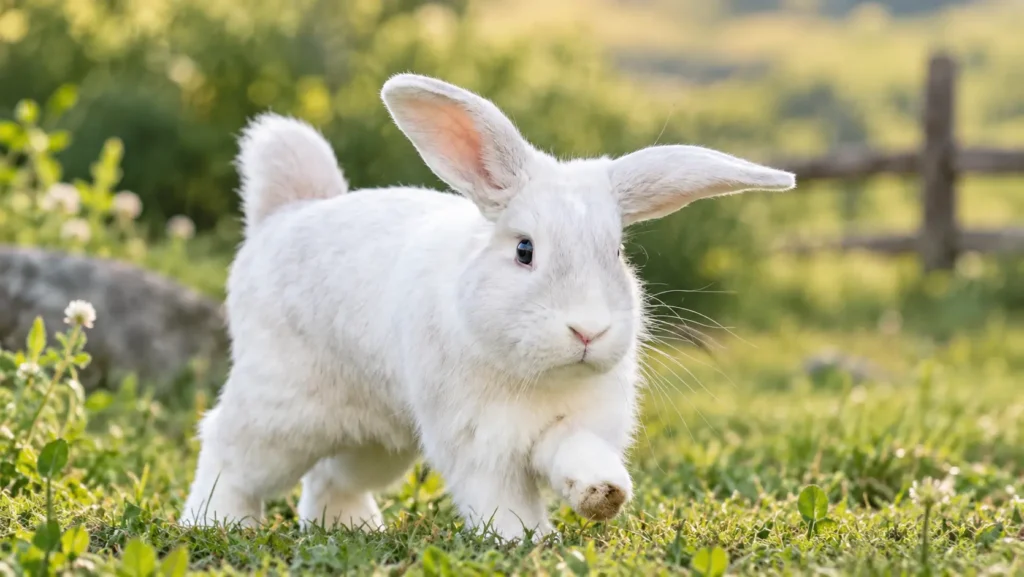
The Holland Lop is a small rabbit breed from the Netherlands. A breeder named Adriann de Cock created this breed by crossing French Lop rabbits with Netherland Dwarf rabbits. He wanted to make a smaller rabbit with floppy ears. The Holland Lop later became a recognized rabbit breed in the United States.
Appearance and Body Shape
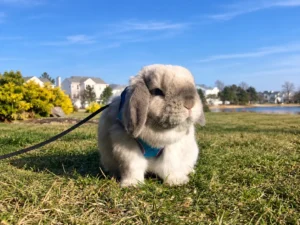
Holland Lops have short and compact bodies. Their heads are wide and round. They also have short noses. Their ears hang down beside their faces instead of standing up. These floppy ears make them easy to recognize.
Their coats are usually short and easy to care for. They do not need as much grooming as long-haired rabbits. Holland Lops come in many colors and patterns. Some have one solid color while others have a mix of colors.
Holland Lops may look small and cuddly but they are active animals. They need enough space to hop and stretch their bodies. They also have strong back legs. Owners should handle them gently and support their bodies properly.
Holland Lop Rabbit Size and Lifespan
Holland Lops are small rabbits. A healthy adult usually weighs up to about 4 pounds. Their small size makes them a good choice for indoor homes. Owners must provide a safe space and daily exercise. However a small rabbit still needs enough room to move around. It should not stay in a tiny cage all day.
How Long Do Holland Lop Rabbits Live?
Holland Lop rabbits usually live around 7–10 years with proper care. Some may live longer while others may have health problems that shorten their lives. Good food and a clean living space help them stay healthy. Regular vet visits can also help find health problems early.
A rabbit’s lifespan depends on more than its breed. Its diet and exercise are important too. Healthy teeth and good daily care can also help it live a longer life.
How to Help Your Rabbit Stay Healthy
Keep your rabbit at a healthy weight and give it fresh hay every day. Make sure it has enough space to move and explore safely. Watch how much it eats and check its droppings. Changes in eating or droppings can be early signs of illness.
Never pick up a Holland Lop by its ears or legs. Always support its chest and back legs when holding it. A scared rabbit may kick hard and hurt its back while trying to escape.
Holland Lop Rabbit Temperament and Personality
Holland Lop rabbits are often friendly and playful. They can feel safe around people when owners give them time to settle in. Some like to sit near their owners while others enjoy playing or exploring the floor. Every rabbit has its own personality. Not all Holland Lops like to be held.
Are Holland Lop Rabbits Good Pets for Families?
Holland Lop rabbits can be good family pets when people know how to care for them. A quiet home is often best because loud noises and rough handling can scare them. Children should always have an adult nearby when spending time with a rabbit.
Let your rabbit come to you instead of chasing it around its cage. Sit quietly on the floor and let it explore near you. You can also offer a small piece of safe leafy green. Give your rabbit time to learn that you are friendly and will not hurt it.
Do Holland Lops Like to Be Held?
Some Holland Lops enjoy being close to people. Others prefer sitting beside their owners instead of being picked up. Rabbits are prey animals so being lifted can make them feel scared.
When you need to pick up your rabbit use both hands to support its body. Keep its back legs secure and hold it close to your body. Never lift it by its ears or let its back legs hang freely. If it struggles place it gently on a safe surface. Do not hold it too tightly.
Spend time with your rabbit every day to build trust. Gentle play and quiet time can help your rabbit feel safe. Never force it to accept being held.
What Do Holland Lop Rabbits Eat?
A balanced diet is very important for Holland Lop care. Rabbits have a sensitive stomach and need plenty of fiber to digest food well. Their teeth also grow throughout their lives. Chewing hay helps keep their teeth at a healthy length.
Hay Should Be the Main Food
Good grass hay should be the main food for an adult Holland Lop. Timothy hay is a good choice. Keep fresh hay available all day. Replace it when it gets dirty or wet.
Hay helps rabbits digest food and keeps their teeth healthy. Rabbits that eat too little hay may develop tooth problems or stomach issues.
Add Greens and Pellets Carefully
Fresh leafy greens give rabbits extra nutrients and add variety to their diet. Introduce new greens slowly and watch their droppings for any changes. Rabbit pellets can provide extra nutrients. Feed the right amount based on your rabbit’s age and needs.
A simple feeding plan includes:
- Unlimited clean grass hay.
- Fresh drinking water every day.
- Leafy greens added slowly.
- A measured amount of plain rabbit pellets.
- Small pieces of fruit as an occasional treat.
Avoid giving your rabbit too many sugary treats or human snack foods. Do not change its diet suddenly. If your rabbit stops eating or produces much less poop then contact a vet quickly. Digestive problems can become serious if they are not treated.
Housing and Exercise Needs
Holland Lops need a safe place to live where they can rest and move around. A small cage is not enough for a healthy life. Choose a large enclosure with a solid floor and enough room for your rabbit to stand up and stretch. Add a hiding place where it can feel safe and relax.
Create a Safe Indoor Area
Many owners keep Holland Lops indoors. This helps them check their rabbit’s health and protect it from bad weather and wild animals. The living area should have fresh air and stay dry. Keep it away from strong drafts and direct heat.
Cover electric wires so your rabbit cannot chew them. Remove plants and other items that may harm your rabbit. Rabbits love to chew so give them safe chew toys and plenty of hay.
Give Daily Exercise Time
Holland Lops need daily playtime outside their enclosure. Use a safe room or a secure exercise pen. This gives your rabbit space to hop and explore. It also helps keep the rabbit active and healthy.
Try these simple activities:
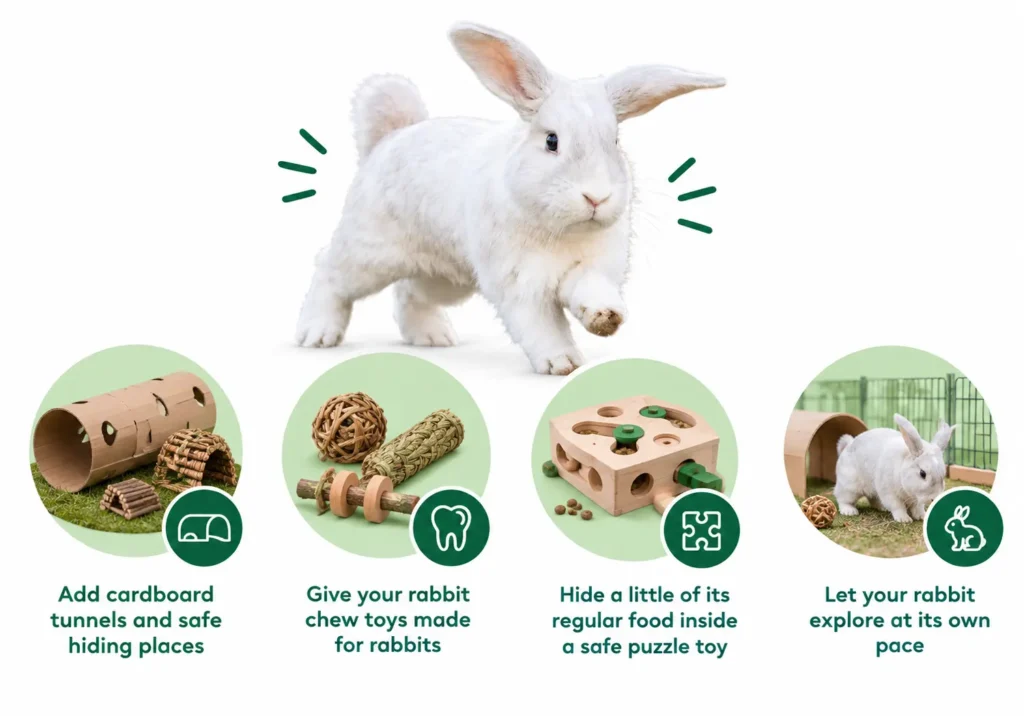
Check the play area before each play session. Keep other pets away or under control. Make sure your rabbit cannot escape or reach dangerous items. Daily exercise and play help prevent boredom and keep your rabbit at a healthy weight.
Grooming and Everyday Care
Holland Lops have short fur but they still need regular grooming. Brushing removes loose hair and helps you check their skin. Brush your rabbit once or twice a week. Brush it more often when it sheds a lot. Rabbits clean themselves so they do not need regular baths.
Check the Ears and Nails
Holland Lops have floppy ears so you should check them often. Look for redness or extra dirt inside the ears. Watch if your rabbit scratches its ears a lot or shakes its head. Never put cotton swabs or cleaning products deep inside the ears. Ask a vet to show you how to clean them safely.
Rabbit nails keep growing and need trimming. You may need to trim them every few weeks or every month or two. This depends on how fast the nails grow. If you do not know how to trim them ask a vet to show you the right way.
Keep the Living Area Clean
Remove dirty bedding and droppings often. Wash food bowls and water containers regularly. If your rabbit uses a litter box clean it often to keep the area fresh and comfortable.
Check your rabbit every day. Look at its eyes and nose and make sure its fur is clean. Check for new lumps or sore spots on its body. Daily checks can help you find health problems early.
Common Holland Lop Rabbit Health Problems
Holland Lop rabbits can live healthy lives with good care. But they may still have some health problems. Their floppy ears and short head shape mean you need to watch their ears and teeth. Like other rabbits they can also have stomach problems and sore feet.
Dental Problems
A rabbit’s teeth keep growing throughout its life. If the teeth do not line up well they may grow too long or wear down the wrong way. This can cause pain and make eating hard.
Watch for drooling or wet fur around the chin. Your rabbit may drop food or lose weight. Feeding plenty of hay helps keep the teeth worn down. But hay cannot fix every dental problem. Take your rabbit to a vet if you notice anything unusual.
Ear Problems
Floppy ears can make some ear problems harder to spot. Ear infections and ear mites may cause your rabbit to scratch its ears or shake its head. You may also see redness or unusual fluid in the ears. A tilted head or trouble keeping balance needs quick vet care.
Do not use human ear drops or home treatments without asking a vet. The right treatment depends on the cause of the problem.
Digestive Problems
Gastrointestinal stasis is a serious problem that slows down food movement through the digestive system. It can become life-threatening.
Watch for signs such as eating less or passing fewer droppings than normal. Your rabbit may also become quiet or sit in a hunched position.
If your Holland Lop stops eating or stops passing droppings contact a rabbit-experienced vet right away. Do not wait until the next day to see if your rabbit gets better.
Signs Your Holland Lop Needs a Vet
Rabbits often hide signs of illness. Even a small change in behavior can be a warning sign. Rabbits can become very sick before their symptoms are easy to see.
Contact a vet if you notice:
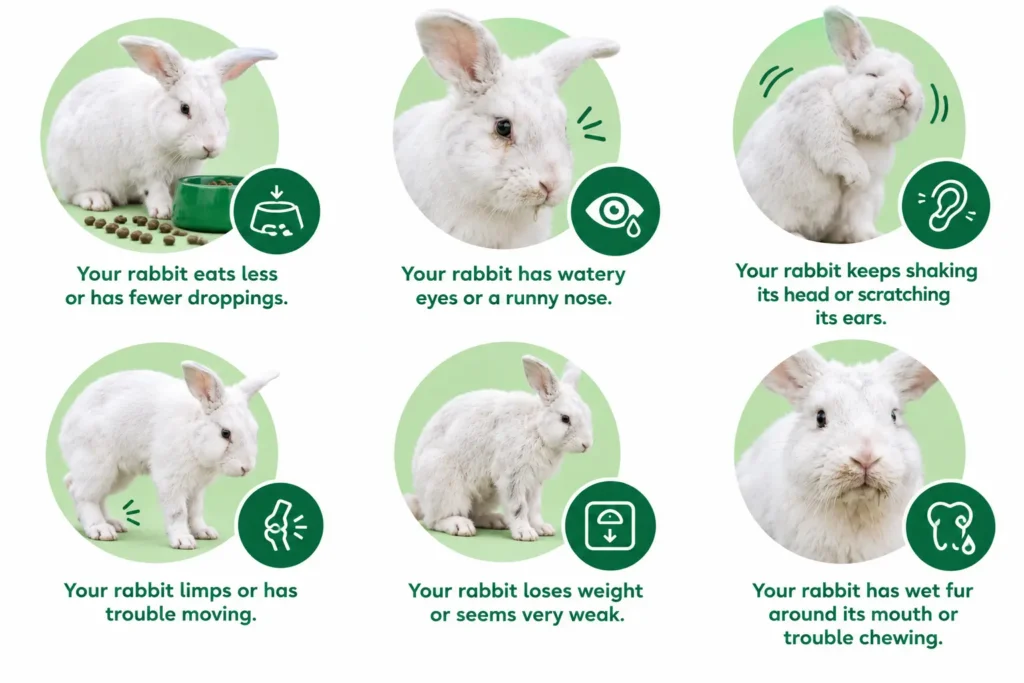
Breathing problems or severe weakness need urgent vet care. If your rabbit stops eating or stops passing droppings then get help right away. Digestive problems can become serious very quickly.
Regular vet visits are important even when your rabbit looks healthy. Ask a vet who knows rabbits to check your rabbit’s teeth. You can also ask about spaying or neutering. These steps can help you give your rabbit the right care based on its age and health.
Final Thought
The Holland Lop rabbit is a small and playful pet with floppy ears and a cute face. It can become a great friend when you help it feel safe. But it needs more than a small cage and rabbit food.
Give your rabbit plenty of hay and fresh water every day. Make sure it has enough room to move and play. Keep its home clean. Brush its fur and check its ears and teeth often. Watch how much it eats and check its droppings every day. Changes in eating or droppings can be signs of illness.
Handle your rabbit gently and spend time with it every day. Good care will help your Holland Lop stay healthy and enjoy a happy life in your home.