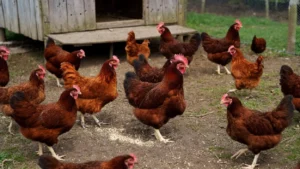
Feeding Rhode Island Red chickens the right amount every day helps them grow strong and stay healthy. These chickens are hardy and lay many eggs. They still need good food to stay active and healthy. Too little feed can slow their growth and lower egg production. Too much feed can waste money and make a mess in the coop.
The amount of feed depends on the chicken’s age and size. Chicks need food to grow well. Adult hens need enough energy and nutrients to lay eggs. Roosters also need good food to stay healthy. Weather and time spent outdoors can also affect how much feed they eat.
An adult Rhode Island Red usually eats about ¼ pound of feed each day. This is about 4 ounces or 110–115 grams. Some chickens may need a little more or less. The right amount depends on their needs and the type of feed you give them.
A good feeding plan includes the right food for each age group. Always provide clean water too. Measure the feed and watch your chickens every day. This will help you give them enough food and reduce waste.
Quick Overview of Daily Feed Needs
| Chicken group | Approximate daily feed amount |
| Chicks from 0–6 weeks | About 20–35 grams per chick as they grow |
| Young chickens from 6–12 weeks | About 35–60 grams per bird |
| Growing pullets from 12–20 weeks | About 60–85 grams per bird |
| Adult laying hens | About 100–120 grams per bird |
| Adult roosters | Around 100–120 grams as a starting guide |
| 5 adult chickens | About 500–600 grams total |
| 10 adult chickens | About 1–1.2 kilograms total |
| 20 adult chickens | About 2–2.4 kilograms total |
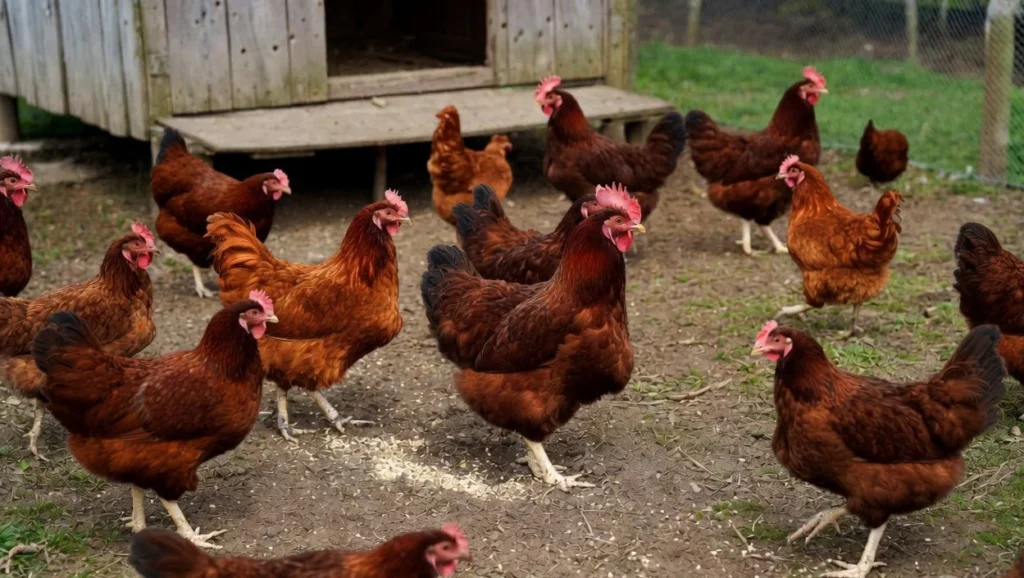
How Much Feed Does a Rhode Island Red Chicken Need Daily?
Most adult Rhode Island Red hens need about 100–120 grams of feed each day. This is around 3.5–4.2 ounces. Some chickens may need a little more depending on their size and activity level.
The right amount depends on what your chickens eat each day. Hens that roam outside may find bugs and greens to eat. However these foods may not give them all the nutrients they need. Always provide complete chicken feed to help them stay healthy.
Choose the Right Feed
Chickens need different types of feed as they grow. Laying hens need enough protein and calcium to produce eggs. Young chickens need nutrients for strong bones and healthy growth. Chicks should not eat layer feed because it contains too much calcium for their growing bodies.
Here is a simple feeding guide:
- Adult laying hens need about 100–120 grams of feed daily.
- Growing pullets need more feed as they get bigger.
- Chicks need starter feed to support healthy growth.
- Roosters need balanced feed that meets their needs without extra calcium from layer feed.
Always provide fresh water. Chickens need water to digest food and stay healthy. If your hens eat less than usual or lay fewer eggs then check their feed and living conditions. These changes may also be signs of a health problem.
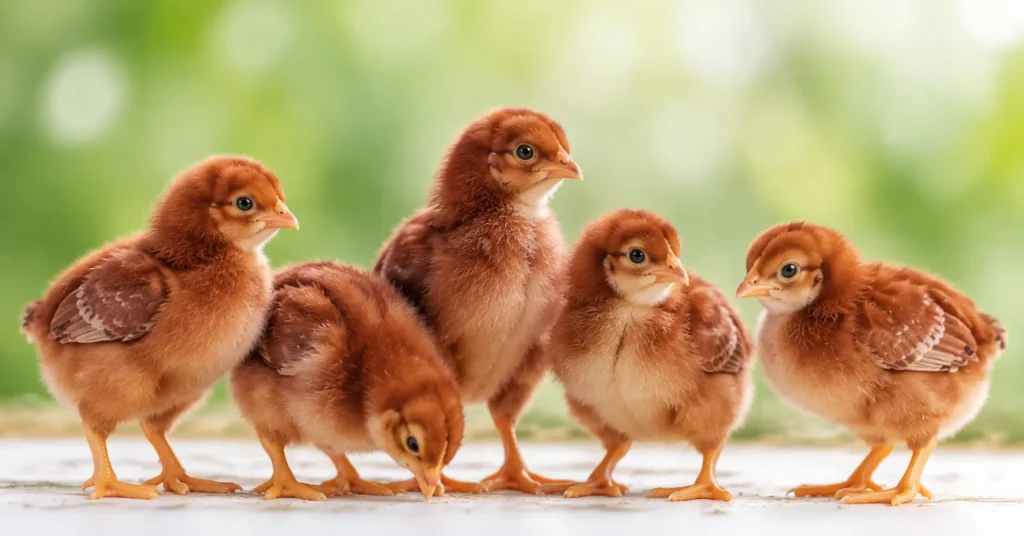
Daily Feed Needs by Age
Rhode Island Red chickens need different amounts of feed as they grow. Baby chicks eat small amounts at first. Older chickens need more food to build strong bodies. Adult hens need a balanced diet to stay healthy and lay eggs. Giving the right feed at each age helps your chickens grow well.
Chicks from 0 to 6 Weeks
Baby chicks need a complete chick starter feed. They eat small amounts at first but need more food as they grow. Keep starter feed available so every chick can eat when it feels hungry.
Use a shallow feeder that chicks can reach easily. Make sure they do not climb into the feeder or spill too much food. Always provide clean water near the feeding area.
Growing Chickens from 6 to 20 Weeks
At around 6 to 8 weeks many chickens can move from starter feed to grower feed. This feed helps them build strong bones and muscles. It also gives them the nutrients they need to grow.
Young chickens may eat around 35 to 60 grams of feed each day. Older growing chickens may need around 60 to 90 grams daily. The amount depends on their age and size. Follow the feed label and watch how well your chickens grow.
Adult Hens and Roosters
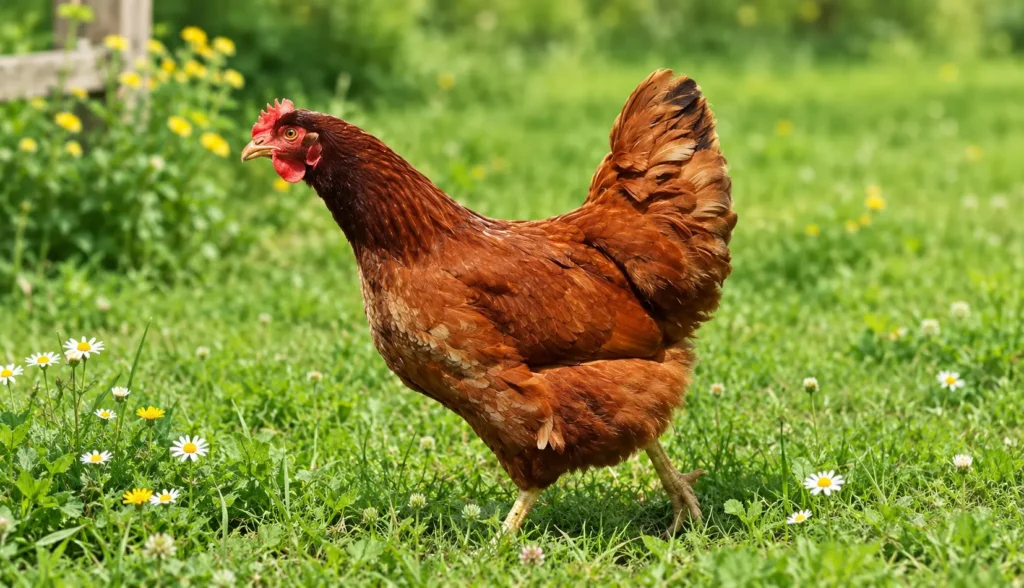
Pullets can start eating layer feed when they begin laying eggs. This often happens at around 18 to 20 weeks of age. Adult Rhode Island Red hens usually eat about 100 to 120 grams of feed each day.
Roosters do not need the extra calcium found in layer feed. If you keep roosters and hens together then an all-flock feed may be a good choice. You can offer oyster shells in a separate dish for laying hens. This gives them extra calcium when they need it.
| Age or group | Approximate daily amount |
| Chicks in the first weeks | Small amounts that increase as they grow |
| Growing birds around 6–12 weeks | About 35–60 g |
| Older pullets around 12–20 weeks | About 60–90 g |
| Adult laying hens | About 100–120 g |
| Adult roosters | Often around 100–120 g |
How to Calculate Feed Amounts for Different Flock Sizes
Once you know how much one chicken eats each day you can work out how much feed your whole flock needs. This helps you plan your feed budget and make sure you do not run out of feed.
For adult Rhode Island Red chickens you can use 110 grams per bird each day as a starting point. Multiply this amount by the number of chickens you have.
Daily feed formula:
Number of chickens × Feed per chicken = Total daily feed
| Flock Size | Daily Feed | Feed for 7 Days |
| 5 chickens | 550 g | 3.85 kg |
| 10 chickens | 1.1 kg | 7.7 kg |
| 15 chickens | 1.65 kg | 11.55 kg |
| 20 chickens | 2.2 kg | 15.4 kg |
| 25 chickens | 2.75 kg | 19.25 kg |
| 50 chickens | 5.5 kg | 38.5 kg |
These amounts are estimates. Your chickens may eat more or less depending on their age and needs.
Example for a Mixed-Age Flock
Suppose you have 10 adult hens and 5 growing pullets. Each adult hen eats about 110 grams of feed per day. Each growing pullet eats about 75 grams per day.
Here is the calculation:
- 10 adult hens × 110 g = 1,100 g.
- 5 growing pullets × 75 g = 375 g.
- Total daily feed = 1,475 g or about 1.5 kg.
Always calculate feed for each age group separately. Chicks and adult hens need different amounts of food. If you have roosters or young chickens in your flock include their feed needs in your total as well.
How to Reduce Feed Waste in Rhode Island Red Chickens
Feed waste can cost you extra money even when you give your chickens the right amount of food. Chickens like to scratch the ground and peck at things. They may throw feed out of the feeder if it is too low or too full. Wet or dirty feed can also become unsafe to eat.
Set Up Feeders the Right Way
Place feeders at a height that makes eating easy for your chickens. The feeder opening should be near the level of their backs or chest area. Raise the feeder as your chicks grow. Choose a feeder that fits your flock and gives all birds enough space to eat.
Do not fill the feeder to the top. Keep it under a roof or inside the coop to protect the feed from rain. These simple steps can help keep feed clean and reduce waste.
Store Feed in a Safe Place
Keep chicken feed in a dry container with a tight lid. This helps keep out water and pests such as mice and rats. Store the container away from leaks and damp areas. Check the feed before using it. Throw away any feed that smells bad or shows signs of mold.
Here are some easy ways to reduce feed waste:
- Use a feeder that fits your chickens.
- Do not fill the feeder to the top.
- Remove wet or spoiled feed.
- Keep mice and wild birds away from stored feed.
- Check how much feed is left each day.
Do not give your chickens less food just to save money. First check if they are spilling feed or if pests are eating it. Rhode Island Red chickens still need enough healthy feed every day.
Best Feeding Schedule and Tips for Healthy Rhode Island Red Chickens
Rhode Island Red chickens need a simple feeding routine to stay healthy. They should get enough balanced feed every day. Some chicken keepers leave feed in a feeder during the day. Others give measured amounts in the morning and later in the day. Both methods can work if every chicken gets enough food.
Feed at Regular Times
Try to feed your chickens at the same time each day. Watch them while they eat to make sure every bird gets enough food. Some chickens may push weaker birds away from the feeder. Use enough feeders so all your chickens can eat easily.
Chicks need starter feed throughout the day. Growing chickens need grower feed to support healthy growth. Hens should get layer feed when they begin laying eggs. Always provide clean drinking water.
Give Treats in Small Amounts
Rhode Island Red chickens enjoy fresh greens and small treats. They may also find bugs and seeds when they roam outside. These foods can add variety to their diet but they should not replace their regular feed.
Too many treats can fill their stomachs without giving them all the nutrients they need. Give treats in small amounts and make sure complete poultry feed remains their main food. Even chickens that roam outside need a balanced diet.
Check Your Chickens Every Day
Feed amounts are only a guide. Watch your chickens to make sure they are growing well and staying healthy.
Look for these signs:
- Young chickens grow at a steady rate.
- Adult chickens maintain a healthy body weight.
- Chickens eat well and stay active.
- Hens lay eggs with strong shells.
- Feeders stay clean with little spilled food.
If a chicken stops eating or loses weight then check for possible health problems. Stress and bullying can also affect how much a chicken eats. Contact a poultry vet if your chicken stays sick or shows worrying signs.
Final Thought
Most adult Rhode Island Red hens eat about 100–120 grams of feed each day. Young chickens need less feed at first. They need more as they grow. The right amount depends on their age and size and the type of feed they eat.
Measure the feed for each age group to plan how much your flock needs. Keep feeders clean and at the right height to stop feed waste. Give chicks starter feed and young chickens grower feed. Give laying hens layer feed. Fresh water and a balanced diet will help your Rhode Island Red chickens stay healthy and grow well.