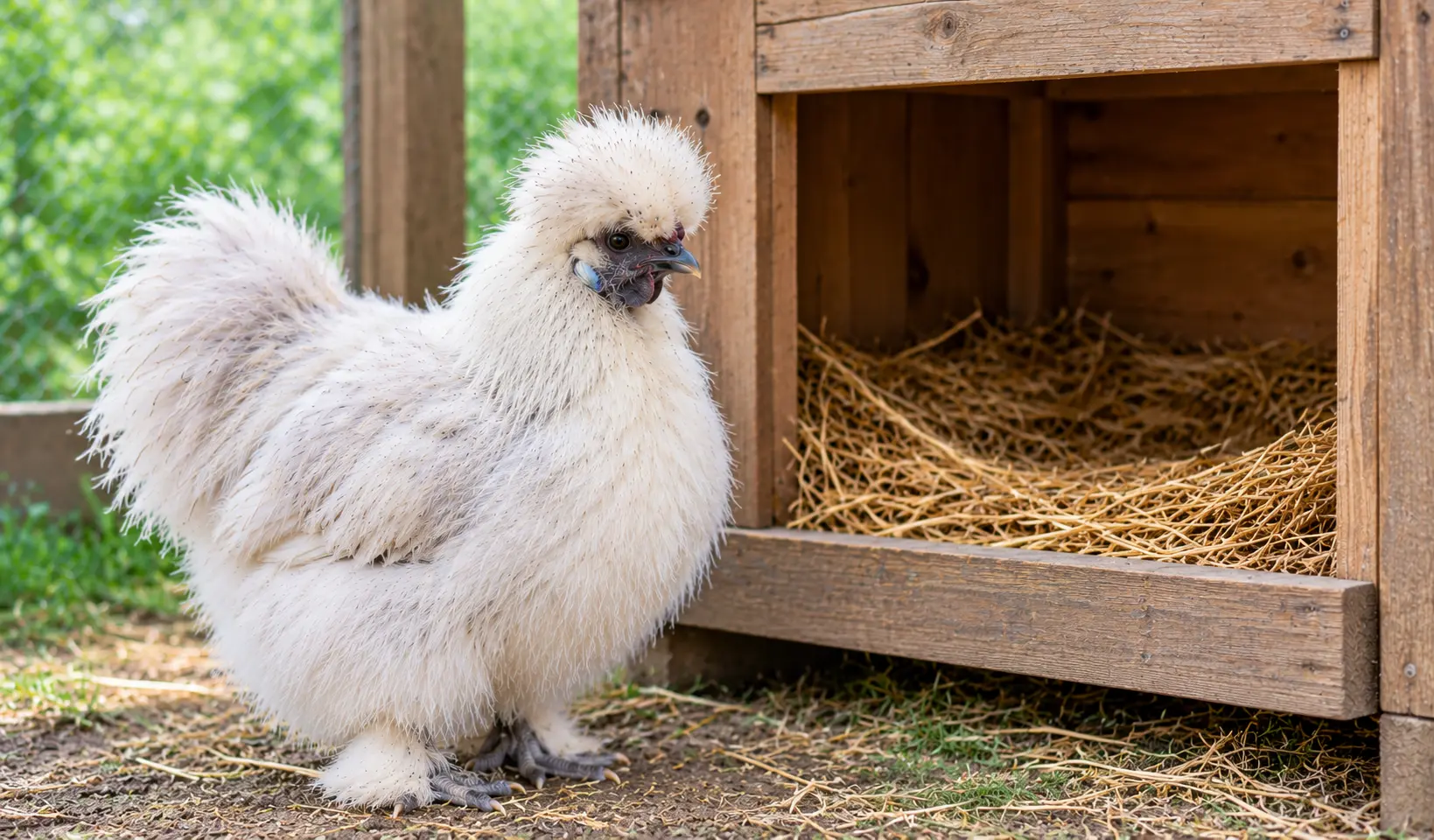

Rhode Island Red chickens are popular with people who keep chickens at home. They are strong birds and lay many eggs. If you are raising young hens you may wonder when you will find the first brown egg in the nest. Most Rhode Island Reds start laying eggs when they grow well and get the right care.
Most Rhode Island Red pullets start laying eggs at 18 to 22 weeks of age. Some start earlier while others may take 24 weeks or more. A pullet is a young female chicken that is not fully grown yet. The age when she starts laying depends on her genes and food. Her health and daylight hours also play a part.
Age is not the only sign that a hen is ready to lay eggs. Her comb may turn bright red. She may start looking for a nesting box or lower her body when you come near her. These signs show that her body may be getting ready to lay eggs.
You can help your hens grow well by giving them good feed and clean water. They also need a safe coop and a clean place to lay eggs. You cannot make a young hen lay eggs before her body is ready. Good care helps her grow at a healthy pace and may prevent delays.
This guide explains when Rhode Island Reds start laying eggs and how to tell when they are ready. You will also learn what can affect their laying age and what to expect from their first eggs.
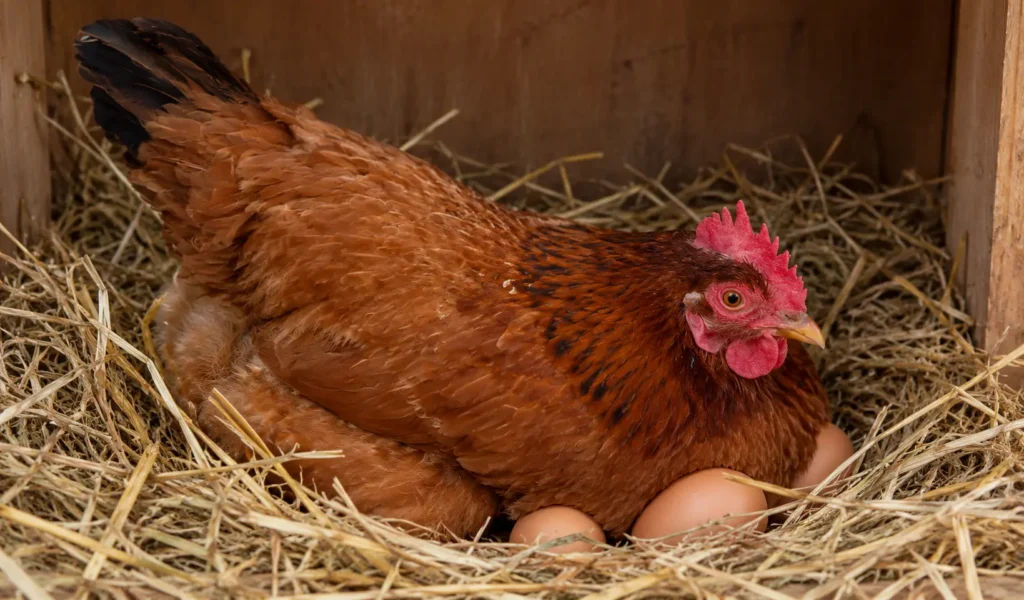
Most Rhode Island Red hens lay their first egg at 18 to 22 weeks of age. This is about four and a half to five and a half months. Some hens start at 16 weeks while others may take 24 weeks or longer. A late start does not always mean there is a problem.
A hen starts laying when her body is ready to produce eggs. Good food and healthy growth help her reach this stage. However each hen grows at her own speed.
Here is a simple guide to what you might see as your Rhode Island Reds grow.
Age | What May Happen |
8–12 weeks | The pullet is still growing and developing feathers and body strength. |
13–16 weeks | Her body continues to mature, but most birds are not ready to lay yet. |
17–19 weeks | Early-maturing pullets may begin showing signs of readiness. |
18–22 weeks | Many Rhode Island Reds lay their first eggs during this period. |
23–24 weeks | Later-maturing pullets may begin laying. |
25 weeks and older | Check diet, health, daylight, and stress if no eggs appear. |
Your hen may show a few signs when she is getting ready to lay her first egg. These signs do not mean she will lay an egg the next day. They show that she may be getting close to laying age.
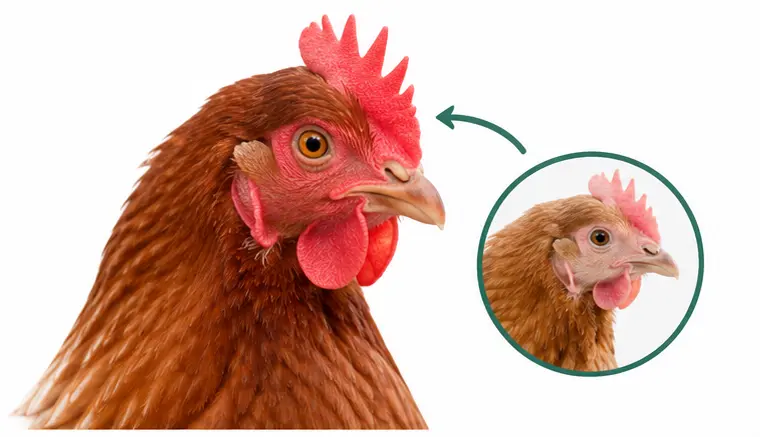
The comb is the soft part on top of a chicken’s head. The wattles are the soft parts that hang below her beak. As a young hen gets closer to laying eggs these parts often become bigger and brighter red.
Young hens usually have small and pale combs. A bright red comb can be a sign that her body is getting ready to lay eggs. However this sign alone does not mean she is ready.
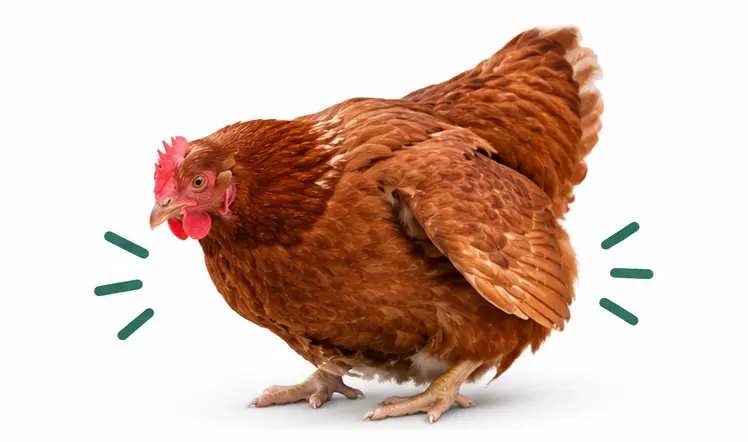
A young hen may lower her body when you walk near her or reach toward her. She may bend her legs and hold her wings slightly away from her body.
This behavior is a sign that she is reaching maturity. Some hens show this sign while others may not.
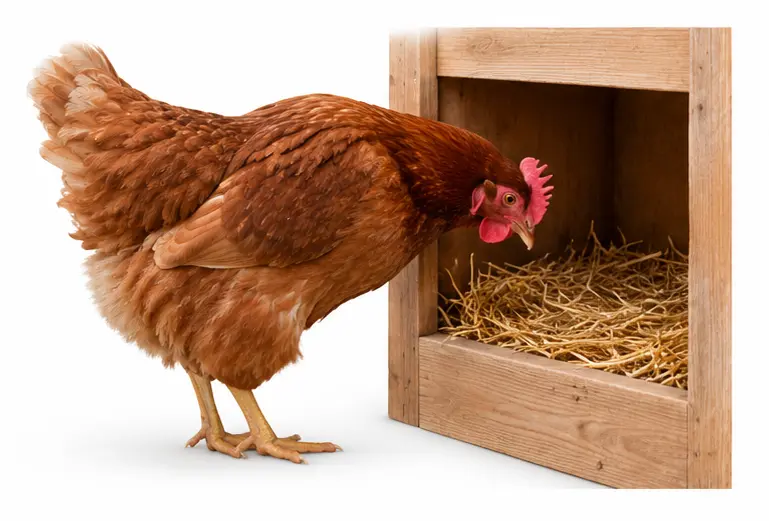
Your hen may start visiting the nesting boxes more often. She may scratch the bedding or sit in a quiet corner of the coop. She may also return to the same spot several times.
Keep the nesting boxes clean and fill them with dry straw or other safe bedding. Place them in a quiet area where your hens feel safe.
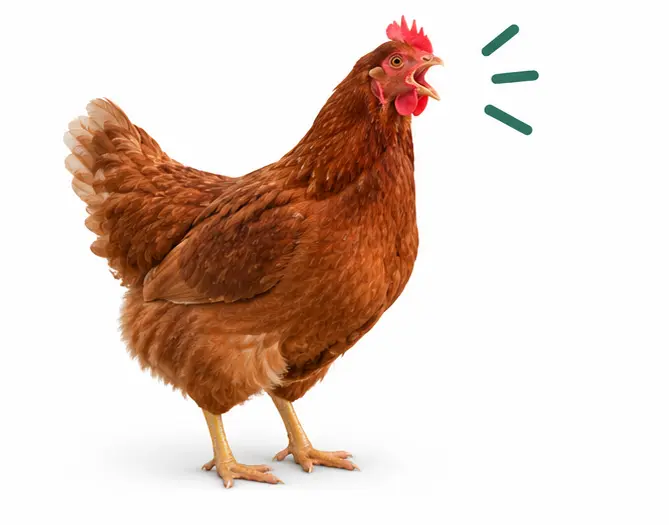
Some young hens become more vocal as they get closer to laying age. Others may spend more time looking for quiet places to sit.
Every hen is different. Look for several signs together instead of relying on just one. A red comb and squatting behavior along with visits to the nesting box can mean your hen is getting close to laying her first egg.
Several things can affect when Rhode Island Reds start laying eggs. Their genes and growth play a big role. Their food and living conditions also matter.
Some Rhode Island Reds start laying eggs earlier than others. This depends on their genes and how well they grow. A pullet that grows well may start laying sooner than one that grows slowly.
Do not try to make your hen grow faster by giving her too much food or too many treats. She needs time to grow and become ready to lay eggs.
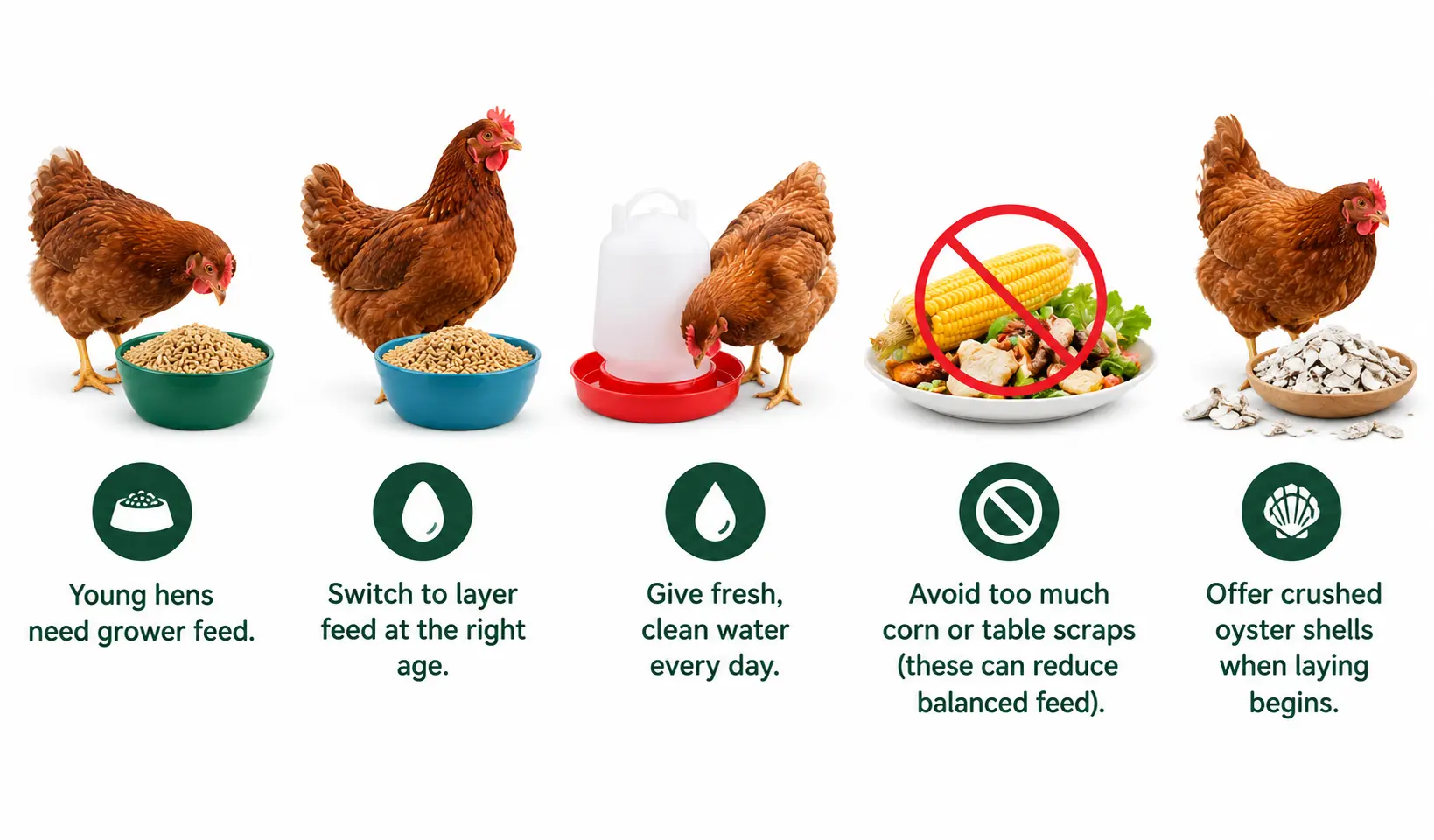
Young hens need good food to grow well. Their diet should have enough protein, vitamins minerals and energy. Poor food can slow their growth and delay their first egg.
Give young pullets feed that is made for their age. When they get close to laying age switch them to layer feed at the right time. Layer feed has extra calcium to help hens make strong eggshells. Do not give it too early because young pullets need a different balance of nutrients.
Daylight helps control egg production in hens. When the days get shorter in fall and winter some pullets may take longer to start laying eggs.
A hen may reach 18 to 22 weeks of age and still not lay her first egg. This can happen because she is not getting enough daylight. Give your hens a steady daily routine and allow them to grow at their own pace.
Sick hens may take longer to start laying eggs. Parasites poor housing and too many birds in one space can also slow their growth. Hot weather may cause hens to eat less and feel stressed.
Give your hens enough space and keep their coop clean and well ventilated. Make sure they always have fresh water and good feed. Protect them from predators and avoid sudden changes in their daily routine.
Watch how your hens eat and behave each day. These simple steps can help them stay healthy and get ready to lay eggs.
You cannot make a young hen lay eggs before she is ready. However you can help her grow well by giving her good food, clean water and a safe place to live.
Good food helps young hens grow and get ready to lay eggs. Make sure every bird has enough feed each day.
Calcium helps hens make strong eggshells. Good feed also helps their bodies stay healthy and supports egg production.
A clean and safe coop helps hens feel secure. Give them dry bedding fresh air enough space and protection from predators.
Keep their feeders and waterers clean. Make sure every hen can reach the food and water without being pushed away by other birds.
Set up nesting boxes before your hens start laying. One nesting box for every four hens is a good starting point. Place the boxes in a quiet area and keep the bedding clean and dry.
Daylight plays an important role in egg production. Hens may lay fewer eggs when the days become shorter in fall and winter.
If you want your mature hens to keep laying throughout the year you can use artificial light to provide about 14 to 16 hours of total light each day. Increase the light slowly and keep the schedule regular.
Make sure your hens still have a dark period to rest. Do not use extra light to force young hens to lay before they are ready.
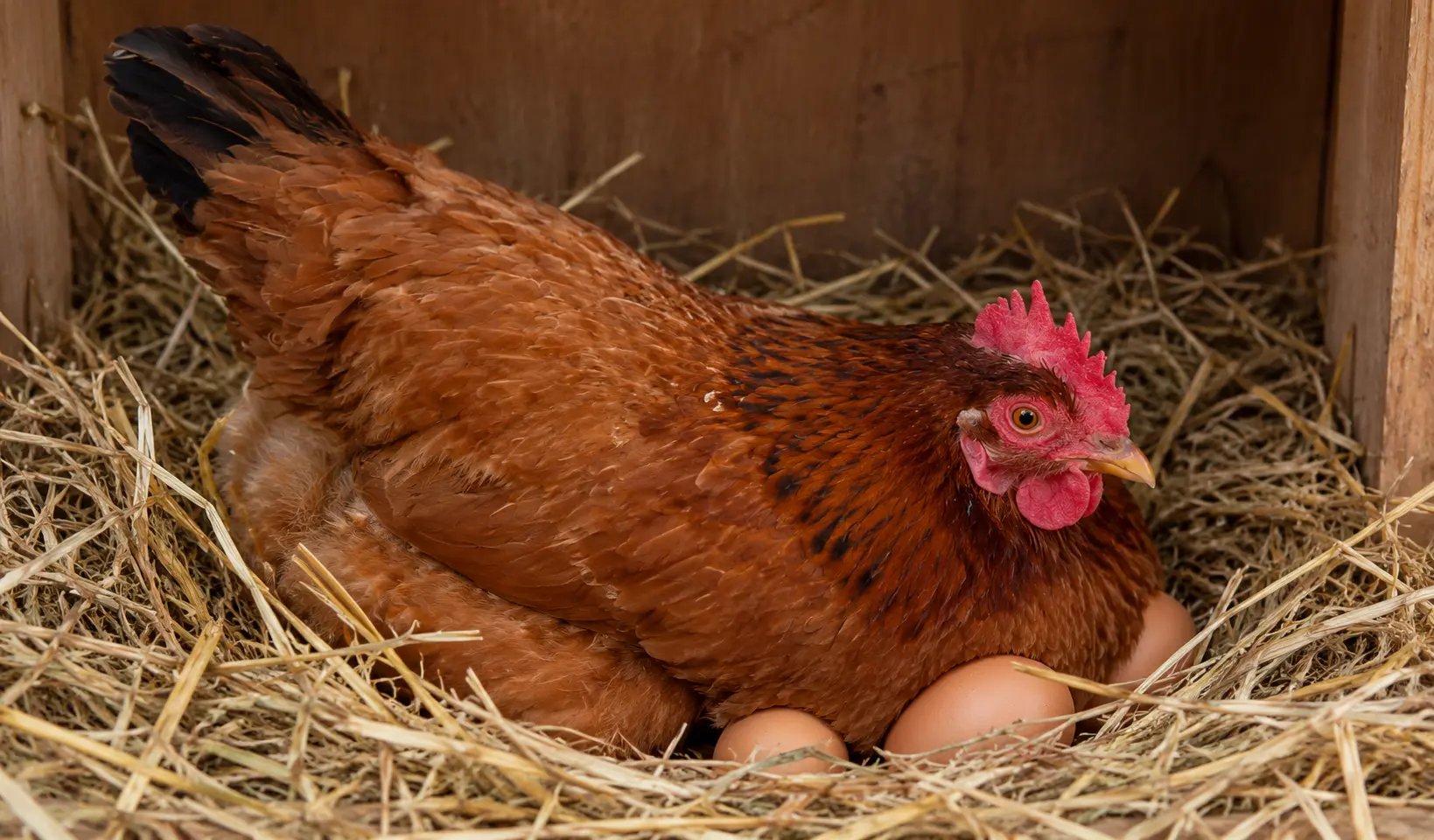
The first egg is an exciting moment for any chicken owner. However the first eggs may look different from the eggs your hen will lay later. Young hens need time to develop a regular laying routine.
A young hen often lays smaller eggs at first. These are called pullet eggs. They may also have different shapes or thinner shells while her body is still developing.
As the hen grows older her eggs usually become larger. Small first eggs are normal and do not always mean there is a problem.
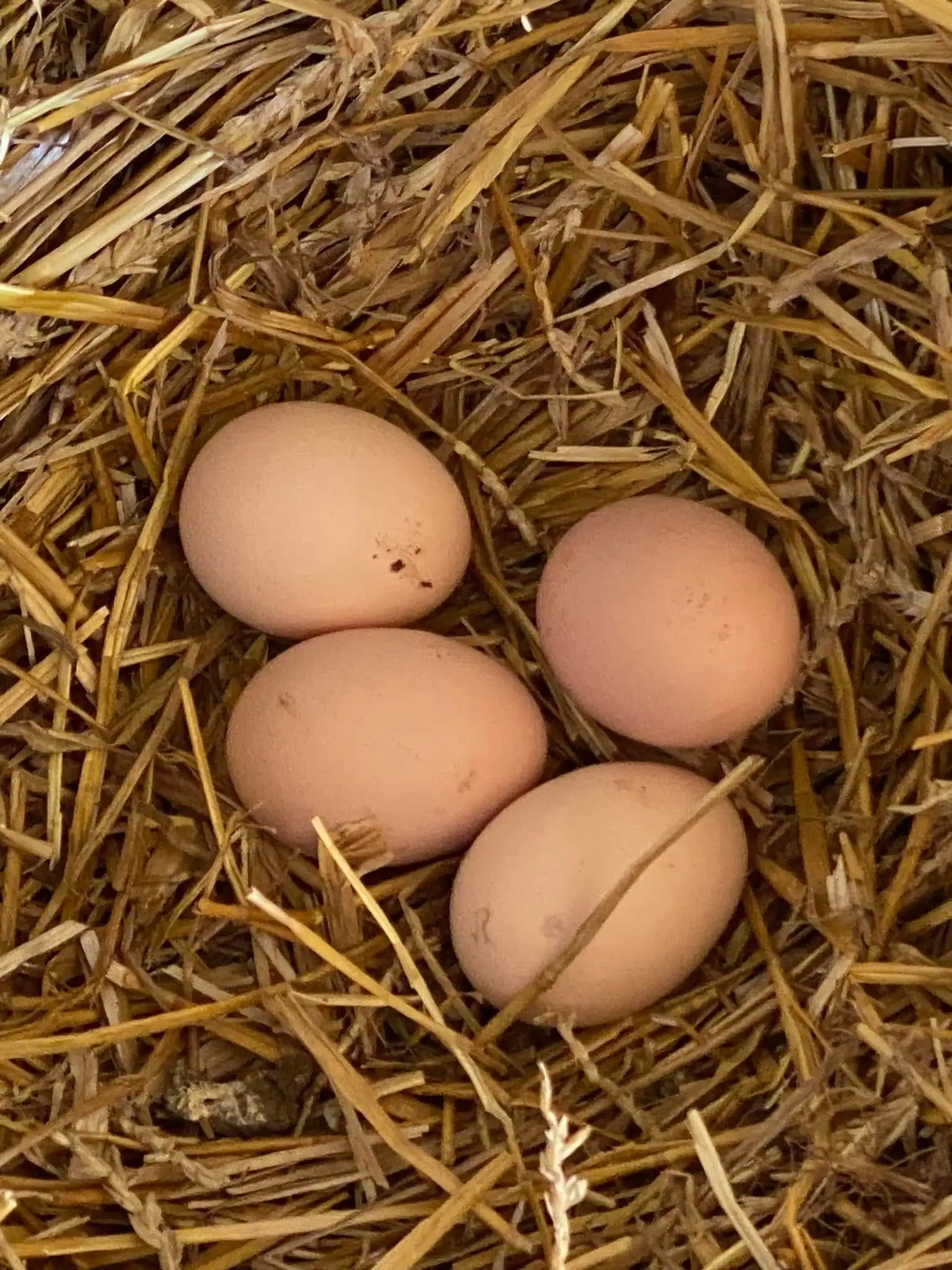
Rhode Island Reds usually lay brown eggs. The color may range from light brown to dark brown.
Egg color does not tell you how healthy or nutritious an egg is. Good feed and proper care help hens produce healthy eggs.
A young hen may lay one egg and then skip a day or two before laying again. This is normal for many pullets as they develop a regular laying routine.
Healthy Rhode Island Reds can lay about 250 to 300 eggs per year under good conditions. The number depends on their age and health as well as their diet and daylight hours.
Yes. Some Rhode Island Red pullets may lay their first egg at 16 weeks. However most start laying at 18 to 22 weeks. Every hen grows at her own pace so some may take longer.
Some hens may take longer than six months to lay their first egg. Short daylight hours and poor nutrition can delay egg laying. Make sure your hen gets good feed and clean water. If she looks sick or weak ask a poultry vet for help.
Rhode Island Reds can lay eggs often but they may not lay an egg every day. Young hens may skip some days while their bodies adjust to laying. Their egg production also depends on their age and health.
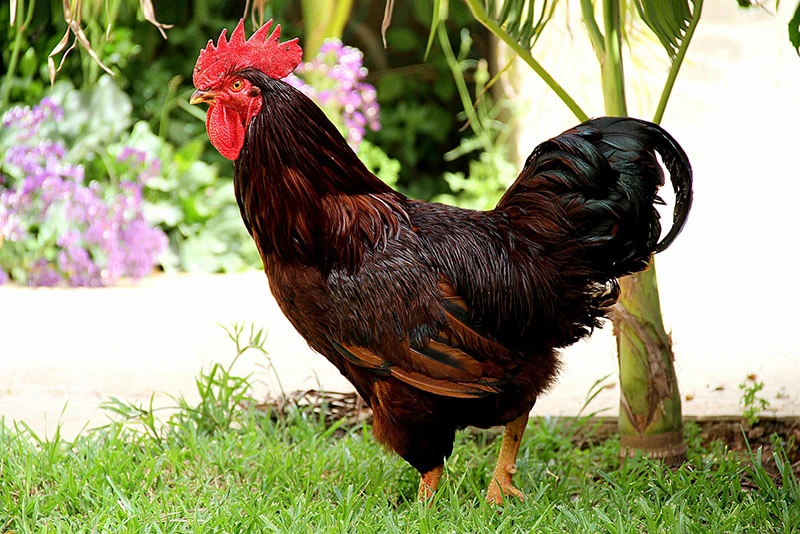
No. A hen can lay eggs without a rooster. However the eggs will not hatch into chicks unless they are fertilized. A rooster is only needed if you want to hatch chicks from your eggs.
Rhode Island Reds usually start laying eggs at 18 to 22 weeks old. Some hens start earlier while others need more time. A red comb and an interest in nesting boxes can show that your hen is getting ready to lay eggs.
Give your hens good feed and clean water. Keep their coop safe and make sure they get enough daylight. Do not rush them because every hen grows at her own speed.
With good care and patience your Rhode Island Reds can grow into healthy hens and lay plenty of brown eggs for your family.