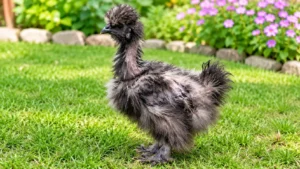
Silkie chickens have soft and fluffy feathers. Their feathers give them a unique look that makes them different from other chicken breeds. So when a Silkie starts losing feathers it can worry its owner. You may notice bare spots on its neck or back. Some chickens may also lose feathers around their tail or under their wings.
Feather loss does not always mean there is a problem. Chickens naturally lose old feathers and grow new ones. This process is called molting. But feather loss can also happen because of mites or lice. Other causes include pecking from other chickens and poor food and stress or skin problems.
The best way to find the cause is to watch when the feather loss starts and how your chicken behaves. A healthy Silkie that slowly loses feathers may be going through a normal molt. But a chicken with itchy skin or red spots or wounds may need extra care.
This guide explains why Silkie chickens lose feathers. You will also learn how to spot the difference between normal molting and a health problem. Plus you will find simple ways to help your Silkie stay healthy while its new feathers grow.
Quick Overview: Silkie Chicken Feather Loss
| Cause | Common Signs |
| Normal molting | Old feathers fall out and new pin feathers appear |
| Mites | Itching and feather damage |
| Lice | Small insects or eggs near feather bases |
| Pecking | Missing feathers around the back or tail |
| Poor diet | Weak feather growth and slow recovery |
| Stress | Sudden changes in feather condition |
| Skin problems | Redness scabs or irritated skin |
Normal Molting in Silkie Chickens: When and Why It Happens
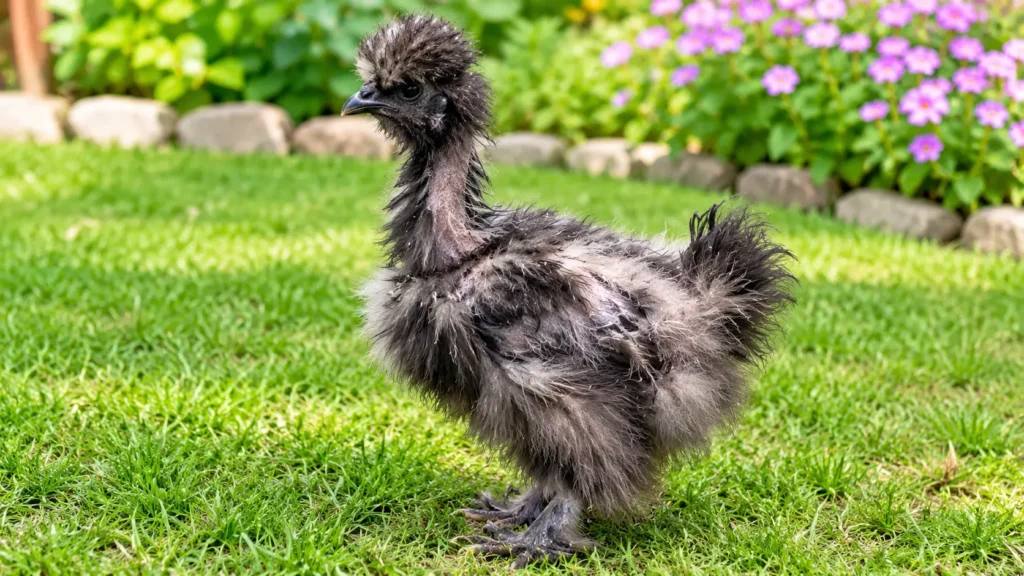
Molting is one of the main reasons a Silkie chicken loses feathers. It is a natural process where a chicken drops its old feathers and grows new ones. Feathers get old and worn out over time. Molting helps the chicken replace them with fresh feathers.
Most adult chickens molt once a year. This usually happens in fall when the days become shorter. However the timing can change with the weather and the chicken’s age. Young Silkies may also lose a few feathers as they grow. This does not always mean they are going through a full molt.
During molting you may notice:
- Loose feathers around the coop or under the roost.
- Small bare spots on the body.
- New pin feathers growing through the skin.
- Less egg production or a short break from laying.
- A chicken that seems quieter than usual.
Pin feathers are new feathers that look like small pointed tubes. They may have a soft cover while they grow. These feathers can be sensitive. Try not to handle your Silkie too much during this time because rough handling can hurt the new growth.
A full molt usually takes several weeks. Some chickens may need 8 to 12 weeks to grow their feathers back. The time can vary based on the chicken and its health.
Does Every Silkie Molt at the Same Age?
No. Every Silkie is different. Some may lose a few feathers when they are young. Others may not have a clear molt until they become adults. A Silkie can also lose feathers outside the usual molting season. But you should check for other possible causes before deciding that it is normal.
Common Reasons for Feather Loss in Silkie Chickens
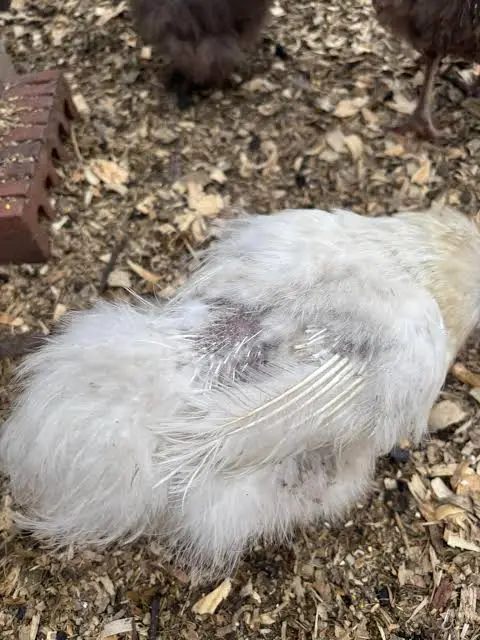
Molting is not the only reason a Silkie chicken loses feathers. Other chickens or poor living conditions can also cause feather loss. Look at the bare areas on your chicken to help find the reason.
1. Feather Picking and Bullying
Chickens sometimes pull out their own feathers or the feathers of other birds. This is called feather picking. It can happen when chickens feel crowded or stressed. Boredom and poor food can also make this behavior worse.
Check the back and tail of your Silkie for missing feathers. You may also notice red skin or small wounds. Sometimes other chickens start pecking a bird after they see one flock member doing it.
Here are some ways to prevent feather picking:
- Give your chickens enough space to move around.
- Keep more than one feeder and waterer in the coop.
- Keep the coop clean and fresh.
- Give your chickens safe things to explore such as leafy greens.
- Watch for chickens that bully or attack others.
If other chickens keep pecking an injured Silkie move it to a safe place. Let its skin heal and check for signs of infection.
2. Poor Nutrition
Feathers need protein and other nutrients to grow. If your Silkie does not get enough nutrients its feathers may become weak. It may also take longer for new feathers to grow.
Give your chickens complete feed that meets their age and needs. You can offer seeds and vegetables as treats but do not let them replace the main feed. Too many treats can fill your chicken’s stomach without giving it all the nutrients it needs.
3. Broodiness
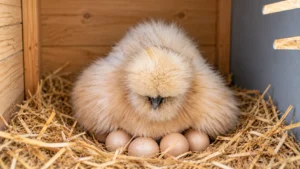
A broody Silkie hen wants to sit on eggs and hatch chicks. During this time she may lose feathers from her chest or belly. This helps her keep the eggs warm with her body.
You may find loose feathers in her nesting box. This can be normal for a broody hen. Make sure she still gets up to eat and drink every day. A hen that spends too much time in the nest may need extra attention to stay healthy.
4. Rooster Mating
A rooster may grab a hen’s neck or back feathers when mating. This can cause broken feathers or bare patches over time. If you keep a rooster with your Silkies watch for rough mating and skin injuries.
If you notice repeated feather loss check the hen for wounds. Make sure the rooster is not hurting her. Separate them if the mating causes serious damage.
Feather Loss Caused by Mites Lice and Other Parasites
Tiny parasites can cause a Silkie to lose feathers even when it is not molting. Mites and lice can live on chickens or hide in their coop. They can irritate the skin and make chickens feel itchy.
A chicken with mites or lice may scratch its body often. It may also shake its feathers or peck at its skin. Too much scratching can damage the feathers and leave bare spots on the body.
How to Check for Mites and Lice
Hold your Silkie gently and move its feathers to check the skin. Look around the vent and under the wings. Also check near the base of the feathers.
Watch for these signs:
- Tiny insects moving on the skin or feathers.
- Small white eggs attached to feather shafts.
- Red or itchy skin.
- Scabs or damaged feathers.
- Frequent scratching and feather shaking.
Some mites hide in the cracks of the coop during the day. They may come out at night to feed on chickens. If you do not find mites on your Silkie then check the roosts and nesting boxes. Also inspect your other chickens because parasites can spread through the flock.
What Should You Do About Parasites?
First check your Silkie and its coop carefully. Remove dirty bedding and clean the nesting boxes and roosts. Wash the feeders and waterers as well. Keep the coop clean and dry.
If you find mites or lice use a poultry treatment that is safe for chickens and works against the parasite you found. Follow the directions on the label. Some treatments need to be used again after a certain time to deal with newly hatched parasites.
Cleaning the coop is also important because some mites can hide in cracks and come back later. Do not use random chemicals or household bug sprays on your chickens. If you are not sure which treatment to use ask a poultry veterinarian for help.
How to Tell if Feather Loss Is Normal or a Health Problem
The number of lost feathers is not the only thing you should check. Look at your Silkie’s skin and behavior too. A chicken going through normal molting usually stays active and keeps eating and drinking.
The signs below can help you understand if your Silkie is molting or has a health problem.
| What You Notice | What It May Mean |
| Loose feathers and new pin feathers | Normal molting |
| Small bare patch on the belly of a broody hen | Getting ready to sit on eggs |
| Missing feathers and red skin | Pecking or skin irritation |
| Frequent scratching | Mites or lice |
| Bald spots and scabs | Skin injury or parasites |
| Weakness and less interest in food | Possible health problem |
| Slow feather growth | Poor diet or health issue |
Signs That Need More Attention
Normal molting should not make your Silkie very weak. Your chicken should still eat and drink. It should also move around and act as usual.
Watch for these warning signs:
- Open wounds or bleeding skin.
- Swelling or pus around the damaged skin.
- Eating less than usual.
- Losing weight or feeling very weak.
- Pale skin or comb.
- Trouble standing or walking.
- Constant scratching.
These signs may mean your Silkie has a health problem. Contact a poultry vet if your chicken looks sick or its condition gets worse. Do not wait for new feathers to grow if your bird has wounds or serious symptoms.
How to Help a Silkie Chicken Regrow Feathers and Stay Healthy
New feathers take time to grow. You cannot make them grow overnight. But good care can help your Silkie stay healthy during molting and protect its new feathers.
1. Give Your Silkie Good Feed
Feed your Silkie a balanced chicken feed that matches its age. New feathers need protein to grow well. Always keep the feed fresh and store it in a dry place.
Do not give too many treats or homemade food mixtures. They may not provide all the nutrients your chicken needs.
2. Provide Clean Water
Your Silkie needs fresh water every day. Check the waterer and refill it when needed. Clean it often to keep dirt and waste away.
3. Keep the Coop Clean and Safe
A clean and dry coop helps protect your Silkie’s skin and feathers. Keep the bedding dry and make sure fresh air can move through the coop.
Give your chickens enough space to move and rest. Also check the roosts and nesting boxes for sharp edges. These can damage their feathers.
4. Prevent Stress and Bullying
Crowded spaces and fights can make feather loss worse. Watch how your Silkies behave around other chickens. If one bird keeps pecking another then separate them safely.
Give the injured chicken a quiet and safe place to recover.
5. Check the Skin and New Feathers
Check your Silkie a few times each week. Look for new feathers and signs of skin irritation. Do not pull loose feathers or touch new pin feathers roughly. They can be painful and may bleed if damaged.
6. Find and Fix the Cause
Your Silkie may keep losing feathers if the main problem is still there. Treat mites and lice if you find them. Stop other chickens from pecking the bird. Check its diet if you think it is not getting enough nutrients.
New feathers may take several weeks to grow. Give your Silkie time and keep checking its health. If bare patches keep growing or the skin looks sore then contact a poultry vet.
Final Thought
Silkie chickens can lose feathers for many reasons. Molting is one common reason. It happens when old feathers fall out and new ones grow. A hen may also lose some feathers around her belly when she wants to hatch eggs.
Mites and lice can also cause feather loss. Other reasons include feather pecking and poor food and stress. Check your Silkie’s skin and behavior to find out what is causing the problem.
Give your chicken good food and fresh water. Keep its coop clean and safe. Watch for skin problems and signs of injury. If your chicken looks weak or stops eating then contact a vet. Good care will help your Silkie stay healthy while its new feathers grow.