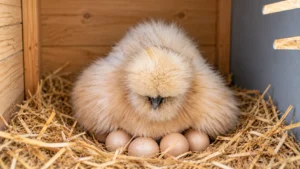
Silkie chickens are gentle birds and good mothers. A Silkie hen may become broody and sit on her eggs until they hatch. She stays in the nest most of the day to keep the eggs warm. She may leave for short breaks to eat drink and stretch.
Silkie eggs usually take about 21 days to hatch. The count starts when the hen begins sitting on the eggs regularly. Some chicks may hatch a little early or late. This can happen because of changes in temperature or other conditions.
If your Silkie hen is sitting on eggs you may wonder how many eggs she can cover. You may also want to know how to care for her while she waits. It is helpful to understand how chicks grow inside the eggs and how to tell when they are ready to hatch.
This guide explains how long Silkie eggs take to hatch. It also shares simple tips to help your hen stay safe and healthy. You will learn what to expect when the chicks begin to hatch.
Quick Overview of Silkie Egg Hatching
| Topic | What to Know |
| Usual hatching time | About 21 days |
| Egg count | Often 6 to 10 eggs depending on the hen |
| Broody behavior | The hen stays on the nest most of the day |
| Short breaks | She leaves briefly to eat drink and poop |
| Egg development | Chicks grow inside the eggs during incubation |
| Candling | A light can help check egg development |
| Signs of hatching | Peeping sounds and small cracks in the shell |
| Main care needs | Food water a safe nest and a calm area |
How Many Days Do Silkie Chickens Sit on Eggs Before Hatching?
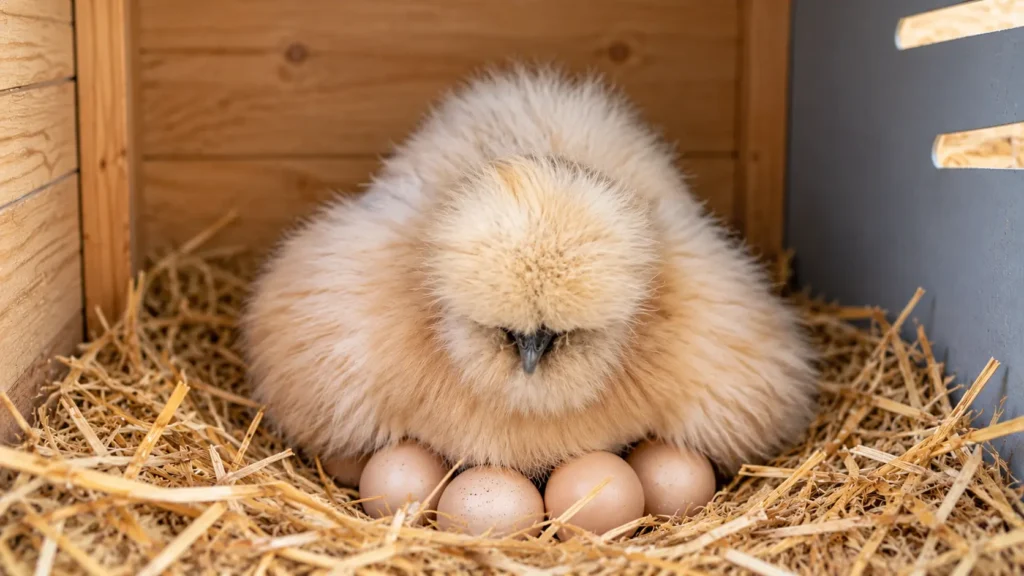
Silkie chickens usually sit on their eggs for about 21 days before the chicks hatch. This is the normal time for chicken eggs to hatch. The hen keeps the eggs warm by sitting on them and covering them with her feathers.
The 21-day count starts when the hen begins sitting on the eggs all the time. A hen may visit the nest before she becomes broody. These early visits do not mean that the eggs have started to develop.
Some chicks may hatch on day 20 or day 22. A short delay is not always a problem. The warmth of the eggs and how well the hen covers them can affect their growth.
Does Every Silkie Egg Hatch on Day 21?
No. Most Silkie chicks hatch around day 21. But some chicks need a little more time to grow before they come out.
Do not open the eggs or help chicks break their shells just because they have not hatched on day 21. A chick may still need time to get ready. It must finish using the yolk inside the egg before it can hatch. Opening the shell too early can hurt the chick.
Give the eggs enough time and keep the nest quiet. If some eggs still have not hatched several days after the expected date ask an experienced chicken keeper or vet for help.
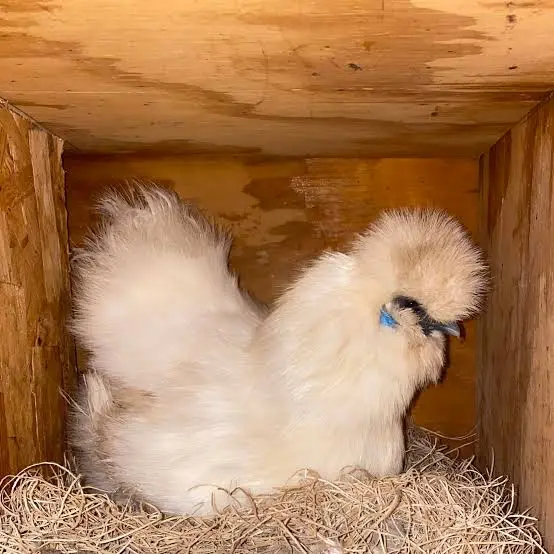
How Many Eggs Can a Silkie Hen Sit on at One Time?
A Silkie hen can usually sit on about 6 to 10 eggs. The number depends on her size and how many eggs she can cover with her feathers. A small hen may only cover 5 or 6 eggs. A larger hen may be able to cover more.
The most important thing is to keep all the eggs warm. If you put too many eggs under the hen then some may stay outside her body. These eggs may not get enough heat to grow into chicks.
Before placing eggs under your hen check these things:
- Make sure she can cover all the eggs.
- Keep the eggs in one layer under her.
- Use clean eggs without cracks.
- Choose eggs that are close in age so they can hatch around the same time.
Use eggs from a flock that has a rooster. Eggs must be fertile to hatch into chicks. A hen may sit on eggs that are not fertile for 21 days but no chicks will hatch.
It is best to place all the eggs under the hen at the same time. Adding more eggs a few days later can cause problems. The first chicks may hatch while the other eggs still need more time. The hen may leave the nest to care for her new chicks.
Choose a number of eggs that your hen can cover fully. Do not add extra eggs just to get more chicks.
What Happens During the 21-Day Silkie Egg Incubation Period?
A chick grows inside the egg during the 21-day incubation period. The hen keeps the eggs warm and turns them often. This helps the chick grow and develop properly.
Here is what happens during each stage.
Days 1 to 7: Early Growth
During the first week the chick starts to grow. Its heart and blood vessels begin to form. The hen keeps the eggs warm by sitting on them.
Around day 7 you can check the eggs with a bright light. This process is called candling. It helps you see what is growing inside the egg.
A healthy egg may show small blood vessels and a dark spot. If the egg looks clear it may not be fertile. Handle the eggs gently and return them to the nest quickly.
Days 8 to 14: The Chick Grows
The chick keeps growing inside the shell. Its body parts start to form and it begins to look more like a baby bird.
The hen stays on the eggs and turns them often. She may leave the nest for a short time to eat and drink. She also takes time to stretch her legs. This is normal.
You can check the eggs with a light again if needed. The growing chick will take up more space inside the egg. Do not check the eggs too often because this can disturb the hen.
Days 15 to 18: Getting Ready to Hatch
The chick grows bigger and fills more of the egg. It starts to move into a position that helps it break through the shell.
By day 18 the chick is getting close to hatching. Keep the nest quiet and do not move the eggs. Make sure the hen has food and fresh water nearby.
Days 19 to 21: Hatching Time
The chick may start making soft sounds inside the egg. It uses a small hard point on its beak to break the shell. The first small hole is called a pip.
After making this hole the chick may rest for many hours. Then it starts breaking more of the shell until it comes out.
Do not rush to help the chick. It needs time to hatch on its own.
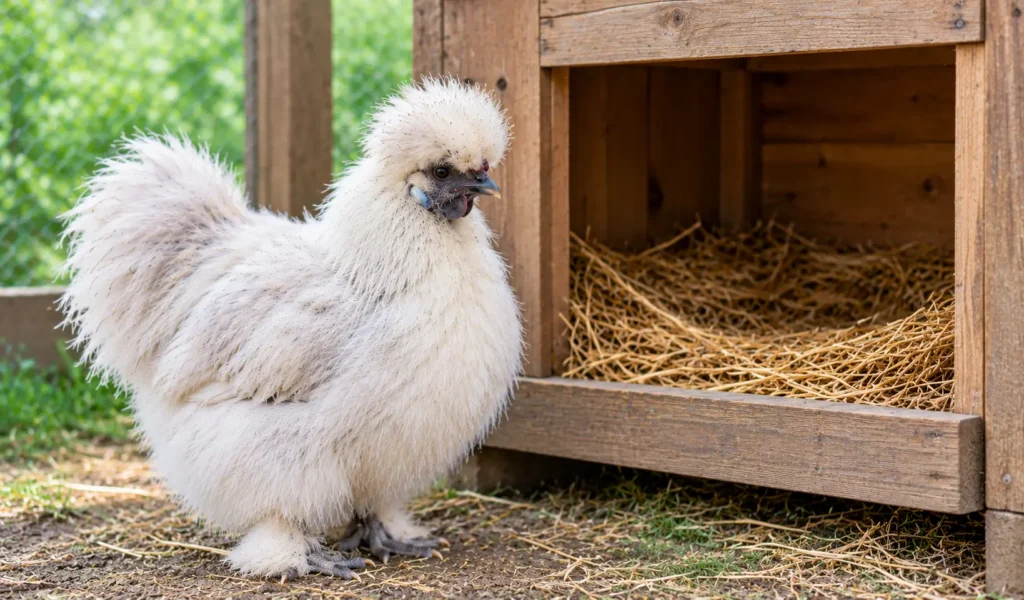
How to Care for a Silkie Hen While She Sits on Eggs
A broody Silkie spends most of her day sitting on the nest. She may leave once or twice a day for a short break. During this time she eats and drinks water. She also stretches her legs and passes droppings.
Make sure she has a safe and quiet place to sit. Keep her nest away from busy areas where other chickens move around. Do not let other hens push her away or add more eggs to her nest.
Give Her Food and Fresh Water
Keep food and fresh water near the nest. This makes it easy for her to eat and drink during her breaks. Use a safe water dish that is easy to clean. Place it close to the nest but keep the bedding dry.
A broody hen may lose some weight because she spends many hours sitting. Check that she gets up to eat and drink every day. If she does not leave the nest on her own you may need to gently help her take a short break.
Keep the Nest Clean and Safe
Give your hen a dry nest with clean bedding. Remove wet or dirty bedding when she leaves the nest. Protect the area from rats and other animals that could hurt the hen or damage the eggs.
Follow these simple care tips:
- Give her fresh water every day.
- Provide good chicken feed.
- Keep the nest clean and dry.
- Protect her from other chickens and predators.
- Check her health without disturbing her too much.
Try not to move the nest after the hen starts sitting on the eggs. A sudden change can upset her and may cause her to leave the eggs.
Signs That Silkie Chicken Eggs Are Ready to Hatch
As hatch day gets closer you may see changes in the eggs. The chicks become more active and get ready to come out of their shells.
Here are some signs to look for:
1. Soft Peeping Sounds
You may hear small peeping sounds from inside the eggs. This means a chick may be getting ready to hatch. Listen closely near the nest because the sounds can be very soft.
2. Small Cracks in the Shell
A chick may make a small hole in the shell. This is called pipping. The chick uses its beak to break the shell.
3. Movement Inside the Egg
You may see an egg move or rock a little. This happens when the chick moves inside. Do not pick up the egg to check it.
4. The First Chick Hatches
After making a small hole a chick may take many hours to come out. It needs time to break the shell and rest. Some chicks may hatch before others even if all the eggs started incubation at the same time.
After the chicks hatch the hen will usually stay with them. Give her a quiet place and make sure the chicks can reach food and clean water.
Do not keep lifting the hen to check the chicks. Too much handling can upset her and disturb the new babies.
What Should You Do When the Silkie Chicks Hatch?
When the first chick hatches it may stay under the hen to dry and rest. The hen keeps the chicks warm with her body. So it is best to leave the nest alone during this time.
A new chick can live on the yolk inside its body for a short time. But you should have chick starter feed and clean water ready before the chicks hatch.
Use a shallow water dish so the chicks cannot fall in. You can also add clean stones to make the water safer. Keep the food and water close to the nest so the chicks can find them easily.
Watch the hen and chicks from a little distance. Make sure the chicks stay warm and have a safe place to move around. Keep other chickens away if they might peck at the babies.
Some eggs may take longer to hatch than others. Give them more time if the hen is still sitting on the nest. If an egg does not hatch well after the expected date ask a poultry expert or vet for help before removing it.
Common Mistakes to Avoid During Silkie Egg Hatching
Small mistakes can upset the hen or harm the eggs. Keep the nest calm and do not check it too often.
Avoid these common mistakes:
- Adding too many eggs: The hen may not be able to keep all the eggs warm.
- Moving the nest: A new place may upset the hen and make her leave the eggs.
- Touching the eggs too often: Too much handling can disturb the hen or damage the eggs.
- Forgetting food and water: A broody hen still needs food and fresh water every day.
- Helping chicks too soon: Breaking the shell too early can hurt the chick and cause bleeding.
- Letting other chickens near the nest: They may break the eggs or bother the hen.
Keep the nest clean and quiet. This helps the hen stay calm and gives the eggs a better chance to hatch.
Final Thought
Silkie chickens usually sit on their eggs for about 21 days before the chicks hatch. A hen can often sit on 6 to 10 eggs based on her size. The eggs need steady heat and a safe place to grow.
Give your Silkie hen clean bedding and fresh water. Keep food close to her nest. Let her leave the nest for short breaks when she needs to eat and drink. As hatch day gets closer listen for soft peeping sounds and look for small cracks in the eggs.
Give the hen and her eggs a quiet and safe place during this time. With good care your Silkie hen can hatch healthy chicks and look after them.