Summary
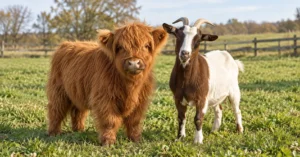
Highland cows are strong cattle with long hair and a calm farm look. They are known for living well in cold weather and rough land. Their diet is simple compared with many high care animals. Most Highland cows eat grass hay and other plant food. They are grazing animals. They also like to browse. This means they can eat some brush leaves and rough plants when the pasture has them.
A Highland cow does not need fancy food every day. Good pasture is often the main food in warm months. Good hay is often the main food in winter or dry seasons. Clean water and minerals are also very important. A cow can have enough grass but still need minerals. A cow can also have enough hay but still need clean water every day.
The right diet depends on age size weather and body condition. A baby Highland cow eats milk first. An adult cow eats mostly grass and hay. A pregnant cow or nursing cow may need better feed. A cow in very cold weather may need more hay because the body uses more energy to stay warm.
This guide explains what Highland cows eat in simple words. It covers their main diet. Grass. Hay. Winter feeding. Baby Highland cow food. Grain. Water. Minerals. And foods Highland cows should not eat.
Highland Cow Main Diet
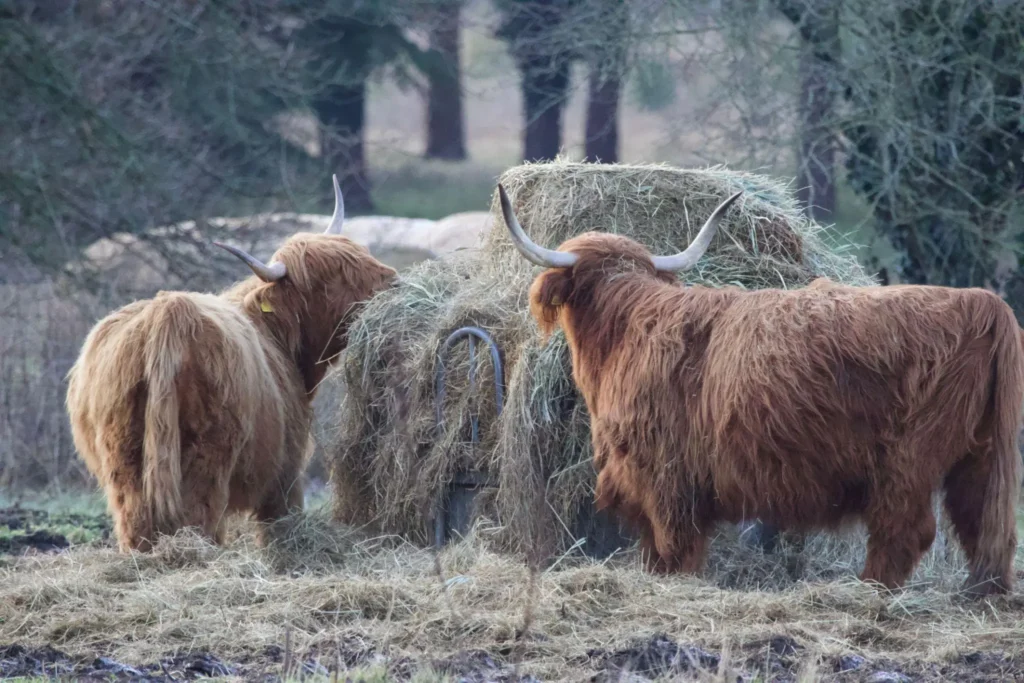
The main Highland cow diet is forage. Forage means plant food that cattle eat. It includes grass pasture hay and some rough plants. Highland cows are good at using rough land. They can graze in places where some other cattle may not do as well. This is one reason many small farms like them.
A normal adult Highland cow can live well on good pasture in the growing season. It can eat grass for many hours each day. Cattle do not eat like dogs or cats. They graze. Then they rest and chew their cud. This is part of how their stomach works.
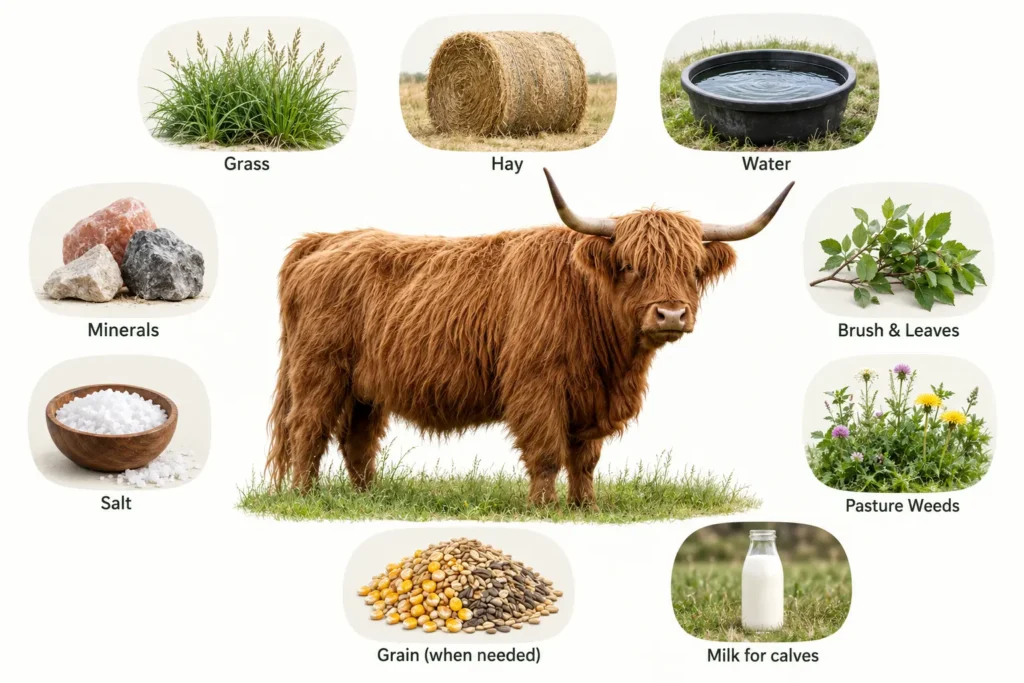
A simple Highland cow diet may include these foods.
- Fresh pasture grass
- Good hay
- Clean water
- Free choice minerals
- Salt
- Small amount of grain only when needed
- Safe brush and weeds from clean pasture
Highland cows do not need a lot of grain if they have good grass and hay. Grain can help in some cases. But it should not be the main food for most adult Highland cows on a small farm. Too much grain can upset the stomach and make the cow too fat.
The best diet is simple and steady. Sudden food changes can cause stomach problems. If you change hay or add grain then do it slowly. A slow change helps the cow body adjust.
Do Highland Cows Eat Grass
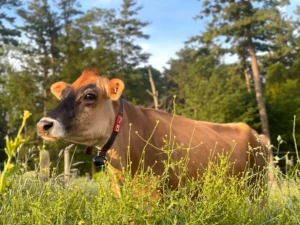
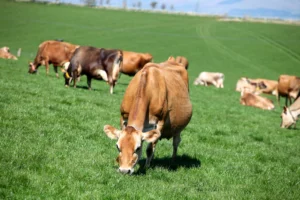
Yes. Highland cows eat grass. Grass is one of their best natural foods. In spring and summer they can spend many hours grazing. They eat the grass with their tongue and teeth. Then they swallow it. Later they bring it back up and chew it again. This is called chewing cud.
Good pasture can support healthy Highland cows. Pasture should have enough grass. It should not be overgrazed. Overgrazed pasture means the cows eat it too short. This can hurt grass growth and make the field weak.
A good pasture plan helps the cows and the land. Many farmers move cattle from one area to another. This is called rotational grazing. It gives grass time to grow back. It also helps keep the pasture clean and useful.
Highland cows can eat more than soft grass. They may also eat some rough plants and brush. They may eat weeds that other cattle ignore. This does not mean every weed is safe. Some weeds and plants can be poisonous. Pasture should always be checked.
Good grass feeding tips are:
- Give cows enough pasture space.
- Do not let cows eat grass down to dirt.
- Move cows before pasture becomes too short.
- Keep poisonous plants out of the field.
- Keep pasture away from trash and chemicals.
- Give hay if grass is not enough.
Grass is best when it is clean and healthy. Wet muddy pasture can cause problems. Dry weak pasture may not give enough food. In these cases hay and extra feed may be needed.
What they Do Highland Cows Eat
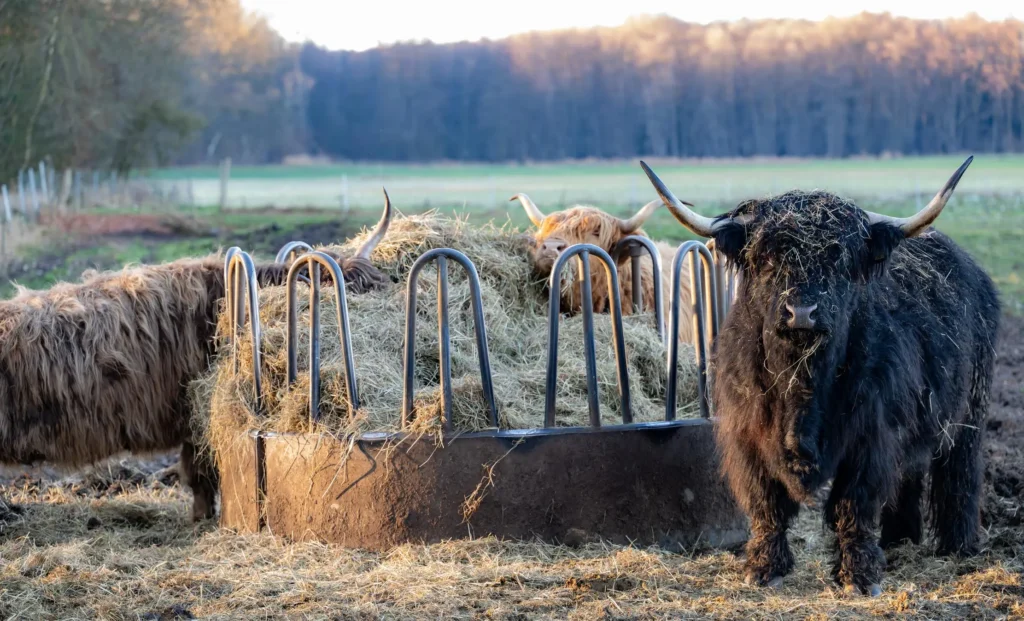
Highland cows eat hay when fresh grass is not enough. Hay is dried grass or dried forage. It is very important in winter. It is also important during drought. It can also help when pasture is short.
Good hay should smell fresh. It should not smell moldy. It should not be dusty. Moldy hay can make cattle sick. Very dusty hay can bother breathing. Hay should be stored in a dry place so rain does not ruin it.
Common hay types for Highland cows include grass hay and mixed hay. Grass hay is often a good daily choice. Mixed hay may include grass and some legume plants. Legumes can add protein. But very rich hay should be used with care because it can be too strong for some cattle.
Highland cows usually do well on good quality grass hay. The hay does not have to be perfect show quality. But it should be clean and safe. A cow that is pregnant or nursing may need better hay because her body needs more energy and protein.
Good hay points are:
- Grass hay is a common daily choice.
- Mixed grass hay can also work well.
- Hay should be clean.
- Hay should smell fresh.
- Hay should not be moldy.
- Hay should not be full of weeds.
- Hay should not be full of dust.
- Hay should be kept dry.
A hay feeder can help save hay. If hay is placed on mud then much of it can be wasted. Cows may step on it. Rain can ruin it. A feeder keeps hay cleaner and helps the owner save money.
Highland Cow Winter Feeding
Winter feeding is very important for Highland cows. Highland cattle have a thick coat that helps them handle cold weather. But they still need enough food. In cold weather the body burns more energy to stay warm. This means cows may eat more hay.
In winter grass may stop growing. Snow can cover pasture. Rain and mud can make grazing hard. This is why hay becomes the main food in many areas. A good winter plan should start before cold weather comes.
A winter feeding plan should include:
- Enough hay for the full winter.
- Clean water that does not freeze.
- Minerals and salt.
- Dry ground or a feeding area.
- A hay feeder to reduce waste.
- Shelter from strong wind and wet weather.
- Body condition checks.
A Highland cow with a thick coat may look heavy. But hair can hide weight loss. You should check body condition by looking at the body shape and feeling the ribs if safe. A thin cow may need better hay or extra feed.
Pregnant cows may need extra care in winter. Nursing cows also need more food. Young growing cattle may need more energy than dry adult cows. A farmer should feed cattle based on age and condition.
A cow should not have to fight for hay. If there are many cows then use enough feeding space. Shy cows may eat less if stronger cows push them away.
What Do Baby Highland Cows Eat

A baby Highland cow is called a calf. A newborn calf needs milk first. The first milk is very important. This first milk is called colostrum. It helps protect the calf and gives it a strong start.
A baby Highland calf usually drinks milk from its mother. If the calf cannot nurse then it may need bottle feeding. A bottle calf needs a good milk plan from a vet or experienced cattle person. The amount and timing matter a lot.
In the first weeks milk is the main food. The calf may start tasting grass hay and calf starter as it grows. Clean water should also be offered. Water helps the calf start eating dry food.
Baby Highland cow feeding stages are:
- Newborn calf drinks first milk.
- Young calf drinks milk many times.
- Calf starts tasting hay and grass.
- Calf can start eating calf starter.
- Calf drinks clean water.
- Calf slowly moves toward solid food.
- Weaned calf eats mostly hay grass and pasture.
A calf should not be rushed off milk too early. It needs strong growth first. It should be eating enough solid food before full weaning. Weaning time can be different on each farm.
Baby calves need clean feeding areas. Dirty buckets can spread sickness. Dirty water can also cause problems. Calves are young and can get sick faster than adult cattle.
Do Highland Cows Need Grain
Most Highland cows do not need grain every day if they have good pasture and hay. Highland cattle are known for doing well on forage. This means grass and hay should be the base of their diet.
Grain can be useful in special cases. It can help if the cow is thin. It can help in very cold weather. It can help when hay is poor. It can help a nursing cow that needs extra energy. It can help young cattle that need more growth support.
But grain must be used with care. Too much grain can upset the cow stomach. It can also make cattle gain too much weight. A cow that gets too fat can have health and calving problems.
Grain may be used when:
- Pasture is poor.
- Hay quality is low.
- A cow is losing weight.
- A cow is nursing a calf.
- Weather is very cold.
- A young animal needs more growth support.
- A vet or feed expert recommends it.
Grain should be added slowly. Never make a big feed change in one day. Start with a small amount. Watch the cow. Keep hay available. The cow stomach works best with plenty of forage.
For most small farm Highland cows the best plan is simple. Good grass in season. Good hay when grass is short. Minerals. Salt. Clean water. Grain only when needed.
Water and Minerals for Highland Cows
Water is one of the most important parts of a Highland cow diet. A cow can lose health fast without enough water. Clean water should be ready every day. Water should be easy to reach. It should not be dirty or frozen.
In winter water can freeze. Frozen water is a big problem. Cows may not drink enough if they have to eat snow. Snow is not the same as a steady clean water source. A heated water tub or regular ice breaking may be needed in cold places.
Minerals are also important. Cattle need salt and other minerals for health. Minerals help the body work well. They support bones muscles nerves and growth. Mineral needs can change by soil and area. Some places have low copper. Some places have other mineral issues. A local vet or extension office can help choose the right mineral mix.
Important water and mineral points are:
- Give clean water every day.
- Keep water tubs clean.
- Stop water from freezing in winter.
- Provide cattle mineral mix.
- Provide salt.
- Keep minerals dry.
- Use mineral made for cattle.
- Ask a vet about local mineral needs.
Do not give random animal minerals to cattle. Some feeds or mineral blocks made for other animals may not be right. Use products made for cattle.
Minerals should be placed where cows can reach them easily. If minerals get wet then cows may not eat them well. A covered mineral feeder can help.
Foods Highland Cows Should Not Eat
Highland cows should not eat spoiled food. They should not eat moldy hay. They should not eat trash. They should not eat plants sprayed with unsafe chemicals. They should not eat poisonous plants.
Some plants can hurt cattle. The danger can change by area. Some plants become more dangerous during drought. Hungry cattle may eat plants they would normally avoid. This is why pasture checks are important.
Foods and plants to avoid include:
- Moldy hay.
- Rotten feed.
- Plastic.
- Trash.
- Chemical sprayed plants.
- Large amounts of lawn clippings.
- Poison hemlock.
- Water hemlock.
- Nightshade.
- Cocklebur.
- Johnsongrass after frost.
- Sorghum sudangrass with high nitrate risk.
- Chokecherry leaves.
- Oak leaves and acorns in large amounts.
- Redroot pigweed in high nitrate conditions.
Lawn clippings can be risky because they can heat up and spoil fast. They may also contain chemicals. It is safer not to feed them.
Do not feed cattle random garden waste. Some garden plants can be unsafe. Some may cause bloat. Some may be sprayed. If you are not sure then do not feed it.
Also keep cattle away from old batteries. Paint. Pesticides. Herbicides. Rodent poison. Oil. And farm trash. These things are not food and can be dangerous.
If a cow acts sick after eating something then call a vet fast. Signs can include weakness. Heavy breathing. Drooling. Shaking. Bloat. Staggering. Not eating. Or lying down too much.
Final Thoughts
Highland cows eat a simple diet based on forage. Their main foods are grass and hay. They can also browse some safe rough plants. This makes them a strong choice for farms with pasture. They do not need fancy feed every day.
Grass is the best food during the growing season. Hay is the main food when grass is short. Winter feeding needs good planning because cows need enough energy to stay warm. Baby Highland calves need milk first. Then they slowly learn to eat hay grass calf starter and water.
Grain is not always needed. It can help in special cases but it should not replace good forage. Clean water and minerals are needed every day. A cow cannot stay healthy without water. Minerals also help support body health and growth.
Safe feeding matters as much as good feeding. Do not give moldy hay spoiled food trash or unsafe plants. Check pasture often. Keep chemicals away from cattle. Ask a vet or local farm expert if you are not sure about a feed.
A Highland cow can do well on a simple feeding plan when the food is clean and enough. Good pasture. Good hay. Fresh water. Salt. Minerals. And careful daily checks can help Highland cows stay healthy and strong.