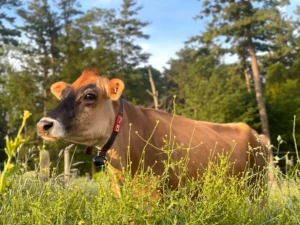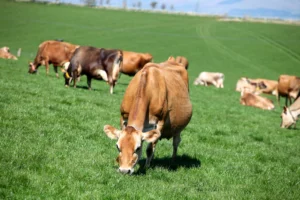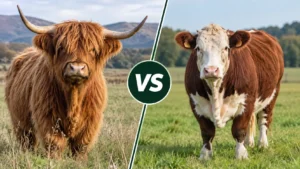
Jersey cattle are famous for rich milk and golden butterfat. Most people see them as dairy animals instead of beef cattle. This can make Jersey cow meat seem like an unusual choice.
The simple answer is yes. Jersey cows can be used for beef. Their meat can have a rich flavor and good marbling when the animal receives proper feed and enough finishing time.
However, Jersey cattle usually cannot match Angus cattle for growth speed, feed efficiency, carcass size, or total meat yield. A Jersey animal may give you tasty beef but fewer pounds of packaged meat.
It is also important to understand the cattle terms. A cow is an adult female that has produced a calf. A bull is an uncastrated male. A steer is a castrated male. Much of the best Jersey beef comes from young steers or Jersey-cross cattle.
Meat from an older Jersey dairy cow can also be eaten. It may need longer aging, grinding, or slow cooking because older cattle can produce firmer meat.
This guide explains how Jersey cow meat tastes and how much marbling it may have. It also covers meat yield, dressing percentage, feeding, Jersey bulls, and the differences between Jersey and Angus beef.
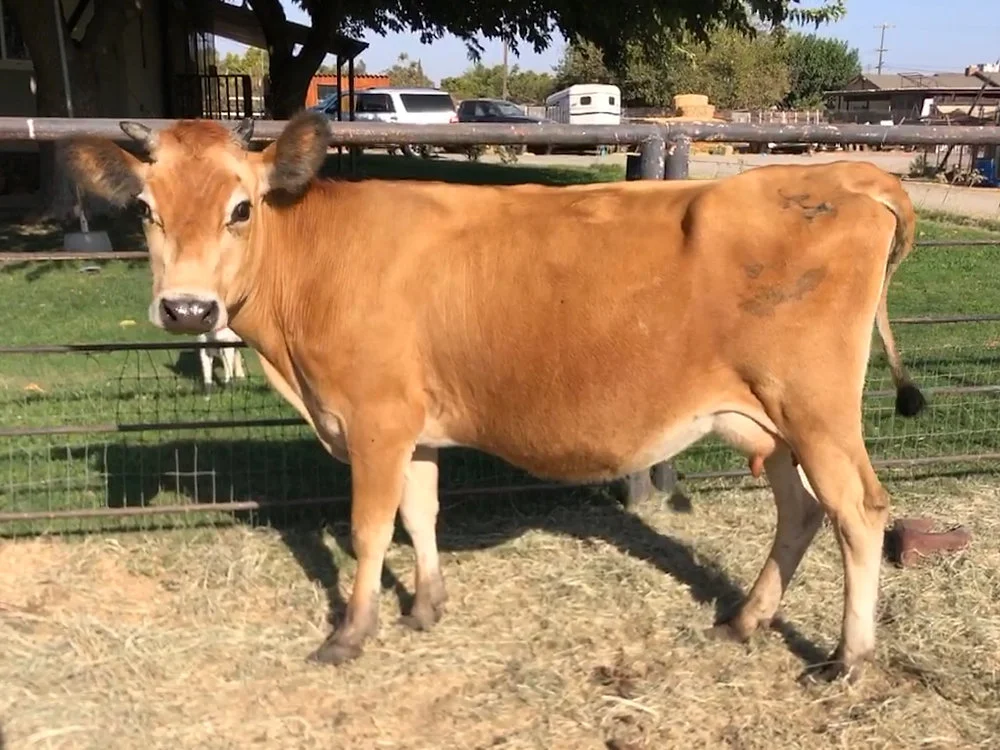
What Does Jersey Cow Meat Taste Like?
Jersey cow meat normally has a rich and noticeable beef flavor. Many people describe the taste as deep, juicy, and slightly buttery.
The actual flavor depends on several things. These include the animal’s age, diet, health, body condition, fat level, and how the meat is handled after slaughter.
Breed plays a part in flavor but it does not control everything. A well-fed Jersey steer may taste much better than a poorly finished Angus steer.
A thin Jersey cow that comes straight from heavy milk production may produce less juicy meat. This happens because dairy cows use a large amount of energy to produce milk. They may lose body fat when their diet does not fully meet their needs.
Research on Jersey beef has shown good results for juiciness, beef flavor, and overall acceptance. However, consumer tests do not always find a major taste difference between Jersey beef and regular Choice or Select beef. This means Jersey beef can taste excellent but the breed name alone does not guarantee a perfect steak.
Rich Flavor Comes From Fat
Fat carries much of the flavor in beef. Small lines and dots of fat inside the muscle are known as marbling.
When a steak cooks, the marbling begins to melt. This adds moisture and flavor to the meat. It also helps protect the steak from drying out during cooking.
Jersey cattle have a reputation for developing intramuscular fat. This is especially true when they receive a balanced finishing diet for enough time.
Marbling is not the same as the thick outside fat found under the hide. An animal can carry a lot of outside fat but still have only a small amount of marbling inside the ribeye.
A good finishing program should create a useful balance between muscle, marbling, and outside fat. Too little fat can make the meat dry. Too much outside fat may be removed and wasted during processing.
How Feed Changes the Flavor
The finishing diet has a strong effect on Jersey beef flavor.
Grain-finished Jersey beef usually has a mild and familiar beef flavor. Corn and other energy-rich feeds also help cattle gain weight and develop fat more quickly.
Grass-finished Jersey beef may have a stronger or more earthy flavor. Some people enjoy this natural taste. Other buyers prefer the mild flavor of grain-finished beef.
Grass-fed cattle can also have yellow fat. This yellow color normally comes from carotenoids found in green plants. It does not automatically mean that the meat is bad or unsafe.
Grain-finished cattle normally have whiter fat because grain contains fewer green plant pigments.
Neither feeding method is always better. The best choice depends on the farm’s resources and the type of beef customers want to buy.
How Age Changes Jersey Beef
Young Jersey steers normally produce milder and more tender beef than old Jersey dairy cows.
Older cattle have more developed connective tissue. This can make some cuts tougher. The shoulder, round, brisket, and shank may become firm because these muscles have worked for many years.
This does not mean meat from an old Jersey cow is useless. The butcher simply needs to choose the right use for each cut.
Tenderloin and rib cuts may still work as steaks when the carcass has enough fat. Chuck and round cuts often work better as roasts, stew meat, or ground beef.
Mature cow beef can also have a stronger flavor. Some customers enjoy this bold beef taste. Others prefer the lighter taste of young steer beef.
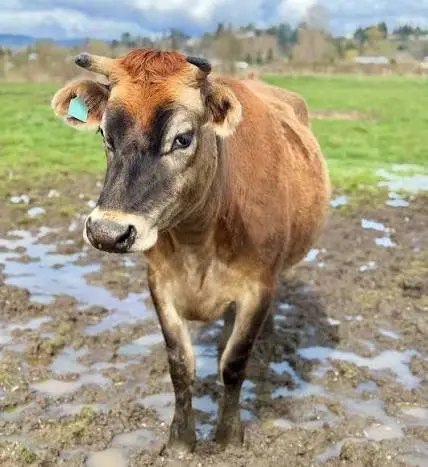
Aging Jersey Beef
Aging can improve tenderness after slaughter. Natural enzymes slowly break down parts of the muscle.
Wet aging takes place when beef is stored in sealed vacuum packaging. Dry aging takes place when the carcass or large cuts remain in a controlled cooler.
Even a well-finished Jersey steak can feel chewy when it is frozen too quickly. Allowing the beef to age for around one to two weeks can improve tenderness. The exact time depends on the cut, temperature, packaging, and processor.
What Improves the Taste of Jersey Beef?
Several practical steps can improve the eating quality:
- Finish the animal until it has enough body fat.
- Provide clean water at all times.
- Change from forage to grain slowly.
- Keep the animal calm before transport and slaughter.
- Age the carcass before freezing the meat.
- Use the correct cooking method for each cut.
Good management has a greater effect than a fancy breed label. A properly raised Jersey can produce very enjoyable beef.
Jersey Cow Meat Quality and Marbling
Meat quality includes much more than taste. It also covers tenderness, juiciness, color, marbling, maturity, fat color, and cooking performance.
Jersey beef can perform well in several of these areas. The breed has the ability to deposit fat inside the muscle. This can help steaks remain juicy during cooking.
However, Jersey marbling results are not always the same. Some groups of Jersey cattle produce highly marbled carcasses. Other research has found that pure Jersey steers had lower marbling than Angus-sired and Wagyu-sired Jersey crosses.
Crossbred Jersey steers have also shown better growth, carcass quality, and meat yield than pure Jersey steers.
It is fair to say that Jersey cattle have good marbling potential. It is not correct to say that every Jersey animal has more marbling than every Angus animal.
What Marbling Really Means
Marbling is the visible fat found inside the ribeye muscle. It appears as small white lines or dots between the muscle fibers. Marbling can improve flavor and juiciness. It can also help the meat stay moist when it is cooked at a high temperature.
The USDA uses marbling and animal maturity when deciding beef quality grades.
Prime beef requires a higher level of marbling. Choice beef has a moderate level. Select beef normally has less marbling and may be leaner. A young carcass with a small amount of marbling may qualify for Choice. A carcass with only a slight amount may fall into Select.
Marbling is useful but it cannot tell the complete story. Meat tenderness also depends on the cut, age, stress level, chilling speed, aging period, and cooking method.
Jersey Milk Fat and Beef Marbling
People sometimes believe Jersey beef must have heavy marbling because Jersey milk contains high butterfat.
Milk fat and muscle marbling are not the same thing.
A Jersey cow may produce rich milk but still have a thin body. A dairy cow uses a large amount of energy during milk production. She can lose weight when her feed does not replace that energy.
A thin dairy cow may have little outside fat and low marbling when she enters the beef chain.
A healthy cull cow can sometimes receive a short finishing period before slaughter. This can improve body condition and carcass weight. The farmer must first consider the cow’s age, health, mobility, feed cost, and local market price.
A sick or weak cow should not be kept on feed just to gain more weight. Animal welfare must always come first.
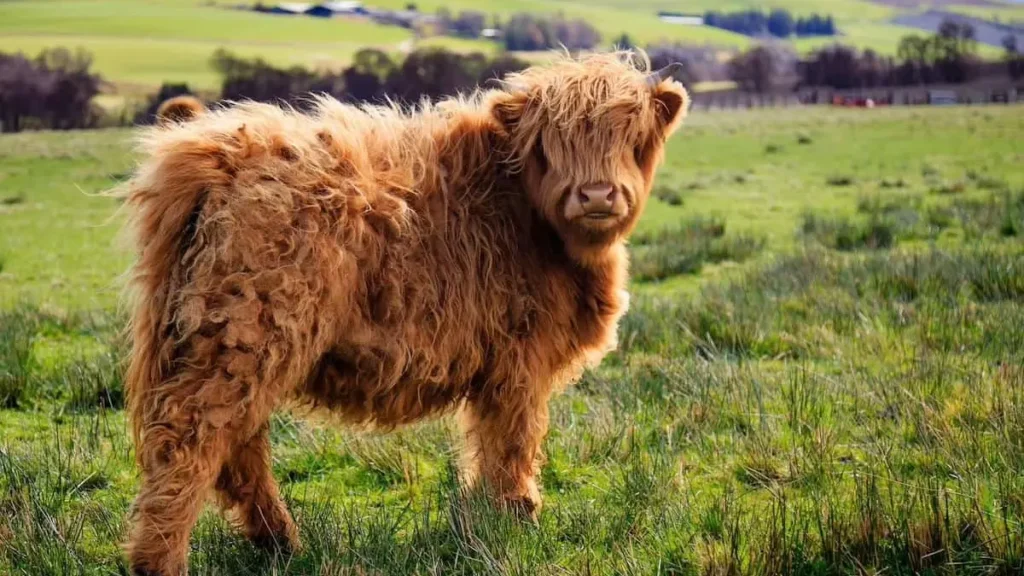
Muscle and Fat Balance
Jerseys have a smaller mature frame than many beef breeds. They may begin placing fat on their bodies at a lighter live weight.
This can help them develop marbling. However, it can also create too much outside fat before enough muscle has developed.
Extra outside fat does not always increase profit. Much of it may be trimmed away at the processing plant.
The goal should not be to make the animal as fat as possible. The goal should be to produce enough muscle with a reasonable amount of marbling and fat cover.
Jersey Beef Color
Jersey beef may look darker red than beef from younger commercial cattle. This is especially common in older Jersey cows and mature bulls.
Dark meat is not automatically unsafe. Age, stress, muscle use, chilling speed, and final meat pH can all affect color.
Older animals normally have darker muscle pigments. A stressed animal can also produce dark-cutting beef because its muscles do not contain enough stored energy at slaughter.
Low-stress handling can help protect meat color and quality. Cattle should have proper footing, enough space, clean water, and calm handling.
Jersey Cow Meat Yield and Dressing Percentage
Meat yield is one area where Jersey cattle often fall behind specialized beef breeds.
Jerseys are smaller and normally have lighter muscling. Their bones, head, hide, organs, and digestive system can make up a larger share of the live weight.
This means a Jersey animal may produce less carcass weight than a heavily muscled Angus or Simmental animal of the same weight.
What Is Dressing Percentage?
Dressing percentage measures how much of the animal’s live weight becomes hot carcass weight.
The basic formula is:
Hot carcass weight ÷ live weight × 100
Suppose a Jersey steer weighs 1,000 pounds before slaughter. Its hot carcass weighs 590 pounds.
The dressing percentage would be:
590 ÷ 1,000 × 100 = 59 percent
The hot carcass weight is measured after the hide, head, feet, blood, and internal organs have been removed.
A 59 percent dressing percentage does not mean the owner receives 590 pounds of packaged meat. The carcass still contains bone, excess fat, and moisture.
Most finished beef cattle dress at around 60 to 64 percent. Dairy-type cattle often average slightly lower.
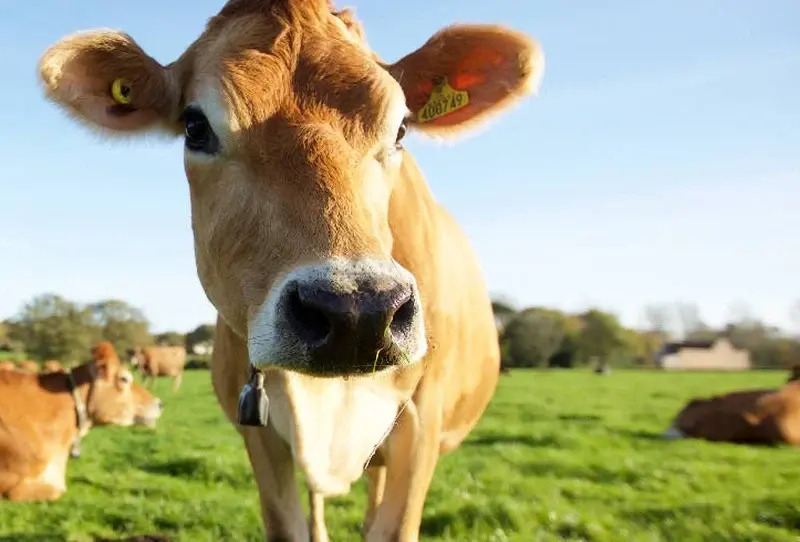
Typical Jersey Dressing Percentage
A properly finished Jersey steer may dress at around 58 to 61 percent. Some animals may fall below this range. Others may perform slightly better.
Dressing percentage can change because of:
Animal body condition affects it. A fat animal normally dresses higher than a thin animal. Feed and water in the digestive system add live weight but do not become carcass weight.
Mud on the hide can increase live weight. Heavy horns and a large hide can also reduce the final percentage. A thin Jersey cow coming directly from milk production may dress lower than a properly finished Jersey steer.
Research involving finished Jersey cattle has reported dressing percentages close to 60 percent. Other dairy-beef information places the average for dairy steers near 59 percent compared with about 63 percent for traditional beef animals.
Jersey Live Weight to Packaged Beef
The table below provides a simple example. The final amount can change because of fat trimming, aging loss, bone-in cuts, and the butcher’s cutting style.
| Item | Example Amount |
| Live Jersey steer weight | 1,000 lb |
| Estimated dressing percentage | 59% |
| Hot carcass weight | 590 lb |
| Chilling and aging loss | About 25 to 40 lb |
| Carcass ready for cutting | About 550 to 565 lb |
| Packaged beef | About 300 to 365 lb |
A customer may receive more packaged weight by keeping bone-in steaks, ribs, soup bones, liver, heart, tongue, and extra fat.
The weight will be lower when the customer orders boneless cuts with heavy fat trimming.
The amount of ground beef also changes the total. A butcher can grind many small cuts and trimmings that may otherwise be removed.
Jersey Ribeye and Retail Cuts
Jersey carcasses often have smaller ribeyes than Angus carcasses. The rounds and other major muscles may also be lighter.
The steaks can look small even when they taste good. This can create a problem in restaurants or commercial markets that want large and even portions.
Research reviews have found that Jersey steer carcasses may contain less red meat and more fat as a percentage of carcass weight than Holstein and beef steer carcasses. Direct beef sales may reduce this problem. A local customer may care more about flavor and farm origin than the size of each steak.
Farmers can also sell Jersey beef through burger boxes, mixed freezer packs, sausages, roasts, and slow-cooking cuts.
Jersey Cow Meat vs Angus Beef
Angus is one of the best-known beef breeds in the United States. Jersey is mainly a dairy breed.
Both breeds can produce good meat. However, farmers developed them for different jobs.
Angus cattle were selected for beef traits. These include growth, muscle, carcass weight, marbling, and feed efficiency.
Jersey cattle were selected for dairy traits. These include milk production, butterfat, protein, and efficient use of feed for producing milk.
This difference explains much of the gap in beef performance.
| Feature | Jersey Beef | Angus Beef |
| Main purpose | Dairy production | Beef production |
| Mature frame | Small | Medium |
| Growth rate | Usually slower | Usually faster |
| Feed efficiency | Often lower | Usually better |
| Carcass weight | Lighter | Heavier |
| Ribeye size | Smaller | Larger |
| Marbling potential | Good but variable | Strong and predictable |
| Beef flavor | Rich and noticeable | Rich and familiar |
| Market demand | Mostly local or niche | Broad and established |
| Best business use | Home beef or direct sales | Commercial beef production |
Jersey Beef vs Angus Taste
Jersey beef can match or even beat Angus beef in personal taste tests.
Some people prefer Jersey beef because it has a stronger flavor. Others enjoy the familiar taste and texture of Angus.
One controlled comparison involving Angus and Jersey-cross cattle found no clear difference in tenderness, flavor, or juiciness. This shows that feed, age, finishing, aging, and cooking can reduce differences between breeds.
Angus still has an advantage in consistency. Beef producers have selected Angus cattle for carcass traits for many years.
Angus cattle also have strong buyer demand and widely recognized marketing programs. A Jersey producer may need to explain the product before customers understand its value.
Growth and Feed Efficiency
A Jersey steer normally takes longer to reach a useful slaughter weight.
It may also need more feed for each pound of weight gain. The smaller final carcass gives the farmer fewer pounds of meat to cover costs.
The farmer still has to pay for fencing, labor, medicine, transportation, slaughter, and processing.
This does not always make Jersey beef unprofitable. Jersey calves may cost less to buy than beef calves. A dairy farm may already have male calves available.
A small farm may also have low-cost pasture or suitable byproduct feeds. Direct customers may pay a better price for local Jersey beef.
Farmers should calculate the complete cost instead of looking only at the sale price per pound.
Important numbers include feed cost, days on feed, average daily gain, processing cost, live weight, carcass weight, and packaged meat yield.
Crossbreeding Jersey Cows With Angus Bulls
Crossbreeding can improve the beef value of Jersey calves.
A Jersey cow can be bred to an Angus, SimAngus, Hereford, or Wagyu bull. The calf may receive better growth, muscle, frame, and carcass weight from the beef sire.
The Jersey side may still provide useful marbling and a smaller birth size. Research has found that crossbred Jersey steers can gain weight faster and produce better carcass results than pure Jersey steers.
Angus-sired Jersey cattle have also produced strong marbling scores in research programs. Farmers must choose the bull carefully. Jersey cows are smaller than many beef cows.
A large calf can cause serious calving trouble. A proven calving-ease bull should be used especially with young Jersey heifers. The farmer should study birth weight, calving ease, growth, carcass weight, ribeye size, and marbling records before choosing a sire.
Are Jersey Bulls Good for Beef Production?
Jersey bulls can produce beef but they are not normally the best choice for premium steak production. An intact bull may grow faster and add more lean muscle than a steer. However, bull beef is usually leaner and may contain less marbling.
Meat from a mature bull may also be darker and firmer.
Steers are more common in quality beef systems. Castration changes the way the animal grows and deposits fat. Steers normally develop more marbling than intact bulls. They are also easier and safer to manage on many farms.
Research comparing bulls and steers has found that steers perform better for marbling and lean quality. Bulls may perform better for growth and some carcass yield traits.
Young Jersey Bulls
A young Jersey bull can produce useful beef. It may provide lean ground beef, roasts, stew meat, and some acceptable steaks. The animal still needs proper nutrition and finishing. A young bull slaughtered while thin may produce a light carcass with little fat.
Bull beef can dry out quickly during cooking because of its lower fat level. Slow cooking and moisture can improve tougher cuts.
Mature Jersey Bulls
An older breeding bull is different from a young bull raised for beef.
Mature bulls have stronger connective tissue. Their meat can have a more intense flavor and darker color.
Much of the meat may work best as ground beef, sausage, stew meat, or processed beef.
Tender cuts can still have value. The butcher should judge the carcass and decide how each section should be used.
Jersey Bull Safety
Jersey bulls can be very dangerous. Their smaller body size does not make them safe. An adult bull may become aggressive or territorial without warning. Strong fencing and safe handling equipment are necessary.
Workers need escape routes and should never trust a bull because it appears friendly. A small farm should not keep a bull only to produce one or two beef calves. Artificial insemination or buying a young steer may be safer and less expensive.
Best Feed for Raising Jersey Cows for Meat
The best feed depends on the animal’s age, weight, body condition, health, weather, and target market.
A Jersey can finish on grass, grain, or a combination of both. The diet must provide enough protein and energy without creating digestive problems. Finishing cattle commonly consume around 2 to 3 percent of their body weight in dry matter each day.
A sudden change from forage to a high-grain diet can cause bloat or acidosis. Farmers should introduce grain gradually over about three weeks.
Feeding Young Jersey Calves
Good beef production starts during the calf stage.
A newborn calf needs enough clean colostrum soon after birth. Colostrum gives the calf energy and protection against disease.
The calf then needs milk or milk replacer, clean water, and a fresh calf starter feed.
Water is important even when the calf drinks milk. Water helps the rumen develop and allows the calf to eat more starter feed. Poor nutrition during the first months can slow growth. A weak calf may need much longer to reach slaughter condition.
Jersey Growing Diet
After weaning, the diet should support frame and muscle growth.
Good pasture, grass hay, alfalfa, silage, and balanced concentrates can all be used. Young growing cattle need more protein than mature finishing cattle. Protein supports muscle and body development.
The goal should be steady growth. A calf that becomes too fat at a young age may develop a poor muscle-to-fat balance. A calf that grows too slowly may remain on the farm for too many months. This increases feed, labor, and housing costs.
Jersey Finishing Diet
The finishing stage adds body fat and improves marbling.
Corn is one of the most common energy feeds. Barley, wheat, sorghum, distillers grains, corn gluten feed, and soybean hulls may also be used. The final ration should still contain roughage. Hay, pasture, silage, or fiber ingredients help protect rumen health.
A finishing diet may contain a large amount of grain. Small farmers should not increase grain too quickly. A cattle nutritionist can balance the ration for energy, protein, calcium, phosphorus, salt, vitamins, and trace minerals.
Testing hay and silage is also useful. Two hay bales may look similar but contain different levels of protein and energy.
Practical Jersey Feeding Checklist
Use these steps when planning the feeding program:
- Weigh the animal or use a cattle weight tape.
- Record the amount of feed offered each day.
- Increase grain slowly over several weeks.
- Keep enough fiber in the ration.
- Provide a balanced cattle mineral.
- Give unlimited clean water.
- Check appetite, manure, breathing, and movement.
- Adjust the ration during extreme heat or cold.
- Follow a proper vaccination and parasite-control plan.
- Choose a slaughter date based on fat cover and body condition.
The cheapest ration is not always the most profitable ration. Cheap feed that produces slow growth may add months to the finishing period.
Grass-Finished Jersey Beef
Grass-finished Jersey beef can work well on farms with high-quality pasture.
This system may reduce purchased grain costs. However, it often takes longer to finish the animal. Pasture quality changes with rainfall, soil, temperature, and season. Poor grass can stop weight gain.
Forage-finished cattle usually reach slaughter at lighter weights than grain-finished cattle. They may also have less fat, lower marbling, and a lower dressing percentage.
A small amount of controlled grain or energy supplement can improve weight gain without using a full feedlot ration. Farmers should explain the product clearly. Grass-finished Jersey beef may be leaner and have yellow fat. Its flavor may also be stronger.
Customers who understand these traits are more likely to enjoy the beef.
Pros and Cons of Jersey Cow Meat Production
Jersey beef production can work for dairy farms, homesteads, and small direct-market businesses.
It may not work as well in systems that depend on rapid growth, heavy carcasses, and standard commercial cattle prices.
Advantages of Jersey Beef
Jersey calves may be affordable. Dairy farms do not always need every male calf for breeding.
The breed can produce flavorful meat with useful marbling. Smaller animals may also fit farms with limited land or smaller handling equipment.
Jersey beef can stand out in a local market. A farmer can explain how raising dairy-bred calves for beef reduces waste.
The smaller steaks may also appeal to families that do not want very large portions.
Ground beef, burger boxes, mixed freezer packs, and sausages can help the farmer use the complete carcass.
Crossbreeding provides another advantage. A Jersey cow bred to a calving-ease beef bull can produce a calf with better beef performance.
Disadvantages of Jersey Beef
Lower meat output is the biggest disadvantage.
Jersey cattle normally grow more slowly and finish at lighter weights than Angus or other beef breeds.
Their carcasses may have less muscle and produce fewer pounds of retail beef.
Feed efficiency may also be lower. Keeping an animal for more days increases maintenance feed and labor costs.
Processing charges can be similar for a small carcass and a large carcass. This can make the processing cost per pound higher for Jersey beef.
Commercial buyers may discount pure Jersey cattle because of light carcass weight, small ribeyes, and uneven size.
Some slaughter plants also have minimum weight requirements. Farmers should confirm processing and market options before raising several Jersey calves.
Is Jersey Beef Worth Raising?
Jersey beef can be worth raising when the calf is affordable and the farm has low-cost feed.
It can also work well when the farmer sells directly to customers. Local buyers may pay more for flavorful farm-raised beef.
Jersey cattle can also be a good choice for home beef. A family may care more about taste and animal care than maximum carcass weight.
Pure Jersey beef may not be the best choice when feed is expensive or when the only buyer pays based on commercial carcass value.
A Jersey-beef cross may offer a better balance in that situation.
Farmers should keep clear records. These records should include calf price, feed, medicine, labor, live weight, carcass weight, processing cost, and packaged meat weight.
The true cost per pound can be calculated by dividing the total production cost by the pounds of packaged beef.
Final Thought
Jersey cows can produce good beef. Their meat may have rich flavor, useful marbling, and enjoyable eating quality.
Still, Jersey cattle are dairy animals first. They normally grow more slowly and produce smaller carcasses than Angus cattle. The best results often come from a healthy Jersey steer or a Jersey cow crossed with a proven beef bull.
Proper feeding and enough finishing time are important. Low-stress handling, carcass aging, and smart cutting choices can also improve the final product. Jersey beef makes sense when flavor, home use, direct sales, or the use of dairy calves matters more than maximum weight.
Angus or Jersey-beef crosses may be better when fast growth and heavy meat yield are the main goals. Jersey cow meat is not a poor product. It is a different product that performs best in the right farming and marketing system.
Share your preferred keyword density for a tighter on-page SEO pass.