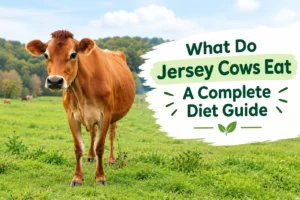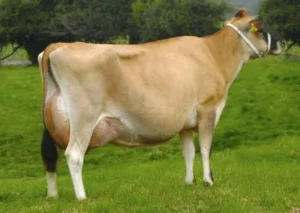
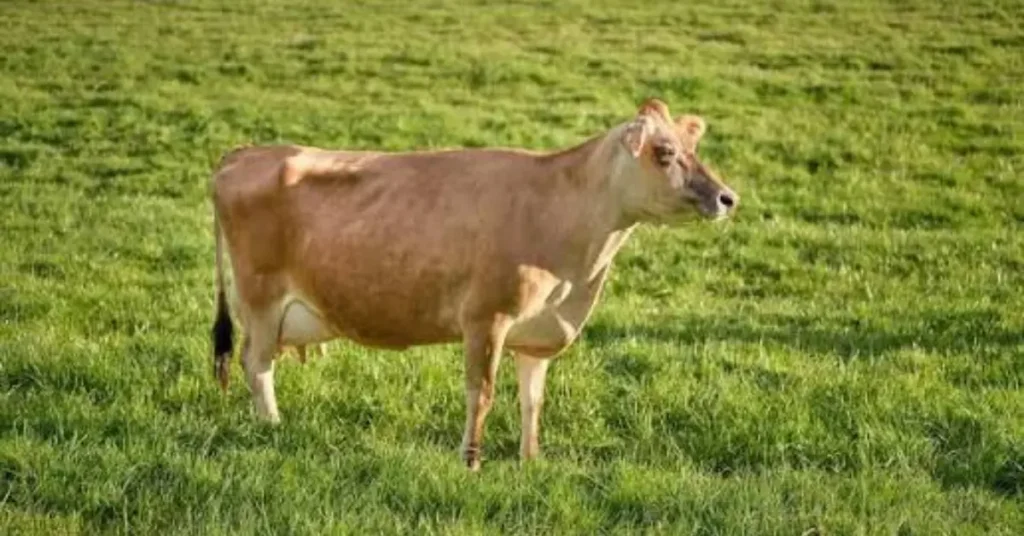
The Jersey cow is one of the most recognized dairy cattle breeds in the world. Its light brown coat and large dark eyes give it a soft and attractive appearance. Yet most farmers choose this breed for a more practical reason. Jersey cattle produce rich milk with high levels of butterfat and protein.
This milk works well for making butter and cheese and cream and yogurt. These valuable dairy products make Jersey popular with both commercial dairy farmers and homestead owners.
Jersey cattle are among the smaller dairy breeds. Their moderate body size can make them easier to manage on a smaller farm than a much heavier dairy animal.
Still good milk production requires more than buying the right breed. A Jersey cow needs proper nutrition and clean water and suitable land and regular health care. Responsible breeding and sensible cattle management are also important.
From what I have seen in dairy breed comparisons the Jersey often attracts people because it offers a useful balance. It is smaller than many dairy cows but still produces high-value milk. That combination makes it a strong choice for modern dairy farming and family milk production.
Jersey Cow Origin and History
The Jersey cow takes its name from the island of Jersey. This island is part of the Channel Islands and lies between England and France.
The breed’s origin goes back several centuries. Local island farmers wanted efficient dairy cattle that could produce rich milk without needing the same feed requirements as much heavier breeds.
The island location helped shape the breed.
Geographic isolation limited outside influence. Restrictions on cattle imports also helped maintain a more distinct cattle population. Over time this population developed into the modern Jersey breed.
Jersey cattle became known for three main qualities. They were relatively small cattle. They worked well as dairy animals. They also produced high butterfat milk.
These qualities created strong international interest.
The breed later spread through cattle exports to the United States and Canada and Australia and New Zealand. Jersey cattle also became established in many other dairy-producing regions. The American Jersey Cattle Association was established in 1868. It supports breed records and other cattle programs and cattle services connected with Jersey cattle in the United States.
Today the Jersey remains one of the major dairy breeds. Modern Jersey cattle may look different from their historical ancestors because of selective breeding. Farmers and breeders have focused on milk production and cattle health and body structure and other economically important traits.
Jersey Cow Size and Weight
The moderate size of Jersey cattle is one reason they appeal to small farmers.
A mature Jersey cow often weighs around 800 to 1200 pounds. The final individual weight depends on genetics and age and nutrition and health and daily cattle management.
Jersey bulls are much larger than cows. Mature bulls may weigh around 1200 to 1800 pounds or more. These are powerful animals even though the breed is smaller than some other dairy cattle.
Averages do not tell the whole story.
Different bloodlines can produce animals with different animal height and animal weight and body structures. A Jersey from one breeding line may look noticeably different from another. Compared with a Holstein cow the Jersey normally has a smaller body and lighter body.
This brings several practical advantages.
A Jersey may need less maintenance feed than a larger dairy animal. Smaller animals may also create less pasture pressure under similar conditions.
Still smaller does not mean tiny. A standard Jersey cow is a large farm animal. It needs secure fencing and proper handling facilities and enough grazing space and experienced care. Mini Jersey cattle and the miniature Jersey are separate categories. Some breeders advertise smaller animals with these names.
Potential buyers should ask about mature height and genetics and cattle registration. They should not rely only on a marketing label.
Jersey Cow Milk Production Per Day
Milk production is one of the main reasons dairy farmers choose the Jersey cow.
The exact daily milk production depends on several factors. These include genetics and age and lactation stage and nutrition and health and the number of previous calvings. Good farm management can also make a large difference.
A productive Jersey cow may give several gallons of milk per day. Some high-performing animals in commercial dairy systems can produce much more across a complete lactation.
However, the total volume does not tell the full story.
A comparison between dairy breeds based only on total milk volume can be misleading. Jersey milk is known for its high butterfat and strong protein content. This rich milk composition makes it useful for making butter and cheese and cream and ice cream and yogurt.
These are all high-value dairy products. A Holstein usually produces more total milk. A Jersey often produces milk with more valuable milk solids. This difference matters to both small and large farms.
A family may choose a homestead milk cow because of the Jersey’s manageable body size and rich milk. A commercial dairy operation may compare production efficiency and feed costs and milk pricing systems and component levels.
Good nutrition remains essential in every system.
A Jersey cow cannot maintain healthy milk production on poor feed. Lactating animals need a balanced diet with enough energy and protein and fiber and minerals and vitamins.
They also need regular access to clean drinking water.
Jersey Cow Lifespan
A Jersey cow can live for many years with proper care.
The natural lifespan of cattle can extend beyond their most productive period. Jersey cattle may live around 15 to 20 years in suitable conditions. However cattle lifespan and productive herd life are not the same thing.
A cow may leave a commercial dairy herd earlier because of reproductive problems or injury or disease or low production. Some removals also happen because of management decisions.
- Several factors influence lifespan.
- Genetics plays a major role.
- Good animal nutrition supports health throughout life.
- Hoof health affects mobility.
- Udder health can influence productive longevity.
Reproductive health also matters.
Proper housing and safe pasture conditions and regular disease prevention can improve long-term health. Good veterinary care also makes a real difference. Potential owners should not assume every Jersey cow will live for the same number of years.
Buying healthy animals from responsible breeders gives the cow a better start. Consistent long-term care can also support a longer life and healthier life.
Jersey Cow Temperament and Behavior
Jersey cows are often described as alert animals and intelligent cattle and curious cattle.
Many can also become manageable cattle when owners use calm and consistent handling. Properly handled cows may become comfortable around familiar people. This can make the breed attractive to family farms and homesteads.
Still, individual temperament varies.
Some Jersey cows are calm cows and gentle cows. Others may act like nervous cattle or active cattle. Some remain highly alert animals in unfamiliar settings. Early handling can influence animal behavior.
Cattle that experience calm human interaction may become easier to manage. Responsible handling also reduces stress and improves safety.
Owners should still respect the animal.
A cow has considerable animal size and animal strength. Even a friendly Jersey cow can cause accidental injuries. Cows may become more protective after giving birth. Owners should take extra care near a mother cow and her newborn calf.
Jersey bulls require much more caution. A young bull should never be treated like a pet. Mature dairy bulls can become dangerous bulls even when they appear calm earlier in life.
Safe cattle handling requires secure facilities and an understanding of livestock behavior. Owners should always respect the animal’s personal space and follow proper cattle safety practices.
Jersey Cow Colors and Distinctive Markings
Jersey cattle are known for their attractive appearance.
Their coat color can range from light fawn to dark brown. Other common colors and coat shades include golden brown and reddish brown and grayish brown.
Some animals may also show white markings. The Jersey has several distinctive features. Many animals have strong dark pigmentation. This may include a dark nose and dark skin around the eyes. The Jersey face often looks refined. The large expressive eyes are one of the breed’s most noticeable features.
Some animals also show a darker back line.
Coat appearance may change with age and season and nutrition. The final color can look slightly different from one individual animal to another. Jersey bulls often appear darker around the head and shoulders and neck than female cattle.
Appearance is attractive but it should not decide dairy animal quality. When choosing cattle owners should pay more attention to animal health and body structure and udder condition and genetics and production records.
Good cattle selection depends on practical traits rather than only breed appearance.
Are Jersey Cows A2 Milk Producers?
The connection between Jersey cows and A2 milk causes a lot of confusion.
- Not every Jersey cow produces only A2 milk.
- The difference comes from beta-casein and its genetic variants.
- An animal may test as A1A1 or A1A2 or A2A2.
- An A2A2 cow carries two gene copies of the A2 beta-casein variant.
Jersey cattle are often associated with a high A2 frequency compared with some other cattle populations. Still breed identity does not confirm the genetic status of an individual animal.
Genetic testing is the most reliable testing method. Dairy farmers who want milk from A2A2 cattle should test each animal. Buyers should not assume every Jersey sold as an A2 milk cow qualifies.
Ask for documented genetic test results before purchasing. Potential buyers should also remember that A2 status is only one of many dairy animal characteristics. Cattle health and temperament and fertility and udder quality and milk production and overall genetics remain equally important.
How Much Does a Jersey Cow Cost?
The price of a Jersey cow can vary widely.
There is no single standard price or fixed cattle cost. Price depends on age and location and health and pregnancy status. It can also depend on milk production and registration and pedigree and genetics.
The animal’s training and animal handling history may also affect the price.
- A young calf usually costs less than a proven milk cow.
- A healthy pregnant cow may cost more.
A trained family milk cow with a good temperament and reliable production record may also carry a higher price. Registered animals with valuable genetics can cost considerably more.
The purchase price is only the beginning.
Owners may also need to pay for fencing and shelter and feed and hay and minerals and veterinary care. Other expenses include breeding and milking equipment and water systems and transportation and land management.
A cheap cow can become expensive when it has serious animal health problems or reproductive problems or behavioral problems. Before cattle buying I would check health records and temperament and production history and management requirements.
The lowest price is rarely the best reason to choose a cow.
What Do Jersey Cows Eat?
Jersey cattle are ruminants.
Their digestive system allows them to use fibrous plant material that humans cannot digest efficiently. A basic Jersey cow diet may include pasture grass and hay and silage and other suitable cattle feeds.
The correct diet changes with the animal’s stage of life.
- A dry cow has different nutritional needs from a high-producing lactating cow.
- A growing calf has different needs from a mature adult.
- Pregnant animals also need careful nutritional management.
- Good pasture can provide an important source of animal nutrition.
However, pasture quality changes throughout the year. Grass that provides enough food during the growing season may become inadequate during winter or drought or other periods of limited growth.
Hay can provide additional forage.
Lactating cows may also need supplemental feeds to meet their energy and protein requirements.
Minerals matter too.
Owners should choose a proper cattle mineral program based on local conditions and professional guidance.
Clean water is essential.
A milk-producing Jersey cow may have high water consumption. The amount changes with temperature and body size and milk production and feed moisture and environmental conditions.
Every animal should have continuous water access to clean fresh water.
How Much Land Does a Jersey Cow Need?
There is no universal acreage requirement for a Jersey cow.
Cattle land needs depend on pasture productivity and rainfall and soil fertility and climate and the length of the grazing season. Animal size and farm management also matter.
A common general planning estimate is around 1.5 to 2 acres for a cow-calf pair. This is only a starting point. Productive pasture may support cattle on less land. Dry land and poor land and degraded land may require additional acreage.
The most important question is how much usable forage the property produces. One acre of high-quality pasture may provide more useful food than several acres with poor vegetation.
Rotational grazing can improve pasture efficiency.
Farmers move cattle between cattle paddocks while previously grazed areas receive time for pasture recovery. Still this method cannot create unlimited food. The farm must have enough farm forage production for the number of animals.
Small-property owners can sometimes keep Jersey cattle on limited acreage when they provide supplemental hay. They must also manage manure management and mud management and water and pasture damage.
This is very different from expecting a small pasture to provide all yearly animal food. Before buying cattle I would calculate available forage and hay costs and water supply and fencing needs and winter feeding requirements.
New owners should also check local livestock regulations. That gives a more realistic picture of cattle acreage and long-term pasture management.
Final Thoughts
The Jersey cow combines a manageable body size with rich milk and an attractive appearance and strong dairy characteristics. These traits explain why the breed remains popular on commercial dairy farms and family farms and with homesteaders.
Still successful ownership requires more than choosing a famous dairy breed. A Jersey cow needs proper nutrition and reliable water and secure fencing and suitable land and regular health care.
Good responsible handling matters too.
Milk production and lifespan and temperament and A2 milk status can vary between individual animals. Owners should look beyond general breed claims.
Study animal genetics. Check health records and production records. Understand feeding costs and cattle housing. Also calculate the amount of available forage the land can provide.
With careful selection and good management the Jersey can become a productive dairy animal and valuable cattle choice for a dairy farm or homestead. That is the foundation of responsible ownership and good cattle health and long-term livestock care.