Highland cows come from the cold and wet Scottish Highlands. Their long shaggy coats and thick hair make them look like animals designed only for snow and freezing temperatures. This is why many farmers and potential owners ask whether these cattle can handle hot climates.
The short answer is yes. Highland cattle can live in warmer climates with proper summer care. However their famous cold tolerance does not mean owners can ignore the risks of hot weather.
A Highland cow needs shade and fresh water and a comfortable farm environment during summer. High humidity and direct sunlight and poor airflow can increase the risk of heat stress.
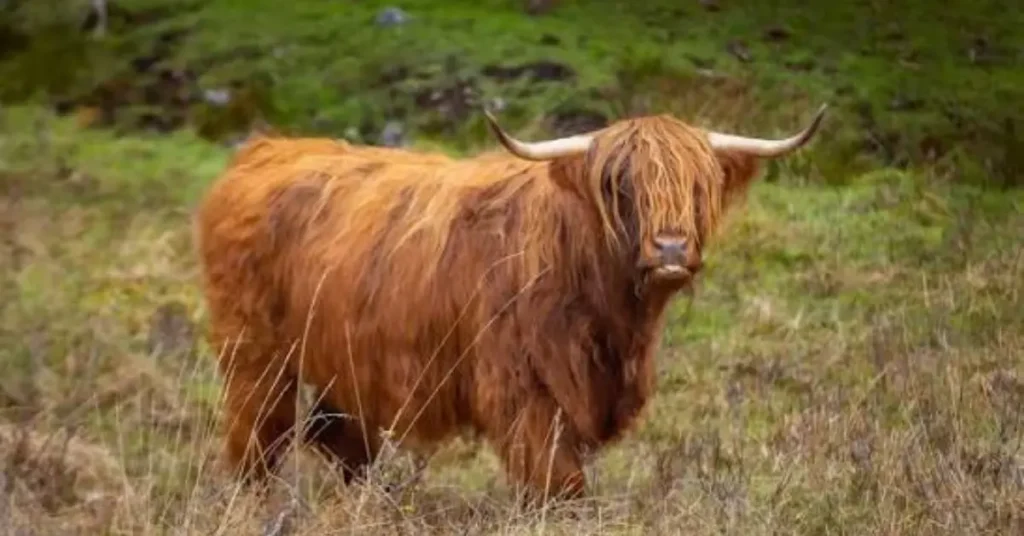
The breed has a distinctive double coat. The long outer hair offers rain protection during harsh weather. The softer undercoat provides insulation and natural protection during cold months. As the warmer months arrive the cattle begin natural shedding and lose part of their winter coat.
Still a good heat management plan matters in hot areas.
One thing I always consider when looking at cattle heat tolerance is the complete environment rather than the temperature alone. Direct solar radiation and wind speed and access to drinking water can completely change how an animal handles summer.
Hot humid conditions are often more challenging than dry heat with good wind movement. Warm nights can create another problem because the animal has less time to release accumulated body heat after a hot day.
For Highland cattle owners the real question should not be whether the breed can survive in a particular state. Look at your property conditions instead. A farm with clean water and good airflow and plenty of protection from the afternoon sun creates a very different environment from an exposed open pasture.
How Do Highland Cows Stay Cool in Summer?
Highland cows use several natural behaviors to deal with warm weather.
One of the biggest seasonal changes is seasonal shedding. As rising temperatures arrive the animals begin losing some of their heavier winter hair. This natural process helps prepare Highland cattle for warmer conditions.
Their daily behavior may change too.
During hot weather cattle often spend more time in shaded areas. They may show reduced activity during the hottest afternoon hours and become more active during cooler periods. Many cattle prefer cattle grazing during the early morning and evening when they can enjoy lower temperatures.
Good shade access can make a major difference. Natural trees may provide useful protection. Open-sided shelters and properly designed shade structures can also reduce exposure to direct solar radiation.
According to general agricultural guidance the combination of shade and water plays an important role in reducing the heat load placed on cattle. Drinking water becomes even more important as temperatures rise. Cattle facing increasing heat loads need reliable access to clean water and accessible water throughout the day. Then there is airflow. An open pasture with natural wind movement may feel more comfortable than a crowded enclosure filled with stagnant air.
I would also avoid creating one tiny shaded spot for a large number of animals. Overcrowding in shaded spaces can lead to cattle bunching. This may reduce airflow and create additional heat problems. A practical summer management plan should provide comfortable conditions for the entire herd and reduce unnecessary shade competition.
Can Highland Cows Get Too Hot?
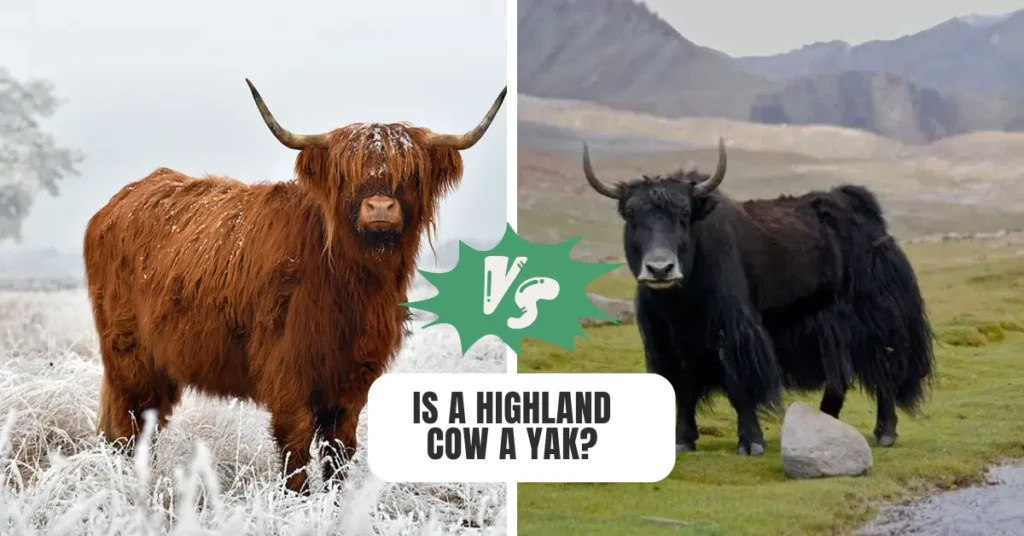
Yes. Highland cows can experience overheating.
The reputation of these animals as hardy cattle sometimes creates the wrong impression. People may believe they can handle all weather conditions without extra help.
That is not true. Highland cattle remain domestic livestock. Extreme temperatures and high humidity and intense sunlight can create serious physical stress. Heat stress develops when animal heat production and environmental heat become greater than the animal’s ability to manage body heat release.
Cattle cooling works differently from cooling in humans. An overheated animal may rely more heavily on panting and increased respiration to remove excess body heat and maintain a normal body temperature. The famous long coats of Highland cattle make responsible summer management particularly important in hot regions.
Several conditions can increase the overheating risk.
Direct sunlight adds solar heat. Poor airflow reduces natural cooling. Limited drinking water increases the dehydration risk. Crowded conditions can also prevent animals from reaching comfortable resting areas. Farm work deserves attention too. Cattle handling and cattle transportation during extreme heat may create additional physical stress.
I prefer the simple approach of matching farm work with the weather whenever possible. Good weather planning means avoiding the hottest hours of the day. The early morning can be a safer and more comfortable time for necessary livestock work.
Signs of Heat Stress in Highland Cows
Learning the common heat stress signs can help owners take action before the situation becomes serious. Early recognition is one of the best forms of emergency prevention.
Faster breathing may be one of the first changes you notice. The animal begins rapid breathing as part of its attempt at body cooling. You may also see increased water consumption and reduced feed intake. Some animals show reduced grazing activity and spend more time close to shade or a water source.
The signs may become easier to recognize as the condition gets worse. Watch for restlessness and excessive panting. Open-mouth breathing is one of the more serious warning signs.
Drooling and slobbering may also occur.
Some weak cattle show unusual tiredness or herd separation. A cow that suddenly moves away from normal herd activity deserves closer attention. Other signs include heavy panting and increased thirst and reduced appetite and less grazing. Excessive drooling and general weakness or unusual behavior should never be ignored.
Severe heat stress needs immediate attention.
Move the animal to a cooler area when safe movement is possible. Offer clean drinking water and contact a veterinarian if the animal shows severe distress or does not show normal recovery. Long-term heat exposure can affect animal welfare and growth and reproduction and general health. Acting early is always better than waiting for a minor heat problem to become an emergency.
What Temperature Is Too Hot for Highland Cows?
There is no single dangerous temperature for every Highland cow.
This surprises some new owners. Yet heat stress depends on far more than air temperature.
- Humidity matters.
- Direct sunlight matters.
- Wind speed matters.
- Nighttime temperatures matter.
Even coat condition and age and health can change how an animal responds. A healthy adult animal may handle the same conditions differently from a young calf or an older cow. The Temperature Humidity Index or THI is commonly used in livestock management because it looks at the combined effects of temperature and humidity.
This can provide a more useful picture of heat risk than the temperature reading alone. For example a hot dry day with good airflow may affect cattle differently from a cooler day with extremely high humidity and no wind. Nighttime cooling is another factor that owners sometimes overlook. Cattle body heat increases during the day. This daytime heat accumulation needs time to escape.
Cooler nighttime conditions support body heat release and help reduce accumulated heat. The situation becomes harder when high nighttime temperatures prevent normal daily recovery. Several consecutive hot days combined with warm nights can create more risk than one short high temperature period.
This is why I would never rely only on a thermometer.
Watch for breathing changes and changes in eating behavior and drinking behavior and grazing behavior. These signs can tell cattle owners a lot about herd health and how animals are responding to current weather conditions.
Do Highland Cows Need Shade in Summer?
Yes. Highland cows need access to summer shade during hot summer weather.
Shade plays an important role in heat stress prevention. Direct sunlight creates extra heat through solar radiation. A comfortable resting area away from intense sun gives cattle a place to recover. Natural shade from trees can work well. Farmers may also use artificial shade structures or an open-sided livestock shelter with good airflow.
The quality of the shade matters as much as having it.
Think about shade design and shade location. Small structures can cause animal competition and overcrowding. Dominant animals may take the best spots and prevent weaker cattle from using the shaded space. Owners should try to provide enough room for the entire herd.
Good air movement matters too. A poorly ventilated building may create more uncomfortable conditions than an open shaded area. Natural shade also affects pasture management. Heavy cattle traffic around water sources and trees can cause ground damage and muddy conditions.
Some farmers use portable shade structures and move them between grazing areas. The main goal remains simple. Combine drinking water and adequate shade with good airflow for effective heat stress reduction and better cattle welfare.
How Much Water Do Highland Cows Need in Hot Weather?
Water requirements change with hot weather.
The amount a cow drinks can depend on temperature and humidity and animal size and diet and age and reproductive status. A cow may drink much less during mild spring weather than during extreme summer heat.
This makes it difficult to give one exact number for all drinking water needs. The most practical approach is to provide constant access to clean water and fresh water. Continuous water access matters more than filling a small water trough once each morning and hoping the daily water supply lasts. Regular water source checks are essential.
Look at the trough refill rate. A system that works for one animal may struggle during herd drinking when several cattle arrive together. Clean dirty troughs because poor water quality may reduce water consumption. Provide accessible water in locations the animals can reach easily.
Cattle gathering around poorly designed watering areas can create crowded conditions and muddy conditions.
Do not forget to inspect the water systems themselves.
Broken pipes and slow pumps and empty storage tanks can create dangerous conditions very quickly during extreme heat. Water demand rises during heat stress because of increased moisture loss and the body’s need for body cooling. Good agricultural guidance usually emphasizes access to plenty of cool water as part of dehydration and heat stress prevention.
From a practical point of view regular water trough inspections are one of the easiest jobs an owner can do. They take little time and can prevent serious problems with heat-stressed cattle.
Should You Trim a Highland Cow’s Coat in Summer?
The Highland cow coat creates many questions about summer coat care. Some Highland cattle owners immediately consider coat trimming when temperatures increase.
Yet Highland cattle already use seasonal shedding to lose part of their winter hair during rising temperatures. Because of this natural shedding process routine full-body shaving may not be necessary for every individual animal.
Look at the complete environment first.
- Is the animal showing normal shedding?
- Does it have shade access?
- Is fresh water always available?
- Does the property have good pasture airflow?
- Are there any heat stress signs?
These questions are more useful than looking only at coat length.
A cow with a healthy seasonal coat in a well-managed environment may not need aggressive trimming. Excessive hair removal may also reduce sunlight protection and insect protection and other forms of environmental protection.
However individual conditions matter. A cow with a medical condition or unusual coat problem may need a professional evaluation. Before clipping or shaving an animal speak with a veterinarian or an experienced Highland cattle professional familiar with your local climate.
Good summer coat management should support the complete heat management plan. It should never replace shade and drinking water and ventilation and appropriate handling practices.
Can Highland Cows Live in Texas?
Yes. Highland cows can live in Texas.
However the Texas climate changes significantly across the state. Conditions in the Texas Panhandle can differ from East Texas and Central Texas and the Gulf Coast. Temperature and humidity and rainfall and pasture conditions create major regional climate differences.
Instead of simply asking whether the breed can live in Texas I would look at the individual Highland cattle property. Can it provide suitable management during the hottest months?
A good property needs reliable water systems and adequate shade and good airflow. Owners should also consider pasture management and parasite control and mineral nutrition and veterinary care. Farmers need to watch local weather forecasts and adjust livestock handling during heat waves. The combination of heat and high humidity can increase the risk of problems.
Provide continuous water access and shade access during warm weather. Regular heat stress observation also matters. Potential owners should consider the animal’s previous environment. Moving cattle from a northern environment directly into southern heat may require careful planning and climate adjustment.
Acclimation should happen gradually when possible. Gradual acclimation gives the animal more time to adjust. Consider animal age and animal health and body condition too.
Never depend on breed hardiness alone. Responsible management remains the most important factor. A well-prepared property should provide fresh water and enough herd shade and appropriate pasture. Owners should also have a heat emergency plan. The same ideas apply to other warm regions of the United States.
Successful ownership depends on understanding animal limits and responding to local weather conditions before a serious problem develops.
Final Thoughts
Highland cows can live in hot climates but they need responsible summer management. Their long double coats and Scottish history make them famous for cold conditions. Yet warm weather does not automatically prevent the breed from living in southern locations.
At the same time breed hardiness should never become an excuse to ignore heat stress. The safe approach is to focus on the complete animal environment. Provide clean drinking water and reliable shade access and good airflow. Reduce unnecessary cattle handling during extreme heat.
Watch eating habits and drinking habits. Learn the early heat stress signs before summer temperatures reach dangerous levels. Remember that temperature tells only part of the story. Humidity and sunlight and nighttime cooling and animal health can completely change the risk.
This becomes especially important for owners in Texas and other hot regions. The question should not only be about Highland cow survival. Good farm management should aim to keep healthy cattle and comfortable cattle throughout changing summer conditions.
With proper planning and close observation the natural Highland cattle adaptation can allow these animals to live across a wider climate range. In the end responsible cattle ownership and good heat management protect both productivity and animal welfare.