Average Highland Cow Calf Price
There is no single official Highland calf price. Each breeder sets a price based on the animal and the local market.
A useful 2026 market guide places many standard Highland calves between $2,500 to $5,500. Registered calves from premium bloodlines may start near $4,000 and move above $8,000. The final amount depends on age and registration and genetics and weaning status.
The following figures offer a broad guide.
- A commercial calf or unregistered calf may cost around $1,500 to $3,500.
- A standard Highland bull calf may cost around $2,000 to $5,000.
- A Highland steer calf may cost around $2,500 to $4,500.
- A standard Highland heifer calf may cost around $3,500 to $7,000.
- A registered breeding-quality heifer may cost $5,000 to $10,000 or more.
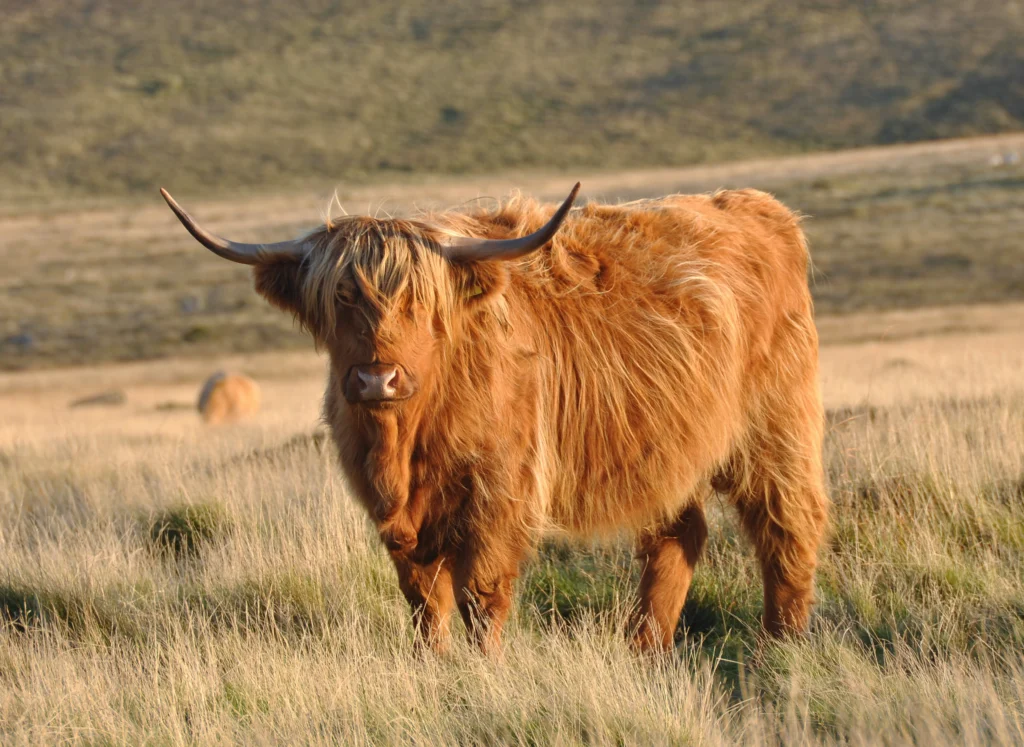
A calf advertised as a mini Highland calf may cost $3,500 to $13,500 or more in some seller markets. A premium show animal or rare breeding animal may move above these broad price ranges.
These figures are not a guaranteed price list. A calf in one state may cost much less than a similar animal near a city with strong hobby-farm demand. Local supply and city demand can change prices quickly.
The American Highland Cattle Association has registered cattle listings and a breeder directory. Its classified page does not display prices. A buyer must use direct breeder contact and make an individual animal comparison.
A lower-priced calf may be a bull calf with no breeding use. It may be an unregistered animal or a Highland cross. It may also have incomplete health records or come from ordinary commercial bloodlines. An older steer may sell for less than a young female. A calf that needs more training may also carry a lower price.
A higher-priced calf may be a registered heifer with proven show genetics. It may come from tested parents and have a popular accepted coat color. A halter-trained animal with strong conformation may also bring a premium.
A respected breeder may charge more because the sale includes records and support. That higher price can reduce the risk of a serious post-sale cost.
Never assume a cheap calf is a bargain. A calf with chronic illness or poor structure may cost far more after the purchase.
Summary
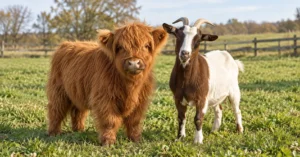
A Highland cow calf has a memorable appearance. It has a thick fluffy coat and long hair with a gentle-looking face. Even a young calf carries the classic appearance of the Scottish Highland breed.
Many buyers first discover these animals through farm videos and social media photos. A cute calf can make cattle ownership look easy.
It is not.
A Highland calf is not a household pet. It is social livestock that will grow into a strong adult animal. Proper cattle ownership requires planning and daily work. The calf needs suitable pasture and secure fencing. It needs hay and fresh water and minerals. It also needs regular health care and access to veterinary care. A buyer must think about animal companionship too. Highland cattle prefer living with other cattle. One calf should not spend its life alone.
The purchase price changes with age and sex and registration status. Other factors include pedigree and bloodline and weaning status. The calf’s health records and temperament also matter. So do coat color and horn status and breeding potential.
Location and transport distance may add a large amount to the final sale price.
Current guides often place standard calves around $2,500 to $5,500. Some registered animals and well-bred heifers sell for much more. Recent breeder listings and sales also show individual registered cattle selling around $5,000 to $6,000.
A heifer calf usually costs more than a bull calf or steer. A young female may later join a breeding fold and produce calves. A registered steer may still make a suitable pasture animal. It usually carries less breeding value than registered heifer calves. A responsible buyer plans beyond the calf price. This includes land preparation and winter hay and cattle equipment.
Highland Heifer Calf Price
A heifer is a young female that has not produced a calf.
Highland heifers often cost more than male calves because they have future breeding value. A healthy heifer may produce future calves for many years. Buyers who want to build a breeding fold often compete for females with clear ancestry and strong maternal bloodlines.
A registered female may cost $5,000 or more. A heifer with show success and desirable genetics may sell for a higher amount. Recent registered Highland sales show individual animals selling near $5,000 and $6,000.
Price should reflect more than advertising appeal.
A valuable heifer should have good feet and sound legs. She should show sound movement and a balanced body structure. Look for a healthy growth rate and suitable body condition. The animal should have normal breathing and no clear movement problem.
A heifer also needs a calm temperament with a respectful temperament around people. A friendly animal should still respect human space. Check the correct identification and complete health records. Ask for a clear pedigree. A fluffy face can attract buyers. It does not prove breeding quality.
Highland Bull Calf and Steer Price
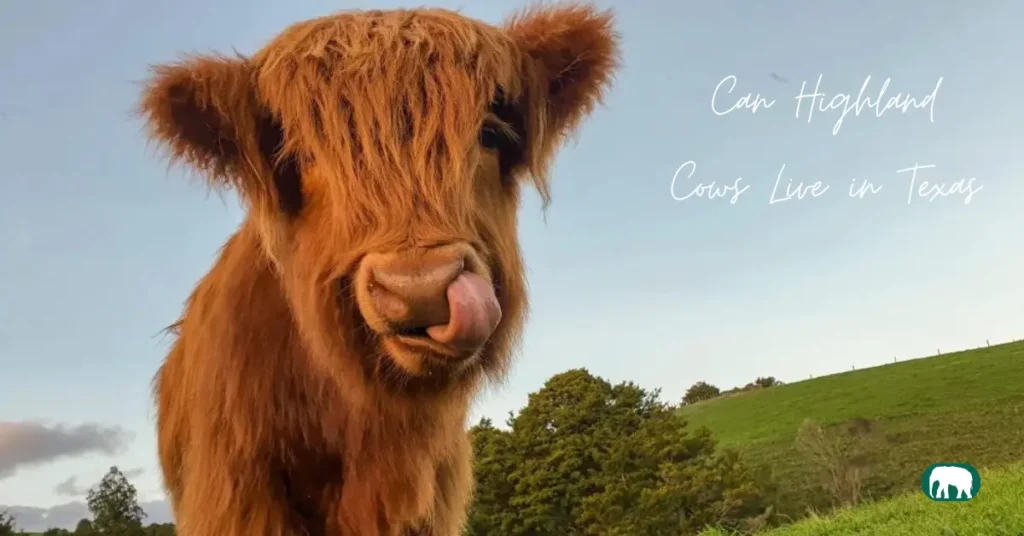
A bull calf is a young uncastrated male.
Bull calves may carry a lower price because many small farms do not need a breeding bull. The market needs fewer breeding males than heifers.
A male with excellent structure and useful genetics may still have strong value. Only suitable males should stay as breeding bulls. Keeping a bull requires strong facilities and experienced handling. A mature bull becomes one of the strongest cattle on a farm.
A steer is a castrated male. Steers can suit owners who want a pasture companion or simple livestock project. A steer may show a more calm temperament than a breeding bull. It may also offer simple management for a beginner.
Steers remain large animals. They may show normal horn growth and still need careful livestock safety. Prices for registered Highland steers can vary with location and age and training. Some current breeder examples and association listings place young registered males around $3,000 to $5,000.
What Affects the Price of a Highland Calf?
The final Highland calf price comes from multiple factors.
The main factors include sex and age and health. Registration and pedigree can also raise the final price. Buyers should consider the animal’s bloodline and genetics. They should also check purebred status or crossbred status.
Other important points include weaning status and veterinary records and temperament. Training and coat color may affect what people will pay. Breeding potential and market demand also change the value. A strong breeder reputation can increase the price because trusted sellers often provide better support and clearer paperwork.
Sex and Breeding Potential
A heifer usually carries a higher price because she may produce future calves.
A bull calf may also have value when it comes from proven bloodlines. It should show suitable breeding structure and body structure. A seller should not use the term breeding quality only because the calf has an attractive appearance. Real breeding quality should include good health and useful genetics. The animal should have correct legs and a balanced body. An ordinary male with no breeding role may receive steer conversion and sell for a lower price.
Registration and Pedigree
A registered Highland calf has a recorded identity through a recognized breed organization. Registration may confirm the animal’s registered name and date of birth. It should record the sex and the sire and dam. Records may also show the breeder and owner and fold identity. They can include pedigree information and a registration number.
The Highland Cattle Society records pedigree and ownership information for registered cattle. The American Highland Cattle Association also maintains an American breed registry. Good registration provides clear birth information and breed information. It supports later family research. The buyer should check that the papers show matching records. The registration number must match the calf’s official identification. Registration creates registration value. It does not automatically provide a health guarantee or temperament guarantee.
Papers cannot replace a real inspection of the animal.
Purebred or Crossbred
A pure registered Highland usually costs more than an animal with partial Highland ancestry. A crossbred calf can still be a healthy animal and a useful animal. The seller must give an honest seller description.
Some crosses may have the same fluffy appearance used in Highland cow advertising. Common crosses may include Highland and Dexter or Highland and Angus. Sellers may also advertise Highland and White Park animals or other miniature breed crosses.
Ask for the exact breed percentage.
Do not accept a picture as pure Highland verification. Check registration and parent records.
Bloodline and Genetics
A strong bloodline can support a higher price.
Breeders often value parents with good calving records and strong maternal ability. They also look for sound feet and sound legs. Correct horn development and a calm temperament matter too. Other useful traits include healthy growth and quality beef traits and productive longevity.
Some buyers value show results. Yet practical health and correct structure should remain more important. Check parent records and sire records and dam records. These can offer clues about mature size. This matters when someone advertises a smaller-than-normal calf.
Age and Weaning Status
A young calf may have a lower cost. It may also require extra care.
A bottle calf depends on correct milk feeding. It needs close health observation and may face greater risk if it did not receive enough colostrum after birth. A fully weaned calf has reached greater milk independence. It should eat forage and other suitable feed.
Ask about the calf’s current diet.
A weaned calf should have enough time to adjust before transport. Avoid same-day weaning and travel when possible. Both weaning stress and transport stress can affect health.
Health and Veterinary Records
A healthy calf should have a clear medical history.
Ask for vaccinations and parasite control records. Check any past veterinary examinations and health tests. The records should show birth information and the weaning date. They may also include identification numbers and movement certificates. Ask about past illness and any medications.
Look at the animal carefully.
It should have clear eyes and normal breathing. It should show free movement and food interest. Persistent coughing needs a health investigation. So do diarrhea and poor body condition.
Coat Color
Highland cattle have several Highland colors.
These include red and black and yellow and dun and brindle and white. Some buyers pay a color premium for uncommon colors or a perceived rare color. The value of color changes with market trends and regional demand. A higher coat color value does not mean better health or structure. A buyer should give more importance to temperament and genetics than appearance.
Temperament and Training
A halter-trained calf may command a higher price because the breeder has invested breeder time in its education. Good training may include standing quietly and halter acceptance.
The calf may learn lead walking and gate movement. It may also accept brushing and trailer loading. A calm calf should show friendly behavior without pushy behavior. It must respect human space and normal livestock boundaries. Good trust building supports safe handling. Treating the calf like a dog can create problems when it reaches adult weight.
Breeder Reputation
An established breeder may charge a higher price because the sale includes more support.
The breeder may provide reliable records and registration support. They may give the buyer a clear health history and feeding instructions. Other support may include transport preparation and after-sale advice. Ask for parent information and honest mature-size estimates. A trustworthy sale should include a written contract.
The AHCA breeder directory gives buyers a useful buyer starting point for finding association members. A directory listing should not replace independent checks.
Mini Highland Calf vs Standard Highland Calf Price

Mini Highland cattle often appear with a higher price than standard calves. Strong market demand comes from small farms and social media buyers who want a compact fluffy cow.
Some mini-cattle listings advertise animals for several thousand dollars. Premium heifers may sell for more than $13,000 based on size and sex and color. These figures are often seller asking prices rather than confirmed national averages.
Buyers should not assume an expensive mini calf has better health.
The terms mini and micro mini category often depend on seller-defined terms. Major recognized Highland organizations do not publish one universal mini category for the full Highland breed. A seller may use a separate miniature registry or measurement system. Ask which system supports the claim. A calf sold as mini may be a young standard Highland. It may be a compact pure Highland or selectively bred smaller animal.
It may also be a Highland cross or Dexter cross. Some are small-breed crosses with an unofficial size label. A tiny calf may show delayed growth or poor growth rather than healthy small genetics. Ask for the current age and current weight. Request the measured shoulder height. Check the sire adult height and dam adult height. Ask for photos of mature relatives.
Review the registration papers and exact breed percentage and health records. Ask for an expected adult weight and written size estimate before paying a miniature premium. The smallest height should not be the main goal. Choose sound legs and a strong body.
Standard Highland Calf Price
A standard Highland calf is often easier to compare with normal breed information. A buyer can inspect the registered parents and check the expected adult growth. Many standard calves fall near $2,500 to $5,500. Registered heifers and premium breeding prospects may cost more.
A small calf will still become a large farm animal. A mature cow may weigh 900 to 1200 pounds. Mature bulls may reach 1500 to 1800 pounds. The owner must provide full-size livestock facilities even when the animal looks small at purchase.
Extra Costs After Buying a Highland Calf
The purchase price is only the first cost.
A complete first-year setup may cost as much as the calf cost. Main ongoing ownership costs include land and pasture and fencing. The owner also needs shelter and shade.
Other costs include hay and feed and water equipment. Plan for veterinary care and handling equipment and transport. The calf also needs herd companionship. Keep an emergency fund for unexpected costs.
Land and Pasture
A Highland calf needs suitable land for grazing and free movement. The correct stocking rate depends on soil quality and rainfall. It also depends on grass species and the growing season. Winter length and animal numbers change pasture capacity. Strong pasture management may reduce the need for supplemental feeding. Weak land may require more purchased feed.
There is no universal acreage number for every farm. A local agricultural extension service can help calculate the land needed for Highland cattle.
Questions to Ask Before Buying
- Ask for the exact calf age and exact date of birth.
- Confirm whether it is a bull or steer or heifer.
- Ask whether it is pure Highland or a crossbred calf.
- Request the exact Highland percentage.
- Check the registration status and ask which registry holds the papers.
- Request the parent registration numbers for the sire and dam.
- Ask about parent height and mature relative weight.
- Confirm whether it is a fully weaned calf and ask about the current feed.
- Ask whether it received enough colostrum intake after birth.
- Review all vaccinations and the last parasite treatment.
- Ask about past sickness and any known genetic issue.
- Check halter training and trailer loading.
- Confirm the sale inclusions and who handles transport payment.
- Ask for a health guarantee and signed bill of sale.
AHCA guidance notes that normal breeding guarantees may not automatically cover calves under 12 months. Any breeding guarantee should appear clearly in the written agreement.
Final Thought
A Highland cow calf price often falls around $2,500 to $5,500 in current standard-calf guides. Unregistered animals and a basic calf may cost less. Registered heifers and premium animals may carry high asking prices. Mini calves may also cost more because of strong demand and an inconsistent label.
The cheapest animal does not always offer the best value.
Choose a healthy Highland calf with good body structure and honest records. Do not pay extra only for a rare color or extra-fluffy coat. Calculate the full ownership cost before buying. Include pasture and fencing and hay and water and shelter. Add transport and veterinary care and suitable companionship.
Keep an emergency fund.
Complete a seller verification and registration verification. Arrange a live calf viewing and complete a parent inspection when possible. Put all written promises into the sales agreement. A calf from a responsible breeder can become a rewarding farm animal. The safest purchase begins with patience and careful research instead of a quick payment for a cute photograph.