How Much Milk Do Highland Cows Give?
A Highland cow gives a modest amount of milk when you compare her with true dairy breeds. On many small farms, owners may get around 1 to 2 gallons of milk per day from a milked Highland cow. Some cows give less milk, and some may give more milk, but owners should not expect huge dairy output.
The real milk amount depends on many things. Milk yield changes with age, feed, health, genetics, calf demand, milking routine, udder quality, and stage of lactation. A cow usually gives more during early lactation after calving. After that, the amount slowly drops.
If the calf stays with its mother, the calf drinks milk before a person milks the cow. So the owner may only get extra milk, not the full daily production. This is why Highland cows can work for a small homestead, but they do not suit someone who wants many gallons every day.
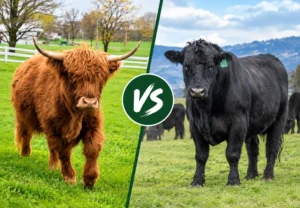
Highland cattle do not compete with Holstein, Jersey, Guernsey, or Ayrshire cows in milk volume. Farmers shaped those dairy breeds for milk production over many generations. Highland cattle carried different strengths: survival, strong calves, rough grazing, beef quality, weather resistance, and mothering ability. A Highland cow can still give rich milk while raising a calf, but people should see her as a hardy cow and a useful cow, not a large dairy machine.
Do Highland Cows Produce Milk?
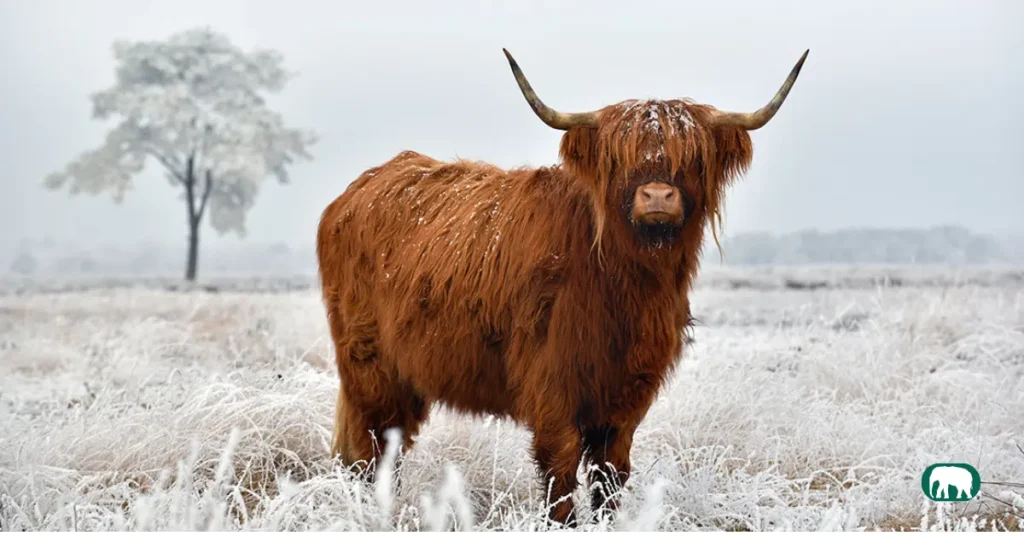
Yes, Highland cows produce milk. Like other female cattle, a Highland cow gives milk after she has a calf. She makes milk first to feed her calf, not to fill tanks for a large dairy farm. This point clears up a common mistake. Some people see Highland cattle as beef animals and think they do not give milk. They do give milk, but they give less than a modern dairy cow.
Highland cow milk often has a rich milk feel and can help with calf growth. A healthy Highland calf can grow well on mother’s milk because the milk gives good nutrition. The breed’s breed development happened in the rough Scottish Highlands, where cows had to raise calves on simple grass, rough land, and hard weather. So the milk needed to support a strong calf, even when the cow did not produce huge dairy volumes.
In simple words, Highland cows act as milk producers, but they are not high-volume milk machines. They are hardy cattle first. Their milk fits calf raising, small farm use, family milk, and sometimes specialty dairy products.
Can You Milk a Highland Cow?
Yes, you can milk a Highland cow if she acts like a calm cow, stays a healthy cow, becomes a trained cow, and the owner handles correctly. Still, milking a Highland cow can feel different from milking a dairy cow. Many dairy cows already come from lines that accept daily milking and the same routine. A Highland cow may need owner training and gentle training before she trusts the process.
The best time starts after calving, when the cow begins lactation. The owner should always make sure the calf gets enough milk first. Many small farms use a shared milking system. The calf drinks from the cow, and the owner milks once a day for extra milk. This often works better than taking all milk away from the calf.
A good milking setup needs a clean area, calm handling, safe restraint, clean hands, clean equipment, and a healthy udder. The cow should not become a scared cow or rushed cow. Highland cows can stay gentle, but they remain large animals with horns and strong bodies. So safety matters every time.
Owners should also watch for mastitis, sore teats, udder swelling, bad smell, clots in milk, and milk color changes. If the milk or udder looks wrong, a vet check helps protect the cow. Clean milking also protects the people who use milk.
Are Highland Cows Good Dairy Cows?
Highland cows can give milk, but most farmers do not call them good dairy cows in the commercial sense. A true dairy cow gives large amounts of milk and fits regular milk production with a daily milking system. Highland cattle usually do not match that kind of dairy job.
I would describe them more as dual-purpose cattle or beef-focused cattle with useful milk for calves. Their biggest strengths include hardiness, easy calving, strong mothering, rough grazing, cold weather tolerance, long life, and high-quality beef. Their milk value matters, but milk does not act as the main purpose on most farms.
On a family farm, the answer can feel more flexible. A calm Highland cow may give enough milk for home use if the family does not need a large supply. Some owners enjoy Highland cow milk because it can taste rich and creamy milk. On a small scale, people may use it for butter, cream, cheese, yogurt, and ice cream.
A person who wants a true milk cow may prefer Jersey, Guernsey, Brown Swiss, Ayrshire, or Holstein. These breeds carry stronger dairy genetics and usually give more milk. A Highland cow suits someone who values a hardy cow more than high milk volume.
What Is Highland Cow Milk Used For?
Highland cow milk mostly feeds calves. That is the most important use. A strong calf needs good milk during early life, and Highland cows often make careful, protective mothers. Their milk helps build calf strength, body weight, and early health.
On small farms, people may also use the milk for family dairy needs. Some owners use it as drinking milk after proper handling and safety steps. They may also turn it into butter, cream, cheese, yogurt, and ice cream. Because it can feel like rich milk, it works well for creamy products on small farms.
Some farms also use Highland cows for farm experiences. Visitors may know them for long hair and horns, but they may not know these cows produce milk after calving. This makes cattle milk a useful topic for education, farm tours, homesteads, and children’s learning.
If people use the milk as human food, they should follow safe dairy rules. Clean milking, proper cooling, healthy animals, and local milk laws matter. Raw milk can carry harmful germs, so families should take food safety seriously.
Highland Cow Milk vs Dairy Cow Milk
Highland cow milk and dairy cow milk differ mainly in purpose and quantity. A Highland cow produces milk to raise her calf and may give extra milk for a small farm. A dairy cow gives larger amounts because farmers bred dairy cattle for milk volume over many years.
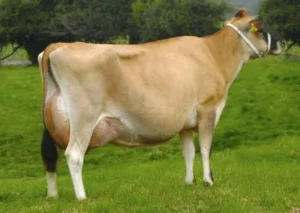
A Holstein cow leads in high milk production. Jersey cows often give milk with rich butterfat. Guernsey and Ayrshire cows also have strong dairy histories. These breeds fit milking barns and dairy systems better than Highland cattle.
A Highland cow gives less milk, but she may still give rich and useful milk. She may also need less perfect pasture than some dairy breeds. She can handle rougher land and tougher conditions, which makes her valuable cattle for homesteads, grass-based farms, conservation grazing, and beef farms.
The milk volume comparison stays simple. Dairy cows win in daily milk production. Highland cows win in hardiness, rustic farm value, calf raising, and beef use. Choose a dairy breed if you want lots of milk. Choose a hardy cow if you want strong calves, some milk, and real farm charm. For the right owner, that can become a good choice.
Why Highland Cows Are Mostly Raised for Beef
Most Highland cows are raised for beef because the breed fit works better for beef farms than dairy farms. Highland cattle grow well on grass, handle rough land, and produce beef that many small farms sell as a specialty product. They may show slower growth than some commercial beef breeds, but farmers often value their hardiness and meat quality.
Highland cattle also do well in places where cattle struggle. They can graze rough pasture, brushy land, hills, and colder areas. This makes them useful for conservation grazing and land management. Farmers may use them to manage grass, weeds, and rough plants while keeping a heritage cattle breed alive.
Their milk still matters, but mostly for calves. A cow that raises a healthy calf adds real farm value. For beef producers, strong mothering and calf growth matter more than filling a milk tank.
That gives Highland cows a special place. They produce milk, but they are not common dairy cows. They can support a calf, give some milk for small farm use, and still stay best known for beef, mothering ability, and their famous Scottish look.