Why Texas Weather Can Be Hard for Highland Cows
Texas weather tests Highland cows in a way that cooler land does not. This breed came from Scotland, where cold wind, rain, and rough hills shaped its body. A Highland cow carries a thick coat, and that coat helps in cold places. In a Texas summer, the same coat can trap warmth, especially during long heat seasons.
Many parts of Texas face high temperatures, strong sun, dry heat, or humid heat. During the day, cattle build body heat. At night, they need to cool down at night when the air temperature drops. But in many Texas areas, warm nights do not give the body enough rest before the next hot day begins.
I pay extra attention to humidity when looking at cattle comfort. In East Texas, South Texas, and the Gulf Coast, the air can feel like heavy wet air. High humidity makes cooling body harder. In West Texas and the Texas Panhandle, the drier air helps a little, but open land, direct sun, and no shade still create heat problems.
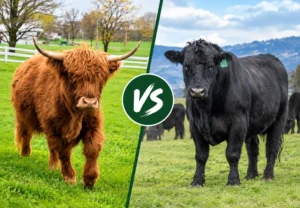
Coat color also matters. Dark coat color can pull in more heat under the sun. Some Highland cows have black coats, red coats, yellow coats, brindle coats, dun coats, or silver coats. Darker coats need more shade importance because the sun can warm them faster.
Texas land also changes fast. Texas grass and pasture can shift with each season change. During drought, a field may turn into dry pasture with low nutrition. Highland cattle can graze rough plants, but they still need good hay, minerals, and enough feed when pasture quality drops.
Can Highland Cows Live in Texas?
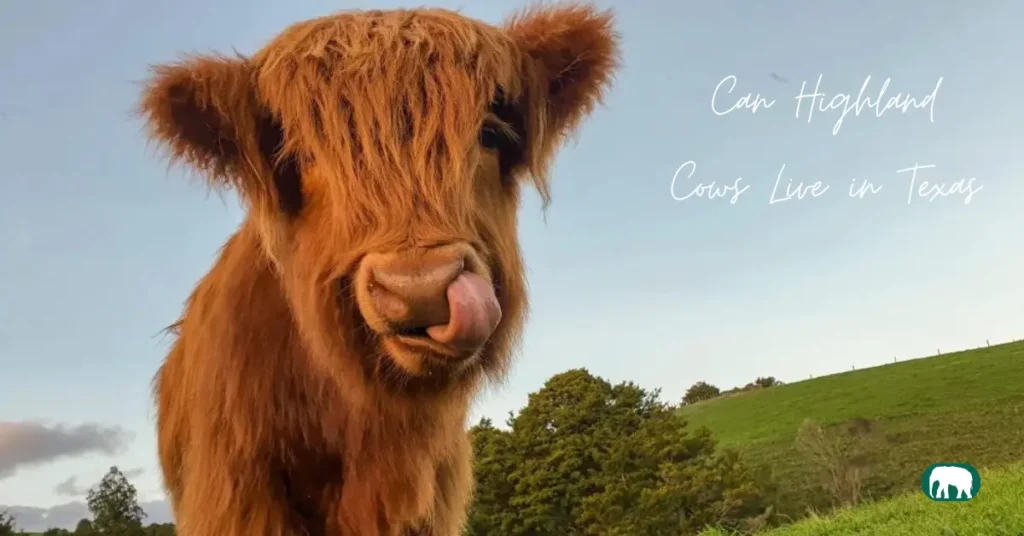
Yes, Highland cows can live in Texas, but they need serious heat care and smart farm planning. This is not a simple yes or no question. A better balanced answer says this: Highland cattle can adjust to different places, but Texas weather and long hot months demand a careful owner.
The breed came from the cold and wet Scottish Highlands, so its long shaggy coat helps it stay warm in cooler states. In hot summers, that same coat challenge can make life harder. A good owner needs to plan shade, clean water, airflow, pasture, shelter, and daily cattle care before the heat arrives.
A Highland cow may show a calm look while still feeling hot. That is where experience matters. Owners should check body language, breathing, feed intake, and time in shade every day. In June, July, August, and early fall, Texas heat can push this breed harder than many people expect.
I would never manage a Highland cow like a normal short-haired beef breed in Texas. It needs more attention. The right setup makes the biggest difference. A farm with trees, open land, water access, wind movement, and low-stress handling gives the cow a better chance of staying healthy.
How to Protect Highland Cows from Texas Heat
To protect Highland cows from Texas heat, start with summer planning before the first hot week arrives. Do not wait for a stressed animal. Good heat protection starts with the farm setup from day one.
Give both natural shade and built shade where possible. Trees help because they create cool ground and support airflow. A shade shelter also helps if it has open sides. Avoid a closed shed that creates a hot air trap. Sometimes the outside air feels cooler than a tight building with no breeze.
Water matters just as much. Highland cattle in Texas need fresh water with all day access. Keep water troughs, clean troughs, and full troughs ready during hot weather. Cattle may drink more than usual in summer. Far water, hot water, dirty water, or empty water can cause quick cow health decline.
Owners should also reduce stress. Do not move cattle, load cattle, vaccinate cattle, or work cattle during the hottest part of day. Use the early morning as a safer time. Evening can work after the temperature drop begins. Stress and heat create a dangerous combination.
A good pasture layout helps daily comfort. A smart pasture gives more than one shade area, water nearby, open space, and a breeze. Cows should not take a long walk to drink under direct sun.
Also watch the coat. Highland cattle may shed hair in warmer weather. Good grooming can remove loose hair, mud, and dead coat. Do not shave Highland cow hair without expert advice or a real health reason. Good coat care should give animal support, not cause sunburn or skin problems.
Shade Water and Shelter Needs in Texas
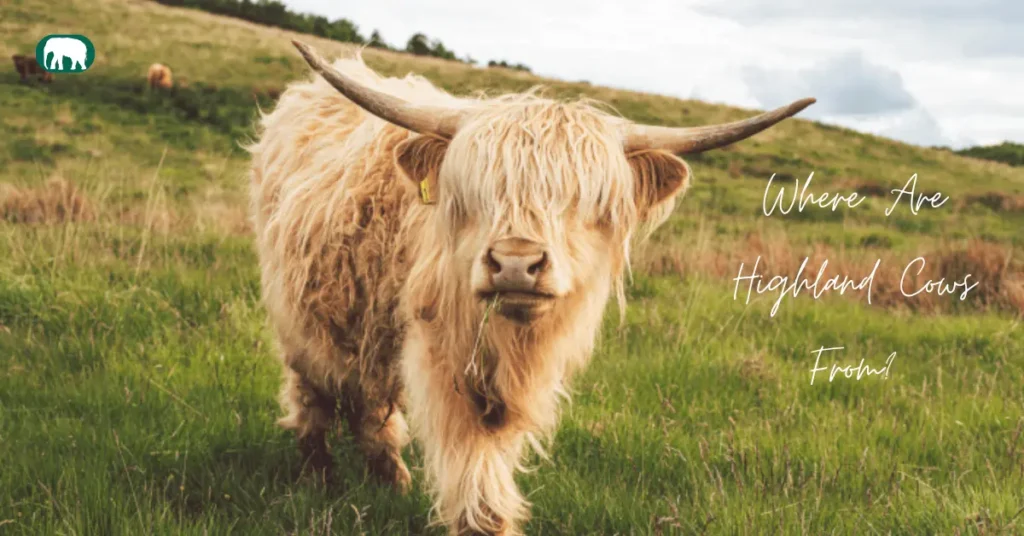
In Texas, shade, water, and shelter count as basic needs for Highland cattle. A Highland cow under July sun can turn into an uncomfortable cow or even an unsafe cow if the farm gives poor protection.
Good shade can come from large trees, shade cloth, open-sided barns, loafing sheds, and roofed shelters. A high shelter with strong air movement works better than a low hot shed. If several cows use one shared shade area, the farm needs large enough shade so weaker animals do not get pushed out.
Keep water close by to the cattle spending area. Cows should not cross a hot dry pasture just to drink water. Do daily trough checks, and in very hot weather, make more than once checks because cattle drink more and water heats fast.
A good shelter gives sun protection and also protects from storms, strong wind, intense heat, heavy rain, sudden storms, and cold snaps. Highland cattle handle cold well, but they still need a dry place during rough weather.
Do not ignore minerals. Hot weather eating and hot weather drinking can change cattle needs. A smart mineral program gives health support, but owners should ask a local cattle vet or extension expert because soil quality, forage quality, and water quality can shift as area changes.
A Texas setup also needs strong fencing. Highland cattle carry horns and a strong body. Weak fencing near roads or neighbor property can create problems. A safe Texas setup includes strong fences, gates, water points, and enough space.
Best Texas Areas for Raising Highland Cows
The best Texas areas for raising Highland cows usually give open land, better airflow, and less extreme humidity. The Texas Panhandle, North Texas, and parts of West Texas may work better than some hotter regions or humid regions because cooler nights and air movement can help the cattle recover.
The Hill Country can also work when a property has farm trees, water, and good shade. Many farms there have rocky land and brush. Highland cattle can act as useful grazers, but they still need safe fencing and strong summer care.
East Texas gives more trees and natural shade, which helps. But owners must watch heat stress because high humidity can trap heat. Shade alone not enough when cattle stand in heavy still air. Farms there need water, airflow, and low-stress handling.
South Texas and the Gulf Coast create more challenging areas. Heat and humidity can last for long periods. Owners there need serious heat management, fans, water access, and careful summer routines.
No Texas region gives perfect Highland cattle weather during summer. The real difference comes from farm location and farm management. A well-managed farm in a warmer area can beat a poorly managed farm in a cooler area.
Common Health Risks in Hot Weather

The biggest health risk for Highland cows in Texas comes from heat stress. Watch for early signs like heavy breathing, open-mouth breathing, drooling, standing in shade for long hours, lower appetite, weakness, and slow movement. Some cattle may bunch near water or stop grazing during hot parts of day.
Heat can cause reduced feed intake. When cattle eat less, they may face body condition loss. In breeding animals, heat may hurt fertility and pregnancy success. Calves and young animals need extra attention because they have less body reserve and need good care.
Dehydration creates another serious problem. Cattle that face not drinking enough water can turn weak quickly. Dirty water, empty troughs, or water too far away can make the issue worse. Good Texas water management forms one of the most important cattle care habits.
Warm weather also brings parasites and flies. Flies create cattle stress, lower reduced comfort, and can spread disease. Highland cattle have long hair, so owners should do skin checks and look around the eyes, ears, and hidden areas.
Watch for foot problems too. Cattle can struggle in wet muddy areas around water trough areas. Dry rocky ground can also wear on hooves. Smart Texas farms use regular checks for coat, weight, and behavior.
Poor feed creates another risk. During drought, poor pasture can leave cattle on empty land. Even good grazers need help when grass dries out. Owners may need hay, minerals, and extra feed. A local vet or cattle nutrition expert can help build a better feeding plan.
Tips for Keeping Highland Cows Healthy in Texas
Start by keeping Highland cows healthy in Texas with one clear rule: build farm for summer, not winter. Highland cattle already handle cold better than many breeds. Texas summer gives the real test. Before before buying cattle, plan shade, water, fencing, airflow, and handling areas.
Keep clean water and easy to reach water ready. Good trough placement helps cattle drink without standing in direct sun too long. Do a daily water check, and during extreme heat, keep a backup water source.
Create shade in more than one place. If the whole fold shares one small shade area, stronger cattle may take the best spot. Give every animal room with trees, open-sided shelters, and shade cloth.
Avoid work during midday heat. Do not transport cattle, sort cattle, vaccinate cattle, or handle cattle during the hottest hours. Use early morning and keep calm handling because stress raises body heat.
Owners should watch every day during summer. Good summer monitoring includes breathing, movement, appetite, water use, and how they stand. If you see open-mouth breathing, a weak cow, a cow that stops eating, or one that cannot cool down, call a vet.
Choose breeders who understand warm climates. A cow raised in a hot region may adjust better than one moved from a cold northern farm during a Texas summer move. Ask breeder about coat shedding, health history, age, and hot weather handling.
Keep healthy pasture with rotate grazing when possible. When you see short grass, give hay and local minerals. Control flies and check skin under coat. Good routine care catches small problems before they become serious problems.
A careful owner understands one thing well: Highland cattle count as hardy cattle, not not heat-proof cattle. With good pasture, shelter, daily attention, and smart care, Texas farms can raise safely and still enjoy their calm nature and beautiful Scottish look.