Can You Milk a Highland Cow?
Yes you can milk a Highland cow but you need to understand the breed first. A Highland cow can produce milk after she has a calf. Like every cow she must give birth before her body starts producing milk. The milk is mainly for the calf but a farmer or homesteader can collect some milk if the cow is calm and trained.
In my experience the main thing is not only the breed. The main thing is handling. A gentle cow that is used to handling can stand better during milking. A cow that is not handled before calving may feel nervous. She may also become more alert because Highland cows are known as protective mothers and devoted mothers. This is a good sign for calf survival but it can make milking harder.
Highland cattle were not created like modern dairy cows. A dairy cow is bred for large amounts of milk and regular milking systems. Highland cattle were valued as hardy cattle that could live on rough land and low-input conditions. They are adaptable animals. They are also known as good browsers and many people raise them because they are disease resistant and easy to manage on small farms.
So the honest answer is simple. A Highland cow can give milk but she is not the best cow for a large commercial dairy business. She works better for a small farm or a family milk system where the owner wants rich milk and also wants a strong mother cow that can raise a healthy calf.
Highland Cow Milk Production
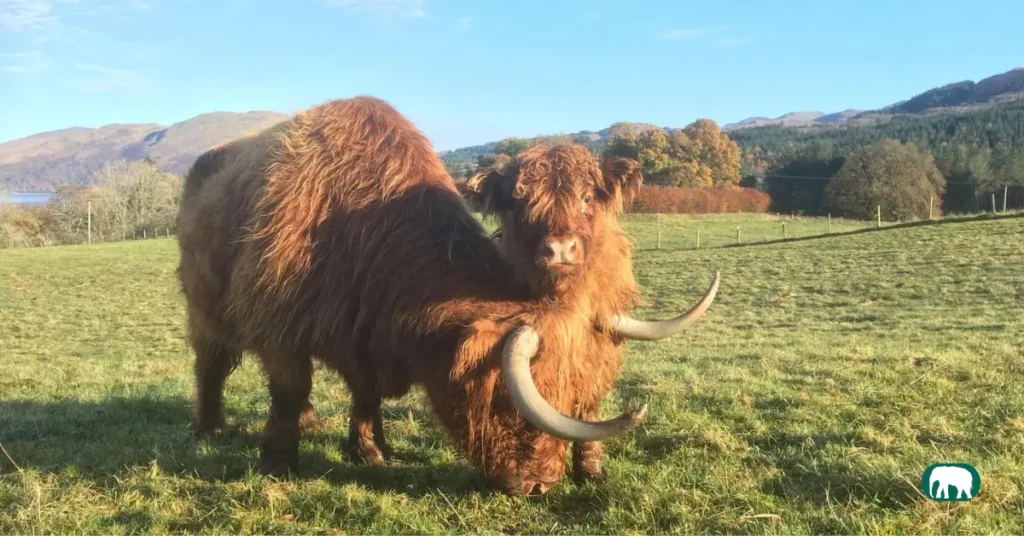
Highland cow milk production is usually lower than modern dairy breeds. A Highland cow can make enough milk for a healthy calf but she does not usually make enough for a high-volume dairy setup. This is why people call her a hardy family cow instead of a pure dairy cow.
Milk amount changes from cow to cow. Age of cow matters. Health matters. Body condition matters. Feed quality matters a lot. A cow on good grass with clean water and minerals will usually do better than a cow on poor pasture. Even a hardy cow still needs energy to make milk.
The timing also matters. Milk often rises during early lactation. It reaches a peak production period and then slowly decreases as the season moves forward. If the calf is doing full-time nursing then the farmer will collect less milk. Many small owners use calf-sharing. In this system the calf drinks first and the farmer takes extra milk only.
This method feels more natural for Highland cattle. It also respects their strong mothering ability. But it means the owner should expect modest production instead of high dairy output. If someone wants better milk production from a Highland cow they must keep the cow relaxed and follow a steady milking routine.
How Much Milk Does a Highland Cow Give?
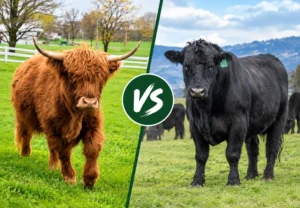
The question How much milk a Highland cow gives does not have one fixed answer. Some Highland cows give only a small amount. Some give more if they have strong dairy traits in their bloodline. But most Highland cows give less milk than a Holstein or Jersey.
A Holstein can give a very high amount of milk. Many dairy farms use Holsteins because they are made for commercial dairy volume. A Highland cow is different. She gives milk in a smaller quantity and the milk is usually richer.
For a family setup a practical amount may be a few liters per day. This depends on the cow and the system. If the calf takes the first share then the farmer gets less. If the calf is separated for a short time before milking then the farmer may collect more. Still you should not buy a Highland cow and expect Holstein-level milk production.
The better expectation is simple. You may get rich milk in a smaller amount. That can still be useful for household needs. A small family may not need huge milk volume if the milk is creamy and full.
What Does Highland Cow Milk Taste Like?

Highland cow milk taste is one reason many people like this breed. The milk is often rich and smooth. Many owners describe it as naturally sweet with a creamy taste. It can feel thicker than regular store milk because Highland milk can have high butterfat.
Butterfat is the fat part of milk. It gives cream a fuller feel. It also helps butter form better. It improves cheese and makes ice cream smoother. This is why higher butterfat milk often feels more satisfying.
The taste can also change with feed. A cow eating fresh grass may give milk with a fresh farm taste. A cow eating hay or grain may give milk with a slightly different flavor. Good milk handling is also important. The owner should use a clean container and clean milking equipment. The milk should be filtered milk and cooled quickly. If the milk is not handled carefully it can get an unpleasant flavor.
Food safety also matters. Raw milk can carry harmful germs. For safe use many families choose pasteurization. This is the safer way to enjoy milk while keeping the taste and value of the milk.
Is Highland Cow Milk Good Quality?
Yes Highland cow milk quality can be very good when the cow is healthy and the milk is handled safely. The biggest quality point is richness. Highland milk can have high butterfat content which makes it good for cream-based products.
Good milk does not come only from the breed. It comes from care. A healthy cow with a clean udder can give better milk. The person milking should have clean hands and clean equipment. The milk should go through fast cooling and proper storage. These small things protect the final taste.
Milk quality can fall if the cow has mastitis or an udder infection. It can also fall because of dirty bedding or poor nutrition. Stress can also affect the cow. This is why a calm farm routine matters so much.
For a homestead Highland milk can feel like a valuable product. It may not come in a huge amount but it can make excellent butter and soft cheese. It can also make thick yogurt and smooth ice cream. A small amount of rich milk can still be useful for daily home use.
Highland Cow Milk vs Dairy Cow Milk
Highland cow milk and dairy cow milk are different in purpose. A dairy cow gives more milk. A Highland cow gives less milk but often gives richer milk. This is the main difference between quality and quantity.
A dairy cow like a Holstein is bred for high milk output. Dairy farmers choose them for outstanding milk production and large-scale milk sales. They need stronger feeding and more careful stronger management because their body works hard to make milk.
A Highland cow is bred more for hardiness and survival. Highland cattle can handle winter outside better than many breeds. They can convert rough pasture into body strength. They have strong maternal traits and often show easy calving. They are also useful for beef and calf raising.
If your goal is daily milk for home use then a Highland cow may work. If your goal is selling a large amount of milk then a dairy breed is better. A Highland cow is better for low-input farms and rough land. A dairy cow is better for milk volume.
Are Highland Cows Good for Dairy Farming?
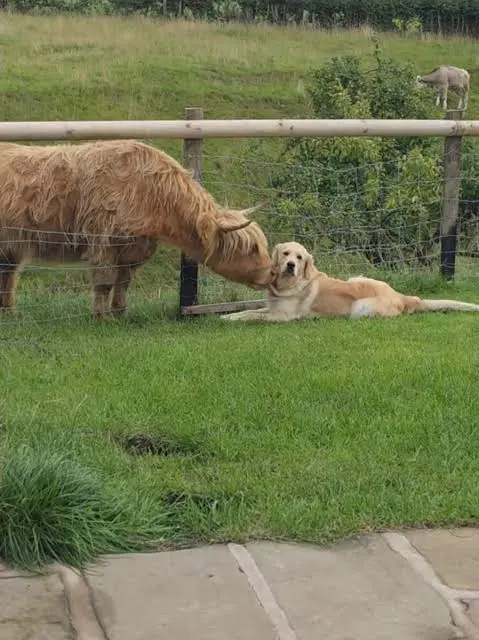
Highland cows are not the best choice for commercial dairy farming. A dairy business needs high daily milk yield. It also needs cows with strong udder structure and steady regular milking performance. Highland cows usually do not produce enough milk to compete with specialized dairy breeds.
But they can still work for small dairy use. Many homesteads and family farms like Highland cows because they offer multiple benefits. They can give some milk. They can raise calves. They can provide beef. They can help manage pasture. They can also bring charm to a small farm.
A Highland cow may suit someone who wants a hardy cow with rich milk and low-input grazing ability. She is also useful for someone who wants a dual-purpose animal. This means the cow gives more than one benefit.
Still I would not suggest buying a Highland cow only for milk. It is better to see her as a hardy family cow with milk potential. She can support a small farm but she is not a pure dairy breed.
Do Highland Cows Produce Enough Milk for a Family?
A Highland cow can produce enough milk for a family in some cases. It depends on the cow and on calf management. A small family may find few liters of rich milk per day useful. The milk can go into tea and coffee. It can also be used for drinking and baking.
Because the milk can be creamy milk the family may not need a huge amount. It can make butter and cream. It can help with pancakes and desserts. It can also be used for cheese and yogurt.
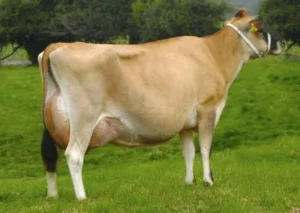
But one Highland cow may not be enough for every family. If a family drinks a lot of milk or wants to make cheese often then a Jersey or another dairy breed may be better. A Highland cow gives milk in a smaller amount.
Calf-sharing also affects the milk available to the family. In this system the calf stays with cow and drinks milk naturally. The owner may separate calf for a short time and then return calf after milking. This is a flexible system. It gives the calf a natural start but it can reduce the milk for the home.
Uses of Highland Cow Milk
There are many uses of Highland cow milk because the milk can be rich and creamy. A small amount can go a long way in a kitchen. The milk can work for daily drinking and also for homemade dairy products.
Drinking Milk
Fresh Highland milk can be used as regular milk if it is handled safely. Many people enjoy it because it has a fuller taste than low-fat milk. It can feel fresh and smooth when it comes from a healthy cow and clean milking routine.
For milk safety the owner should cool the milk quickly and store it well. Safe handling keeps the flavor clean.
Cream
Highland milk can make nice rich cream because of high butterfat. The cream rises when the milk rests. That cream can be used in coffee and desserts. It can also make sauces richer.
This is one reason many homestead owners value Highland milk. Even when the milk amount is not high the cream can still be very useful.
Butter
Rich milk helps with butter making. The cream separated from the milk can be churned until butter forms. Homemade butter from Highland milk can have a deep flavor.
This is the kind of farm product that makes a small cow feel valuable. You may not get a large bucket of milk every day but you can still get useful farm butter.
Cheese
Highland milk can be used for cheese making. It works for soft cheese and farm cheese. Some people also use it for paneer-style cheese. Because the milk is rich it can give improved texture and improved taste.
This is where high butterfat milk really helps. It gives the cheese a fuller bite and a smooth body.
Yogurt
Highland milk can make creamy yogurt. The natural richness helps create a better mouthfeel. It can also make thick yogurt without needing too many extras.
For a family kitchen homemade yogurt is one of the easiest ways to use milk. It also makes good use of smaller milk amounts.
Ice Cream
Highland milk can work very well for ice cream making. The high butterfat content helps create a creamy dessert. Many people connect Highland milk with high-quality ice cream because the milk has natural richness.
If someone enjoys making farm desserts this can be one of the best uses of Highland milk.
Baking
Highland milk also works well in baking. You can use it in bread and cakes. It can help make pancakes softer. It can also improve biscuits and custards.
The milk works as a rich dairy ingredient. It adds better flavor and softness to baked foods.
Calf Feeding
The most natural use of Highland milk is calf feeding. Highland cows have strong mothering ability and the milk helps calves grow well. A healthy calf needs a steady milk supply from the mother cow.
This is why many owners do not try to take all the milk. They allow the calf to drink first and then take only extra milk. This keeps the system simple and fair for the cow and calf.
Pros and Cons of Milking Highland Cows
Milking Highland cows has real benefits but it also has challenges. Anyone who wants to try it should look at both sides.
Pros of Milking Highland Cows
The first benefit is rich milk. Highland milk can be creamy milk and it works well for butter and cheese. It can also make good yogurt and ice cream.
The second benefit is hardiness. Highland cows can handle rough conditions and harsh weather better than many breeds. They often need little shelter compared with more sensitive cattle. They can also do well with simple farm management when they have good pasture and care.
The third benefit is strong mothering. A Highland cow can raise a healthy calf and still give some family milk. This makes her useful for a small homestead.
The fourth benefit is dual-purpose value. A Highland cow may give milk and calves. She may also provide beef and grazing benefits. On some farms she also has farm attraction value because people love the look of Highland cattle.
The fifth benefit is docility when handled well. Many Highland cattle are calm cattle and even-tempered cattle if they grow up around people. This makes farm work easier.
Cons of Milking Highland Cows
The biggest downside is low milk quantity. A Highland cow is not like Holstein and not like Jersey. She gives less milk than dairy breeds.
The second downside is calf protection. A protective cow may not like sharing milk with humans. This can happen more when the cow has not been handled enough.
The third downside is training needed. A cow that is not handled may not stand quietly. She may need time before she accepts hand milking.
The fourth downside is udder size and udder shape. Highland cows are not selected mainly for dairy udders. This means some cows are easier to milk than others.
The fifth downside is daily work. Daily milking needs routine and patience. It also needs cleanliness and commitment. If you miss the routine the cow can become uncomfortable and the milk schedule can become harder.
Food safety is another important point. Raw milk can carry harmful germs like Salmonella and E. coli. It can also carry Listeria and Campylobacter. Safe handling and pasteurized safely milk can reduce the risk.
Extra Farming Tips for Milking a Highland Cow
Start with a gentle cow if you want to milk a Highland cow. Handle her before calving so she becomes comfortable with people. Let her know your voice and touch. This small habit can help later when she stands in a stanchion or milking area.
Keep the routine calm. A predictable routine helps the cow relax. Do not rush her. Do not scare her. A calm routine can improve trust and may support better milk letdown.
Feed matters too. Give good feed and good pasture. Keep clean water nearby. Add minerals when needed. A hardy cow still needs nutrition and energy during lactation. Poor feed can reduce milk production.
Watch the udder. Mastitis can hurt the cow and lower milk quality. Signs may include swelling and pain. You may also see clots in milk or a drop in production. A veterinarian should check the cow if you see these signs.
Many Highland owners prefer calf-sharing because it gives less pressure to the farmer and supports natural calf growth. They leave calf with cow and take extra milk only. This style fits the Highland breed well because it respects the cow and keeps the calf strong.