What Are Highland Cow Horns Made Of?
A cattle horn is not the same as hair. The outside has a hard keratin covering. This hard layer protects the horn during daily farm life. Inside a mature horn there is a bony core that connects with the skull. Near the horn base you also find living tissue, blood vessels and nerves. This is why a broken horn can hurt so much.
A young calf starts with a small horn bud in the skin. At first the bud has no firm skull connection. As the animal grows the developing horn joins the skull and becomes a true horn.
Later the inside can connect with the frontal sinus. That makes cutting mature horn tissue risky. Breaking mature horn tissue may cause bleeding pain infection and sinus problems.
I would never treat a horn like a dead object. A pulled horn or twisted horn can cause a serious injury. An untrained person should never try to cut or reshape it. Even a small mistake near sensitive tissue can create a major problem.
Why Do Female Highland Cows Have Horns?
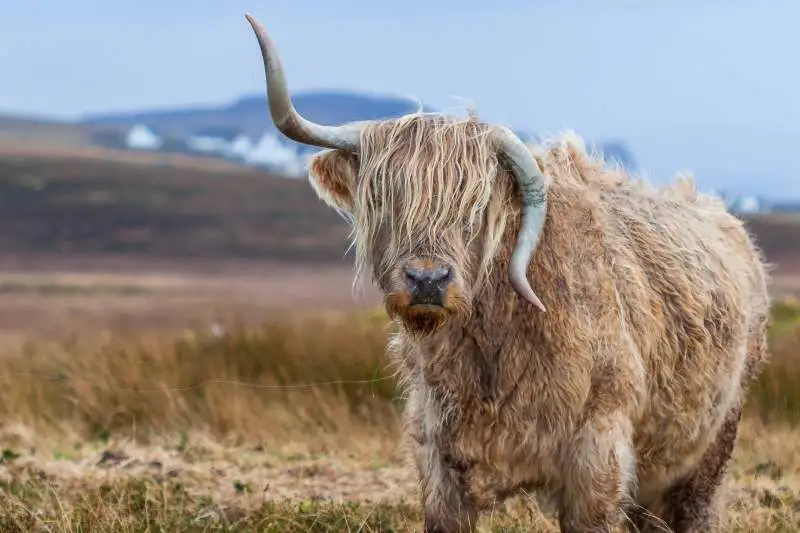
Female Highland cows have horns because the Highland is a traditional horned breed. Horns are part of its inherited breed character. They are not a male-only feature.
Highland cattle developed in the west of Scotland. They lived on rough ground through wet weather, windy weather and cold weather. Over time the horns became part of the breed’s strong recognizable form.
Breeders protected this look for many generations. The Highland Cattle Society still includes sweeping horns in the official breed description and breed standard.
Horns also play a role in natural cattle behavior. Cattle use body position, head movement, eye contact and personal space to communicate. A simple cow warning may happen when a cow turns or lowers her head.
A mother cow may act more strongly when she feels a calf threat. That does not mean every horned cow shows aggressive behavior. Many Highland cattle have a calm temperament when they receive good handling.
Still a calm cow can move her head quickly. Her horn space may reach much farther than people expect.
Some people say Highland cows use horns to clear snow or pull plants. During normal feeding a cow may move vegetation or other light material with her head. But horns are not special snow tools. Their main roles include breed character defense, social communication and normal behavior.
At What Age Do Female Highland Cows Grow Horns?
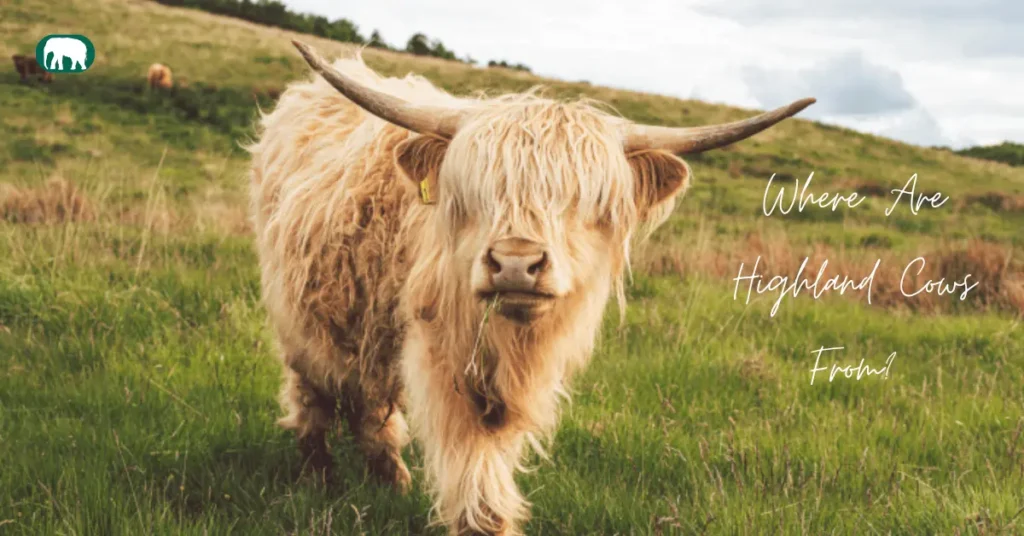
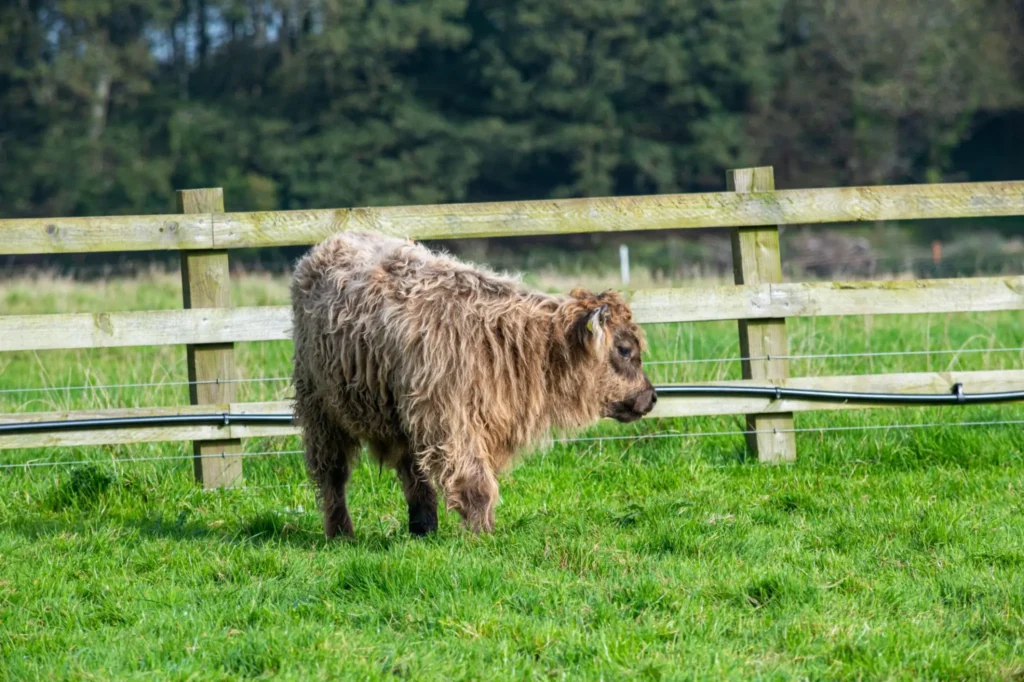
A female Highland calf begins life with small horn buds. These are the points where the future horns will grow. A newborn calf does not have the long sweeping horns of an adult cow.
During the early weeks and first few months the horn bud development becomes easier to notice. You may be able to feel horns before you can clearly see horns.
The development speed is not the same for all calves. Genetics can change the growth rate. Nutrition matters too. So do general health and individual growth.
Young heifers often have short horns that point outward. These outward horns slowly change as the animal matures. The wide upward sweep becomes clearer in mature animals.
An older animal may have a much stronger shape than a young heifer. Mature cows often carry longer and more shaped horns than two-year-old heifers or three-year-old heifers.
There is no exact age when every Highland female reaches her final horn shape. The growth process takes years. The horns may continue changing through much of the animal life.
Veterinary guidance also separates a free horn bud from a developed horn. In a young calf the bud has no firm skull attachment. Later it becomes a true horn with a bony connection.
Any planned disbudding should be discussed early with a veterinarian. Waiting until large horns appear makes the procedure harder and more painful.
Do All Highland Cows Have Horns?
A classic purebred Highland cow normally has horns. Horns appear in the official description for both females and males. They remain part of the traditional Highland breed type.
Still you may see a Highland-looking animal with no horns. There are several possible reasons.
The animal may be a disbudded calf whose horn development was stopped early. An older animal may be a dehorned animal. A broken horn may also disappear after an injury.
The animal may be a Highland cross instead of a traditional purebred Highland. It may also carry polled genetics and be naturally hornless. A polled animal and a disbudded animal are different. A polled cow has no horns because of genetics. A disbudded calf once had horn-producing tissue but the removed tissue or destroyed tissue stopped horn growth.
Naturally hornless Highland cattle are an unusual case because Highland cattle are known as a horned breed.
Buyers should check registration papers, parent animals and breeder records. It is not wise to judge breed purity only from appearance.
| Feature | Female Highland Cow | Male Highland Bull |
| Horns | Normally present | Normally present |
| Common shape | Wide sweep with upward tips | Heavy sweep with forward direction |
| Horn texture | Usually finer | Usually more massive |
| Body build | Lighter and more feminine | Larger with a heavier neck and head |
| Handling risk | Can cause serious injury | Greater overall risk due to size and bull behavior |
Disbudding vs Dehorning
Disbudding and dehorning are different procedures.
Disbudding removes or destroys the horn-producing tissue when the animal is still a young calf. At this stage the horn bud has an unattached skull connection.
Dehorning removes a developed horn after the skull attachment has formed. This usually happens in an older animal.
Dehorning is a more invasive procedure. It may cause more pain and longer healing. It can also create more complications.
The American Association of Bovine Practitioners advises farms to plan the work as early as the farm system allows. Good veterinary planning should include proper restraint local anesthesia and pain control.
This is not a home procedure. A qualified veterinarian should guide the work and follow local animal welfare rules.
Mature Highland horns are large structures. Appearance removal alone is not a good reason to cause needless pain and extra risk.
Are Female Highland Cow Horns Dangerous?
Yes. Female Highland cow horns can cause serious injury.
This does not mean female Highland cows have bad behavior or violent behavior. The main horn risk comes from horn size, position and strength.
A quick cow head movement or fast head turn may cause an accidental strike. A person may get hurt even when the cow did not mean to attack. Another cow can also get injured during feeding or while moving through a narrow gate.
Risk increases when someone stands in the horn space. The full horn reach includes the area covered during cow turning head lowering and head lifting. That space is much wider than the cow face.
A cow with a young calf may become a protective cow. Never stand between a mother cow and her calf. Dogs can make the animal feel there is a threat.
Bulls require extra caution. The American Highland Cattle Association notes in its handling guidance that large bulls can be fast bulls and unpredictable bulls regardless of breed.
Good safety habits include keeping a clear escape route and using suitable handling facilities. Avoid sudden pressure.
Never sit on cattle or pull horns. Do not allow children to run around cattle pens.
Safe Handling Around Horned Highland Cattle
A horned herd needs more space than many new owners expect. Gates alleys trailers head restraints feeders and shelters must allow safe animal movement.
A narrow area can create trapped horns. A narrow opening may catch one horn during a cow head turn. This can frighten animal behavior and lead to struggling injury or broken equipment.
Feed spaces need enough room too. One cow should not be able to cow trap or cow crush another animal.
Stay outside the animal horn reach. Approach from a place with good cow visibility. Use calm movement and practice shouting avoidance.
Never leave a trapped cow in a corner. Do not walk between a cow and calf. Keep children and untrained visitors outside cattle pens.
Use proper gates chutes and suitable handling equipment. Ask for owner permission before moving close.
Watch the cow head ears feet and body position. Leave extra room around bulls and protective mothers.
Good safe livestock handling depends on more than temperament. A friendly animal may still show a panic response when trapped.
A fearful response or excited response raises the injury risk for animals handlers and nearby cattle.
How Big Can Female Highland Cow Horns Get?
Female Highland horns can become very wide horns and long horns as the cow age increases. There is no single official maximum size for every cow.
Horn growth depends on genetics, age, health , bloodline and previous damage.
Some cows develop a wide horizontal sweep before the horn tips rise. Others show a stronger backward curve. The official breed standard focuses more on balance sweep texture and breed character than one exact measurement.
Older cows normally have a more complete horn shape than young heifers. Their horns may show horn rings and other surface changes.
A damaged horn may show uneven growth and lose the look of balanced horns.
Large horns also change farm design. Owners may need wider gates, feeders and larger trailer spaces. They should watch wire fencing and equipment that could create a trapped horn.
Broken horns need quick attention. The horn base may start bleeding and the open area may develop an infection. A veterinarian should check any serious horn injury. Leaving an untreated injury can make the problem worse.
Can Highland Cow Horns Grow Back?
A mature horn that becomes a broken horn may not return to its original shape. The result depends on the damage location.
Minor damage near the insensitive tip may only leave a shorter horn. It may not destroy the growth area. Base damage can harm living tissue and cause bleeding infection abnormal regrowth or a lasting deformity.
After incomplete disbudding a misshapen horn called a scur may develop. A scur is not always attached like a normal horn. It may grow in an odd direction and need veterinary attention if it creates an injury.
Horn regrowth does not work like trimmed hair. Owners should never use household tools to reshape horns.
Why Are Highland Cow Horns So Popular?
Highland horns create a strong outline that people remember. Their long flowing coat and thick forehead hair make the horns look even more striking.
The wide sweeping horns are part of the breed’s famous look. Highland cattle also come in different coat colors such as red black yellow dun brindle and white.
Female horns receive special attention because the upward curve gives a graceful look beside the cow’s soft face.
This look appears in farm logos paintings, wall art nursery prints, clothing social posts and tourism advertising.
The horns also strengthen the Scotland connection. A Highland cow in rough pasture looks like an old heritage breed even when it lives in another country.
The breed’s popularity sometimes creates the wrong idea. A fluffy coat does not turn cattle toys into reality.
Visitors may move too close because they see a calm cow. The safest photo comes from outside fence areas or with experienced owner direction.
How to Tell a Highland Cow From a Highland Bull
Horns give one useful clue but they should not be the only clue.
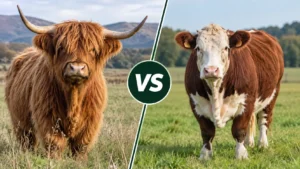
A Highland cow usually has a lighter frame and a more feminine head. She may have higher horns and finer horns. An adult cow may also have a visible udder.
A Highland bull normally has a heavier neck and a larger head. He often has muscular shoulders and thicker horns with a more forward facing horns shape.
Mature Highland bulls also have a higher average weight than cows. The American Highland Cattle Association places mature cows around 900 to 1200 pounds. Bulls may weigh around 1500 to 1800 pounds depending on forage and condition.
A heifer is usually a smaller animal and a less developed animal than a mature cow. She may still have clear visible horns.
A steer is a castrated male. It may not develop the same heavy masculine build as a mature bull.
When safety matters do not guess. Ask the owner or farmer before entering any cattle area.
Frequently Asked Questions
Do Girl Highland Cows Have Horns?
Yes. Girl Highland cows normally grow horns. A young female is called a heifer and an adult female is called a cow. Horns are a normal feature in both females and males.
Are Female Highland Cow Horns Smaller Than Male Horns?
Female horns are usually finer rather than simply smaller. They may look longer because they sweep outward and upward. Male horns are often thicker more massive and more forward pointing.
Are Highland Cow Horns Safe to Touch?
It is better not to touch them. A cow can move her head quickly and cause an accidental injury. Only go close when the owner gives permission and controls the animal.
Are Female Highland Cows Born With Full Horns?
No. Calves begin with small horn buds. The horns become visible and grow as the animal matures.
Can a Highland Cow Be Naturally Hornless?
It is possible for cattle to carry polled genetics but a naturally hornless pure Highland is unusual. A hornless Highland-looking animal may have been disbudded dehorned or crossed with another breed.
Do Horns Show a Highland Cow’s Age?
Horn size and shape can give a rough clue but they cannot give an exact age. Genetics nutrition damage and individual growth create large differences.
Should Farmers Remove Highland Cow Horns?
That depends on the farm system, local welfare rules, breed goals and safety plan. Any decision should involve a veterinarian. Early disbudding and later dehorning are different procedures and both require proper pain management.