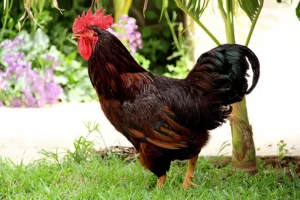
A Rhode Island Red Chick is one of those little birds that can quickly become a favorite in the backyard. They are cute when small. They grow pretty fast. And once the females become adults they can turn into very useful brown egg layers.
This chicken breed comes from the United States. It was developed in Rhode Island and Massachusetts and became well known as a useful farm chicken. People raised these birds for both eggs and meat. Rhode Island even made the Rhode Island Red its official state bird in 1954.
What makes these chicks interesting is that they are not super hard to raise when their basic needs are met. They need warmth when they are tiny. They need clean water. They need the right chick feed and a dry place to sleep. That sounds simple and mostly it is. Still you can’t just put baby chicks in a box with some food and forget about them.
Young chicks can get cold or sick pretty quickly. Their bodies are still developing and they depend on you for a safe environment. The first few weeks matter a lot.
The good part is that a healthy Rhode Island Red Chick usually grows into a strong active chicken. Rhode Island Reds are known as hardy birds and they work well in many small backyard flocks.
Rhode Island Red Chick Appearance and Size
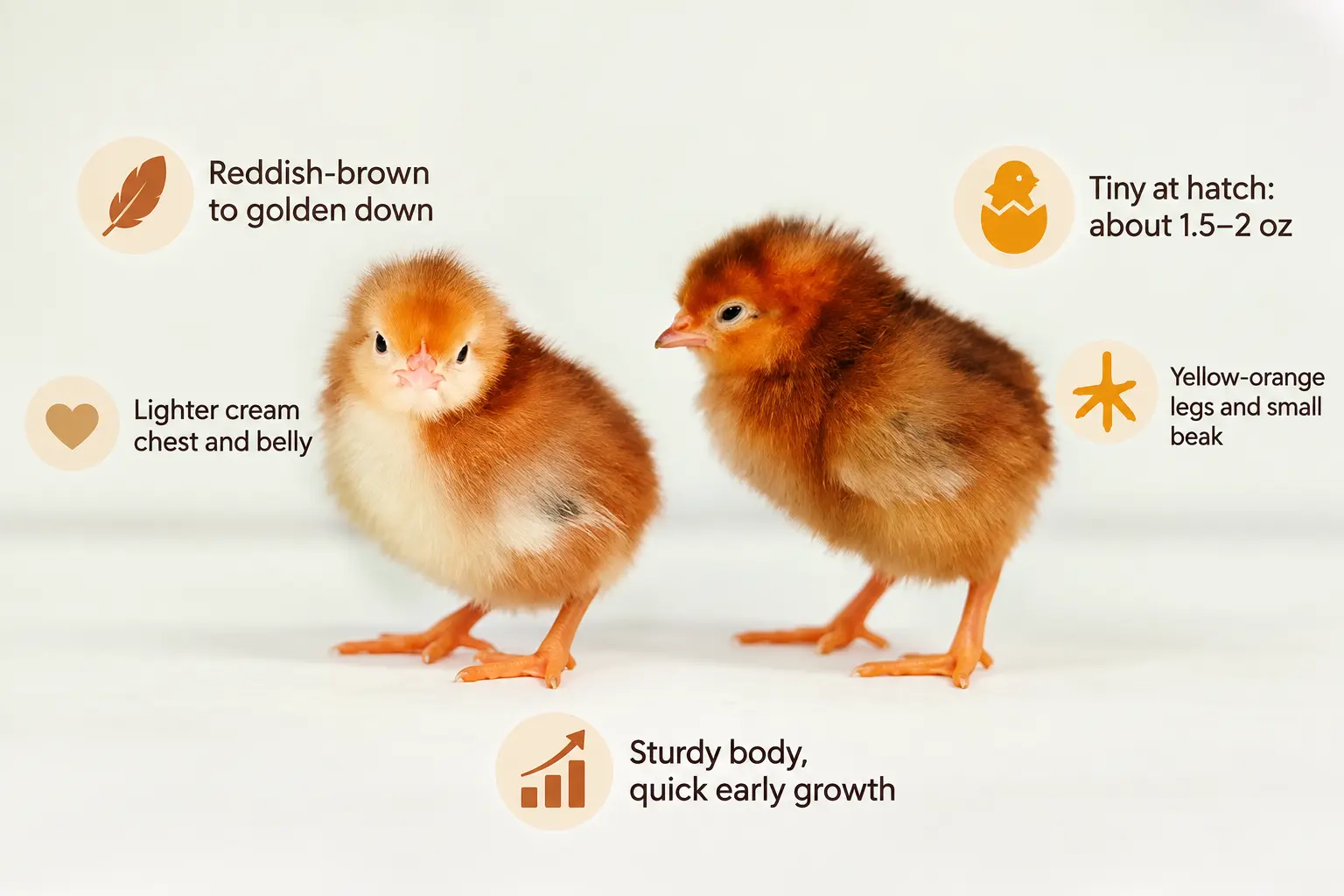
A Rhode Island Red Chick does not look exactly like the deep red adult chicken you may have seen in photos. Newly hatched chicks usually have reddish brown or rusty colored down. Some can look lighter than others. You may also see darker markings or stripes running along the back.
So don’t get hung up on one exact shade.
Research on pure Rhode Island Red chicks has found both striped and non striped back patterns. This means a chick with some darker lines is not automatically the wrong breed.
Their little bodies are round and covered with soft down at first. Their legs are clean rather than covered in feathers. As they mature the legs develop the yellow color linked with the breed. Adult Rhode Island Reds also have yellow skin and normally develop rich red feathers with black showing in parts of the wings and tail.
Don’t expect a baby chick to show perfect adult color right away. Feather color changes as the bird grows.
You will usually notice wing feathers before the whole body becomes feathered. Then more real feathers start replacing the fluffy baby down. Around six weeks many healthy chicks are well feathered. Weather and individual growth can make this happen a little earlier or later.
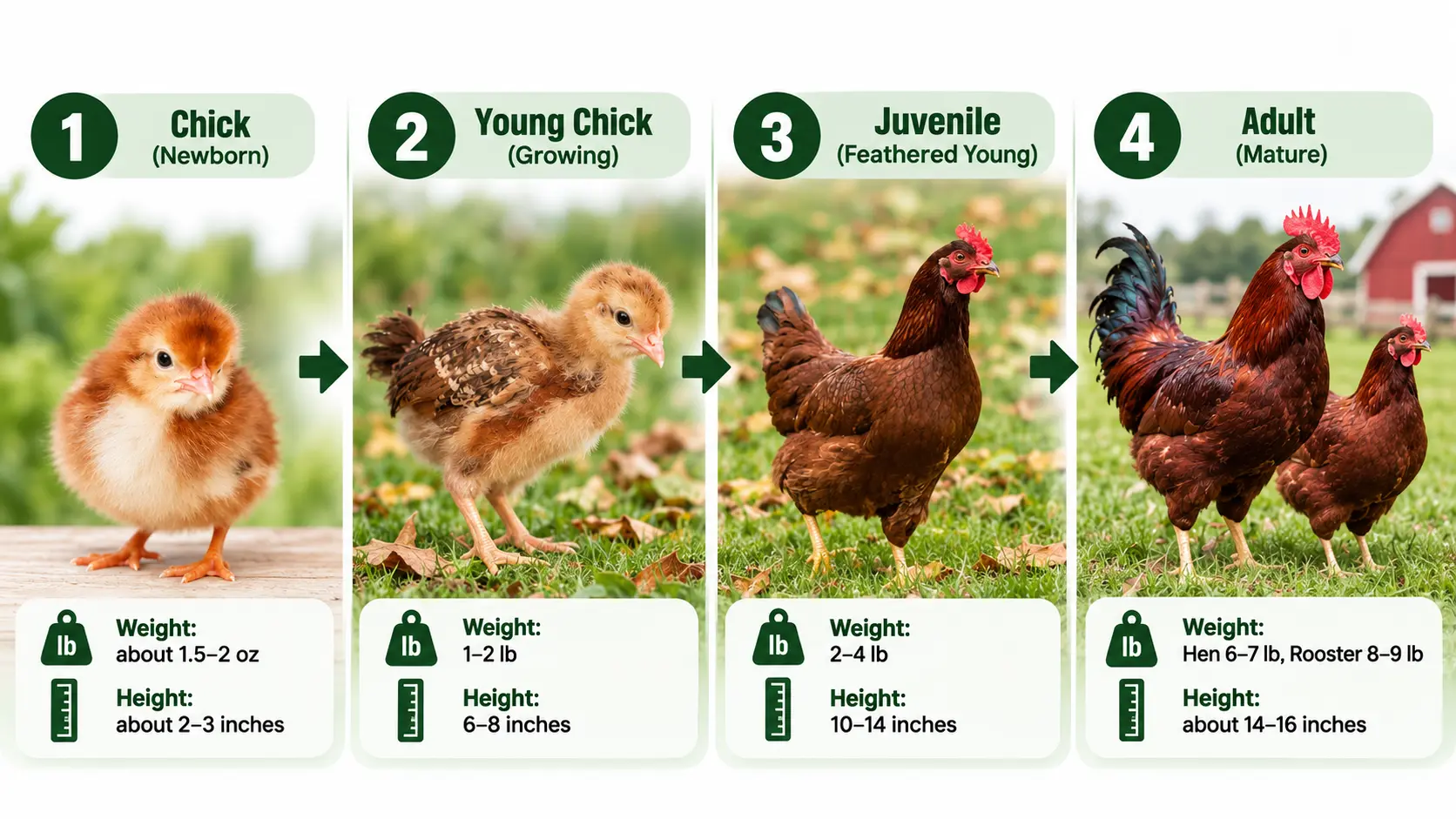
A baby chick weighs only a small amount compared with an adult. There is also no single perfect weight for every week because bloodline feed health and sex can change growth speed.
The adult size gives us a better idea of where these little guys are heading.
| Stage | What You May Notice | Main Need |
| Hatch to 1 week | Tiny body and soft reddish down | High warmth and starter feed |
| 2 to 3 weeks | Wing feathers become easy to see | Warm dry brooder |
| 4 to 6 weeks | Much more feather growth | More room and less extra heat |
| 7 to 12 weeks | Taller stronger young bird | Grower feed and exercise |
| 13 to 18 weeks | Starts looking close to an adult | Balanced feed and safe housing |
| Around 18 to 24 weeks | Pullets move toward egg laying age | Layer care when laying begins |
| Adult | Deep red body and mature comb | Full size coop and balanced diet |
Standard adult Rhode Island Red hens are around 6.5 pounds while standard adult roosters are around 8.5 pounds. Pullets have a standard weight of about 5.5 pounds and young males around 7.5 pounds. These are breed standard figures rather than a weight that every backyard bird must hit exactly.
The number on the scale is useful but it’s not the only thing.
Watch the whole chick. A bright eyed chick that eats well and keeps growing is usually giving you more useful information than one weight reading.
Rhode Island Red Chick Growth Stages
Watching a Rhode Island Red Chick grow is pretty fun because the changes happen fast. One week you have a fluffy little ball running around the brooder. A few weeks later that same chick has long legs and feathers and seems ready to investigate everything.
The First Week
The first week is the baby stage and warmth is super crucial here.
New chicks cannot control their body temperature as well as older chickens. A brooder should generally start around 90 to 95 degrees Fahrenheit at chick level. Poultry care guidance commonly recommends lowering the temperature by about 5 degrees each week as the chicks grow.
But don’t stare at the thermometer all day and ignore the birds.
The chicks themselves tell you quite a lot.
If they crowd tightly under the heat source they may be cold. If they stay far away from it they may be too hot. Chicks that spread around comfortably and move between food water and the warm area are giving you a pretty good sign that things feel right.
Two to Three Weeks
Now the little guys start looking a bit funny.
Their wings become more feathered while other parts of the body may still have fluffy down. They become more active too. You may see them scratch at bedding and chase each other around.
They also need more room because crowding becomes a problem as they grow.
Keep reducing extra heat slowly. Don’t rush it just because you see feathers on the wings. The rest of the body still needs time to catch up.
Four to Six Weeks
This is where the change really takes off.
More adult style feathers cover the body and the Rhode Island Red color becomes easier to see. At around six weeks many chicks are fully or almost fully feathered and can begin getting used to outdoor conditions when the weather is suitable.
Don’t throw a six week old bird outside into terrible weather just because somebody told you six weeks is the magic number. Look at feather growth and local temperature too.
A chick that still has lots of baby fluff might need a little extra TLC.
Seven to Twelve Weeks
At this stage they look less like babies and more like young chickens.
Their bodies become longer and stronger. Their legs grow. They become better at scratching and looking for interesting bits of food. Their personalities also start showing more clearly.
Some birds are bold. Some hang back for a minute before joining the group.
Young males may begin showing bigger and redder combs sooner than females. Still it can be hard to tell sex from appearance when the chicks are very young. Pure Rhode Island Reds are not a breed where every day old male and female can always be identified correctly just from down color.
Thirteen to Eighteen Weeks
Now you have teenagers in the chicken world.
Pullets get closer to their adult body shape. Their combs may become larger and redder as they move closer to egg production.
This is also the time to make sure their permanent coop is ready. They need enough space to move around without constantly bumping into other chickens.
How to Care for Rhode Island Red Chicks
Good Rhode Island Red Chick care isn’t about buying a mountain of fancy stuff. The basics do most of the heavy lifting.
Give them warmth. Give them dry bedding. Keep clean water available. Feed a balanced chick ration. Protect them from predators and watch them every day.
That’s the main game.
A proper brooder should be protected from cold drafts while still having fresh air. Wet and dirty bedding can cause trouble so remove damp areas and replace them with clean dry material.
Pine shavings are commonly used as chick bedding. Slick newspaper is not a good floor for young chicks because the surface can contribute to leg problems.
Watch the water too.
Chicks somehow have a talent for making clean water dirty in record time. They kick bedding into it. They step around it. Sometimes they seem determined to make a mess just after you cleaned everything.
Check it often.
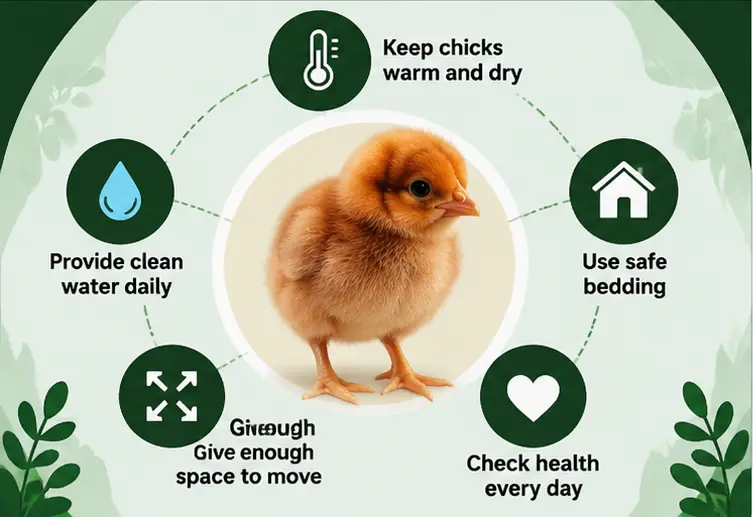
Here are the main things I would keep an eye on each day.
- Make sure the chicks have fresh clean water
- Check that they are eating normally
- Keep the bedding dry
- Watch the temperature at chick level
- Look for weak or unusually quiet chicks
- Give them enough space to move away from the heat
- Protect the brooder from cats rats and other predators
- Clean feeders and waterers when they become dirty
- Check droppings for unusual changes
- Watch how the whole group acts rather than only one chick
Don’t forget that heat sources need to be set up safely. A heat lamp that falls into dry bedding can start a fire. Extension guidance recommends hanging lamps securely with chain or wire instead of depending on the electric cord.
Rhode Island Red Chick Diet and Feeding Needs
Food is where people sometimes make chick care harder than it needs to be.
A Rhode Island Red Chick needs proper chick feed. Kitchen leftovers should not become its main diet. Corn by itself isn’t enough either.
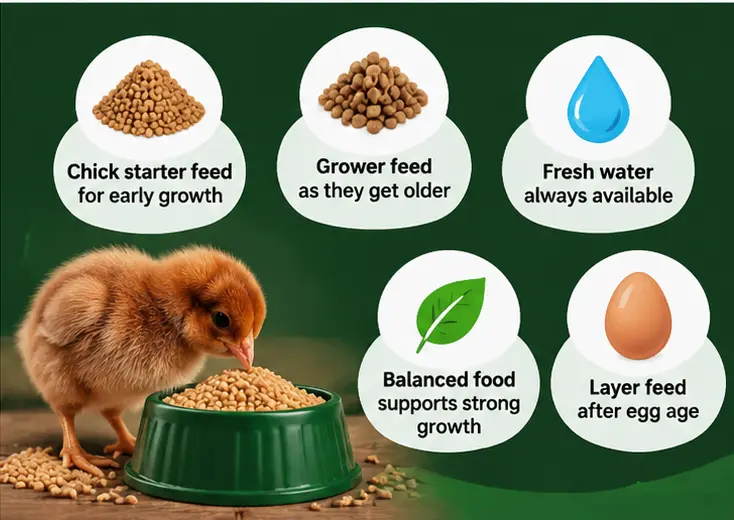
During the first weeks chicks need more protein because they are growing like weeds. Guidance for future laying hens recommends a commercial starter ration containing around 20 to 24 percent protein from hatch through about six weeks. From around 6 to 18 weeks a grower feed with roughly 16 to 20 percent protein can be used.
That balanced feed provides more than protein. Growing chicks need energy vitamins , minerals and other nutrients too.
Water matters just as much.
A chick may survive for a while without eating but dehydration can become serious fast. Fresh water should always be easy to reach. When new chicks arrive some poultry guides suggest gently touching the tip of each chick’s beak to the water so it learns where the drinker is.
Don’t push its whole face into the water. A gentle dip of the beak is enough.
What Can Rhode Island Red Chicks Eat?
The safest main food is complete chick starter or starter grower feed.
Small treats can come later but don’t let treats replace the balanced ration. Young birds have small stomachs. Fill them with too much random food and they may eat less of the nutrition they actually need.
A simple feeding plan looks like this.
- Use chick starter as the main food during early growth
- Keep feed available and fresh
- Give clean drinking water all day
- Move toward grower feed as the chicks get older
- Avoid making treats a large part of the diet
- Provide suitable grit when birds begin eating foods that require grinding
- Move female birds toward a proper layer diet when they reach laying age
One important point gets missed a lot. Layer feed is made for laying hens and contains calcium for egg production. It is not the right everyday feed for tiny chicks. A normal growth program changes females to layer feed at about 18 weeks or near the start of laying.
Rhode Island Red Chick Temperament and Behavior
Rhode Island Reds have a reputation for being active, confident and pretty hardy chickens.
Young chicks naturally spend a lot of time eating drinking resting , scratching and exploring. Once they feel safe they can become curious about people too.
Handle them gently from an early age if you want them to become comfortable around you. Don’t chase a chick around the brooder every time you want to pick it up. Move slowly and support its body.
Some Rhode Island Reds can become quite tame.
Adult hens are often described as calm or easy going while some males can become more aggressive. Breed references specifically note that some Rhode Island Red males may show aggressive behavior.
That doesn’t mean every rooster is going to turn into a tiny backyard dinosaur.
Individual personality matters.
Rhode Island Reds also like to move around and look for food. Adult birds can be good foragers. Give growing birds safe space and they will spend plenty of time scratching the ground and checking out whatever catches their eye.
You may also notice a pecking order forming as the chicks grow. Chickens naturally create a social order. Some pushing and small disagreements can happen.
Constant attacks are different.
If one chick gets injured or cannot reach food and water because other birds keep attacking it then you need to step in. Crowding can make bad behavior worse.
Common Health Problems in Rhode Island Red Chicks
Rhode Island Reds are known for being hardy but hardy doesn’t mean impossible to get sick.
A young Rhode Island Red Chick can face many of the same problems as other baby chickens. Poor temperature, dirty water damp bedding parasites infection and weak nutrition can all cause trouble.
One problem worth knowing about is coccidiosis.
Coccidia live in the digestive system and can damage the gut. Serious cases are especially common in young birds. Chicks around three to six weeks can be hit hard. Warning signs can include watery or bloody droppings. You may also see weight loss, tired behavior rough looking feathers and generally poor condition.
Don’t guess when a chick looks seriously sick.
A poultry vet or local poultry health expert can help because several illnesses can produce similar signs.
Marek’s disease is another disease chicken keepers should know about. It can affect young chickens and may cause weakness or paralysis. Vaccination of day old chicks is one of the main ways used to reduce clinical disease.
External parasites can cause trouble too. Poultry lice can irritate birds and may lead to damaged feathers, poor condition slower growth and lower feed intake. Young birds can be affected more seriously than adults.
Not every quiet chick is sick though.
Sometimes it is sleeping. Sometimes it gets chilled. Sometimes another bird is keeping it away from food. You have to look at the full picture.
A chick that suddenly stops eating and drinking or stays alone all day deserves attention. The same goes for trouble breathing severe diarrhea blood in droppings inability to stand or a fast drop in body condition.
Clean housing helps a lot.
Keep wild birds and rodents away from chick food. Wash your hands before and after handling birds. Don’t move dirty equipment between different groups of chickens without cleaning it.
If you bring new chickens home later then keeping them separate from your established flock for a period can also reduce disease risk.
Little habits add up.
When Do Rhode Island Red Chicks Start Laying Eggs?
This is probably the part many backyard keepers wait for.
When will that Rhode Island Red Chick finally give you an egg?
A Rhode Island Red pullet can begin laying at around 18 to 24 weeks in many cases. Some start around five months old while others take longer. Poultry management guidance often prepares laying birds for production at around 18 to 20 weeks.
Don’t panic if yours doesn’t lay on the exact day it turns 18 weeks.
Chickens haven’t read the calendar.
Genetics nutrition, health season daylight and the individual bird can all affect the first egg. One pullet may start early while her sister takes several more weeks.
You can often spot changes before that first egg appears.
The pullet gets closer to adult size. Her comb becomes larger and redder. She may begin checking out nest boxes and acting a little different around the coop.
Then one day you find a small brown egg and wonder who left it there.
Rhode Island Reds are well known for brown egg production. Different sources give different yearly numbers because heritage lines and production focused birds are not exactly the same. University information places Rhode Island Reds among productive laying breeds and figures of around 250 to 300 eggs a year are often given for strong laying strains. Traditional breed references may give lower figures around 150 to 200 eggs per year.
That difference is worth understanding.
Don’t buy a Rhode Island Red Chick because somebody promised you an exact number of eggs every year. The bloodline matters. Feed matters. Age matters. Health matters. Daylight and season matter too.
What you can expect is a breed with a strong reputation for useful brown egg production.
Once pullets reach laying age they need a balanced layer ration and access to calcium suitable for laying hens. Fresh water stays important too. Making an egg takes a lot from a chicken’s body.
A healthy Rhode Island Red hen can reward good care with eggs for years even though production usually slows as she gets older.
Final Thoughts
Raising a Rhode Island Red Chick is pretty simple once you understand what the little bird actually needs.
Start with warmth and a safe brooder. Keep the bedding dry. Give proper chick starter and fresh water. As those fluffy little birds grow you can slowly lower the extra heat and give them more room.
Watch behavior as much as numbers.
If chicks pile together they may be cold. If they run away from the heat they may be too warm. If one suddenly becomes weak and stops eating then keep a close eye on it instead of waiting several days and hoping everything sorts itself out.
The Rhode Island Red grows into a medium to large American chicken with the famous deep red look. Hens are valued for brown eggs and the breed has a long history as a useful dual purpose farm bird. It is hardy and active and usually a pretty good choice for a backyard flock. (Livestock)
The first weeks need the most attention. After that things usually get easier.
Give your Rhode Island Red Chick good food clean water enough space and a safe home. Do that and the tiny reddish ball of fluff in your brooder has a pretty good chance of growing into a strong adult chicken.
I kept the article original rather than naming or copying competing websites inside the content. The factual ranges were cross checked against breed organizations and university poultry sources especially for adult size brooder temperature feed stages health risks and laying age.