Are There Highland Cows in the US?
Yes there are Highland cows in the United States. Many people still think these shaggy cattle only belong in Scotland but they have been part of North America for many years. Today you can see them on family farms, hobby farms, ranches, farm parks, breeding farms and agritourism properties.
They are not as common as big commercial beef breeds but they are also not rare. The Livestock Conservancy notes that Highland cattle were first imported to North America in the 1880s. Since then they have kept a small loyal following in the northern United States and Canada. In recent years they have become more popular because people love their look and small farm value.
Many American owners choose Highland cattle because they look different from regular cattle. Their long hair and wide horns and calm farm look make them stand out right away. They are common in farm photos, videos, tours and educational events.
From a farming point of view they also make sense. They can handle rough pastures and cold weather well. This makes them useful for small farms where land may not be perfect for more demanding cattle breeds. Still they need proper care. They should never be treated like backyard pets. They are beautiful cattle but they are also large livestock that need space and safe handling.
Where Are Highland Cows Found in the US?
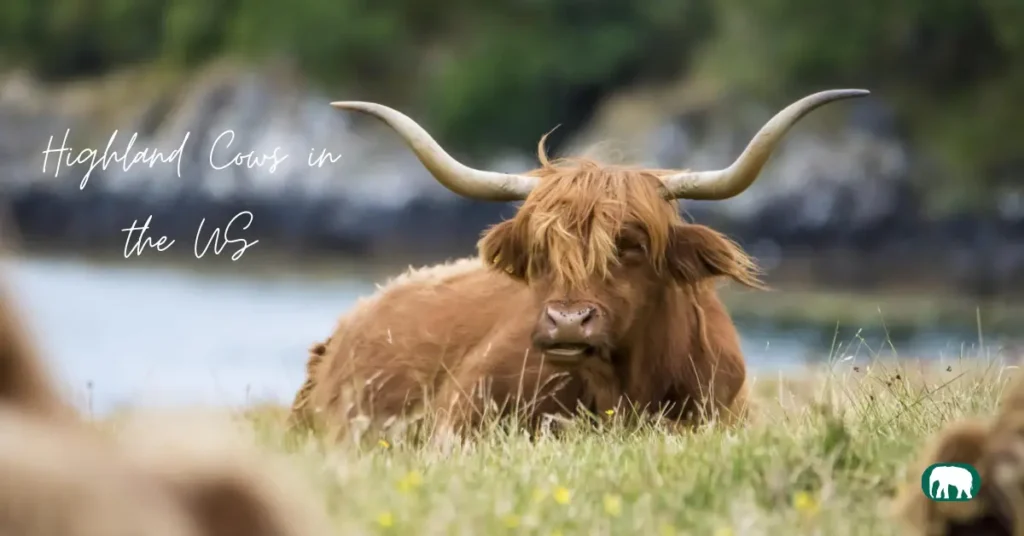
Highland cows are found in many parts of the United States. They are often easier to find in cooler regions because their thick coat works well in cold weather. Many northern states and mountain regions and pasture-based farms fit the breed well.
You may see Highland cattle in the Midwest and the Northeast and the Pacific Northwest. They are also seen in mountain states and other rural farming areas where farms have open land and pasture.
They can live in warmer states too but heat care becomes very important. In hot climates owners must provide shade and fresh water and airflow. They also need careful summer handling because hot weather can be stressful for cattle with a long coat.
A good way to find them is to search for local Highland cattle breeders and public farm tours and county fairs and state fairs and Highland cattle shows. You can also check breed association listings. The American Highland Cattle Association is the main US breed organization and it helps protect fullblood pedigrees and bloodlines while building Highland cattle interest across the country.
You may also see Highland cows at living history farms, children’s farms, zoos farm parks and educational farm events. Before visiting any place check the farm website first. Some farms allow public access while others keep cattle away from public viewing areas.
How Did Highland Cows Come to America?

Highland cows came to America through importation from Scotland and Canada. The first US records are not fully clear because there was no official US registry before 1948. The American Highland Cattle Association says small importations happened in the 1880s and continued into the 1920s.
Many western cattlemen became interested in Highland cattle after a severe winter from 1886 to 1887. That winter caused major cattle losses and became known as the Big Die-Up. Ranchers wanted cattle that could handle cold wind and rough land better.
The first recorded importation into the United States happened in the late 1890s. Those cattlemen wanted to improve hardiness in their herds. This made sense because cattle from the Scottish Highlands had already survived for centuries. Only strong animals and adaptable animals could do well in that hard land.
Over time Highland cattle became part of American farm life but they stayed in smaller numbers than mainstream beef breeds. The breed registry helped protect pedigrees and create better records for breeders, buyers and owners.
Today registered Highland cattle matter to people who want purebred animals with clear bloodlines and reliable breed records. This is important for anyone who wants to breed Highland cattle or sell quality breeding stock.
Why Do American Farmers Raise Highland Cows?
American farmers raise Highland cows for many reasons. The first reason is hardiness. Highland cattle can handle cold weather and rough grazing and outdoor life better than many soft cattle breeds. Their long shaggy coat and soft undercoat help protect them in cold conditions, wet conditions and windy conditions.
The second reason is grazing ability. Highland cattle can eat grass and many rough plants. The Livestock Conservancy says they can also eat some pest plants and help improve pastures. They are often described as light grazers which can be helpful for pasture care.
The third reason is beef. Highland cattle are mainly beef cattle. Many small farms sell Highland beef as a specialty farm product. Customers may like local beef grass-fed beef pasture-raised beef and heritage breed beef. Highlands may have slower growth than some commercial beef breeds but many farmers like the farm story and low-input style and meat quality.
The fourth reason is breeding. Some farms raise registered purebred Highland cattle and sell calves, heifers , cows bulls and breeding stock. A group of Highland cattle is often called a fold instead of a herd.
The fifth reason is agritourism. Highland cows attract people. Their Scottish look works well for farm visits photos , social media wedding venues, pumpkin patches holiday events and educational farm tours. For many small farms they are part of the visitor experience as much as they are part of the pasture.
Can Highland Cows Live in Hot and Cold US States?
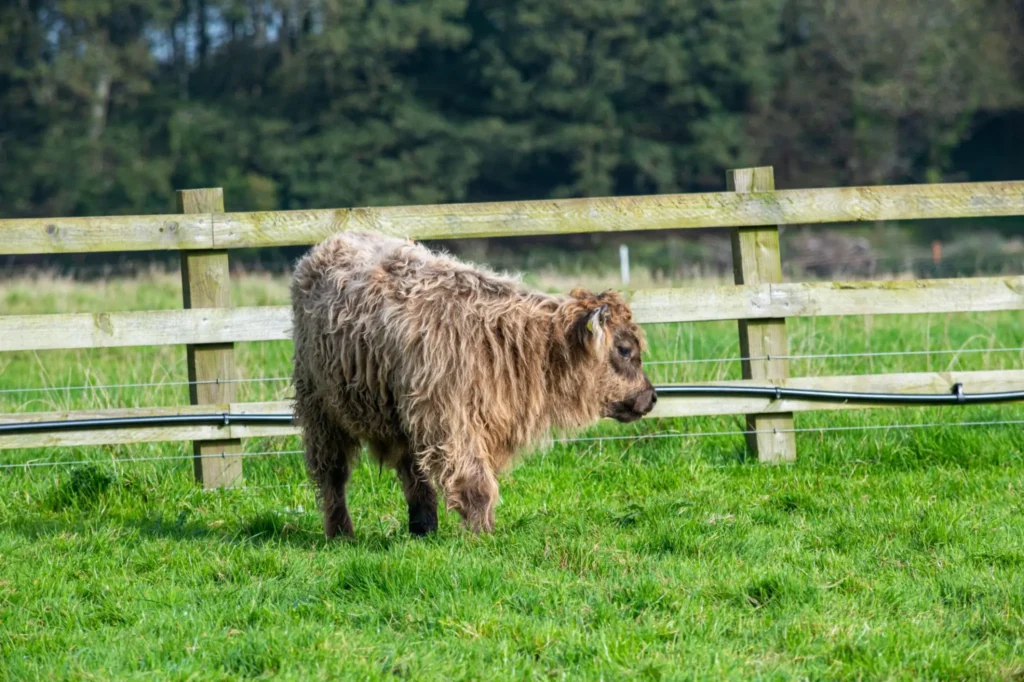
Highland cows can live very well in cold US states when they receive normal livestock care. They were shaped for cooler climates and rough weather. Their thick coat helps them handle snow and cold wind and outdoor farm life.
Hot states need more planning. Highland cattle can live in warm places but heat stress can become a real problem. Cattle cooling is different from human cooling. Cattle often depend on panting when they get hot. Heat-stressed cattle may show open-mouth breathing and slobbering and restlessness.
In warm areas owners should give shade and fresh clean water and good airflow. They should also use low-stress handling and give cattle enough space. These are basic heat protection tools.
In hot and humid states cattle should not be worked during the hottest part of the day. Morning and evening are better. Owners should watch for heavy breathing, drooling slow movement standing in shade weakness and poor appetite. If these signs appear a veterinarian may be needed.
Even cold states still require care. Highland cattle need clean water and safe fencing and proper nutrition and mineral access. They also need shelter from extreme wind and dangerous weather. They are hardy cattle but hardy does not mean care-free.
Highland Cow Farms and Breeders in the US
There are many Highland cow farms and breeders in the US. Some farms focus on registered purebred Highland cattle. Others raise Highland crosses or grass-fed beef animals or small farm cattle.
If you want to buy a Highland cow choose a trusted breeder. A good breeder should explain the animal’s age and health, size and temperament. They should also explain bloodline and registration status and care needs. If it is a registered animal the breeder should show papers.
A serious breeder should also explain the real work. Highland cattle need strong fencing and pasture and hay and water and minerals and vet care and shelter. They also need safe handling equipment and enough space. They are not small-yard pets.
Smart buyers ask buying questions before paying. Ask if the animal is registered or unregistered. Ask if it is purebred Highland or a Highland cross. Ask if it is a weaned calf and if it is used to people. Ask if it has been vaccinated and dewormed. Ask about current feed and parent animals and after-sale help.
You should also ask if the animal is right for breeding or beef or showing or pets-on-farm use. Buyers also need to understand local livestock rules. Some places may require livestock fencing permits and health papers and brand inspection and transport papers and veterinary certificates. State rules and county rules can be different.
Where to See Highland Cows in the US
You can see Highland cows in the US at farm tours and county fairs and state fairs and livestock shows. Some farm parks and zoos and children’s farms also keep them. You may also find them at public farm events where they are part of the visitor experience.
Some farms allow Highland cattle viewing from a safe fence. This is called fence viewing. Some offer guided tours. Others may offer photo sessions or meet and greet experiences.
Fairs are often easier for families because they offer a controlled setting. This can be safer for families with kids. You may see breed displays and show rings and youth livestock programs and farm education areas.
Useful searches include Highland cow farm near me and Highland cattle farm near me and Scottish Highland cows near me. You can also search Highland cattle breeders USA and Highland cattle show and Highland cow farm tour.
Always follow farm rules. Do not enter private property. Do not climb fences. Do not feed cattle unless you have owner permission. Do not touch horns. Stay away from calves and mother cows unless the farm staff says it is safe. Even calm cattle can become protective cattle. A Highland cow is still a large horned animal so safe viewing and respectful public access matter.
Are Highland Cows Good for Small Farms in the US?
Highland cows can be good for small farms if the owner has enough land and owner experience. They are popular with homesteaders because they are hardy cattle and attractive cattle and useful for useful grazing.
They can fit farms that want heritage livestock or small-scale beef production. But they are not the right choice for every owner. A farm needs strong fencing and pasture and winter hay access and clean water. It also needs a veterinary care plan.
Their horns are beautiful but they also require safe handling space and smart fencing. This is important for people and other animals on the farm.
For beginners it is better to learn from experienced Highland owners before buying. Good buying advice is simple. Visit farms and talk to breeders and join cattle groups. Also understand feed cost and fencing cost and vet care cost and transport cost and equipment cost. Good small farm planning makes ownership safer and easier.
Final Thought
Highland cows are now part of American farm life. They came from Scotland but today they live on farms and ranches across the US. Farmers raise them for hardiness grazing beef breeding farm tours and their beautiful Scottish look.
They can live in many states but the care must match the weather. Cold areas may be easier for them. Hot areas need shade water and heat care. If you want to buy or visit them start with trusted farms breeders associations and public farm events. They are charming but they are also real livestock. Respect space and enjoy them with safe enjoyment.