Mini Jersey Cow Size and Weight
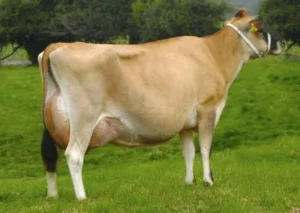
A Mini Jersey cow is much easier to manage than many full-sized dairy breeds but it is still real livestock that deserves proper care. Most people are surprised when they first see a mature Mini Jersey cow because it is noticeably smaller than a standard Jersey cow while still looking like a true dairy animal. A mature Mini Jersey cow usually reaches 36 to 42 inches at the hip. The average cow weighs around 500–800 pounds while a mature bull often weighs between 700–1,000 pounds. A standard Jersey cow normally weighs 800–1,200 pounds and mature Jersey bulls can exceed 1,500 pounds.
In my experience many first-time buyers pay attention only to cute photos. I always suggest asking about the breeding line and mature parent size because those details tell you much more than labels like micro or teacup. There is no universal standard for those marketing terms. Good genetics, proper nutrition, strong overall health, careful farm management and the animal’s age all influence final body size. Even though these cattle offer easier handling they still need secure fencing quality handling facilities and responsible daily care.
How Much Milk Does a Mini Jersey Cow Produce?
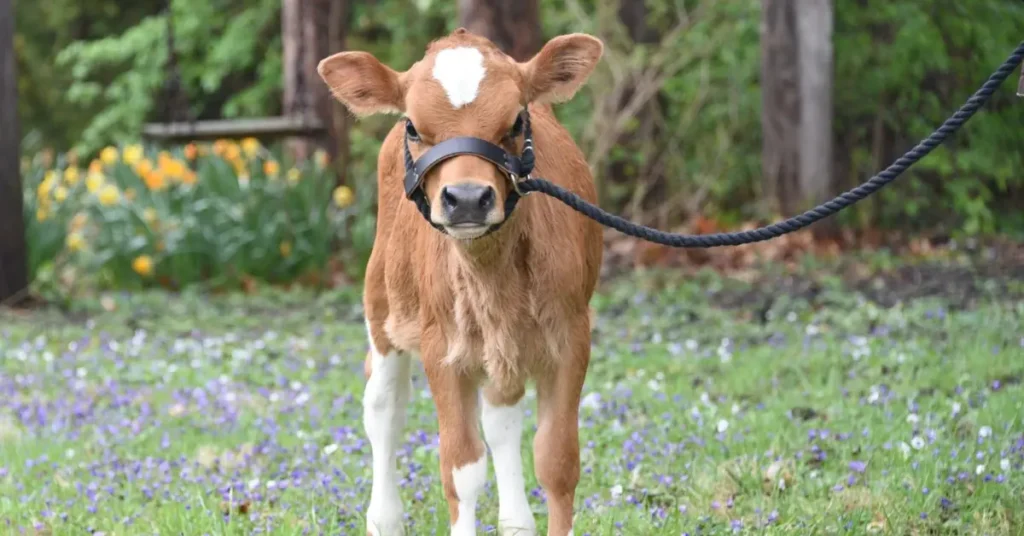
The biggest reason many families choose a Mini Jersey cow is its excellent milk production without producing more milk than most homes can use. Production depends on genetics, nutrition age , health management, calving history and the stage of lactation. Under good conditions many cows produce around 2–4 gallons per day although some exceptional cows may produce even more.
The quality of Mini Jersey milk is what truly stands out. It contains high butterfat and high protein which create a naturally rich flavor and creamy texture. This makes the milk perfect for making butter cheese cream yogurt ice cream and kefir. While Holsteins usually produce greater milk volume, many homesteaders prefer the manageable milk production of Mini Jerseys because it provides enough fresh milk for the family without becoming overwhelming. For anyone focused on premium dairy products the excellent milk quality is often more valuable than producing the highest number of gallons.
Mini Jersey Cow Lifespan
With proper care a Mini Jersey cow can remain part of a farm for many years. The average lifespan often reaches 15–20 years and some healthy animals live even longer. Long life depends on strong genetics, balanced nutrition, regular hoof care, ongoing veterinary care, effective parasite control, comfortable housing, good body condition, healthy reproductive health and consistent disease prevention.
One lesson I have learned while studying dairy cattle is that productive dairy life and natural lifespan are not always the same. A cow may stop producing milk long before reaching old age. Regular health checks and long-term care help maintain a healthy life while improving comfort and overall productivity.
Mini Jersey Cow Temperament
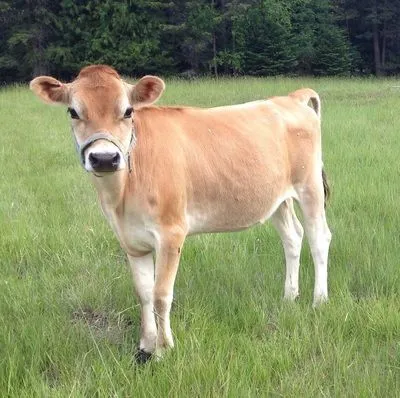
The friendly temperament of the Mini Jersey cow is one of its biggest strengths. Many owners describe these cattle as gentle, friendly , curious, intelligent and very social. They are also easy to train which explains why they fit so well on family farms, hobby farms, educational farms and modern homesteads.
From what I have seen, calm behavior comes from regular handling rather than luck. Every animal has its own individual personality and early handling has a major effect on future behavior. Owners should always remember that even calm cattle have significant animal size and animal strength. Mini Jersey bulls, especially mature bulls require careful supervision and respectful handling. Safe livestock handling depends on understanding normal cattle behavior rather than assuming every friendly animal will stay calm forever.
How Much Does a Mini Jersey Cow Cost?
The Mini Jersey cow cost varies more than many buyers expect. Cattle price depends on age registration genetics milk production pregnancy status training location health and pedigree. A young calf usually has the lower cost while a weaned heifer falls into the moderate cost range. A healthy pregnant cow or proven family milk cow often commands a premium price because buyers already know its production ability.
The purchase price is only the beginning. Long-term ownership costs include feed hay minerals, veterinary care vaccinations, shelter water systems, fencing equipment and bedding. Buying the cheapest animal is not always the smartest choice because poor health and low production can quickly increase the total cattle investment.
What Do Mini Jersey Cows Eat?
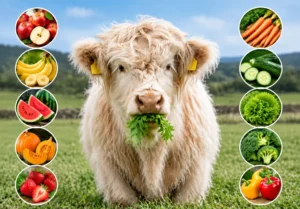
Like all ruminants a Mini Jersey cow depends on a forage-based diet. Healthy cattle thrive on fresh pasture grass hay silage and legumes supported by balanced minerals and constant access to clean water. A lactating cow also needs additional energy, protein and vitamins to maintain healthy milk production.
Good pasture quality helps reduce feed costs but changing seasons affect nutritional requirements. During winter or drought most owners rely on supplemental feeds and stored forage. Daily water intake also changes with the weather and the level of milk production. Healthy livestock nutrition always begins with quality forage and fresh water.
How Much Land Does a Mini Jersey Cow Need?
The answer depends on the land rather than the cow alone. Land requirements change with pasture quality rainfall soil fertility climate grazing season and forage production. Many extension services recommend starting with roughly 1–2 acres per cow but every farm is different.
A healthy productive pasture produces more usable feed than poor-quality grass. Good rotational grazing improves pasture recovery and helps maximize forage use without damaging the land. Many small-acreage owners successfully keep Mini Jerseys by adding supplemental hay whenever pasture growth slows. Smart land management focuses on forage availability instead of counting acres alone.
Mini Jersey Cow vs Standard Jersey Cow
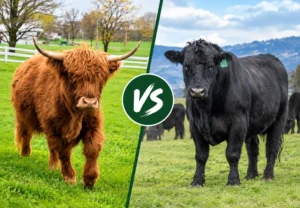
Comparing a Mini Jersey cow with a standard Jersey cow helps new owners understand which breed better fits their goals. Mini Jerseys offer moderate milk production and a smaller body that many families find easier to handle. Standard Jerseys often suit larger dairy operations where maximum production is the priority.
For small properties the difference in body size comparison milk production comparison feed requirements and land requirements can make daily handling much easier. Both are excellent dairy breeds but many family farms choose Mini Jerseys while commercial dairy farms often prefer standard cattle.
Mini Jersey Cow vs Standard Jersey Cow
| Feature | Mini Jersey | Standard Jersey |
| Height | Smaller | Larger |
| Weight | 500–800 lbs | 800–1,200 lbs |
| Milk Volume | Lower | Higher |
| Butterfat | High | High |
| Feed Consumption | Lower | Higher |
| Land Requirement | Less | More |
| Handling | Easier | More demanding |
| Best For | Homesteads | Commercial dairies |
Are Mini Jersey Cows Good for Small Farms?
For many people the answer is yes. Mini Jersey cows combine rich milk moderate feed requirements, smaller body size and a friendly personality with excellent good adaptability. These qualities make them a natural fit for homesteads, hobby farms, sustainable farms and educational farms.
Success still depends on proper fencing, suitable shelter, good pasture management and regular veterinary care. Responsible livestock ownership always matters more than the breed itself.
Where to Buy a Mini Jersey Cow Safely
Finding a healthy Mini Jersey cow starts with choosing a reputable breeder. Always request health records vaccination history parent information registration papers milk production records pregnancy records genetic testing results when available and complete veterinary records.
Whenever possible, schedule a farm visit before making a purchase. Check the cleanliness of the property along with the overall animal condition temperament hoof health udder health and daily feeding program. Never trust an online advertisement simply because it claims to offer a mini cow. Ask for verified mature height and mature weight of both parents. A truly responsible breeder welcomes questions because they care about placing cattle in the right home.
Final Thought
Owning a Mini Jersey cow is about much more than enjoying a manageable size or rich milk. A healthy animal needs proper nutrition, quality pasture clean water, secure fencing and regular veterinary care. With responsible breeding, careful livestock management and thoughtful planning these gentle cattle can reward both new cattle owners and experienced cattle owners with years of reliable milk production, enjoyable companionship and lasting value on any dairy farm or homestead.