What Does Highland Cow Meat Taste Like?
Highland cow meat has a deep beef taste. It feels rich, clean, and a little sweet in some cuts. It does not taste strange. It does not taste wild either. It still tastes like normal beef, but with more body and more farm-style flavor.
The taste can change from farm to farm. A grass-fed Highland cow may give beef with a bold and earthy flavor. A cow finished with grain may taste softer and a little milder. Some farmers use grass, hay, minerals, and finishing feed together. That can give the meat a balanced flavor.
I always think Highland beef tastes more like old pasture beef. It feels closer to the farm than a regular supermarket pack. You can taste that the animal grew slowly and lived a more natural life. The flavor is not flat. It has more depth.
Cooking also changes the taste. If you overcook it, the meat can become dry because Highland beef is often lean. For steaks, medium-rare or medium works better. For tougher cuts, slow cooking, braising, and careful grilling help keep the meat soft and tasty.
Are Highland Cows Good for Meat?

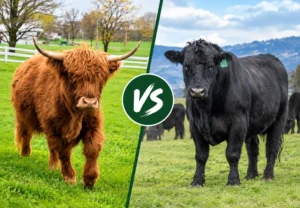
Yes, Highland cows are good for meat. They are not only cute animals with long hair, wide horns, and a Scottish look. Farmers also raise them because they can produce useful and flavorful beef.
This breed can live on rough pasture. It can handle cold weather. It can turn grass, hay, and natural forage into good meat. That makes Highland cattle useful for small farms and pasture-based farms.
Highland cows do not grow as fast as many modern beef breeds. But speed is not always the main thing. Many people choose Highland beef because they want flavor, farm value, and meat with a real story behind it.
This beef is good for people who like:
- Rich beef flavor
- Lean meat
- Pasture-raised beef
- Farm-raised food
- Heritage breed cattle
- Slow-grown meat
Highland beef may not be the cheapest beef, but it can feel more special. It has a firm bite, clean taste, and strong beef flavor. That is why many buyers come back to it after trying it once.
Highland Beef Quality and Texture
Highland beef quality can be very good when the cattle are raised well. A healthy animal, clean pasture, fresh water, good feed, and calm handling all help improve the final meat.
The texture is usually clean and firm. It does not feel loose or watery. Many people describe it as fine-textured beef. It has a steady bite, and it feels more natural than some soft store beef.
Highland cattle often have less heavy fat than grain-fed beef breeds. That is why the meat can feel lighter when you eat it. It does not leave too much grease on the plate.
But lean beef needs care. If someone cooks it too fast or too long, it can dry out. The best results come from proper cooking. Steaks need good heat and short cooking time. Roasts need slow heat. Ground beef works well for burgers, tacos, chili, and meatballs.
Good butchering also matters. Aging the beef can improve tenderness and flavor. A skilled butcher can make a big difference, especially with heritage cattle like Highland cows.
Is Highland Cow Meat Tender?
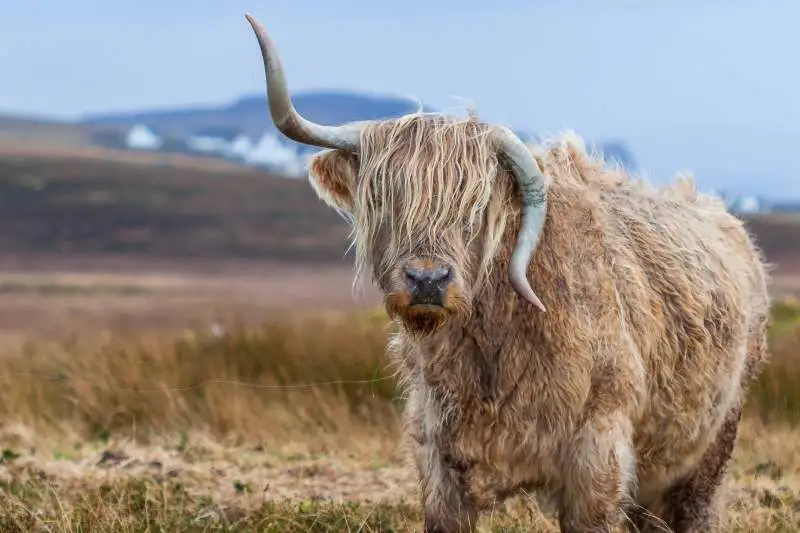
Highland cow meat can be tender, but it depends on the cut, the age of the animal, and the cooking method. A well-raised Highland steer can give tender steaks, roasts, and ground beef.
Some cuts are naturally soft. Tenderloin, ribeye, sirloin, and strip steak are good examples. These cuts do not need long cooking. They need heat control and a little rest after cooking.
Other cuts work harder on the animal. Shoulder, round, shank, and brisket can be tougher. These cuts need slow cooking. Braising, stewing, pressure cooking, and roasting can make them soft and flavorful.
Because Highland beef is often lean, it can become tough if cooked badly. Too much heat for too long can ruin the texture. A small mistake can dry the meat out.
One useful tip is simple. Let the meat rest before cutting it. This keeps the juices inside. It also makes the bite better.
Highland Cow Meat vs Regular Beef
Highland cow meat vs regular beef is mainly about flavor, fat, texture, price, and farming style.
Regular beef often comes from fast-growing cattle. These cattle may reach market size sooner. Some are grain-finished, so the meat may have more fat and softer texture. That fat can make regular beef juicy and buttery.
Highland beef is different. It usually grows slower. It is often leaner. It may have a cleaner taste and stronger beef flavor. It does not always have heavy marbling like some grain-fed steak, but it can still be juicy when cooked right.
Regular beef is easier to find. It is also usually cheaper. Highland beef is more of a specialty meat. Many people buy it from local farms, farm shops, farmers markets, or direct beef shares.
Here is the simple difference:
- Regular beef is better for cheap and quick meals.
- Highland beef is better for deeper flavor and farm-style quality.
- Regular beef may have more fat and softer texture.
- Highland beef often has leaner meat and cleaner taste.
- Regular beef is common.
- Highland beef feels more special and local.
Both can be good. It just depends on what a person wants from the meat.
Why Farmers Raise Highland Cows for Beef

Farmers raise Highland cows for beef because this breed is tough and useful. These cattle can live in places where some other cattle may struggle. They can graze rough land, hills, brushy areas, and poor pasture.
Their thick shaggy coat helps them stay warm in cold weather. Because of that coat, they do not need as much body fat for protection. This can help produce leaner meat.
Small farms like Highland cattle because they are practical and attractive. They can produce beef, but they also bring attention to the farm. People like taking photos of them. Visitors remember them. This helps with farm branding, farm tours, and local meat sales.
Highland cattle also work well for conservation grazing. They can eat grass, weeds, rough plants, and brush. With good grazing plans, they can help manage land while still producing valuable beef.
Farmers also like their calm nature, strong mothering ability, easy calving, and long life. These traits make them useful for low-input and pasture-based systems.
Is Highland Beef Healthy?
Highland beef can be healthy when people eat it in a balanced way. It is still red meat, so portion size matters. But it can be a good source of protein, iron, zinc, vitamin B12, and other nutrients.
Many people see Highland beef as leaner than some types of regular beef. This is especially true when the cattle are grass-fed. Lean beef can be a smart choice when it is cooked simply and not covered with heavy sauces or too much oil.
A good meal could be a small Highland steak with vegetables, rice, potatoes, or salad. Ground Highland beef can also work well in chili, pasta sauce, tacos, and homemade burgers.
The health value depends on the farm too. Feed, pasture quality, animal age, fat trimming, and processing all affect the final meat. Grass-fed beef may taste stronger and feel less oily, but every farm is different.
So, Highland beef is not magic food. But it can fit nicely into a healthy meal plan when eaten with balance.
Grass Fed Highland Beef Benefits
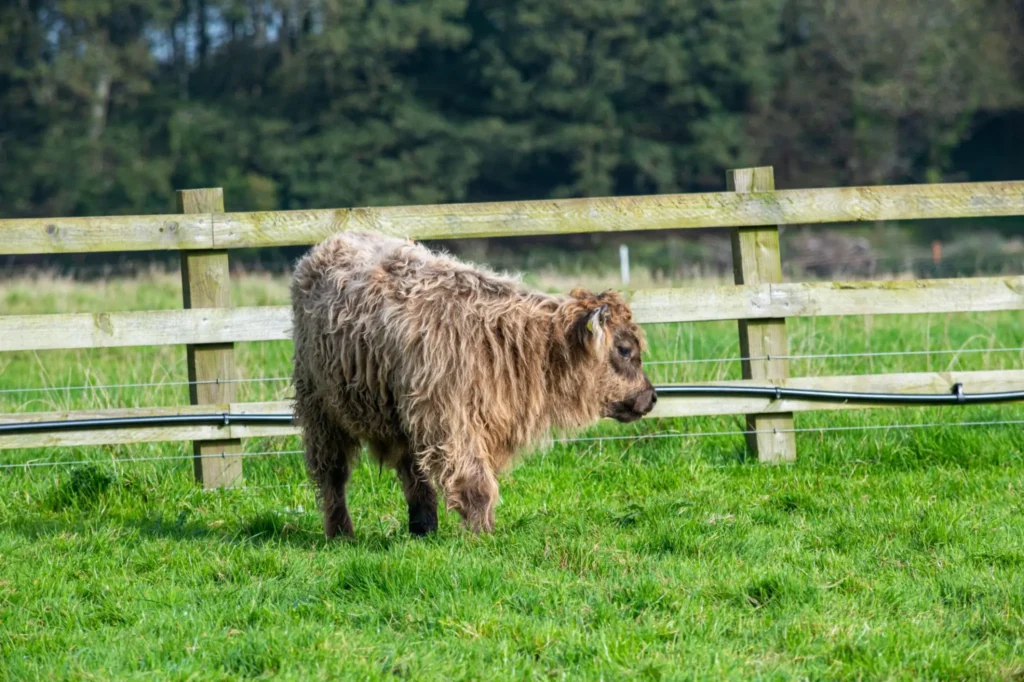
Grass-fed Highland beef is popular because Highland cattle naturally fit pasture life. They can use grass, hay, rough plants, and open land well. That makes them good for natural grazing systems.
The flavor is one big benefit. Grass-fed Highland beef often has a deeper taste. It may feel earthy, clean, and more connected to the land. People who like local beef often enjoy this kind of flavor.
Another benefit is the story behind the meat. Buyers like knowing where the beef comes from. They like knowing the animal had pasture, space, and a slower life.
Grass-fed Highland cattle can also help with land care. They can graze weeds, brush, and rough vegetation. With good management, grazing can support pasture regrowth and improve land use.
But grass-fed beef still needs good farming. Poor pasture can give poor results. A well-managed grass-fed Highland animal can produce flavorful, useful, and valuable beef.
How Long Do Highland Cows Take to Grow for Meat?
Highland cows take longer to grow for meat than many commercial beef breeds. Many Highland cattle are processed around 24 to 36 months, but this can change by farm, feed, climate, genetics, and target weight.
Some farms finish them earlier. Some wait longer for better size or stronger flavor. Grass-fed Highland cattle often need more time than grain-finished cattle because grass-based growth is slower.
This slow growth can make Highland beef more expensive. Farmers spend more time on feed, care, pasture, winter hay, minerals, land use, and processing. They wait longer before they can sell the meat.
But slow growth can also help flavor. The meat may develop a deeper beef taste and a more traditional eating feel. That is one reason many buyers accept the higher price.
Growth depends on many things, such as calf health, weaning age, pasture quality, winter feed, bull quality, steer growth, finishing weight, carcass yield, and processing age.
Is Highland Cow Meat Worth It?
Highland cow meat is worth it for people who want flavorful beef, lean texture, and a farm-raised feel. It may cost more than regular beef, but many buyers value the taste, story, and heritage breed background.
It works well in many meals. Ground Highland beef can make burgers, meatballs, tacos, chili, and pasta sauce. Steaks can taste rich when cooked with care. Roasts and stew cuts also do well with slow cooking.
It may not be the best choice for someone who only wants the cheapest beef. It may also not suit someone who wants a very fatty steak with a mild taste. Highland beef has more character than that.
For people who enjoy grass-fed flavor, lean meat, and local farm beef, Highland cow meat can be a strong choice. The best results come from good breeding, good pasture, careful finishing, skilled butchering, and proper cooking.