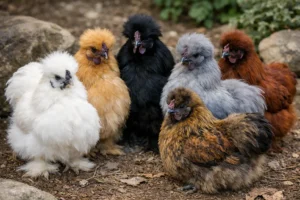
The first time I saw a Silkie in person I thought someone glued a cotton ball onto a chicken. My neighbor brought one over to show off. I just stood there staring. Turquoise ears. Black skin peeking through the feathers. That was the moment I got hooked.
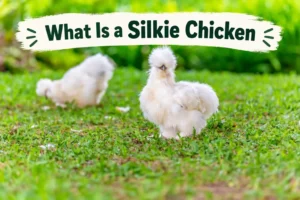
A Silkie chicken is one of the most unusual birds you’ll find in any backyard flock. These little chickens have fur like feathers instead of smooth plumage. They can’t fly at all. Their skin and bones run black instead of pink. And honestly their personality matches the cute factor. They’re some of the gentlest chickens around.
This guide covers everything worth knowing. Where this breed came from. What makes it look so different? How it behaves. Egg laying habits. And why so many backyard keepers fall for this bird despite it being a pretty poor layer.
Quick Overview
| Factor | What You Should Know |
| Origin | Ancient China with possible Southeast Asia roots |
| Flight ability | Cannot fly due to lack of feather hooklets |
| Skin and bone color | Black instead of typical pink |
| Egg production | Around 100 to 120 small eggs yearly |
| Broodiness | Extremely broody and used as foster mothers |
| Lifespan | Around 8 to 9 years |
| Best for | Pets families and show exhibitions |
| Toe count | Five toes instead of the usual four |
Silkie Chicken History and Origin Where This Breed Came From
This breed traces back to ancient China. Some believe Southeast Asia played a role too. India and Java both get mentioned. The earliest known Western record comes from Marco Polo. He wrote about a furry chicken during his travels through Asia. That was back in the 13th century.
Most historians think Silkies traveled west along the Silk Route. Maritime trade routes probably helped too. They eventually landed in North America. Official recognition came in 1874 through the Standard of Perfection.
Once this breed showed up in the West strange myths started spreading fast. Early breeders told buyers these birds were a cross between a chicken and a rabbit. That’s obviously false. But the story stuck around for years. It still pops up occasionally today, even among people who should know better.
Silkie Chicken Appearance and Unique Physical Features
Before getting into the details here are two lists worth saving. This breed carries more unusual traits than almost any other chicken.
Physical features that make Silkies stand out:
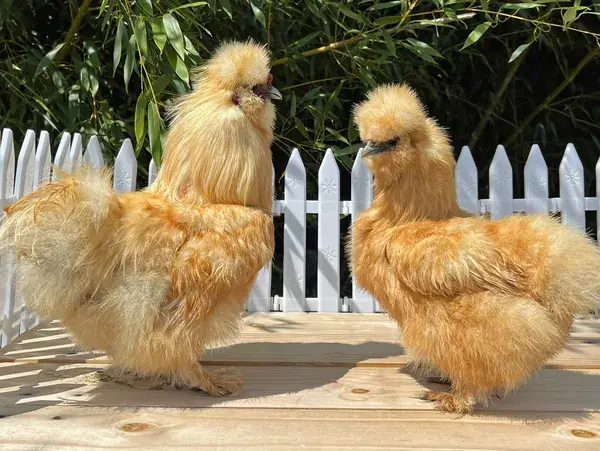
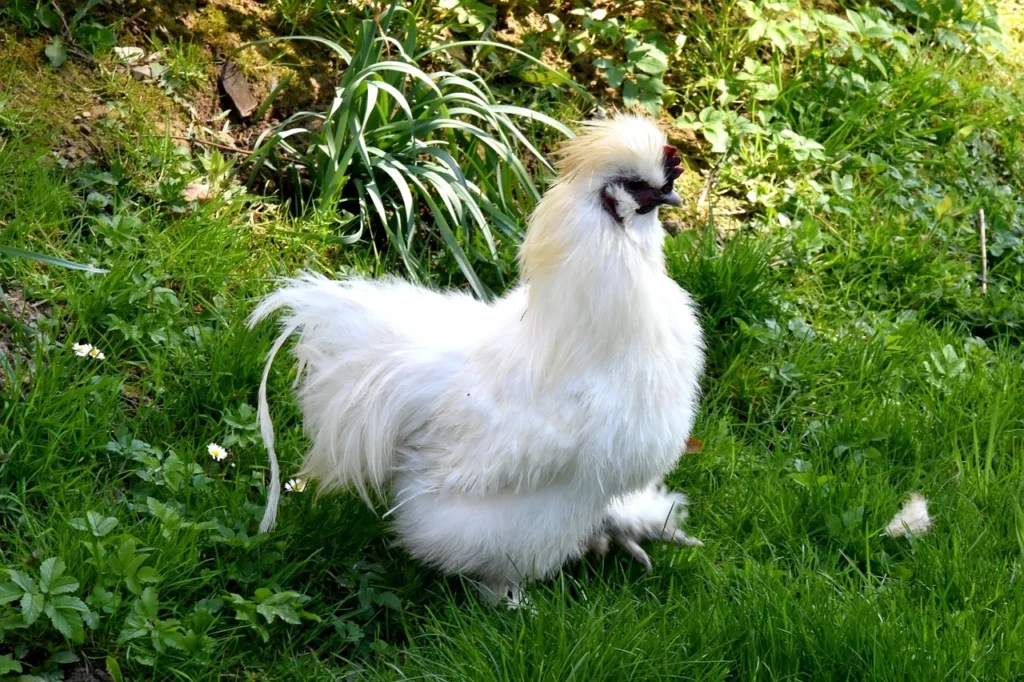
- Fur like feathers that lack the tiny hooks called barbicels
- Five toes per foot instead of the standard four
- Black skin bones and even darker colored meat
- Turquoise or blue tinted earlobes
- A small walnut shaped comb in dark or mulberry coloring
Traits shared across most Silkie varieties:
- Blue tinted beak paired with black eyes
- Feathered legs and feet in most strains
- Small wattles that stay fairly subtle
- Both bearded and non bearded versions exist
- Ashen blue colored legs across nearly every variety
That fur like feathering comes down to genetics. A recessive gene causes a lack of hooklets in the feathers. That’s what gives them the soft downy texture. It’s also the reason they can’t fly no matter how hard they try.
The black skin and bones come from a different gene entirely. It’s a dominant trait called fibromelanosis. This trait makes them a delicacy in parts of China. People there believe the ground bones carry healing properties. That’s more cultural tradition than proven science though.
Color wise Silkies come in a surprising range. Recognized varieties include white partridge buff black blue and splash. Unrecognized colors include lavender cuckoo silver partridge and paint. Based on what I’ve seen at poultry shows the blue and partridge varieties draw the most attention.
Silkie Chicken Temperament and Personality Traits
This might be the best part of owning this breed. Silkies are calm friendly and trusting. They genuinely enjoy human interaction. I know a few backyard keepers who let their Silkies free range right alongside their kids without a second thought.
They’re also low key around other animals. They rarely cause trouble in a mixed flock. Since they can’t fly they’re easy to contain. Fencing that would barely stop other breeds works fine here. They also do very little damage to gardens compared to breeds that scratch and dig constantly.
Kids especially gravitate toward Silkies. Their gentle nature paired with that soft fluffy coat makes them one of the most huggable chicken breeds around. Based on my experience watching a friend’s kids with their flock the Silkies were always picked up first and carried around the yard.
Silkie Chicken Size Weight and Growth Information
Size varies depending on the version you’re looking at. The bantam variety is more common across North America. The American Standard of Perfection calls for bantam males to weigh around 35 ounces. Females come in slightly lighter around 32 ounces.
Standard sized Silkies are more common in Europe. They run considerably heavier. Roosters typically weigh close to 1.8 kilograms. Hens land around 1.4 kilograms. There’s also a miniature Silkie variety weighing even less. That one usually sits around 500 to 600 grams depending on sex.
Growth happens at a fairly typical pace for a bantam breed. Chicks do seem a bit more fragile during their first few days compared to standard sized breeds. After testing this myself while raising my own hatched Silkie chicks I noticed they needed extra warmth early on.
Silkie Chicken Care Requirements for Beginners
Caring for this breed comes with a few unique considerations. Since their feathers aren’t waterproof like a typical chicken’s, Silkies need dry conditions. Shelter should be available whenever weather turns wet.
They don’t need much space though. That makes them a solid choice for smaller backyard setups. A modest coop and run works fine since they’re not big flyers or aggressive foragers.
A few practical care tips worth following:
- Keep their coop dry since wet feathers can lead to chilling fast
- Trim feathers gently around the eyes if vision seems blocked
- Watch for scaly leg mites since this breed tends to be more susceptible
- Provide slightly warmer brooder conditions for chicks during their first week
Despite needing extra attention around moisture, Silkies are otherwise hardy little birds. They handle cold weather surprisingly well thanks to all that dense fluffy insulation.
Silkie Chicken Eggs Breeding and Broody Behavior
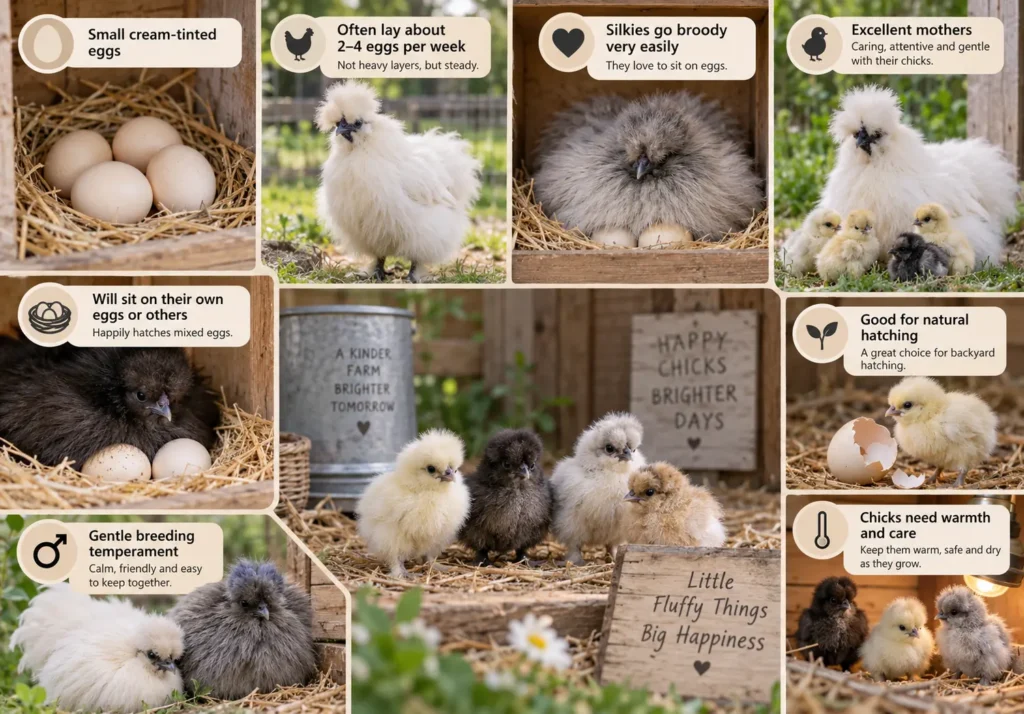
Egg production is honestly where this breed falls short. Silkies typically lay somewhere between 100 to 120 small eggs a year. Colors range from white to cream or light tan.
What really sets this breed apart is their broodiness. Silkie hens go broody almost constantly. They’ll often sit on a clutch of eggs even after those eggs get removed from underneath them. This behavior usually kicks in around Christmas. Production typically stops altogether once summer heat rolls around.
Chicken keepers actually use this broody tendency to their advantage. Many people keep Silkie hens specifically as foster mothers. They let them hatch and raise chicks from completely different breeds since Silkies make such attentive mothers regardless of whose eggs they’re sitting on.
Why Broodiness Matters for Small Flocks
If you’re raising a mixed flock and want to hatch eggs without an incubator a broody Silkie hen does all the work for you. Based on general best practices among small flock owners letting a Silkie foster eggs from a better laying breed gives you the best of both worlds.
Why Silkie Chickens Are Popular Backyard Birds
Given how poor their egg production actually is, it might seem strange that this breed stays so popular. But once you spend time around one it makes complete sense. These birds aren’t raised for eggs or meat. They’re kept almost entirely as pets show birds or dedicated broody mothers for other breeds.
Their gentle temperament alone makes them a favorite among families with young children. Add in that unmistakable fluffy appearance and unique black skin, and you’ve got a breed that stands out at any poultry show or backyard gathering.
Lifespan plays a role too. Silkies typically live around 8 to 9 years. That’s longer than a lot of standard production breeds that get replaced once laying slows down. People raising Silkies as pets tend to keep them around for years simply because they enjoy having them in the flock.
Final Thoughts
Silkie chickens really do earn their spot as one of the most beloved backyard breeds. They’re not going to fill your egg basket every week. But they’ll fill your yard with personality charm and honestly just a whole lot of cuteness.
If you’re thinking about adding a few Silkies to your own flock, go in knowing their strengths lie in companionship and mothering rather than production. Most owners who’ve raised them say the trade off is completely worth it once you see that fluffy little bird waddling around your yard.
FAQS
What is a Silkie chicken known for?
A Silkie chicken is best known for its fur like feathers black skin and bones and incredibly gentle temperament. Unlike most chicken breeds they cannot fly due to a lack of hooklets in their feathers. They’re typically kept as pets show birds or broody mothers rather than for meat or heavy egg production since their laying output stays fairly low.
Do Silkie chickens make good pets?
Yes Silkie chickens are widely considered one of the best pet friendly chicken breeds available. Their calm trusting nature combined with a soft fluffy coat makes them especially popular with families and children. They rarely cause trouble in a mixed flock and their inability to fly makes them easy to contain with fairly low fencing around the yard.
How many eggs does a Silkie chicken lay per year?
Silkie chickens typically lay somewhere between 100 to 120 small eggs annually which is considerably lower than most standard laying breeds. Their strong tendency toward broodiness often interrupts egg production even further since they frequently stop laying to sit on a clutch. Most owners keep them for companionship rather than relying on them for consistent egg output.
Why do Silkie chickens have black skin?
Silkie chickens have black skin due to a dominant genetic trait called fibromelanosis which also affects their bones and meat coloring. This same trait appears in a few other rare breeds around the world. In parts of China this black skinned characteristic makes Silkies something of a culinary delicacy, though most Western owners keep them purely as pets or show birds instead.
Are Silkie chickens good with kids?
Yes Silkie chickens are widely regarded as one of the most kid friendly chicken breeds you can raise. Their gentle trusting temperament combined with that soft huggable feather coat makes them a favorite among families with young children. They rarely show aggression and tend to enjoy being held and handled far more than most other standard chicken breeds typically do.