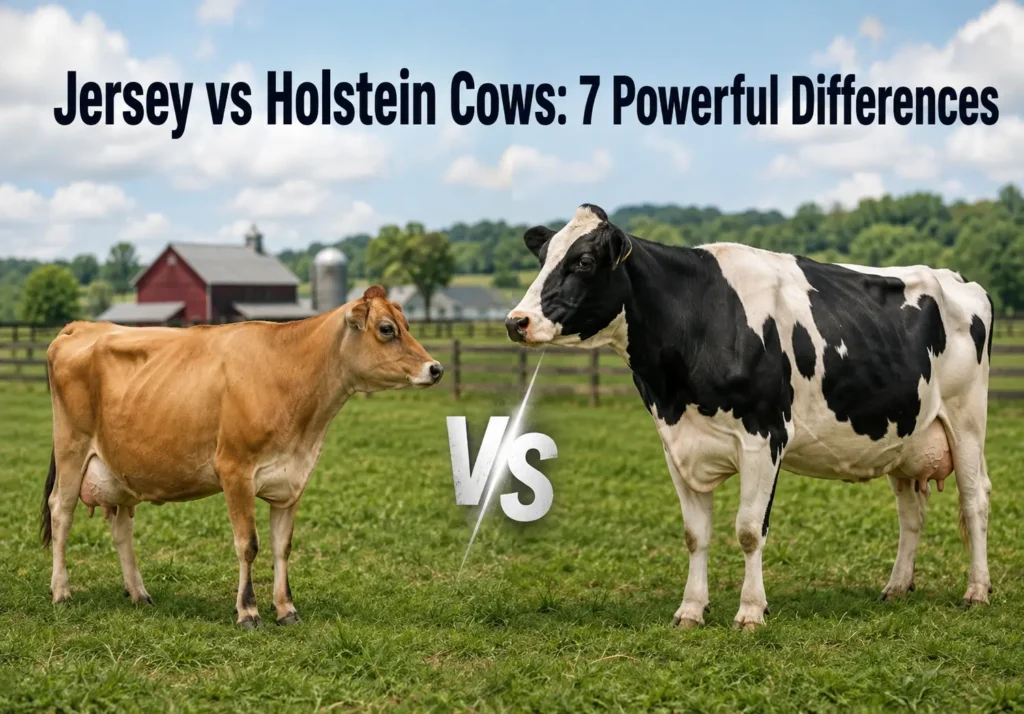
Jersey and Holstein cows are both strong dairy breeds, but they work best in different farm settings. Holsteins are larger and usually give more total milk, while Jerseys are smaller and produce richer milk with more butterfat and protein. Their body size also changes how much feed, housing space, and handling room they need. A farmer who understands these differences can choose a cow that fits the farm instead of choosing only by milk volume.
Quick Overview
| Feature | Jersey Cow | Holstein Cow |
| Mature weight | Around 1,000 pounds | Around 1,500 pounds |
| Body size | Small and compact | Large and tall |
| Milk production | Lower total milk | Higher total milk |
| Butterfat | Usually higher | Usually lower |
| Protein | Usually higher | Good but often lower than Jersey |
| Feed use | Lower total feed needs | Higher total feed needs |
| Temperament | Alert and sometimes sensitive | Often calm but much larger |
| Small farm fit | Often easier | Needs more space and feed |
Jersey vs Holstein Milk Production
Milk production is the biggest difference many farmers notice first. Holstein milk production is usually much higher in total volume. A mature Holstein may produce around 27,000 pounds of milk during a full lactation under good dairy care. A mature Jersey may produce closer to 18,000 pounds, although individual cows can be well above or below these numbers.
The Holstein has a larger body and a strong ability to turn feed into a high milk volume. This makes the breed useful when the main goal is producing a lot of drinking milk. Jersey milk production looks lower when we only count total pounds, but Jerseys produce a good amount of milk for their smaller body weight. They also make milk with more fat and protein, so total gallons do not tell the whole story.
Daily Milk Changes Through Lactation
A cow does not give the same daily milk amount all year. Milk usually rises after calving, reaches peak production during early lactation, and then slowly falls as the dry period gets closer. A mature cow often produces more than a first-calf heifer because her body has finished more of its growth.
Health also changes production. Mastitis, lameness, heat stress, poor appetite, and low feed quality can quickly lower milk yield. Milking frequency matters too. A cow milked twice a day may give more total milk than the same cow on once-a-day milking.
Think About Family Milk Needs
High milk volume can be useful, but it can also become a daily problem when a family cannot use it. A high-producing Holstein may give much more milk than a small household needs. That extra milk still requires milk cooling, milk storage, and clean handling.
A Jersey may be easier for home dairy use because she can provide a useful milk supply without creating as much extra volume. Calf sharing can also reduce the amount collected by the family. Before buying, check milk records and ask how much the individual cow produced during her last lactation.
Jersey vs Holstein Cow Size and Weight
Jersey and Holstein cows look very different when they stand side by side. A mature Jersey cow commonly weighs around 1,000 pounds. A mature Holstein cow may weigh close to 1,500 pounds and can stand around 58 inches tall at the shoulder.
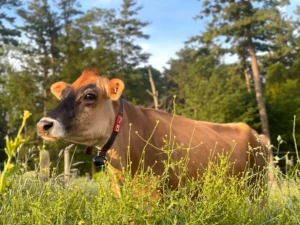
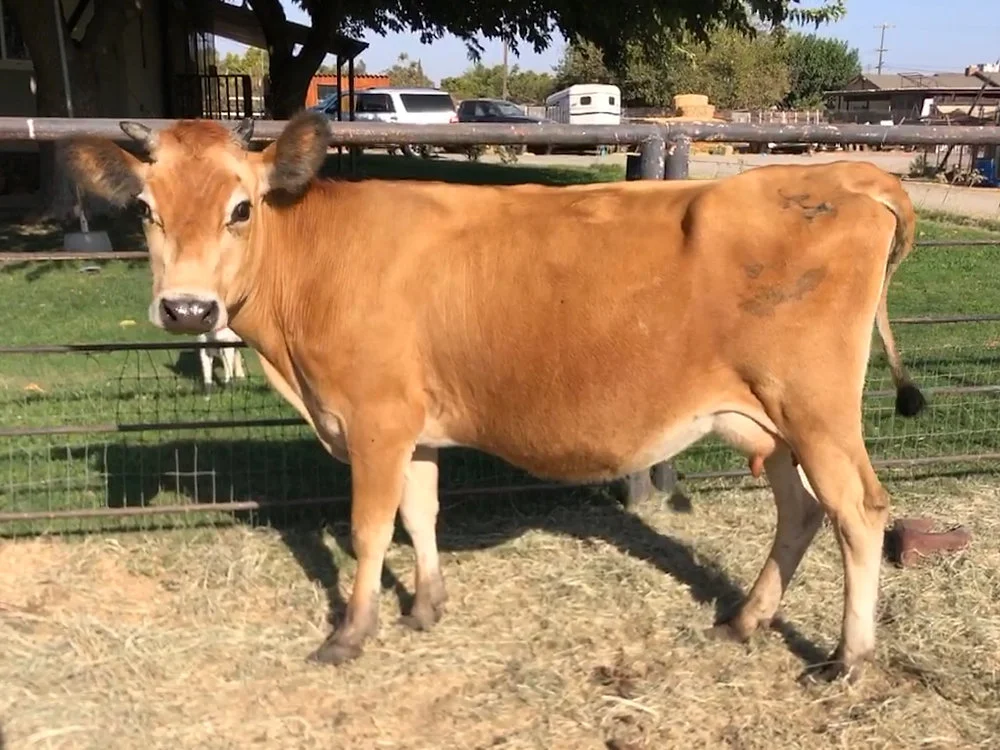
The Jersey has a smaller body with a compact dairy frame. She often has a fine head, dark eyes, and a dark muzzle. Her legs should still look strong and carry good bones. Holsteins have a much larger body with more depth, height, and overall frame.
Why Size Matters Around the Farm
Body size affects more than appearance. A large Holstein needs wider stalls, gates, trailers, and handling equipment. She also puts more body weight on muddy areas and soft pastures.
A Jersey needs less farm space, although she still requires proper cattle housing and exercise room. Her smaller size may fit older barns or simple family-farm setups better. Safe fencing is still needed because even a compact dairy cow is a powerful animal.
Handling and Animal Safety
A smaller Jersey may feel easier for a beginner to move through a gate or milking area. Still, a cow near 1,000 pounds can push or kick hard enough to cause a serious injury. Calm cattle handling matters with both breeds.
Holsteins need more turning room because of their larger frame. Slippery floors can become dangerous for a heavy cow. Good footing, wide alleys, and safe handling equipment make daily cattle handling easier and protect animal safety.
Butterfat and Protein Content Comparison
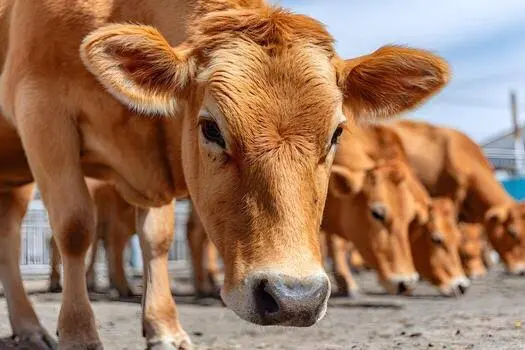
Jersey milk is well known for its high butterfat and protein. A typical Jersey may produce milk close to 5 percent fat with protein near 3.8 percent. Holstein milk usually has a lower fat percentage, though the cow often produces much more total milk.
This difference matters for dairy foods. Butter needs milk fat, while cheese making benefits from both fat and protein. A gallon of Jersey milk may give a thicker cream line than a gallon of Holstein milk.
Why Jersey Milk Feels Richer
The high butterfat level gives Jersey milk a creamy taste and thicker feel. This makes it useful for homemade butter, heavy cream, ice cream, yogurt, and other rich dairy products. Families interested in milk solids may care more about this than total milk volume.
Holstein milk is often lighter because the milk fat percentage is lower. It can still make good butter and cheese because the cow produces so much total milk. The better choice depends on whether the farm wants more gallons or more richness in each gallon.
Protein and Cheese Making
Protein helps milk form curds during cheese making. Jersey milk often has a higher protein percentage, which can improve cheese yield. Holstein milk still provides plenty of protein, especially when the large milk volume is considered.
Milk composition can change during lactation. Later lactation may bring lower milk volume but a higher milk fat level. Genetics, feed, season, and heat stress can also change fat percentage and protein percentage.
Feed Can Affect Milk Solids
Good forage supports healthy rumen activity. Cows need enough effective fiber for normal digestion. Feeding too much grain and not enough fiber may lower milk fat and disturb the digestive system.
Balanced feeding helps each breed reach its genetic ability. Milk richness comes from both breed genetics and good management. A Jersey on poor feed will not produce the same milk quality as a healthy Jersey receiving a balanced diet.
Jersey vs Holstein Feed Efficiency
Feed efficiency means more than simply asking which cow eats less. A farmer needs to look at how much useful milk or milk solids come from that feed. Jerseys have lower total feed needs because of their smaller body. Holsteins eat more because they have more body maintenance needs and higher milk production.
When milk energy and milk solids are included, Jerseys can show very good dairy efficiency. Holsteins can also be highly efficient because their milk volume is so large. The result depends on body weight, genetics, lactation stage, feed quality, and cow comfort.
Smaller Body Means Lower Maintenance Needs
Every cow needs energy just to maintain her body. She uses it to breathe, walk, stay warm, and keep her organs working. A smaller Jersey has less body tissue to support than a larger Holstein.
This can lower feed costs on a small farm. The Jersey may use more of her feed for milk solids instead of simply maintaining a large frame. That can be useful when pasture or stored forage is limited.
Holsteins Need More Total Feed
A Holstein’s larger body and high milk production require a bigger daily feed intake. Good forage and quality hay become very important. A high-producing Holstein cannot keep giving large amounts of milk when the diet lacks enough energy or protein.
The higher feed intake can still make sense when the farm needs maximum milk volume. A well-fed Holstein may return the extra feed through higher milk production. This works best when the farm has enough forage and good feed management.
Basic Feeding Needs
Both breeds need:
- Clean fresh water every day
- Good pasture or quality hay
- Enough energy for milk production
- Enough protein for body and milk needs
- Cattle minerals and salt
- Enough fiber for healthy digestion
- Extra feed when forage does not meet production needs
Water intake deserves special attention. Milk contains a large amount of water, so a high-producing cow may drink many gallons each day. Hot weather raises this need even more.
Feed Quality Matters
Forage testing can show protein, fiber, energy, and mineral levels. This helps a farmer avoid guessing the diet. Poor-quality hay may fill the rumen but still fail to support strong milk production.
Cow comfort also affects feed efficiency. Heat stress, lameness, long walking distances, and overcrowding can reduce feed intake. A cow that cannot reach feed often enough will not use her genetic milk potential.
Jersey vs Holstein Cow Temperament
Jersey cows are often alert, curious, and active. Some become very friendly with regular handling. Others can be sensitive and react quickly to a strange person, loud sound, or sudden change in the barn.
Holsteins often have a steady temperament, though individual behavior can vary. Their larger bodies may make them feel more difficult to a beginner even when they are calm. A quiet Holstein with good training can still make an excellent family milk cow.
Milking Behavior
Cows like a regular milking routine. Sudden noise, rough handling, or poor footing can make either breed nervous. Fear may lead to kicking or poor milk let-down.
A first-calf heifer may move around more during her first few milkings. Her udder can feel tender, and the whole routine is new to her. Gentle handling and patience usually work better than force.
Individual History Matters
Breed gives a general idea, but known behavior matters more. A trained Jersey that has been hand milked for years may be much easier than an unhandled Holstein heifer. A calm Holstein with a good history may also be safer than a nervous Jersey.
Watch the cow around people before buying. See how she enters a milking area, reacts to touching, and behaves around feed. Temperament should be part of the purchase decision.
Dairy Bulls Need Extra Care
A mature dairy bull can be dangerous in either breed. Jersey bulls may be smaller than Holstein bulls, but they can still show aggressive behavior. Holstein bulls add even more body weight and strength.
Strong fencing, secure gates, and proper handling equipment are important. Never allow children into a bull pen. Many small farms avoid keeping a bull and use artificial insemination instead.
Health Lifespan and Calving Differences
Both breeds can have a good productive life when farmers manage them well. Feet, udder health, fertility, body condition, and disease history all affect how long a cow remains useful. Poor fertility, mastitis, lameness, and injury can shorten the working life of either breed.
Holsteins often face strong body demands because of their high milk production. Jerseys give less total milk, but they can still develop common dairy health problems. Good nutrition and close care around calving are important for both.
Jersey Health and Calving
Jerseys often have good calving ease because their calves are smaller. This can make them a good choice for farms worried about difficult calving. A young heifer still needs a suitable sire because calf size and calf position both matter.
Jerseys can also face milk fever around calving. This happens when blood calcium becomes too low. Older cows and heavy milk producers may have more risk, so a good dry-cow diet and veterinary plan can help.
Holstein Health and Calving
Holsteins can calve normally, but their larger body and high milk production require careful management after birth. They need plenty of energy during early lactation. If feed intake cannot keep up with milk output, the cow may lose too much body condition.
Ketosis can become a problem when the cow uses too much body fat for energy. Lameness is another concern because a large Holstein puts more weight on her feet. Good hoof care and comfortable flooring help protect her movement.
Signs of a Difficult Birth
Watch for these common warning signs:
- Strong labor with no progress
- Only one front foot appears
- The calf comes backward
- The calf is stuck in a wrong position
- The cow becomes very weak
- Heavy bleeding occurs
- Labor stops after strong pushing
A normal calf often comes with two front feet first and the calf nose between them. Pulling without knowing the calf position can injure both the cow and calf. Veterinary help is safer when labor stops progressing.
Care After Calving
The newborn calf needs colostrum soon after birth. This first milk supplies energy and antibodies. The cow should also start eating, drinking, and moving normally.
Watch the udder for heat, pain, or hardness. Fever, shaking, bad-smelling discharge, or poor appetite may show a health problem. Clean bedding helps lower infection risk and gives both cow and calf a better place to recover.
Which Breed Is Better for a Small Farm?
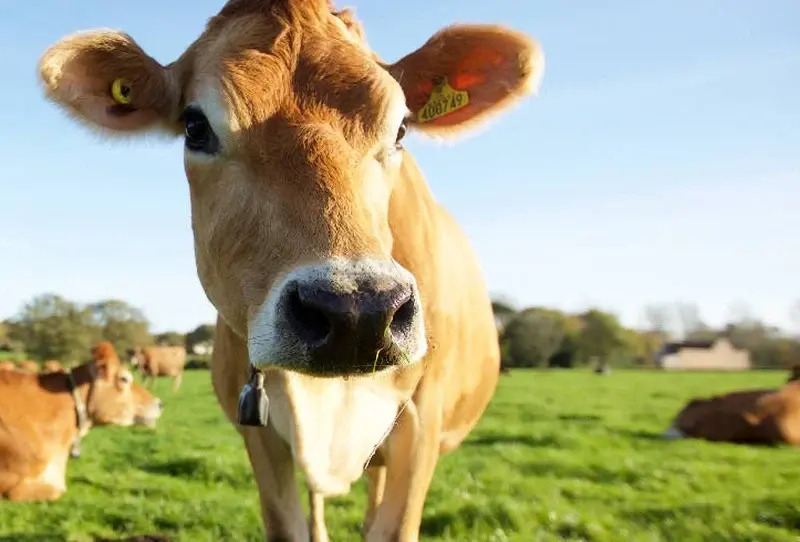
A Jersey often makes more sense when farm space and feed supply are limited. Her smaller body means lower maintenance needs, and her milk is rich enough for butter, cheese, yogurt, and cream. She can provide plenty of milk for many families without producing Holstein-level volume.
A Holstein may work better when the farm has more pasture, more stored forage, and a real need for high milk production. Her larger body needs more housing space and feed. She can still be a good small-farm cow when the owner has the right setup.
Think About Land and Feed Costs
Limited land gives Jersey a clear advantage. She places less body weight on the pasture and normally needs less total feed. This may reduce hay costs during winter.
A Holstein needs more dry matter each day. If the farm grows plenty of forage, this may not be a problem. If all hay must be purchased, the higher feed cost can become important over several years.
Match the Cow to Family Use
A small family may not need a cow producing very high milk volume. Extra milk sounds useful until it must be cooled, stored, or processed every day. A Jersey often gives a better balance between milk amount and milk richness.
A larger family may prefer a Holstein because more drinking milk is available. A farm that regularly makes dairy products can also use the extra volume. The right choice depends on real daily needs.
Check the Individual Cow Before Buying
Do not choose only by breed. Check body condition, feet, legs, udder, teat shape, and temperament. Ask about milk records, calving history, mastitis history, and fertility trouble.
Hand milking also deserves attention. Some cows have short teats that work better with a milking machine. If possible, watch the cow being milked and see whether she stands calmly.
A trained cow with a healthy udder is often easier to own than a young animal with no milking experience. Farm management becomes much easier when the cow already has good manners and a clear health history.
Final Thought
Jersey and Holstein cows can both be excellent dairy animals, but they serve different needs. Jerseys are smaller, use less total feed, and give richer milk with higher butterfat and protein. Holsteins are larger and produce much more total milk, but they need more feed, space, and strong farm facilities.
For a small family farm, a calm Jersey often gives a useful balance of milk, feed cost, and body size. A Holstein can be the better choice when the farm has enough forage and needs a large milk supply. In either case, choose a healthy cow with a good udder, strong feet, calm behavior, and reliable milk records.