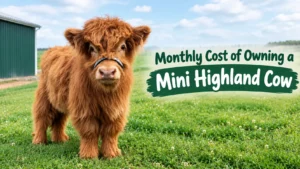
Owning a Mini Highland cow can be a fun experience for people who love farm animals. These small cattle are known for their long hair and calm looks. They can be kept on small farms or rural properties when there is enough space and proper care. However buying a Mini Highland cow is only the first cost. You also need money for feed and hay and shelter and health care and other daily needs.
The monthly cost of owning a Mini Highland cow depends on where you live and how much pasture you have. A cow that can graze on healthy grass may need less hay than one kept on a small lot with little grass. The weather also matters because cold or wet conditions can increase bedding and shelter needs.
For many owners in the United States a useful starting budget is around $150 to $400 per month for one cow when basic land and shelter are already available. Costs can be lower if you grow your own hay or higher if you buy all feed and pay for extra care. This is a planning estimate rather than a fixed price. Veterinary emergencies and the cost of building a fence can add much more.
Before bringing one home make sure you can afford its regular needs throughout the year. Cattle are herd animals and generally do best with other cattle rather than living alone. You may need to budget for more than one animal. Planning for these costs will help you give your Mini Highland cow a safe and healthy life.
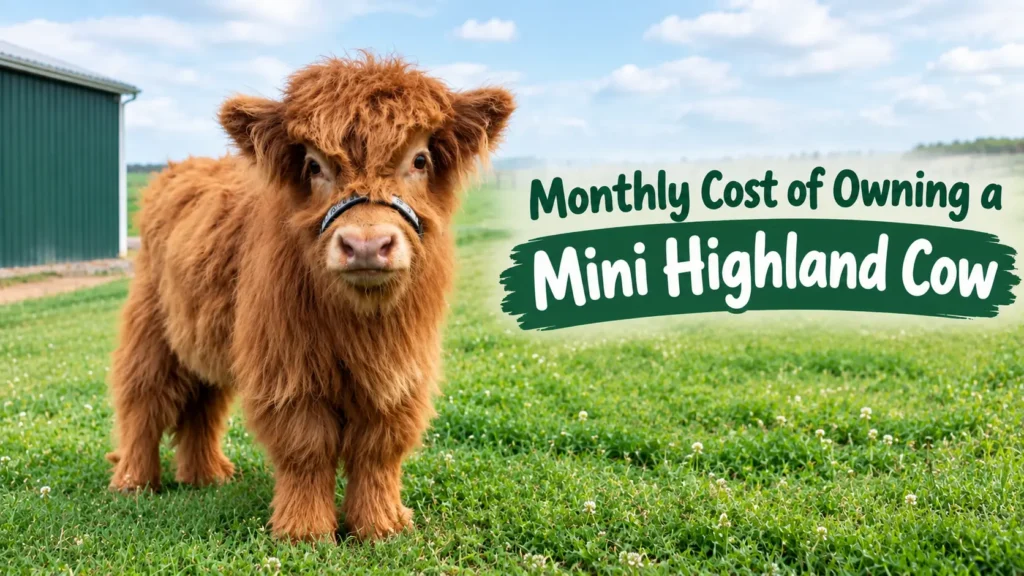
Monthly Feed and Hay Costs for a Mini Highland Cow
Feed is often one of the biggest regular costs of owning a Mini Highland cow. These cattle enjoy grazing on grass when good pasture is available. However they still need enough food during dry weather or winter when grass becomes limited.
A healthy adult Mini Highland cow may need around 1.5% to 3% of its body weight in dry matter each day. Dry matter means the part of food left after removing its water. The exact amount depends on the cow’s weight and age and activity level.
How Much Should You Budget for Hay?
For one Mini Highland cow a rough monthly budget for hay and other feed may be $60 to $180. Owners with good pasture may spend less during the growing season. Those who buy most of their hay may spend more during winter.
Hay prices change by region and season. Good quality grass hay can provide much of the daily feed a healthy adult cow needs. Young calves and pregnant or nursing cows may need a different feeding plan.
Keep these points in mind when planning your feed budget:
- Use pasture when it provides enough safe and healthy grass.
- Store hay in a dry place to prevent mold.
- Keep fresh water available every day.
- Provide cattle minerals suited to the local feed and pasture.
- Avoid giving too much grain unless a livestock professional recommends it.
Pasture does not always provide every nutrient a cow needs. The right mineral mix depends on the soil and the forage available. Ask a local livestock expert or veterinarian what is suitable for your area.
Do not assume that a small cow needs only a small amount of food. Mini Highland cattle still need enough energy and nutrients to stay healthy. A good feeding plan can prevent waste and help you control monthly costs.
Shelter and Bedding Expenses
A Mini Highland cow needs a dry place to rest and protection from harsh weather. Its thick coat helps it handle cold conditions but it does not remove the need for shelter. Wind and rain can make the animal uncomfortable. Hot weather also creates risks because cattle can overheat.
If you already have a suitable shed or run-in shelter your monthly costs may be low. You will mainly pay for bedding and small repairs. If you need to build a shelter from scratch the first-year cost can be much higher.
What Does Shelter Cost Each Month?
Plan around $15 to $50 per month for bedding and routine shelter upkeep when the main structure is already in place. This is a rough estimate and may be higher in wet or cold areas.
Straw or another safe bedding material can help keep the resting area dry. Replace dirty bedding when needed and remove manure to control flies and odors. Good drainage is important because muddy ground can lead to hoof and skin problems.
Your shelter should provide:
- A dry resting area with enough room to lie down.
- Shade and airflow during hot weather.
- Protection from strong wind and heavy rain.
- Clean bedding and a floor that does not stay wet.
- Safe access to water and feed.
Highland cattle are known for their hardiness but their long coats do not protect them from every weather problem. In hot parts of the United States shade and ventilation are especially important.
If you keep two cows they may share a shelter if it is large enough and both animals can use it safely. Do not overcrowd the space to save money. A well-planned shelter can reduce bedding waste and help prevent health problems over time.
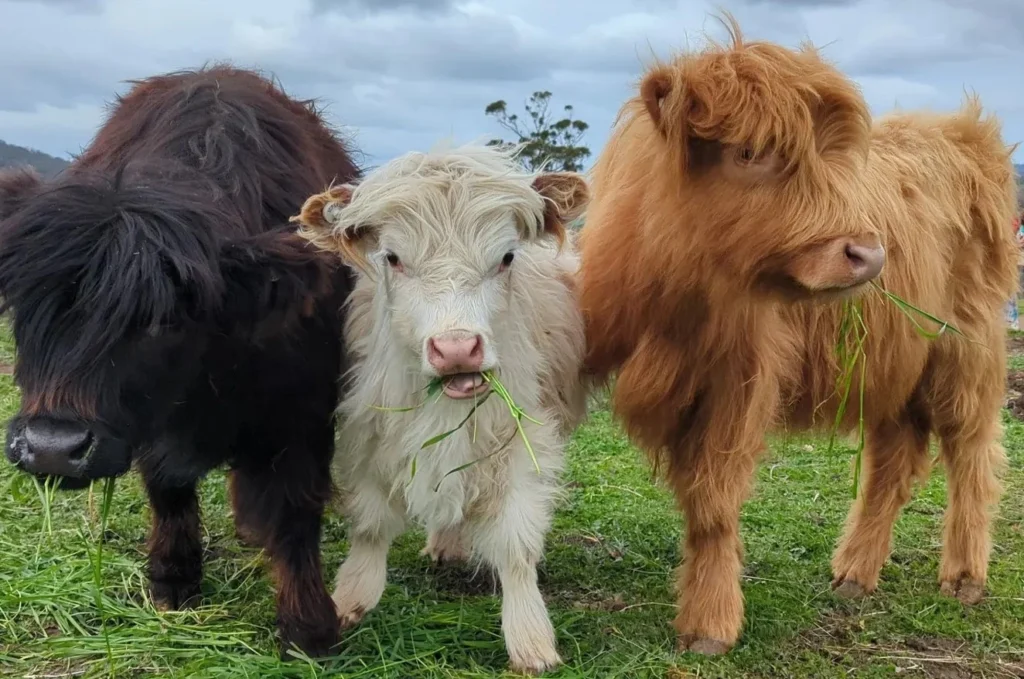
Veterinary Care and Health Costs
Your Mini Highland cow needs regular health care even when it looks healthy. Veterinary visits help you check its condition and plan for vaccinations and parasite control. You may also need help with hoof care and other health needs as the animal grows.
A useful starting budget is about $20 to $60 per month for routine veterinary care. This amount spreads expected yearly costs across 12 months. It does not mean you will receive a vet bill every month. Actual costs depend on your area and the care your cow needs.
What Health Costs Should You Expect?
Some expenses happen only once or twice a year. Others appear when your cow becomes sick or gets hurt.
Common costs include:
- Routine health checks and vaccinations.
- Parasite testing and treatment when needed.
- Hoof checks and trimming.
- Treatment for injuries or illness.
- Emergency veterinary visits.
Hoof care is important even when the cow spends most of its time on pasture. Overgrown or damaged hooves can make walking painful. Ask a livestock veterinarian how often your cow needs its feet checked.
You should also save money for unexpected health problems. A serious illness may cost far more than your usual monthly budget. Keeping an emergency fund can help you pay for care without delay.
Before buying a Mini Highland cow find a veterinarian who treats cattle in your area. Ask about farm visit fees and the usual cost of routine care. Some veterinarians charge extra for travel to your property.
Do not skip needed care to save money. Good prevention and early treatment can help protect your cow’s health and may prevent larger bills later.
Fencing and Pasture Maintenance Costs
A safe pasture can help lower your feed bill because your cow can graze on grass. However the land needs proper care. You must also keep the fence strong enough to stop your cow from wandering onto roads or nearby property.
For an existing pasture and fence a monthly budget of around $20 to $70 may cover routine repairs and basic pasture care. The amount can rise if you need new fencing or major land improvements.
What Can Increase Pasture Costs?
Grass does not grow at the same rate all year. During dry weather or winter you may need to buy more hay. During wet periods you may need to control mud and protect the grass from damage.
Common pasture expenses include:
- Fixing broken fence wires and gates.
- Mowing weeds and removing unsafe plants.
- Repairing water troughs and feeders.
- Managing manure and muddy areas.
- Improving grass growth when needed.
Mini Highland cattle are smaller than standard cattle but they still need secure fencing. Do not assume that a low fence made for a small pet will keep a cow safely inside.
You should also avoid letting your cow graze on poor or overused pasture. When grass becomes short the cow may not get enough food. Moving the animal between grazing areas can help give grass time to grow back.
Building a new fence can cost hundreds or thousands of dollars depending on the land and materials. Treat this as a separate setup expense rather than adding the full cost to your normal monthly budget.
If your property already has safe fencing and healthy grass your ongoing costs may be much lower. Check the fence and pasture regularly so you can fix small problems before they become expensive.
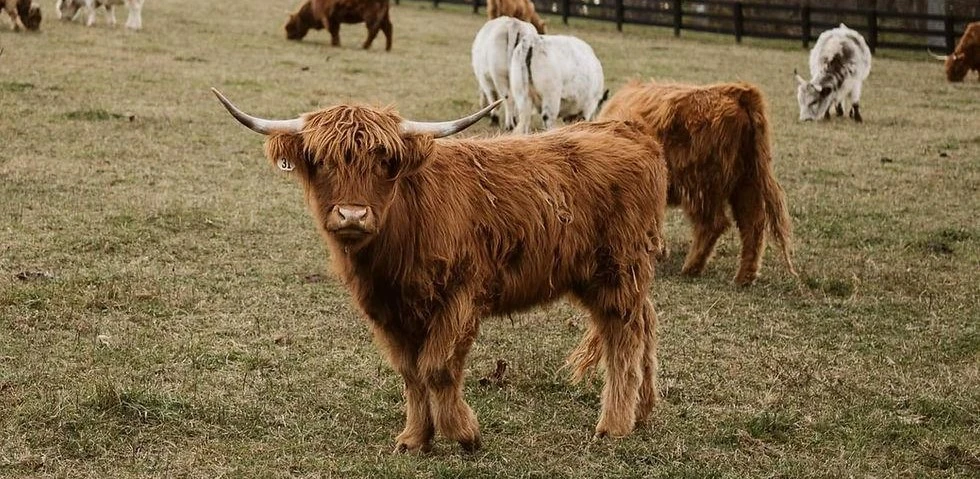
Extra Monthly Expenses for Mini Highland Cow Owners
Feed and health care are only part of the budget. Small supplies and daily care can also add up over time. These costs may seem minor at first but they are worth including in your plan.
A starting budget of $10 to $30 per month can cover basic supplies and minerals for one cow. You may also want to set aside another $25 to $75 per month for unexpected costs. These figures are estimates rather than fixed prices.
Other Costs to Keep in Mind
Some extra expenses include:
- Mineral supplements based on the cow’s needs.
- Brushes and basic grooming supplies.
- Halters and safe handling equipment.
- Water trough cleaning and small repairs.
- Manure removal and pest control.
- Transport for veterinary visits or relocation.
You may not need to buy every item each month. A halter or brush may last for years while bedding and minerals need regular replacement.
Another important point is companionship. Cattle are social animals and usually do better with other cattle. Keeping only one Mini Highland cow can leave it lonely. If you plan to keep two animals your feed and health costs will rise. Some shared costs such as fencing and shelter may not double.
You should also plan for the animal’s full life rather than only its first year. Mini Highland cattle can live for many years with proper care. A steady monthly budget makes it easier to provide good food and safe housing throughout that time.
How to Keep Your Monthly Costs Under Control
You can lower some expenses without cutting back on your cow’s basic needs. The best way is to plan ahead and avoid waste.
Try these simple steps:
- Compare hay prices before winter and buy from a trusted local supplier.
- Keep hay dry so you do not lose money on spoiled feed.
- Maintain your fence before small breaks become large repairs.
- Follow a regular health care plan with a livestock veterinarian.
- Track your spending each month so you can spot rising costs early.
If you already own suitable land and shelter your monthly costs may be lower than those of someone starting from scratch. However you should never depend on pasture alone unless it provides enough food for your cow throughout the year.
Remember that the purchase price is separate from the cost of daily care. You may also need to pay for transport and new fencing and a shelter before bringing your cow home.
Final Thought
The monthly cost of owning a Mini Highland cow may range from about $150 to $465 when you already have land and basic shelter. Your actual costs will depend on hay prices and pasture quality and veterinary care.
Plan for feed and shelter first. Keep money ready for health care and fence repairs. If you want to own more than one cow make sure your budget can cover both animals.
With good planning you can care for your Mini Highland cow without facing unexpected costs every month.