The Jersey cow origin is linked to a small island with a very big dairy history. The breed comes from the Island of Jersey in the Channel Islands. This island sits in the English Channel near the French coast of Normandy.
Today Jersey is a famous international dairy breed. Farmers raise it in the United States and New Zealand and Australia and many other parts of the world. People know these cows for their moderate body size and efficient feed use and rich milk.
Jersey cows often produce less milk volume than large Holstein cows. Yet their milk normally contains more butterfat and protein and other milk solids. This makes it useful for making butter and cheese and yogurt and ice cream.
When I first studied the history of this breed I found one point very interesting. Jersey cattle did not become a clear and successful breed only because they lived on an island. Their development came from careful farming and strict laws and many years of selective breeding.
The breed story includes legal protection and cattle shows and pedigree records and worldwide export. It also shows how a small island population became one of the most valued dairy cattle groups in the world.
Island of Jersey and Jersey Cattle
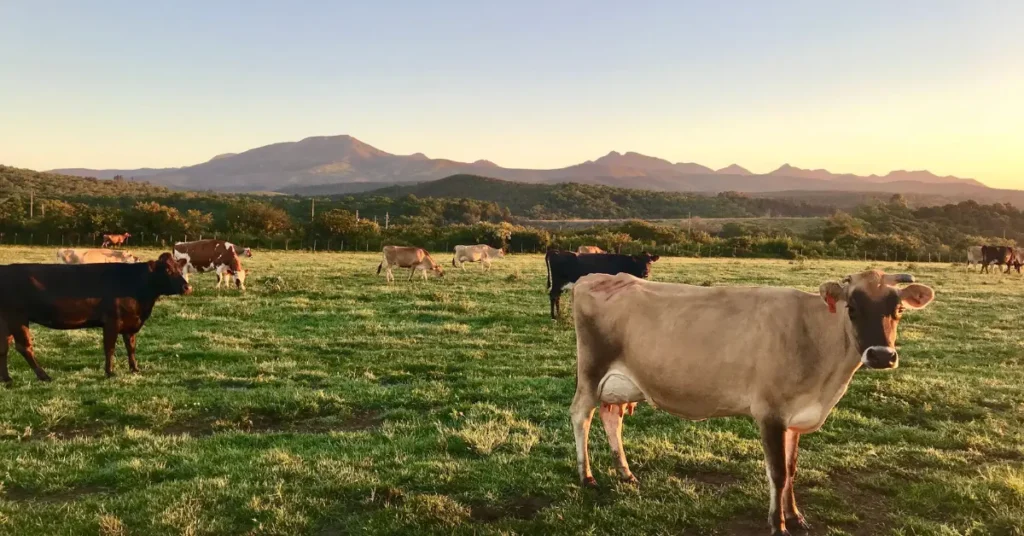
The Island of Jersey is the largest island in the Channel Islands. It lies closer to France than England. For this reason its farming history shows both British influence and Normandy influence. Jersey has a limited land area. Farmers could not waste pasture or keep animals that ate a lot but produced little. They needed economical cattle that could turn local grass into valuable dairy food.
The Jersey cow fitted this system well. Its smaller dairy cow body needed less maintenance feed than many larger breeds. Farmers could keep productive animals on small farms and make better use of the available land.The island had good grazing areas. Jersey cows became known for efficient grazing and forage use. Their milk supported cream production and butter production. Rich milk gave island farmers a product they could sell at a higher value.
Over time Jersey cattle became part of the island economy and island identity. They were more than ordinary farm animals. They became an export product and a symbol of local agriculture.
Island farmers also held cattle shows. They compared cows from different herds and studied their dairy shape and milk value. A good show result could improve the value of a cow and increase the value of her calves.
The island location allowed farmers to control their breeding stock. Outside cattle could bring disease or unwanted traits. They could also damage the reputation of animals sold as genuine Jerseys.
Strict import restrictions helped create a closed genetic group. Farmers chose new breeding animals from the cattle already living on the island. This helped the breed develop a clear and recognisable form. The Island Jersey genetics remained separate from many Jersey populations overseas for more than two centuries. Research now shows clear genetic differences between Island Jerseys and Jersey cattle developed in countries such as the United States.
The island remained closed to outside Jersey genetics until 2008. At that point approved international Jersey genetics were allowed because overseas Jersey populations had made strong progress in milk production and other useful traits. The change involved controlled pure Jersey cattle genetics rather than open crossbreeding with unrelated cattle.
Stored semen from old Island bulls also became important. It works as a genetic archive and protects rare lines from being completely lost. This makes the Island Jersey both a working dairy cow and a living genetic link to the worldwide breed.
History of the Jersey Cow Breed
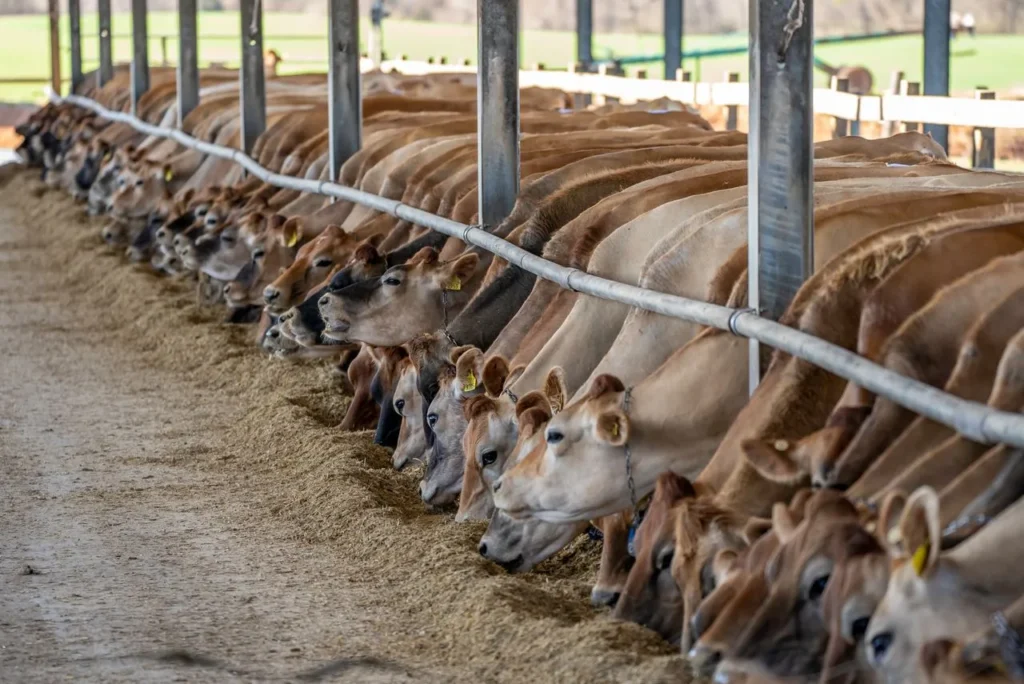
The exact early ancestry of Jersey cattle is not fully known. Historians usually connect them with cattle from the nearby French mainland. Jersey sits close to Normandy and people moved goods and animals between these areas for many centuries.
Written reports from 1771 already described cattle as an important product of the island. By the early 1800s Jersey cows had built a strong reputation for their beauty and rich milk. Their milk was especially valued for making excellent butter.
The key change came when Jersey farmers began serious planned breeding. They did not select cows only for high milk volume. They wanted manageable animals that produced valuable fat and protein from local forage.
The small size of the island shaped the cow. A smaller animal needed less maintenance feed. This allowed farmers to keep more cows on limited pasture. A good Jersey could also produce a useful amount of milk compared with her body size.
An important date was 1763. Jersey introduced laws that stopped the import of livestock and related products from outside the island. Later regulations kept the cattle population isolated for around two centuries. This legal protection played a major role in the formation of the breed.
The Royal Jersey Agricultural and Horticultural Society began in 1833. It supported island farming and encouraged the improvement of Jersey cattle. The society helped farmers compare their animals and use more organised breeding methods.
Another major event happened in 1866 when the Jersey Herd Book was created. The herd book recorded the identity and ancestry of cattle born on the island. The Royal Jersey Agricultural and Horticultural Society describes it as the oldest record of its type and a foundation of pedigree cattle breeding in Jersey.
A herd book gave buyers more confidence. They could check bull ancestry and cow ancestry and offspring records. They no longer had to depend only on appearance or a seller’s promise. The development of the breed came from three main forces. These were geographic isolation and legal protection and organised selection. Together they turned local island cattle into a recognised dairy breed.
Development of the Jersey Dairy Breed
Jersey farmers developed the cow mainly for dairy work. They selected animals that produced valuable milk solids rather than focusing only on the number of litres.
Butter and cheese makers care about fat and protein. These parts of milk become finished dairy food. A smaller amount of high-component milk can sometimes produce more butter or cheese than the same amount of milk with lower component levels.
Farmers kept daughters from cows with good milk quality. They bred those females to bulls from respected bloodlines. Animals with poor structure or weak production were less likely to remain in breeding programmes.
The Jersey Herd Book made this process more reliable. Farmers could follow important cow families and bull families through several generations. This reduced the use of animals with uncertain ancestry.
Physical form also became part of dairy selection. Breeders wanted a deep body and strong topline and a well-shaped udder. They also valued sound feet and sound legs because a dairy cow must walk and stand comfortably through several lactations.
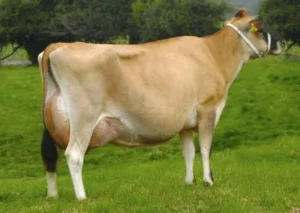
Jersey cows show a wide range of colour. A cow may be light fawn or grey or reddish brown. Some are dark brown or almost black. The head and shoulders and hips may be darker than the middle of the body. The breed also changed after it moved overseas. Breeders sometimes spoke of an Island type and an American type. The Island type was often smaller and more refined. The American type became somewhat larger as farmers selected it for commercial milk production and butterfat production.
Modern breeding uses artificial insemination and DNA testing and genomic selection. Farmers can study traits related to milk yield and fat and protein and fertility. They can also evaluate productive life and udder quality and health.
These tools speed up genetic improvement. Semen from one strong bull can be used in many countries. Yet the wide use of a few elite bulls may raise the inbreeding risk. Good breeding programmes now protect genetic diversity while improving production. A cow should not be selected only because she produces more milk. She should also remain healthy and fertile and structurally sound.
USJersey reports market-average Jersey milk at roughly 5.0 percent fat and 3.8 percent true protein. These high components help explain why the breed remains valuable in butter and cheese manufacturing.
How Jersey Cows Spread Worldwide
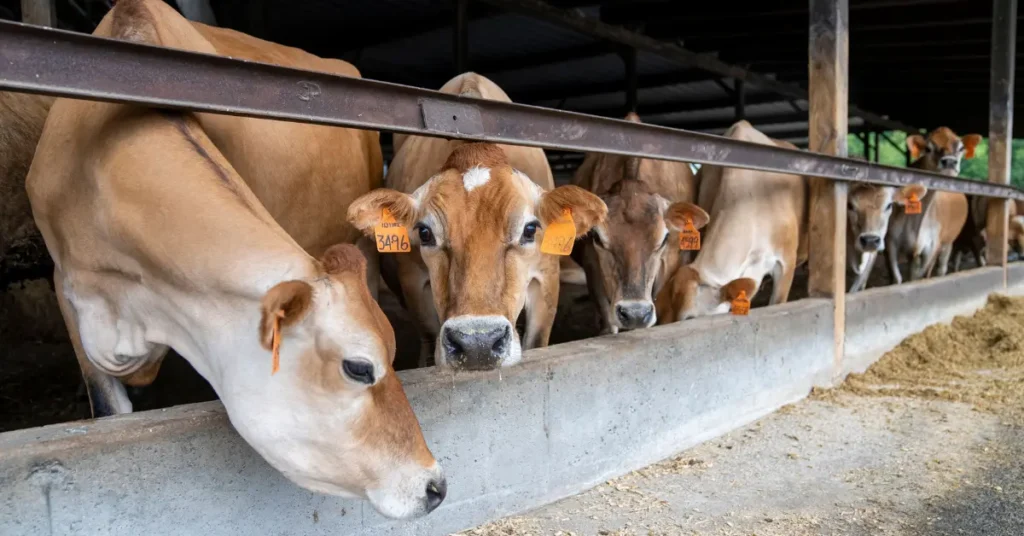
The worldwide movement of Jersey cattle began slowly and then increased during the nineteenth century. Cattle reached England by the 1740s and gained attention because of their rich milk.
Sea transport later made live cattle exports easier. Jersey cows were smaller than many European cattle breeds. Their body size made them easier to handle and ship than some larger animals. International farmers wanted cows with lower maintenance needs and valuable milk. This created strong international demand.
Between 1873 and 1879 thousands of Jersey cattle left their island home. Historical research reports that 7,330 Jersey cattle were exported to England and America and Australia and France and New Zealand during that period.
Jerseys reached the United States around the middle of the nineteenth century. American breeders created the American Jersey Cattle Association in 1868. It became a major organisation for registration and milk records and breed improvement. American farms were often larger than island farms. Breeders placed more attention on total production. This helped develop larger and more commercially focused American Jerseys.
New Zealand received its early pedigree Jerseys during the nineteenth century. The breed became popular in pasture-based dairying because it produced rich milk and allowed farmers to use land efficiently.
Australia also became an important home for Jersey cattle. Its breeders developed registration and herd classification systems. Australian genetics later joined wider international breeding programmes.
Jerseys entered South Africa during the 1880s. From there the breed moved into other African regions. Pure Jerseys and Jersey crosses became useful in smallholder farms because of their moderate body size and lower feed needs.
In hot regions farmers often use crossbreeding. They may combine Jersey dairy ability with the heat tolerance and disease resistance of indigenous cattle.
Live exports were once the main way the breed travelled. Modern movement now happens through semen exports and embryo transfer and international genomic programmes. This change allows one bull to influence herds on several continents. It also means Jersey populations in different countries remain connected even when live animals never leave the farm.
Jersey Cow Breed Purity and Protection
Jersey cow breed purity refers to ancestry recorded under the rules of a recognised registry. It does not mean every pure Jersey must have the same colour or body size.
The Island of Jersey protected its cattle through strict import controls. The 1763 import restrictions kept outside livestock away and helped maintain a closed breeding population. These laws also protected the economic value of the Jersey name. Buyers wanted confidence that cattle exported from the island were true Island animals.
The 1866 Jersey Herd Book became the main tool for pedigree protection. It recorded animal identity and parents and owners. Registered Jersey families in many countries trace back to this island population. Other countries later created national Jersey associations. These groups record births and ownership transfers and production information. Many now collect DNA and genomic data as well.
Modern DNA parentage testing can confirm ancestry more accurately than written records alone. Genetic tests can also identify some harmful inherited conditions. A closed population has benefits but it also carries risk. Long periods of closed breeding may cause a loss of genetic diversity. Repeated breeding between related animals can increase recessive genes and inherited disorders.
This concern helped influence the 2008 genetics policy on the island. Jersey allowed controlled imports of pure Jersey genetics from other countries after conserving important Island material.
Frozen semen and embryos now support breed conservation. They can protect rare bloodlines if living animals are lost through disease or changing breeding trends. Modern breed purity therefore depends on more than appearance. It uses pedigree records and DNA testing and controlled breeding and conservation programmes.
In the United States the registry continues to change its ancestry rules. USJersey now uses measures such as Percent Jersey Ancestry to provide a clearer path toward fully purebred status for registered cattle.
Original Characteristics of Jersey Cows
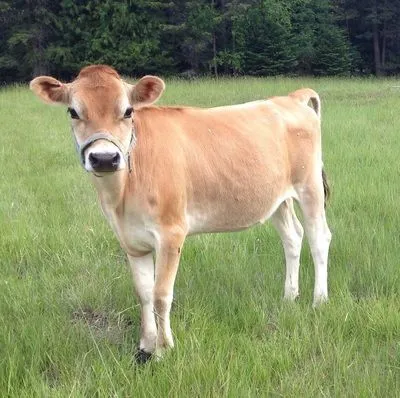
The original Jersey cow was a small refined dairy animal. Its body suited the land and forage conditions of the Island of Jersey.
Modern Jerseys remain smaller than Holsteins and many other dairy breeds. A typical cow has a fine head and expressive eyes and a deep body. Her form shows a clear dairy shape rather than the thick muscle of a beef breed. Jersey coats may be light fawn or reddish brown or grey. Some cows have white markings. Dark colour may appear around the muzzle and eyes and feet and tail switch.
Colour can help create a recognisable appearance. Yet breeders care more about body structure and milk production and udder quality than one exact shade. Jersey cows are often responsive and manageable. Mature bulls require great care. Jersey bulls may become dangerous and should never be treated like harmless pets.
The breed is also known for calving ease. Jersey calves are usually smaller than calves from many large dairy breeds. This has made Jersey genetics useful in some dairy crossbreeding programmes. Milk remains the most famous trait. Jersey milk has a creamy look and strong dairy flavour. Its high butterfat supports butter and ice cream production. Its protein and casein can improve cheese yield.
A smaller body also means lower maintenance requirements. The cow needs less feed simply to support her own weight. This can improve overall feed efficiency.
Jerseys often suit grazing systems. Their lighter body and small hooves may cause less damage to wet pasture than heavier cattle. Farmers may also keep more cows per hectare when pasture and management allow it. This can support a useful stocking rate on grass-based farms.
These advantages do not mean Jersey cows can live on poor feed. Strong milk-component production still requires balanced nutrition and clean water and good health management. The main original identity remains clear. The breed combines manageable size with efficient dairy production and valuable milk.
Modern Jersey Cow Population and Distribution
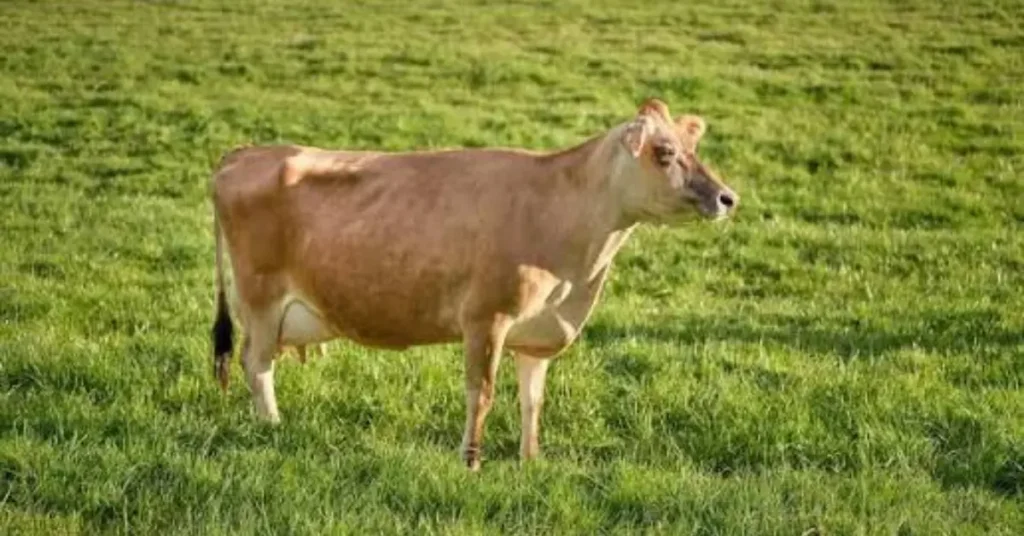
The Jersey is now a global dairy breed. Genetic research reported Jersey cattle in at least 82 countries. Large populations developed across North America and Europe and Oceania and southern Africa and Latin America.
A perfect worldwide count is difficult. Some records include only registered purebred Jerseys. Others also count commercial and crossbred dairy cattle.
The United States has one of the largest modern Jersey populations. USJersey estimated around 1.8 million Jersey cows in the country in December 2025. Jerseys represented an estimated 14.2 percent of US dairy cows.
The American Jersey Cattle Association reported 1,605 active members in May 2025. It provides breed services to thousands of dairy farmers and maintains systems for registration and performance records.
New Zealand remains an important Jersey country. Jerseys and Jersey crossbreds fit its grass-based systems because they produce high-component milk from pasture.
Australia also has an organised Jersey industry. Breeders use cattle registration and herd classification and genetic improvement programmes.
Across Africa Jerseys appear as both pure cattle and crosses. Their small maintenance needs may work well in low-input systems with limited feed or water resources.
Modern Jersey groups are not genetically identical. Island Jerseys and American and New Zealand and Danish Jerseys have faced different breeding goals and different production systems. Research shows clear population differences linked to geography and selection history.
International semen exchange connects these populations. A bull from one country can produce thousands of calves in many regions. This supports fast genetic progress. It also makes careful management of genetic diversity more important.
The Jersey cow now works in commercial dairies and family farms and pasture systems and tropical crossbreeding programmes. Its worldwide success still rests on the same traits that island farmers valued many years ago.
Final Thought
The story of the Jersey cow origin begins on one small island. Yet it grew into a worldwide dairy story through careful breeding and strong record keeping.
Jersey farmers used geographic isolation and legal controls to protect their cattle. The Royal Jersey Agricultural and Horticultural Society and the Jersey Herd Book later made breeding more organised.
Exports then carried the breed to Europe and America and New Zealand and Australia and Africa. Each region shaped its Jersey population to suit local farming conditions.
Modern Jerseys may be larger and more productive than their early island ancestors. Still they keep the main qualities that made the breed special.
They remain relatively small and efficient. They produce rich milk with valuable fat and protein. They also work in many systems from grass-based family farms to large modern dairies.
That is the real secret behind the Jersey cow’s success. The breed changed with the world without losing the traits that first made it valuable.
The structure uses the Island of Jersey section first while keeping the historical breed story connected from beginning to end.