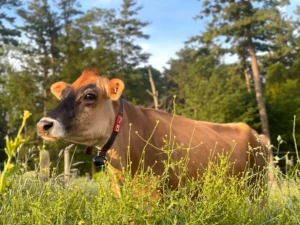
My grandfather kept two Jersey cows on his small plot of land back in the day. He always said they were the smartest investment he ever made. Small animals. Big return. He wasn’t wrong either.
That’s basically the whole story of this breed packed into one sentence. Jersey cows never won any size contests. They’re not the biggest animal in the pasture by a long shot. But somehow this small breed from a tiny island built a reputation that spread across the entire world.
This guide walks through where these cows actually came from. How they developed into what we know today. And why farmers kept choosing them generation after generation even when bigger flashier breeds existed.
Quick Overview
| History Point | Details |
| Origin | Island of Jersey in the English Channel |
| Main purpose | Dairy milk production |
| Famous trait | High butterfat milk |
| Development method | Selected breeding over generations |
| Early use | Family farms and local dairy needs |
| Global spread | Exported to many countries worldwide |
| Modern role | Specialty dairy and small farm favorite |
What Is the History of the Jersey Cow Origin Overview
Jersey cows have one of the most interesting backstories in the whole dairy world. Not the biggest cow around. Not the top milk producer either compared with modern dairy giants. But somehow they built a reputation that outlasted plenty of bigger breeds.
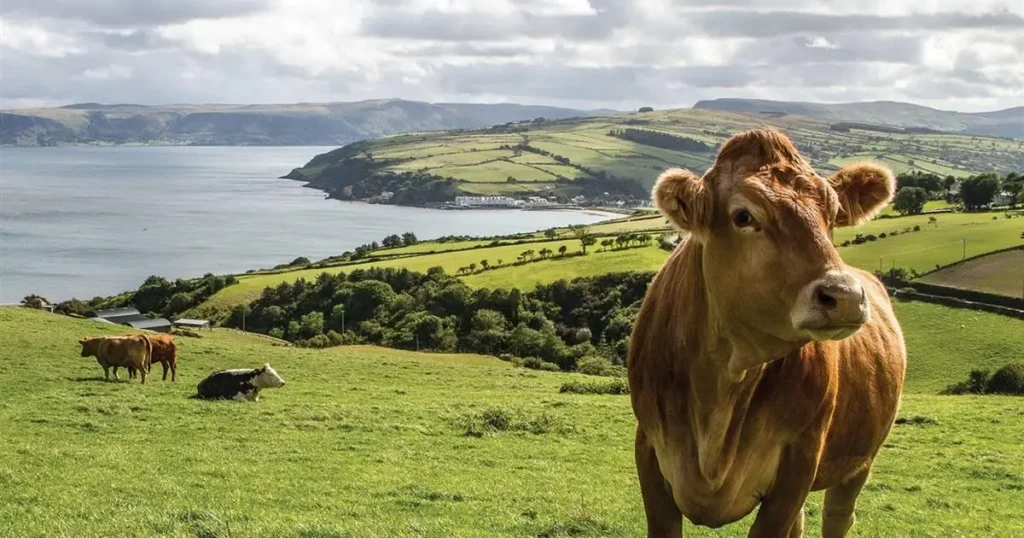
The whole story starts on a small island called Jersey sitting in the English Channel. For hundreds of years farmers there worked at developing a cow that could produce genuinely valuable milk while living on land that just wasn’t very big to begin with. What came out of that effort was a small efficient dairy animal that eventually became famous well beyond its tiny homeland.
What stands out most when you dig into this history is how those early farmers focused on usefulness over size. They weren’t chasing the biggest animal in the field. They wanted something that could survive local conditions and still hand families high quality milk. That simple practical goal ended up creating one of the most recognized dairy breeds on the planet.
Rich butterfat milk. A gentle easygoing nature. A body small enough to fit comfortably on tiny farms. All of that combined to make this breed genuinely popular. Their history really shows what careful patient breeding can do when it’s aimed at one clear purpose instead of just chasing bigger numbers.
Where Did Jersey Cows Come From Island of Jersey History
Before digging deeper here are two lists worth saving since the island origin story carries more detail than people expect.
Key Historical Points About the Islands Role
- Developed entirely on the Island of Jersey
- Selected specifically for rich milk production
- Adapted naturally to small farming spaces
- Became known worldwide for butterfat content
- Maintained a distinct unique breed identity for generations
Why the Island Environment Shaped the Breed
- Limited farming space forced efficiency over bulk
- Small fields meant cows needed to use grass wisely
- Island isolation kept outside cattle influence low
- Local rules limited importing other breeds entirely
- Consistent breeding traits stayed protected for years
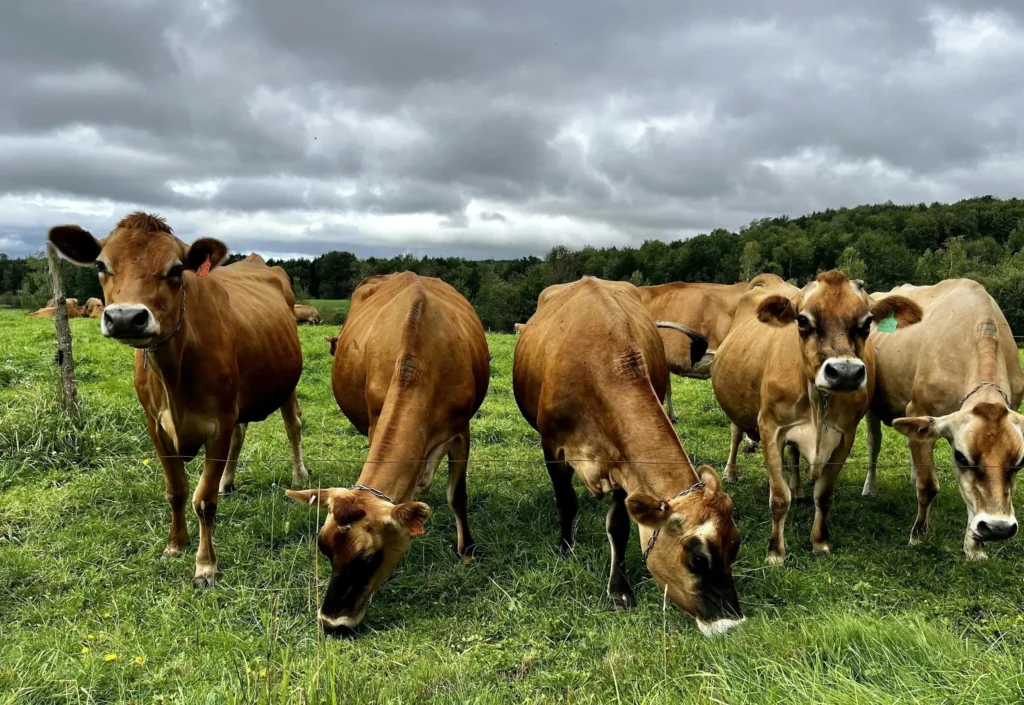
The Jersey cow came from an island sitting right between England and France. Farming space there was tight. Farmers needed an animal that could actually produce well without demanding huge amounts of land or feed just to survive day to day.
This breed didn’t appear overnight either. It developed slowly across generations as farmers kept selecting cows that gave richer milk and handled the local environment better than others. Small fields and a particular island climate shaped a lot of what this breed became over time.
For many years the island actually protected its cattle from outside influence entirely. Local government rules limited the import of other cattle breeds specifically to protect the purity of what Jersey farmers had spent generations building. That protection is honestly a big reason the breed stayed so consistent and recognizable even centuries later.
How Did Jersey Cows Develop as a Dairy Breed
Development here came down to careful patient selection rather than any kind of accident. Farmers noticed some cows produced milk with more cream and genuinely better quality than others in the herd. Over time they just kept breeding those particular animals.
Unlike a lot of modern dairy breeds that got selected mainly for sheer milk volume, Jerseys developed around milk components instead. Butterfat mattered a lot to these farmers since it was essential for making butter cream and other dairy products families relied on regularly.
A Jersey cow typically carries a smaller body compared with larger dairy breeds. That smaller size actually became a real advantage since she needed less feed just for basic body maintenance. More of her energy could go straight toward actual milk production instead of just keeping a bigger frame running.
Several traits developed alongside all this that genuinely helped farmers day to day. Efficient use of available pasture. Strong fertility rates. Easy calving without constant complications. A long productive life stretching many years. And of course that high quality milk everyone kept coming back for.
That famous golden tint in Jersey milk became part of the breed’s whole identity too. Higher beta carotene levels in the milk create that creamy yellow appearance people still associate with this breed today. Over time farmers everywhere started realizing Jerseys weren’t just small dairy cows sitting on the sidelines. They were genuinely efficient producers carrying real valuable milk.
Jersey Cow History and Early Dairy Farming Uses
In early dairy farming these cows were valued mainly for household milk production. Families kept just one cow because that single animal could reliably provide rich milk for drinking plus everything needed for homemade dairy products too.
Before refrigeration and modern transportation existed milk quality mattered enormously. Farmers needed cows producing milk that actually worked well for butter and cream making since nothing could travel far or last long without spoiling. Jersey milk became popular fast thanks to that higher butterfat content everyone noticed right away.
Plenty of small farms preferred these cows specifically because they were easier to manage compared with larger breeds. Smaller size meant less space needed and better performance even in limited pasture conditions that would have stressed a bigger animal.
Common early uses stayed pretty practical. Fresh drinking milk for the family. Homemade butter churned right on the farm. Cream for cooking and baking. Cheese making when there was surplus. Basically covering every dairy need a household might have without requiring some massive operation.
This breed proved especially useful on farms where land ran limited. A farmer genuinely didn’t need a huge pasture just to keep one productive Jersey cow fed and happy. That practical value helped the breed survive and actually grow even as farming methods changed dramatically over the following decades.
How Jersey Cows Spread Around the World
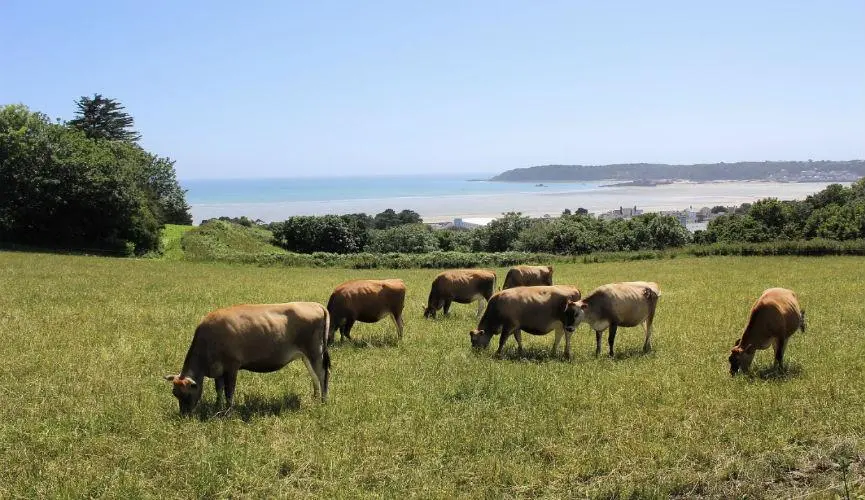
The popularity of this breed obviously didn’t stay locked on one small island forever. Once people learned about that rich milk and genuinely useful traits the breed started spreading well beyond its original home.
Jersey cattle eventually reached countries where farmers wanted efficient dairy animals that didn’t demand massive resources. Their smaller size made them suitable across wildly different farming systems. Strong genetics helped them adapt well in a surprising range of climates too.
Countries that built real Jersey cattle populations over time include the United States Canada Australia New Zealand South Africa and many regions across Europe. In the United States specifically this breed became a genuinely important part of the dairy industry as farmers appreciated both the milk quality and the valuable components that milk carried.
Smaller farms and homesteads took to this breed especially fast. A lot of family farmers preferred Jerseys simply because they were easier to handle day to day compared with very large dairy cattle that demanded more space and more feed just to function.
Their worldwide success really came down to one simple combination. Good milk quality paired with an efficient manageable size and a genuinely friendly nature that made daily handling less stressful. That combination alone helped turn Jersey cows into one of the most recognized dairy breeds anywhere on earth.
A Breed That Traveled Well
What’s interesting is how consistently this breed performed across such different environments. Hot climates. Cold climates. Small farms. Larger commercial operations. The core traits that made Jerseys valuable on that tiny island somehow held up almost everywhere they landed afterward.
Why Did Farmers Value Jersey Cows Throughout History
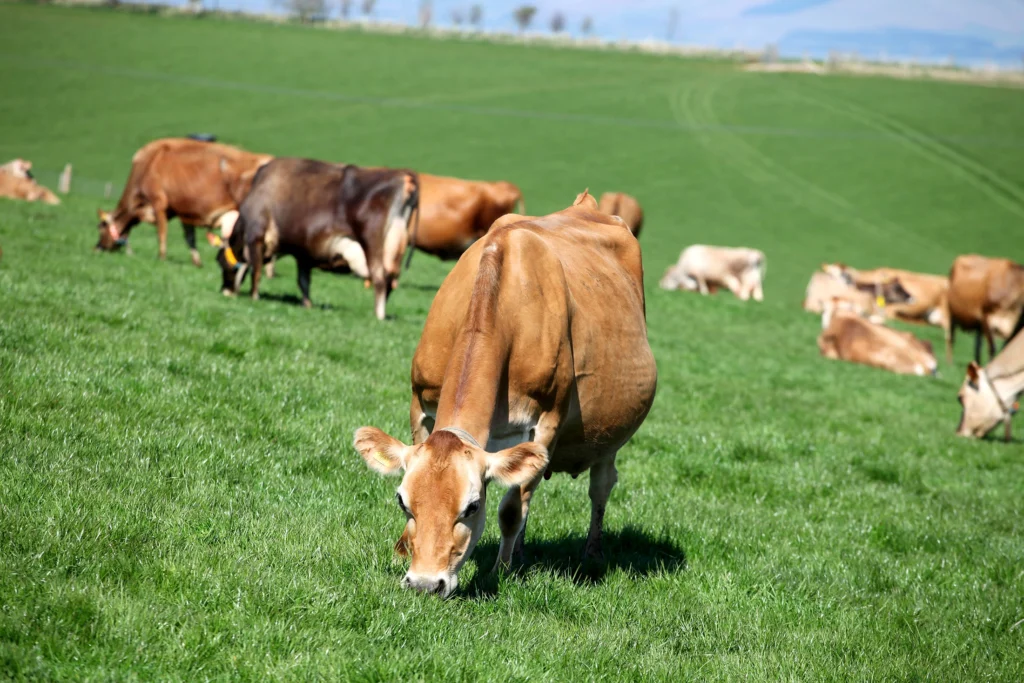
Farmers valued this breed because it genuinely solved practical problems that mattered day to day. A cow never gets judged purely on how much milk she produces either. Feed costs matter. Handling matters. Reproduction and overall usefulness all factor into whether an animal actually earns her keep on a working farm.
Jersey cows earned real respect because they could produce genuinely rich milk while still staying easy enough to manage for an average farming family. High butterfat percentage topped the list of reasons most often. Good fertility mattered too. Smaller feed requirements saved real money over the years. Easy calving meant fewer sleepless nights during calving season. Long productive years stretched the value of each animal considerably. And that calm handling style just made every single day easier for the person doing the actual work.
A farmer working limited land could usually manage Jerseys far more comfortably than larger dairy cattle demanding more space and resources. Smaller size genuinely made daily care simpler across the board.
Strong reproductive ability mattered a lot too. Healthy Jersey cows often kept producing calves and milk reliably for many years when properly cared for, which made them a solid long term investment rather than some short lived gamble. Farmers weren’t just thinking about one good season. They were thinking years ahead, and Jerseys consistently delivered on that promise.
The Modern Jersey Cow Evolution and Dairy Importance
Today this breed remains a genuinely important part of the dairy world. Modern farmers use improved breeding methods now, but the goal stays essentially the same as it always was. Maintain the qualities that made this breed famous in the first place.
The modern Jersey cow still carries that reputation for rich milk and high butterfat efficient production. She might produce less total milk volume compared with some larger modern dairy breeds, but what she does produce usually contains far more valuable components per gallon.
That makes Jersey milk genuinely useful across a wide range of products. Butter that turns out richer. Cheese with better yield. Cream that whips up beautifully. Yogurt with real body to it. Even ice cream benefits from that higher fat content this breed has always been known for.
Plenty of specialty dairy farms choose Jerseys specifically because customers value rich tasting traditional dairy products over just raw volume. Modern Jerseys also stay popular among small farms and homesteaders since their manageable size and friendly behavior make them genuinely easier for beginners compared with larger more demanding cattle breeds.
The breed has certainly changed some over generations of selective improvement. But the core goal never really shifted. A genuinely useful cow producing high quality milk for the people who raise her.
Final Thoughts
The history of the Jersey cow really is a great example of what happens when farmers shape a breed around actual real needs instead of chasing trends. From one small island in the English Channel all the way to farms scattered across the entire world, this breed became famous because it genuinely offered something special that people kept coming back for.
They were never the biggest cows standing in any field. But that rich milk, that efficient practical nature, and those reliable farming traits helped earn Jerseys a permanent place in dairy history that honestly few other breeds can match. For a lot of farmers today this breed still represents quality, practicality, and a real connection back to traditional farming roots.
FAQS
Where did Jersey cows originally come from?
Jersey cows originated on the small Island of Jersey located in the English Channel between England and France. Farmers there spent generations carefully breeding cows that could thrive on limited farmland while still producing genuinely rich high quality milk. That island isolation actually helped protect the breed’s unique characteristics for many years before they spread worldwide.
Why is Jersey milk different from other dairy breeds?
Jersey milk contains noticeably higher butterfat compared with most other dairy breeds which gives it that rich creamy texture and even a golden tint from higher beta carotene levels. This makes it especially valuable for making butter cheese and cream since the milk components matter more than just raw volume for these particular products.
When did Jersey cows spread beyond their home island?
As word spread about their rich milk and genuinely useful farming traits Jersey cattle eventually reached countries including the United States Canada Australia New Zealand South Africa and many parts of Europe. Their adaptable genetics and manageable size helped them thrive across a surprisingly wide range of different climates and farming systems.
Why did small farmers historically prefer Jersey cows?
Small farmers valued Jerseys because they required less land and less feed compared with larger dairy breeds while still delivering genuinely rich valuable milk. Their calm easygoing temperament made daily handling simpler too. This combination of efficiency and manageable size made them a practical long term choice for family operated farms.
Are Jersey cows still important in modern dairy farming today?
Yes Jersey cows remain genuinely important in modern dairy farming especially among specialty producers and small homesteads. While they produce less total milk volume than some larger breeds their milk carries higher valuable components making it ideal for butter cheese and cream production where quality matters more than sheer quantity alone.