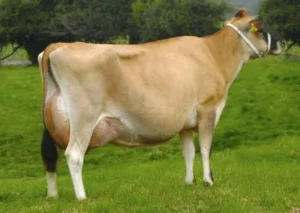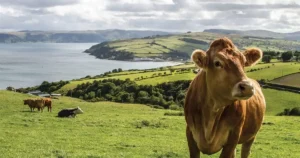
So if you are wondering when a Jersey cow is ready to breed the short answer is earlier than most other dairy breeds. A lot of new owners get surprised by this. Jersey heifers grow up fast and that early maturity is one of the things that makes this breed stand out on a small farm.
I remember the first time I watched a Jersey heifer come into heat on a friend’s farm. She was barely over a year old and already showing clear signs. He told me not to be alarmed since Jerseys just mature quicker than bigger breeds. That stuck with me.
This guide walks through breeding age heat signs pregnancy length calving and what happens right after birth. Keep in mind every cow is a little different but these numbers give you a solid starting point at home.
Quick Overview
| Breeding Point | What To Know |
| Breeding age | Around 12 to 13 months |
| First calving age | 22 to 26 months |
| Average breedings needed | 1.8 per cow |
| 56 day non return rate | 68 percent |
| Pregnancy length | 279 to 283 days |
| Calving interval | Around 399 days |
| Unassisted calvings | 96 to 99 percent |
| Lifetime average calvings | 3.3 calvings |
When Can a Jersey Cow Be Bred
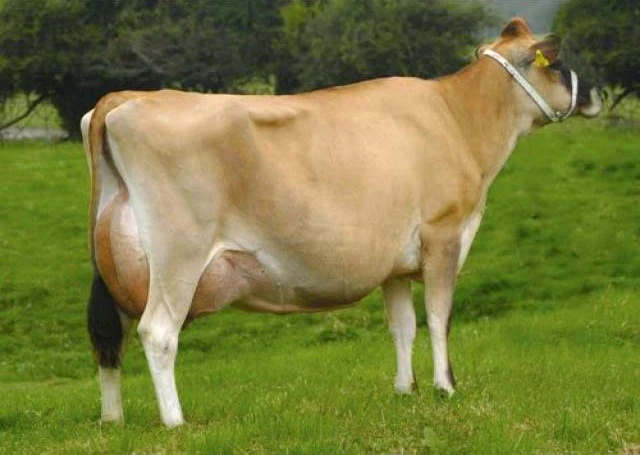
Jersey heifers reach puberty quicker than most dairy breeds. A lot of producers see heifers ready to breed somewhere around 12 to 13 months old. That is noticeably earlier compared to larger breeds that often need more time to grow into breeding condition.
Age alone is not the only thing that matters though. Body weight plays a big role too. A heifer needs to hit a certain target weight before she is physically ready. Breeding too early before she reaches proper size can cause problems down the road so most farmers wait until both age and weight line up together.
The industry average for first service tends to land somewhere in that same window. Once bred successfully most Jersey heifers calve for the first time around 22 to 26 months old. That is earlier than a lot of other breeds and it actually makes a real financial difference too. Some estimates put the profit benefit at around 920 dollars per cow thanks to that earlier calving timeline. Purebred Jersey heifers also tend to hit puberty about eight weeks sooner than the industry average which adds up fast over a whole herd.
So if your Jersey heifer is approaching that first birthday mark do not be surprised if she starts showing signs of readiness. Just make sure her weight is where it needs to be before moving forward with breeding.
Jersey Cow Heat Signs and Best Breeding Time
Before getting into heat signs here are two lists worth saving since spotting heat correctly makes a big difference in breeding success.
Common signs a Jersey cow is in heat
- Standing still and allowing other cows to mount her
- Increased restlessness and pacing around the pasture
- Mounting behavior toward other cows in the herd
- Clear mucus discharge visible around the tail area
- Reduced appetite during the active heat period
Best practices for timing breeding correctly
- Watch for standing heat since that is the clearest signal
- Breed roughly 12 hours after standing heat begins
- Keep a simple calendar log of heat dates for each cow
- Use a vet or breeding technician if signs seem unclear
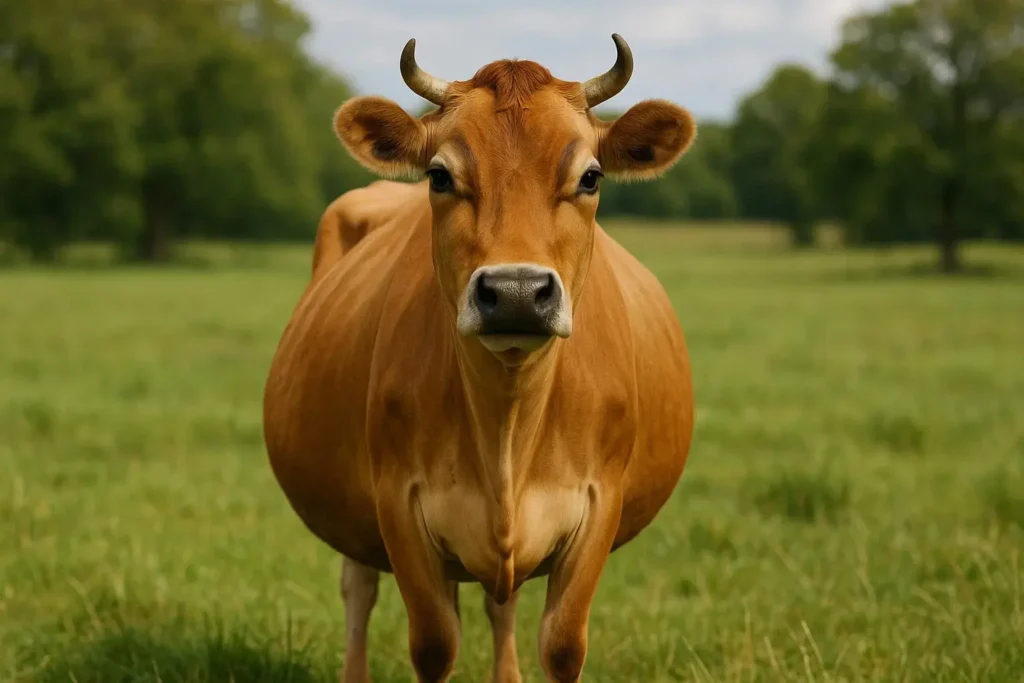
Jerseys are actually known for having longer heat periods compared to a lot of other dairy breeds. That longer window gives farmers more chances to catch standing heat events and time breeding correctly. A 56 day non return rate around 68 percent has been reported for this breed which runs about 7 percent higher than the industry average. That basically means fewer repeat breedings needed compared to other cattle.
On average Jersey cows need fewer inseminations overall too with some data showing around 1.8 breedings per cow before a successful pregnancy happens. That efficiency saves both time and money for anyone managing a small herd at home.
How Long Is a Jersey Cow Pregnant
Jersey cow pregnancy runs close to the standard cattle timeline most people are familiar with. Expect somewhere around 279 to 283 days give or take depending on the individual cow. That works out to roughly nine months similar to what most dairy breeds experience.
As calving gets closer there are some physical signs worth watching for at home. The udder usually starts filling out more noticeably in the final weeks. Some cows become a bit more restless or seek out a quiet corner away from the rest of the herd. Appetite can shift too sometimes dropping slightly right before labor actually begins.
Keeping track of breeding dates helps a lot here. If you know roughly when breeding happened you can estimate calving within a fairly tight window and prepare accordingly instead of guessing at the last minute.
One thing worth mentioning is calving interval. Jersey cows tend to average around 399 days between calvings which is actually a tighter pattern compared to a lot of larger breeds. A shorter calving interval generally means more consistent milk production over time since the cow spends less time between lactations.
Jersey Cow Calving What To Expect
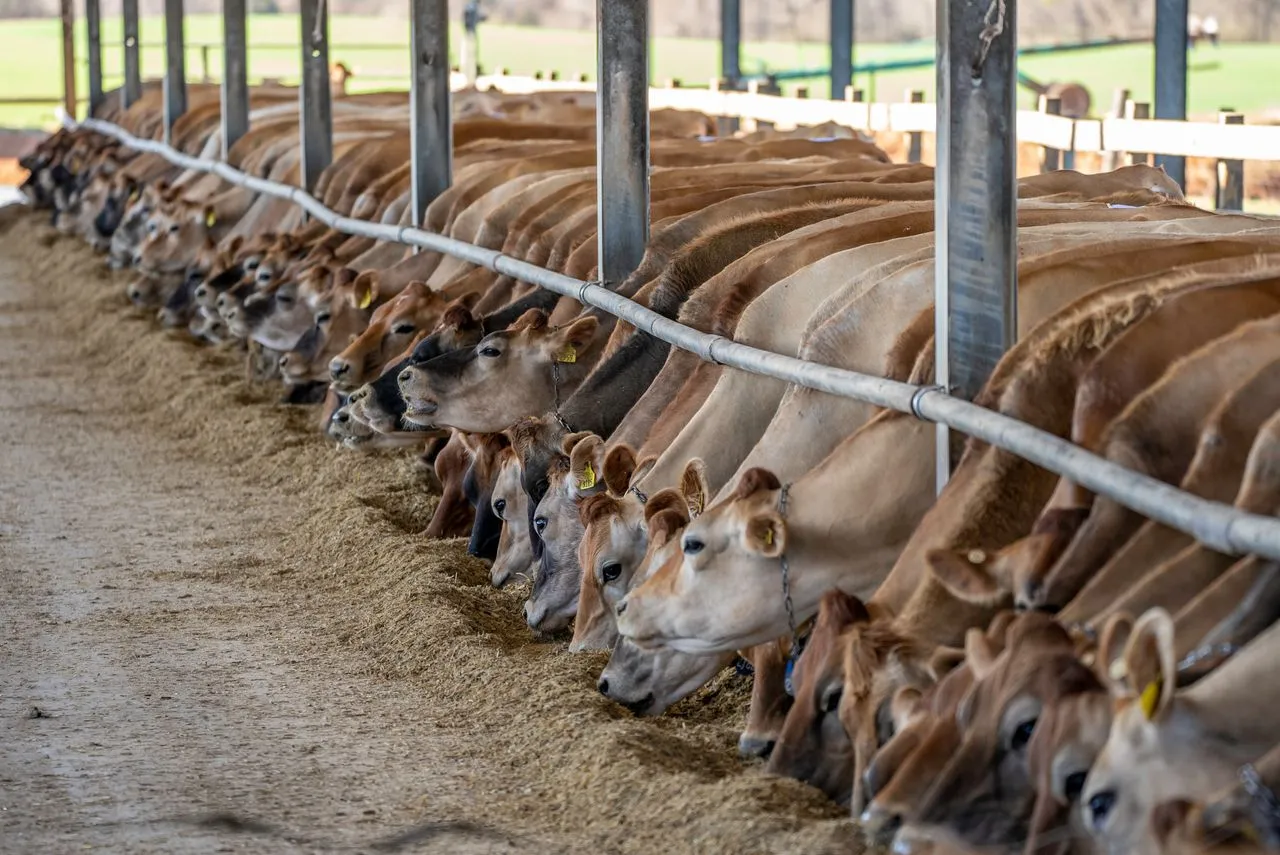
Calving is honestly one of the easier parts of owning this breed compared to a lot of larger dairy cattle. Jerseys are known for easy calving with data showing around 96 percent unassisted calvings in first lactation heifers. That number climbs even higher to around 99 percent in cows during later lactations.
Early labor signs usually show up gradually. Restlessness increases. The cow may isolate herself from the herd. Some mild straining begins as contractions start building. From there labor typically moves through a few recognizable stages starting with early contractions moving into active pushing and finally the calf being delivered.
Calf position matters a lot during this process. A normal delivery has the calf coming front feet first followed by the head resting on top of the legs. If something looks off like a backward position or a calf that seems stuck that is when you should contact a veterinarian right away instead of waiting it out.
Jerseys show about one third fewer difficult births compared to the industry average. A 2005 study also found around 20 percent superiority in easy calvings for Jerseys compared to larger dairy breeds in general. Still even with those good odds it helps to stay nearby during calving just in case something needs quick attention.
Jersey Cow Care Before And After Calving
Good care leading up to calving sets the stage for a smooth delivery and a strong healthy calf. Feeding needs to shift a bit in those final weeks. Make sure fresh water stays available at all times along with proper mineral supplements to support both the cow and the growing calf inside her.
A clean calving area makes a real difference too. Keep bedding dry and free of debris and give the cow a quiet space away from the rest of the herd if possible. Stress during calving can slow things down so a calm environment really does help the whole process.
Once the calf arrives colostrum becomes the top priority. That first milk is packed with antibodies the calf needs early on to build up its immune system. Getting colostrum into the calf within the first few hours makes a big difference for long term health down the road.
After birth the cow needs time and support to recover properly. Fresh clean water should stay available at all times. Quality feed with proper minerals helps rebuild her energy fast. Watch closely for signs of retained placenta or infection during this period. Giving the cow quiet space to bond with her calf matters just as much as the physical care.
Jerseys tend to bounce back well after calving thanks to their generally strong reproductive health. Most cows settle into a normal routine within a short period and are often ready to breed again on a fairly consistent cycle. This breed also tends to keep producing well into later life with an average of 3.3 calvings and 3.8 lactations over a lifetime and some cows still maintaining solid production into an eighth lactation and beyond.
Final Thought
Breeding and calving with Jersey cows really does come easier compared to a lot of other dairy breeds out there. Earlier maturity, fewer difficult births and a strong reproductive track record all add up to a breed that genuinely works well for small farms and first time owners. Pay attention to heat signs, keep good records and give your cow proper care before and after calving and you will likely find the whole process a lot less stressful than you expected it to be.