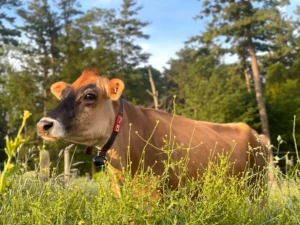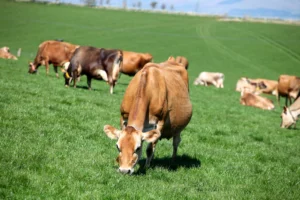
Jersey cows are easy to recognize because of their light brown color, dark eyes, black nose, and small body. They are best known for producing rich milk with high butterfat. However, many people also have questions about Jersey cow horns.
Do all Jersey cows grow horns? Are some Jerseys born without them? How quickly do the horns grow? Farmers also want to know whether dehorning is needed and how they can keep a horned cow safe.
Jersey cattle can naturally carry genes for horns. This means a Jersey calf may grow horns unless it has polled genetics or the horn buds are removed. Many adult Jersey cows seen on dairy farms do not have visible horns because farmers disbudded them when they were young.
Horns can create safety problems in a crowded barn. They can injure other cattle and people. They may also become caught in gates, feeders, fences, and headlocks. Still, some owners keep horned Jersey cattle and manage them safely with extra space and careful handling.
This guide explains seven important facts about Jersey cow horns. It covers their appearance, growth, genetics, removal, and daily care.
Quick Facts About Jersey Cow Horns
| Topic | Simple answer |
| Can Jersey cows grow horns? | Yes. Both male and female Jerseys may naturally grow horns. |
| Are some Jerseys born hornless? | Yes. Genetically hornless cattle are called polled cattle. |
| When can horn buds be felt? | They may become noticeable during the first few weeks of life. |
| Do horns grow throughout life? | Horns usually continue growing slowly as the animal ages. |
| Are Jersey horns large? | They are normally smaller than the horns of breeds such as Texas Longhorns. |
| Is disbudding painful? | Yes. It requires proper pain control and trained care. |
| Can broken horns bleed? | Yes. A serious horn injury can damage living tissue and cause heavy bleeding. |
Do All Jersey Cows Have Horns?
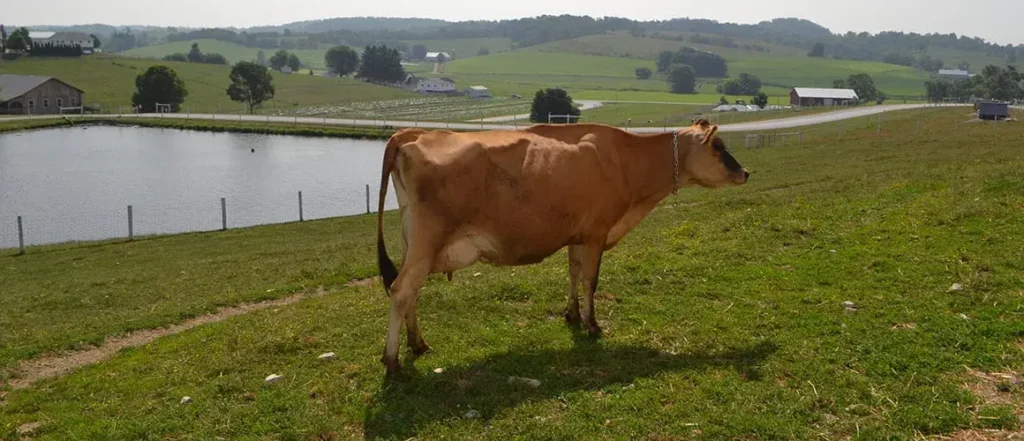
Not every Jersey cow has visible horns. However, traditional Jersey cattle are not always naturally hornless. Both cows and bulls can carry the genes that allow horns to grow.
A horned calf is not born with long horns. It is born with small areas of horn-growing tissue on the top of its head. These areas are called horn buds. The buds become firmer and larger as the calf grows.
Many dairy farmers remove the horn buds while calves are young. This process is called disbudding. As a result, people may see a large Jersey herd without horns and believe that the breed is naturally hornless.
Other Jersey cattle are born polled. Polled cattle have inherited a gene that prevents normal horn growth. Their lack of horns is natural and does not come from a removal procedure.
Can Female Jersey Cows Grow Horns?
Yes. Horn growth is not limited to bulls.
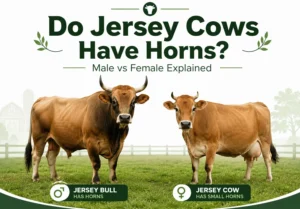
A female Jersey cow can grow horns if she inherits horned genetics and is not disbudded. The same is true for a male Jersey calf. The animal’s sex may affect the thickness and strength of the horns, but it does not decide whether the calf has horn-growing genes.
This fact often surprises beginners. In some animals, only males grow large horns. Cattle are different. Both males and females can have them.
Why Do Most Dairy Jerseys Look Hornless?
Modern dairy farms often keep cattle in barns, milking areas, holding pens, and narrow walkways. Horns can make movement through these areas harder.
A horned cow may accidentally strike another cow while turning her head. She may also use her horns to push weaker animals away from feed. Farmers commonly disbud calves to lower these risks.
Horn removal can also help prevent horns from becoming trapped in headlocks and handling equipment.
The lack of horns in a dairy herd does not always mean the animals were born polled. Some may have been disbudded shortly after birth.
What Do Jersey Cow Horns Look Like?
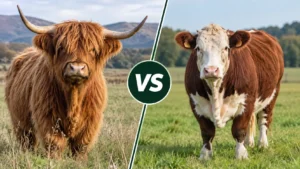
Jersey cow horns are usually smaller and less dramatic than the horns of Highland cattle or Texas Longhorns. Their exact shape can differ between animals.
The horns normally grow from the upper sides of the head. They may point outward at first and then curve upward or slightly forward. In some Jerseys, the tips turn inward.
Young horns often have a smooth surface. As the cow ages, ridges may appear near the base. The color may be pale, creamy, gray, brown, or dark at the tip.
Horn Shape Can Vary
Not every Jersey cow has matching horns. One horn may curve differently from the other. A past injury can also change the direction of growth.
Horn shape may be affected by:
- Genetics
- Age
- Sex
- Nutrition and general health
- Previous injury
- Damage to the horn bud
- Incomplete disbudding
A calf that receives an incomplete disbudding procedure may develop a small piece of horn called a scur. A scur may feel loose or grow in an unusual direction. It may also break more easily than a normal horn.
What Is Inside a Cow’s Horn?
A cow horn is not the same as a deer antler.
The outside has a hard covering made from keratin. Keratin is also found in hair, hooves, and fingernails. Under this hard covering, a mature horn has living tissue, nerves, and blood vessels near its base.
As the calf grows, the horn becomes attached to the skull. The frontal sinus may extend into the horn in older cattle. This is one reason removing a large horn from an adult cow is more serious than disbudding a young calf. Early removal deals with horn-producing cells before a fully developed horn becomes attached to the skull.
Never treat a mature cow horn like a dead branch. Cutting it too low can cause extreme pain, heavy bleeding, and an open sinus.
When Do Jersey Calves Start Growing Horns?
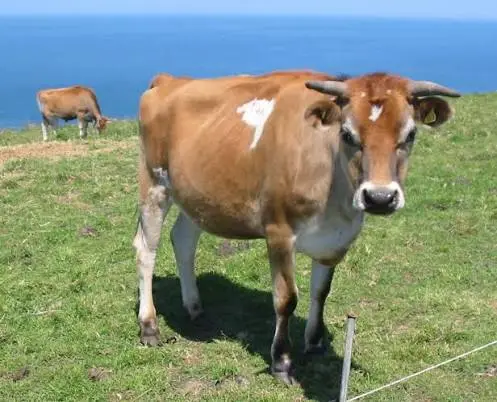
A Jersey calf does not come out of the womb with long visible horns. The horn-growing area starts as a small bud under or within the skin.
The exact time when the buds become easy to feel can vary. Farmers should check calves during their first weeks of life. A horn bud may feel like a small hard bump on each side of the top of the head.
Some buds become easy to identify earlier than others. This depends on the calf’s genetics, size, and rate of development.
How to Check for Horn Buds
Place the calf in a safe position and gently feel the top of its head. Do not press hard.
A developing horn bud may feel like a firm button. At first, the skin may move over it. As the calf grows, the bud becomes larger and starts attaching to deeper tissue.
Check both sides of the head because the buds may not develop at exactly the same speed.
Someone who has never checked a calf should ask a veterinarian or experienced cattle handler for help. It is easy to confuse the natural shape of the skull with a very small horn bud.
Why Early Checking Matters
Farmers who plan to disbud need to find the buds early. Disbudding removes or destroys the horn-producing cells before the horn fully attaches to the skull.
University guidance commonly recommends dealing with horn buds during the calf’s early weeks rather than waiting for large horns to develop. Young calves should be checked during roughly their first six to eight weeks so developing buds can be found promptly.
Waiting too long can turn a simpler disbudding procedure into a more serious dehorning procedure.
Even early disbudding causes pain. It must include proper restraint, local anesthesia, and other pain relief recommended by a veterinarian.
Jersey Cow Horns vs. Polled Jersey Cattle
A horned Jersey and a polled Jersey belong to the same breed. The main difference is their horn genetics.
Horned cattle carry genetics that allow horns to form. Polled cattle inherit genetics that prevent normal horn development.
Polled does not mean dehorned. A polled calf was born without the ability to grow normal horns. A dehorned or disbudded calf had horn-growing tissue removed or destroyed.
Understanding Polled Genetics
The polled gene is generally dominant over the horned form. This means a calf may be polled even when only one parent passes on the polled gene.
A polled animal may carry two copies of the polled gene or one polled copy and one horned copy.
A homozygous polled animal carries two polled copies. It is expected to pass a polled gene to every calf.
A heterozygous polled animal carries one polled copy and one horned copy. It can pass either one to its offspring.
DNA testing can help breeders learn whether a polled animal carries one or two copies. Visual appearance alone may not provide the full answer.
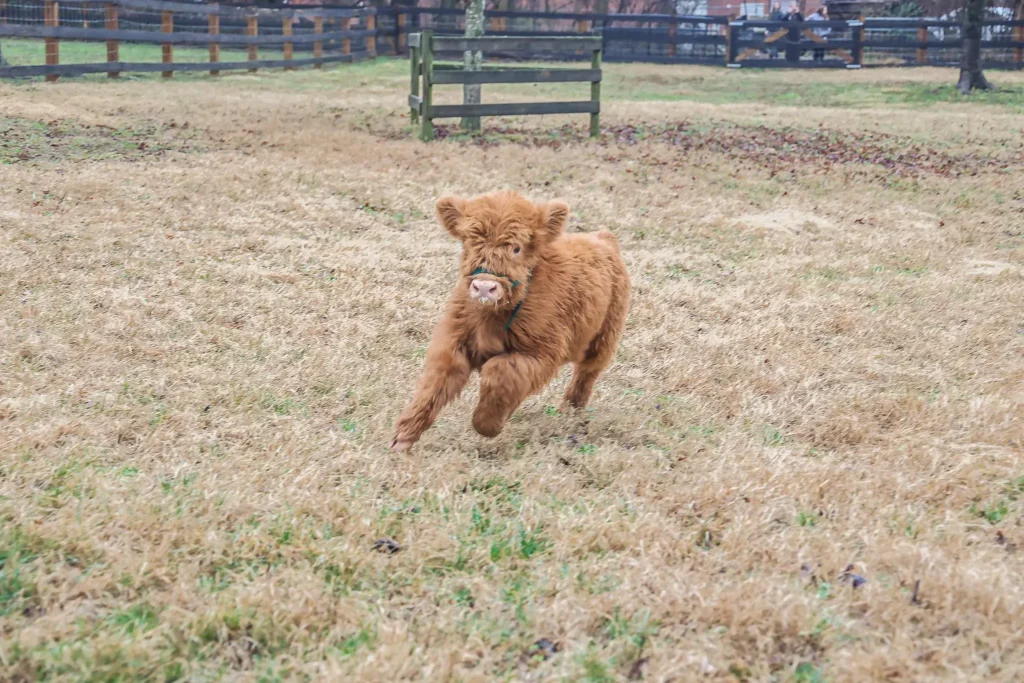
Benefits of Polled Jersey Cattle
Breeding polled Jerseys may reduce or remove the need for disbudding. This can improve animal welfare and save labor.
Other possible benefits include:
- No horn-removal wound
- Less stress from handling procedures
- Lower risk of horn injuries
- Easier movement through some farm equipment
- Less chance of horns becoming trapped
- Safer handling in crowded spaces
Polled breeding takes planning. Farmers must also protect milk production, fertility, udder quality, feet, legs, health, and other useful traits. Choosing cattle only because they are polled may slow progress in other areas.
The best breeding plan looks at the whole animal.
Horned Genetics Are Not a Disease
A horned Jersey calf is not unhealthy or defective. Horns are a natural feature of cattle with horned genetics.
The management problem comes from the way modern cattle are housed and handled. Horns may be harder to manage in tight dairy systems than on open pasture.
Owners who keep horns must provide suitable fencing, enough feeding space, safe handling facilities, and trained workers.
How Fast Do Jersey Cow Horns Grow?
There is no single growth rate for every Jersey cow horn. Growth changes with age, genetics, health, sex, and nutrition.
The first horn buds may seem to change slowly. Once they become active, small points begin appearing. The horns become longer and thicker as the calf matures.
Young cattle often show clearer changes because the horns are developing along with the skull. Adult horns may keep growing, but the change can appear slower.
What Affects Horn Growth?
Genetics plays a major role. Some Jersey families may produce thicker or more curved horns than others.
A bull’s horns may become heavier at the base than a cow’s horns. Hormones, body size, and maturity can affect their final appearance.
Good nutrition supports normal body and horn development. A serious illness or a long period of poor nutrition may affect growth. However, feeding extra minerals will not safely control the direction or final size of a horn.
Injuries also matter. A damaged horn bud may produce a misshapen horn or scur. Damage to one side may cause the horns to grow unevenly.
Do Horn Rings Show a Cow’s Exact Age?
Older horns may develop visible rings or ridges. Some people try to count these rings to guess the cow’s age.
This method is not fully reliable. Pregnancy, feeding changes, health problems, weather, and normal wear can affect the horn surface.
Farm records, ear tags, registration papers, and teeth usually provide better information. Horn rings may offer a rough clue, but they should not be treated like exact calendar marks.
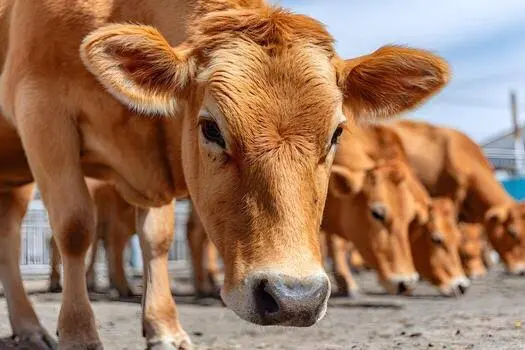
Can Horns Grow Into the Head?
A badly curved horn can sometimes grow toward the face, eye, cheek, or skull. This creates pain and can damage the skin.
Do not wait until the horn touches the cow’s body. Ask a veterinarian to inspect any horn that grows in a dangerous direction.
Tipping may sometimes remove only the sharp end. However, tipping is not a job for an untrained person. The safe cutting point depends on the living tissue inside the horn.
Is Dehorning Jersey Cattle Necessary?
Dehorning is not automatically required for every Jersey cow. The decision depends on genetics, housing, herd behavior, farm rules, and safety needs.
Many commercial dairy farms prefer cattle without horns. Cows may stand close together at feed bunks and in milking areas. Even a calm animal can cause an injury with a quick head movement.
Horns also create a stronger weapon during fights. A dominant cow may use them to push timid cows away from water, shade, or feed.
Disbudding and Dehorning Are Different
People often use these words as though they mean the same thing. They describe different stages.
Disbudding removes or destroys the horn-producing cells before the horn attaches to the skull.
Dehorning removes a horn after it has developed and attached. This is generally more invasive and may create a larger wound.
Animal-welfare guidance favors dealing with the horn buds early because later removal creates more tissue damage and stress.
Pain Control Is Important
Disbudding and dehorning are painful. A calf may show pain during the procedure and for hours afterward.
Modern care should include pain management. A veterinarian may use a local anesthetic to block the nerve that supplies feeling to the horn area. The veterinarian may also recommend a longer-lasting pain medicine for discomfort after the procedure.
The American Association of Bovine Practitioners considers pain management a standard part of disbudding and dehorning care.
The animal’s age does not make pain control unimportant. A young calf still feels pain.
Common Removal Methods
Several methods exist, but none should be attempted without proper training and veterinary guidance.
Common methods include:
- Hot-iron disbudding
- Caustic paste
- Tube or scoop methods
- Wire or surgical removal for developed horns
Hot-iron disbudding uses heat to destroy the ring of horn-producing tissue around the bud.
Caustic paste uses strong chemicals. It can injure the calf’s eyes, skin, mother, or other calves if it spreads. Rain can cause the paste to run, so careful housing and application are essential.
Large-horn removal is a veterinary-level procedure in many situations. It may cause bleeding and expose the sinus.
When Keeping Horns May Be Possible
Some small-farm owners keep Jersey cows with natural horns. This may work when the cattle have large pastures, calm handling, strong fencing, and plenty of feeding room.
The owner must understand cattle behavior. Even a gentle cow can swing her head when bothered by flies or startled by noise.
Horned cattle need more space in trailers, gates, and handling chutes. Equipment designed for hornless cattle may trap or injure them.
Families with small children should be especially careful. Children should never enter a pen with a horned cow without close adult control.
How to Care for Jersey Cow Horns
Healthy horns do not usually require daily cleaning or polishing. They do require regular observation.
Look at the horns whenever you check the cow. Notice their direction, surface, base, and distance from the face. Changes are easier to manage when found early.
Regular Horn Safety Checklist
Check for these problems:
- Cracks or splits
- Fresh blood
- Swelling at the base
- Heat or pain
- Bad smell
- Pus or wet discharge
- A loose horn
- A horn growing toward the face
- Damage caused by fences or feeders
- Flies gathering around a wound
A small surface scrape may need cleaning and observation. A deep crack, loose horn, or bleeding injury needs veterinary attention.
What to Do With a Broken Horn
A broken horn can bleed heavily because mature horns contain blood vessels near the living inner area.
First, move the cow into a quiet and safe space. Use a handling chute if one is available. Keep other cattle away so they do not hit the damaged horn.
Do not pull off a partly attached horn. Do not pour harsh chemicals into the wound. Avoid wrapping the head so tightly that it affects breathing, vision, or blood flow.
Call a veterinarian when:
- Bleeding does not stop
- The horn hangs loosely
- The break is close to the skull
- A deep hole is visible
- The cow shows severe pain
- Flies or dirt have entered the wound
- There is a bad smell or discharge
- The cow stops eating
The veterinarian may control bleeding, remove damaged tissue, manage pain, protect the sinus, and provide other treatment when needed.
Make the Farm Safer for Horned Jerseys
Strong fencing is very important. Avoid wide gaps where a cow can push her head through and become trapped by the horns.
Check hay feeders and gates for narrow openings. A cow may reach through easily but fail to pull her horned head back.
Provide enough bunk space so cattle do not fight over feed. Place water where lower-ranking cows can drink without being cornered.
Handling alleys should allow horned animals to move forward without hitting sharp edges. Never tie a cow by her horns. Do not use horns as handles for pulling or controlling her head.
Move calmly around Jersey cattle. Loud shouting, hitting, and sudden pressure can make an animal swing its head or rush through a gate.
Common Myths About Jersey Cow Horns
Several horn myths can lead to poor decisions.
Myth 1: Only Jersey Bulls Have Horns
Both males and females can grow horns. Horn development depends mainly on genetics and whether the calf was disbudded.
Myth 2: Every Hornless Jersey Is Polled
Many hornless Jerseys were disbudded as calves. A truly polled Jersey inherited hornless genetics.
Myth 3: Cutting Horns Is Like Trimming Nails
A mature horn contains living tissue and connects with structures in the skull. Cutting too low causes serious pain and bleeding.
Myth 4: Young Calves Do Not Feel Disbudding
Calves feel pain. Proper anesthesia and pain medicine should form part of the procedure.
Myth 5: Horn Rings Give an Exact Age
Horn rings do not work like a perfect yearly clock. Records and identification systems give more reliable ages.
Myth 6: Horned Cows Are Always Aggressive
Horns do not automatically make a cow aggressive. Temperament depends on genetics, handling, fear, pain, and the situation.
Still, horns make any head movement more dangerous. A calm horned cow can cause an accidental injury.
Myth 7: A Broken Horn Will Always Heal Alone
Minor surface damage may heal, but deep breaks can expose living tissue or the sinus. They may lead to blood loss, infection, and long-lasting pain.
Choosing Between Horned and Polled Jerseys
The right choice depends on the farm.
A small pasture herd may have enough room for horned cattle. A busy dairy with headlocks, narrow lanes, and close contact may benefit more from polled animals.
Before buying a horned Jersey, inspect the farm’s fences, trailer, chute, stalls, and feeders. Think about the people who will work with the cow.
Before selecting polled breeding stock, study the whole breeding record. Milk production, butterfat, protein, fertility, udder shape, feet, legs, and disease resistance still matter.
The goal should be healthy cattle that fit the farm’s system.
Final Thought
Jersey cows can naturally grow horns, and both females and males may have them. However, not every Jersey has visible horns. Some are born polled while many others are disbudded as young calves.
Jersey horns normally start as small buds during early life. They grow longer and become attached to the skull as the calf ages. This makes early disbudding less invasive than removing a developed horn. It does not make the procedure painless. A veterinarian should help create a safe plan that includes anesthesia and pain relief.
Keeping horned Jersey cattle is possible on some farms. Owners need strong fencing, safe feeders, enough space, and calm handling. They must also inspect the horns for cracks, dangerous growth, or injuries.
Polled Jerseys offer another choice. They are naturally hornless and may help farmers avoid disbudding. A good breeding plan should balance the polled trait with milk quality, fertility, health, and sound body structure.
No matter which type you choose, safety and animal comfort should come first. Watch the cattle closely, use suitable equipment, and contact a veterinarian when a horn becomes damaged or grows in a dangerous direction.