Highland Cow Origin in Scotland
The Highland cow origin starts in the Highlands of Scotland and the western coastal areas. This was not easy farm land. It had mountain land, coastal farms, rough pasture and wet grassland. Old farmers needed cattle that could live outside and find food in hard places.
That is why Highland cattle became so valuable. They could use rough land and poor pasture better than many modern cattle breeds. They did not need perfect green fields every day. Their thick coats helped them stay warm in cold rain. Their strong legs helped them walk across rocky ground and uneven hills.
The breed also has a deep link with the Western Islands of Scotland. Places like the Inner Hebrides and Outer Hebrides shaped part of the breed story. In old breed history people sometimes used the name Kyloe for cattle from the western islands. These island cattle were often smaller because hardy island life did not leave much room for weak animals.
Mainland Highland cattle were often larger cattle. Over time both island and mainland types became part of the wider Highland cattle story. This is why the breed feels so connected to both hills and islands.
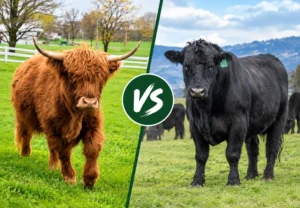
The Scottish origin explains the whole look of the animal. Its body type, coat length, horn shape and hardy nature came from place and weather. The long hair was not just for beauty. It was protection. The strong frame helped with walking, grazing and staying alive in hard country.
When I look at a fluffy animal like a Highland cow I do not only see a cute photo subject. I see a breed shaped by land. That is what makes its special origin different from many other cattle breeds.
Why Highland Cows Are Called Scottish Highland Cows
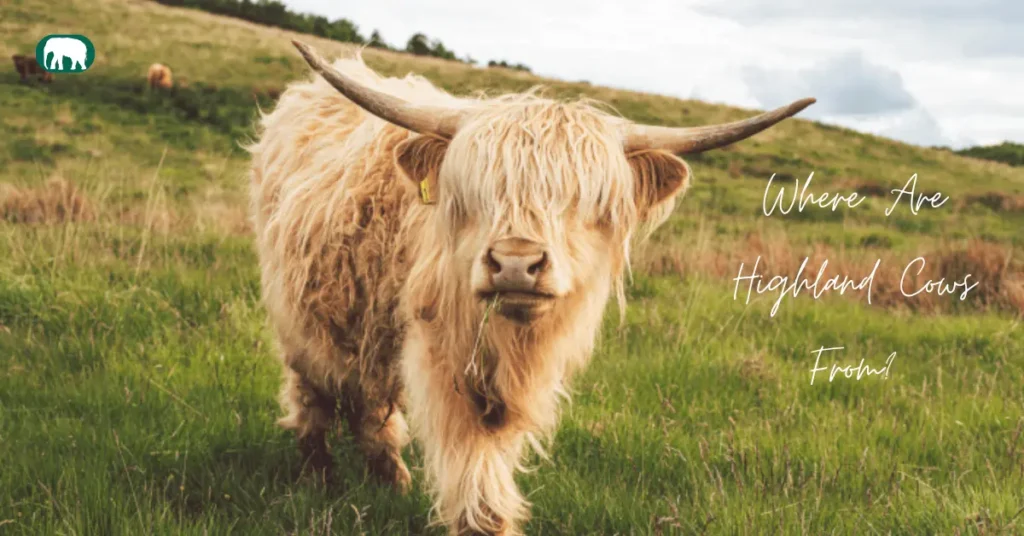
Scottish Highland cows are called by this name because they come from Scotland and the Highland region. The word Scottish shows the country. The word Highland shows the breed homeland. Together the name points to the animal’s roots.
Many people say Scottish Highland cow because it sounds like a clear breed name. It also feels like a complete name. It helps separate this breed from other cattle. A normal cow can be found anywhere. A Scottish Highland cow carries a strong link with Scottish culture, Highland landscapes, old farms and rural history.
The name also became popular because of breed recognition. The long coat, big horns, soft face and calm look make the animal easy to remember. This standout appearance gives the breed a strong Scotland identity.
Highland cows are also part of Scottish countryside tourism. Visitors see them on postcards, farm signs, social media posts and travel guides. They look natural beside a stone wall or in a misty field. That kind of land connection makes the animal feel like a real Scottish scene.
This is why the famous name traveled around the world. It carries breed identity, land identity and Scottish heritage. The name is simple but it says a lot.
Highland Cattle History and Native Land
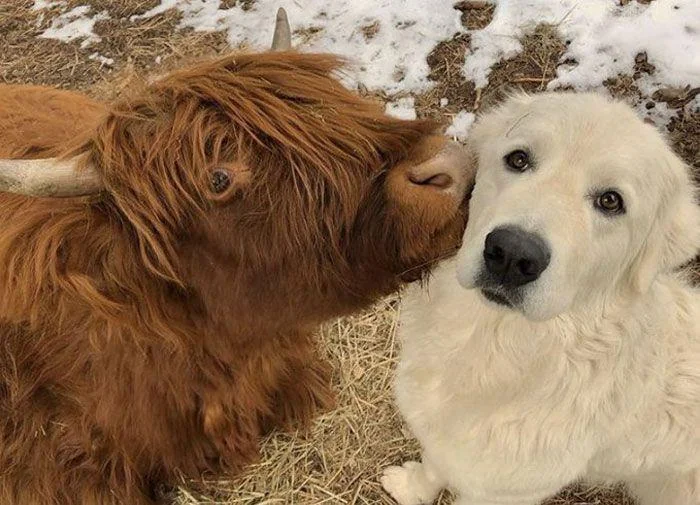
Highland cattle history is tied to its native land. These cattle came from Scotland, especially the Scottish Highlands western Scotland and the Western Islands of Scotland. Many breed sources describe them as one of the oldest registered cattle breeds.
The breed became more officially recorded in the late 1800s. The Highland Cattle Society was formed in 1884 and the first herd book came in 1885. These official records helped protect purebred animals and keep the breed type clear.
The records also helped breeders track bloodlines, pedigrees and family history. That mattered because Highland cattle were not just random farm animals. They were a real breed with a strong past.
Before breed records Highland cattle already had value in rural Scotland. They gave meat milk hides and farm value. Useful hides helped families. Meat could feed families. Milk supported small farms. A strong cow or bull could be a valuable animal in a difficult farming life.
Highland cattle also had a place in farm trade. In older days cattle moved from Highland areas to markets. These cattle routes and old drovers became part of the Scotland farming story.
Their appearance came from the land itself. Cold rain, rough hills, low quality grazing and long winters made weak animals struggle. Stronger animals survived and passed on useful traits. That is why old Highland cattle traits still show today. The breed keeps its hardiness, strong frame weather resistance and calm farm nature.
How Highland Cows Survived in the Scottish Highlands
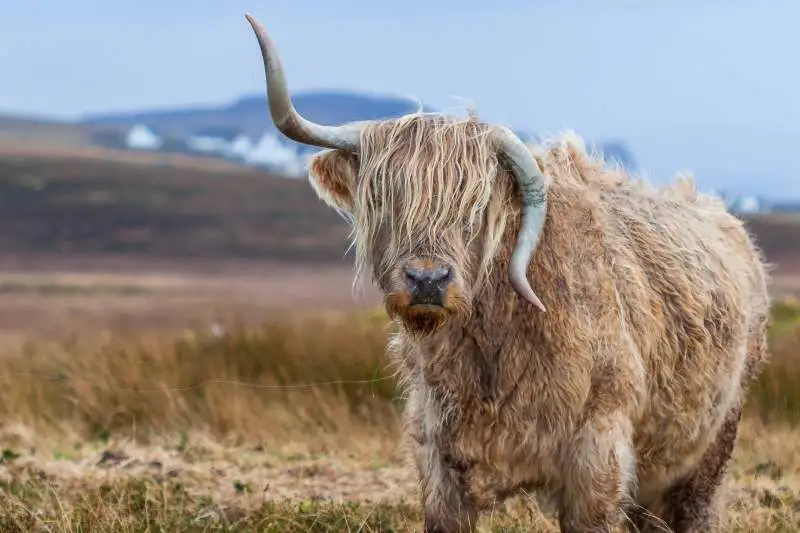
Highland cows survived in the Scottish Highlands because they were made for survival on tough land. The weather was often cold, wet and windy. The ground had rocky ground and uneven ground. Food was sometimes poor food. This was hard cattle country.
Their long shaggy coat became one of their best survival tools. The coat has two useful layers. The outer hair helps shed rain. The soft inner layer helps hold body heat. This double coat gives rain protection, cold protection and wind protection.
That coat made Highland cattle different from many short-haired breeds. They could stay outside in weather that would trouble softer cattle.
Their wide horns also helped them. They could move brush and reach plants. Their strong neck and strong body helped them push through rough areas. Their steady feet helped them walk on rough ground and grazing land.
They could eat grass, shrubs, heather and other rough plants. That made them useful on natural pastures. A breed that can live on rough grazing is a valuable breed because it does not always need the best field.
Natural selection did the rest. The strongest animals and most adaptable animals survived the harsh conditions. They passed their traits to the next generation. Over time the breed became known for animal survival cold tolerance, low-input farming and hardy farm animal value.
This is the part many people forget. The cute look came after work. Highland cows were shaped by work and survival first.
Where Highland Cows Live Today
Highland cows still live in Scotland but today they are a global breed. You can find Highland cattle in many parts of the world including the United Kingdom, United States, Canada, Australia , New Zealand and other countries.
In the Scottish Highlands they still feel part of the land. You can see them on farms estates , nature areas, small holdings, farm parks and tourist areas. Many people want to see them during a Scotland trip because they connect the land with the animal.
In the United States farmers often keep them for beef small farms breeding herds homesteads and hobby farms. Some raise them as grass-fed beef cattle. Others like them because they are a heritage breed with strong small farm appeal.
In Canada they fit well in colder regions. In Australia and New Zealand many breeders keep them on rural properties. Scottish settlers and later cattle breeders helped with the breed spread outside Scotland.
Even as a global animal they still need proper care. They need space, shelter, clean water, safe fencing, good pasture hay minerals and veterinary care. In cooler places they often do well. In hot areas owners must give shade fresh water and heat care because the thick coat was made for colder weather.
Their worldwide spread shows they are a useful breed and a loved breed. Still their true breed identity points back to Scotland.
Why Highland Cows Became Popular Around the World
Highland cows gained worldwide popularity because they are useful animals and easy to love. Their look gets attention first. The long shaggy coat, big horns, fluffy face and calm eyes make them different from everyday cattle.
They also have a warm, cute farm style and rustic farm style. That look works well in photos, videos, gifts art and farm branding. It is easy to understand why people stop scrolling when they see them online.
Their hardiness made them popular with farmers too. Highland cattle can handle rough weather and natural grazing better than many breeds. They work well in colder climates and on rough fields. Some farms use them for conservation grazing because they can manage grass, manage brush and help care for natural land.
Their Scottish identity added even more value. They are strongly linked with Scotland Scottish farms, Highland culture and countryside travel. For many people they are a living symbol of Scotland. A Highland cow in a field scene can feel as Scottish as a castle, a loch or a mountain road.
Social media made them even more famous. Highland cow pictures and Highland cow videos spread fast because the fluffy look catches attention. People now use Highland cow themes in home decor nursery art calendars, mugs shirts and farm tourism ads.
But the attention should not make people forget what they are. They remain large farm animals. They need space and proper handling. People should respect fences and avoid feeding or avoid touching random cattle.
Today Highland cows are known as a beautiful breed, a useful breed, a historic breed and a native Scottish breed. Their story started in Scotland but now they live on farms around the world.
Final Thought
Highland cows come from Scotland and their real story belongs to the Scottish Highlands. Their long shaggy coats, strong body wide horns and calm farm nature came from life in cold places, rough places and windy places. The weather and land shaped them more than anything else.
These cattle were not made only for photos. They were part of old farming life and helped Scottish farming families with meat milk hides and real farm value. Their history includes crofting rough grazing native land breed records and the old work of rural Scotland.
Today they live in many countries but their true origin will always stay linked to Scottish origin. People love their fluffy look and beautiful animal style but they also carry a real story. A Highland cow is not just a cute animal. It is a living part of Scottish heritage that still stands proudly in fields around the world.