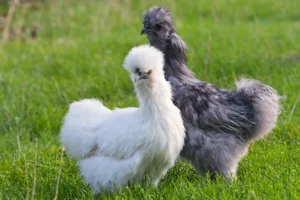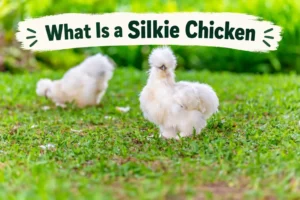
A Silkie can look pretty strange the first time you see one. The feathers are soft and fluffy instead of smooth, the skin is dark, and each foot has 5 toes. Those features make it easy to understand why people have been curious about this chicken for a very long time.
The exact beginning of the breed is not fully settled. Most historical and modern research points to Asia, especially China, while some older accounts have also suggested India, Java, and Japan. Recent genetic research describes the Silkie as a traditional Chinese breed and connects its history with Jiangxi Province. At the same time, genetic studies show clear links between Chinese and Japanese Silkie populations, so the full story is more complicated than simply naming one country.
What makes the history even more interesting is the way the breed became known outside Asia. A 13th-century account connected with Marco Polo describes a strange furry chicken in China. Centuries later, European writers described similar birds, and Silkies eventually became recognized as a formal breed in North America in 1874.
Quick Overview of the Silkie’s Long History
| History point | What it tells us |
| Main origin | Ancient China is the best-documented origin |
| Other proposed regions | India, Java, and Japan appear in historical discussions |
| Important Chinese area | Jiangxi Province is strongly linked with the breed |
| Early Western record | Marco Polo described a furry-looking chicken in the 13th century |
| European record | A 1598 work described wool-bearing and cat-hair-like chickens |
| Travel west | Silk Route and maritime trade are commonly suggested |
| North American recognition | The breed entered the Standard of Perfection in 1874 |
| Special traits | Fur-like feathers, dark pigmentation, and 5 toes |
| Modern role | Pet, exhibition bird, and traditional Chinese breed |
These dates help put the story in order, but some parts of the early history remain uncertain. That is worth remembering because the Silkie existed long before modern poultry records and breed standards.
Where Silkie Chickens Came From
The most accepted historical starting point is ancient China. Modern genetic research calls the Silkie a traditional Chinese chicken breed with a long breeding history and reports Jiangxi Province as its origin. Another genetic study found that Taihe Silkie represents one of the ancestral lineages among Jiangxi chicken breeds.
That does not mean we can point to one exact year and say, “This is when the Silkie was created.” Old chicken breeds did not develop through a modern breeding program with written records at every step. People kept unusual birds, bred them, moved them between regions, and selected traits they liked.
There are also older theories that connect Silkies with India, Java, Japan, and other parts of Southeast Asia. Genetic research on Japanese Silkies shows a real relationship with Chinese Silkies, while also finding differences between the populations. One study suggested that several old Asian chicken lines may have contributed to the development of Japanese Silkies.
So the simple version is China. The more careful version is Asia, with China having the strongest historical and genetic evidence.
Silkies in Ancient China
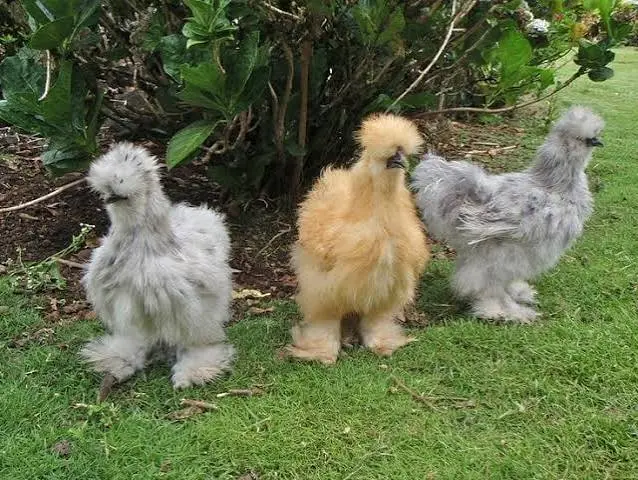
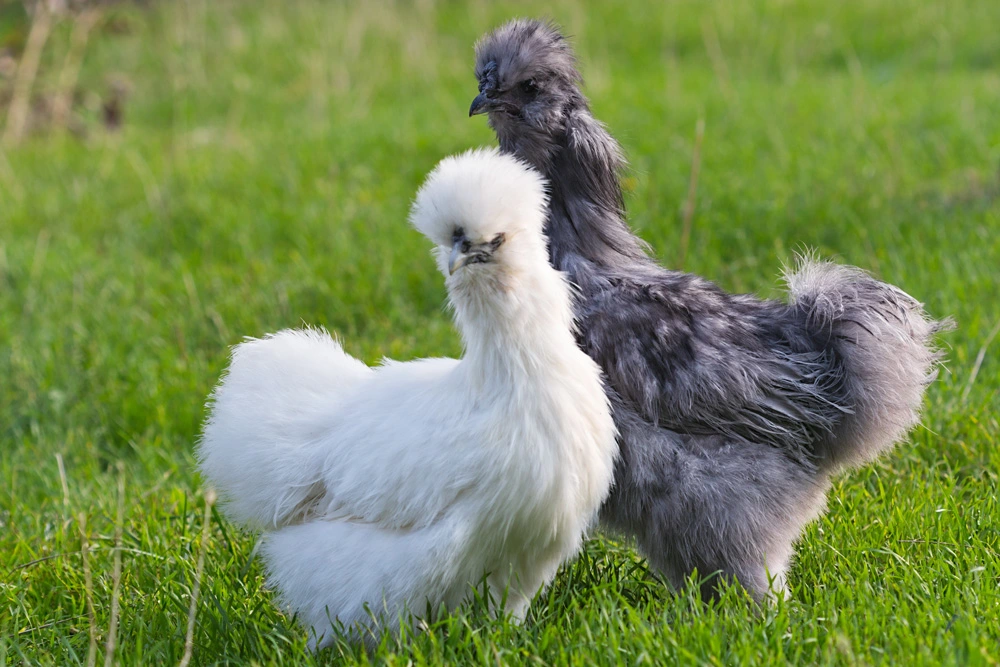
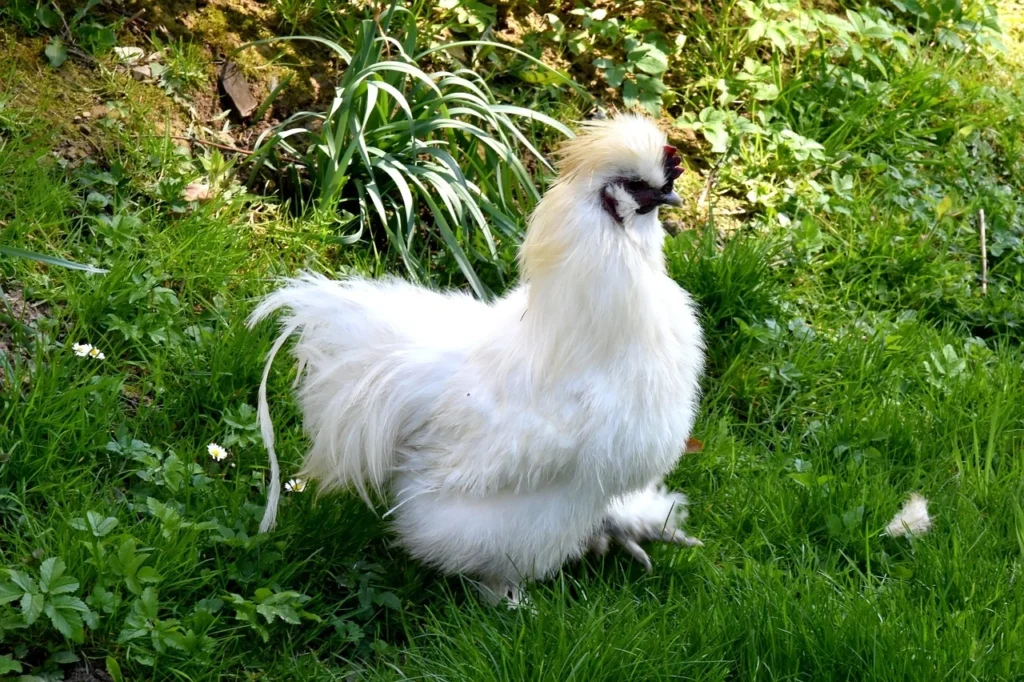
The Silkie’s unusual appearance probably played a big role in its early history. A normal chicken has feathers with structures that help the feather parts lock together. Silkie feathers are different. Their hookless feather structure gives the plumage its soft, loose, almost furry look.
The breed also has dark pigmentation throughout much of the body. This includes the skin and bones, and the trait is linked with the fibromelanosis gene. The breed’s 5 toes on each foot are another feature that separates it from the usual 4 toed chicken.
These features are useful when looking at old descriptions. Even if a writer did not use the word “Silkie,” a description of a chicken with hair-like feathers and unusually dark coloring gives us something to compare.
Silkies also had a long connection with Chinese food and traditional medicine. Modern research reviews describe the breed as historically important in China for both food and traditional medicinal use. A 2010 genetic study also notes that the distinctive properties of the black-bone chicken had been recorded in Chinese traditional medicine literature hundreds of years ago.
For me, this is one of the more useful ways to understand the breed’s history. The Silkie was not simply kept because it looked cute. Its unusual body traits gave it a place in Chinese poultry culture long before it became a popular backyard pet in the West.
Marco Polo’s Silkie Story
The name Marco Polo often comes up when people talk about the history of the Silkie. During his travels in Asia in the 13th century, Polo described an unusual chicken with a furry appearance. Modern breed histories commonly connect that description with the Silkie.
This old account matters because it gives Western readers an early written description of a chicken that did not look like an ordinary chicken. Imagine seeing a bird covered in feathers that looked more like soft hair. Without modern genetics or poultry books, calling it a “furry chicken” would have been a pretty natural description.
There is another interesting historical record from 1598. Ulisse Aldrovandi, a naturalist associated with the University of Bologna in Italy, wrote about unusual chickens described as wool-bearing or covered with hair like a black cat. This later European record adds support to the idea that these unusual chickens had become known in Europe by that time.
The old stories also produced some funny myths. Once Silkies became known in the West, some sellers reportedly told buyers that the birds were a cross between a rabbit and a chicken. Their fur-like feathers probably made that strange story easier for people to believe.
Of course, there was no rabbit-chicken cross. The unusual coat came from the Silkie’s own genetic feather structure.
How Silkies Reached Europe
Silkies most likely reached the West through trade and travel rather than one single documented journey. Historical sources commonly suggest the Silk Route and maritime trade as possible routes.
That makes sense when you look at how trade worked in the past. People moving between Asia and Europe carried much more than silk and spices. Animals, plants, food, and unusual goods could also travel with merchants and travelers.
By 1598, European writing was already describing chickens with unusual hair-like plumage. That gives us a useful date because it shows that birds resembling Silkies were known in Europe centuries before the modern breed standards used today.
The breed’s journey can be thought of in a simple way:
- Unusual chickens developed and were bred in Asia.
- People carried them between different parts of Asia.
- Some birds likely moved west through trade and maritime travel.
- European writers began recording chickens with unusual plumage.
- Breeders later worked toward more consistent breed traits.
The exact route is still not known, so it is better to describe this as a likely path rather than a proven single journey.
Silkies Arrive in America
By the 19th century, Silkies had become established enough in the West to receive formal breed recognition. In the United States, the American Poultry Association admitted the Silkie to its Standard of Perfection in 1874.
That was a big change for the breed. A formal standard gave breeders and poultry exhibitors a common description of what a Silkie should look like.
The American standard recognizes Silkies as a true bantam. Other countries have treated the breed differently, with large-fowl Silkies also recognized in some places.
The traits that made Silkies strange to early observers became the same traits that made them easy to recognize at poultry shows:
- Hair-like and fluffy feathers
- Dark skin and bones
- 5 toes on each foot
- Feathered legs
- Bearded and non-bearded forms
- Small ornamental appearance
The breed also developed a reputation as a friendly backyard bird. Its calm nature and unusual appearance helped it move beyond exhibition yards and into home flocks. Modern research also notes its popularity as a pet chicken.
Silkies Through the Years
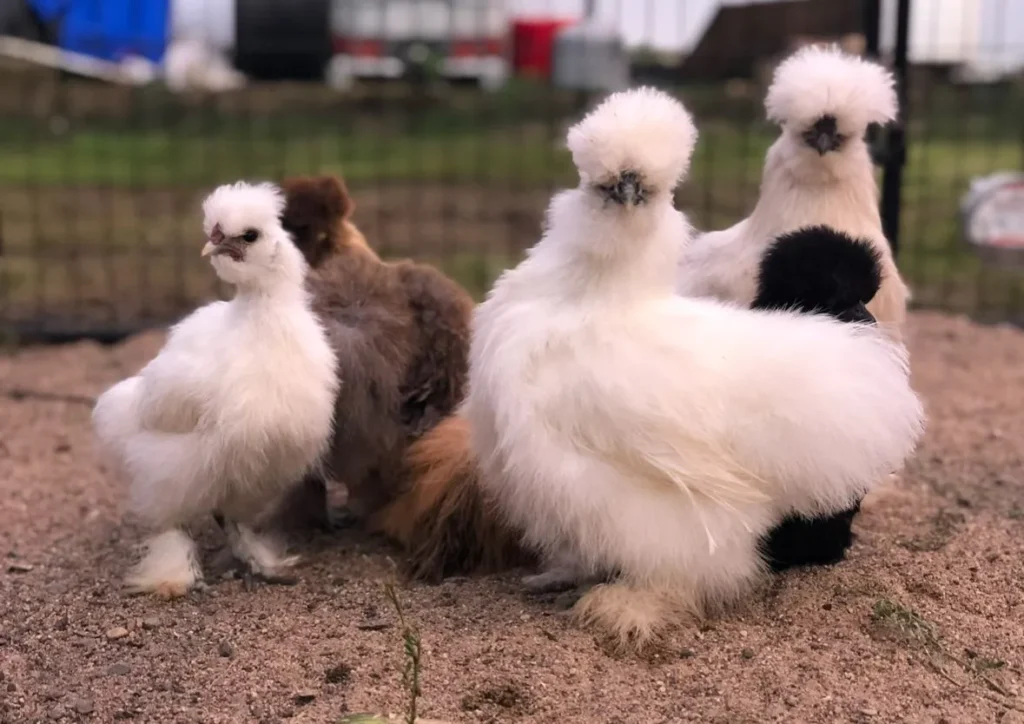
The Silkie did not stay frozen in the form described by early travelers. Breeders continued working with the birds, selecting recognizable features and developing exhibition lines. At the same time, the breed kept the traits that made it special in the first place.
One of those traits is its tendency toward broodiness. Silkie hens are known for wanting to sit on eggs and raise chicks. Because of this, people have often used them to hatch eggs from other poultry as well.
Modern research has also given us a much better look at the breed’s genetics. Scientists have studied the Silkie’s genetic diversity, pigmentation, feather structure, and relationship with other chicken populations. A 2024 genomic study describes the Silkie as a traditional Chinese breed and examines its demographic history and selective traits.
The breed has even been part of major chicken genetic research. A 2004 Nature study used a Chinese Silkie among 3 domestic chicken breeds when building a large genetic variation map of the chicken genome.
That gives the old breed a surprisingly modern side. A chicken once described because its feathers looked like fur is now helping researchers understand chicken genetics.
Today, Silkies are kept for several reasons:
- as pet chickens
- for poultry exhibitions
- for breeding
- for their strong mothering behavior
- as part of backyard flocks
- as a breed of historical and genetic interest
The basic look has remained easy to recognize. Soft feathers, dark pigmentation, feathered legs, and 5 toes still give the Silkie that unmistakable appearance.
Final Thought
The story of the Silkie is not just about a fluffy chicken moving from one country to another. It is a long history shaped by Asian breeding, trade, travel, written observations, and later poultry standards.
China has the strongest documented claim as the breed’s historical home, especially around Jiangxi, while genetic research shows connections with Japanese populations and a more complicated Asian background.
From the unusual 13th-century account linked with Marco Polo to formal recognition in the United States in 1874, the Silkie slowly changed from an unusual Asian chicken into a familiar breed around the world.
And honestly, that old reputation still makes sense. Put a Silkie beside a regular chicken and most people will look twice. The breed has been doing that for centuries.