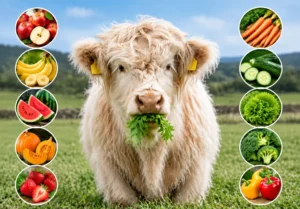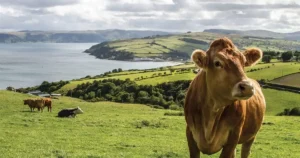
White Highland Cows are one of the most unusual types of Scottish cattle you can see. Their long white coats and wide sweeping horns give them an appearance that is hard to forget. Many people connect Highland cattle with the traditional ginger Highland cattle or reddish-brown cattle seen across Scotland. The white variety is different. Its unusual appearance has attracted farmers and photographers and conservationists and animal lovers from around the world.
Yet looks only tell part of the story.
These hardy animals can live in difficult environments. A thick double coat provides protection during cold weather and wet weather. Their strong feet help them move across rough ground. Their natural grazing habits can also make them useful in conservation projects.
As someone who enjoys studying unusual cattle breeds I find their practical qualities even more interesting than their appearance. The Highland cattle breed has a deep connection with traditional agriculture and the wild landscapes of the Scottish Highlands.
Here are eight characteristics that explain why this rare Scottish cattle variety continues to stand out.
Origin and History of White Highland Cows
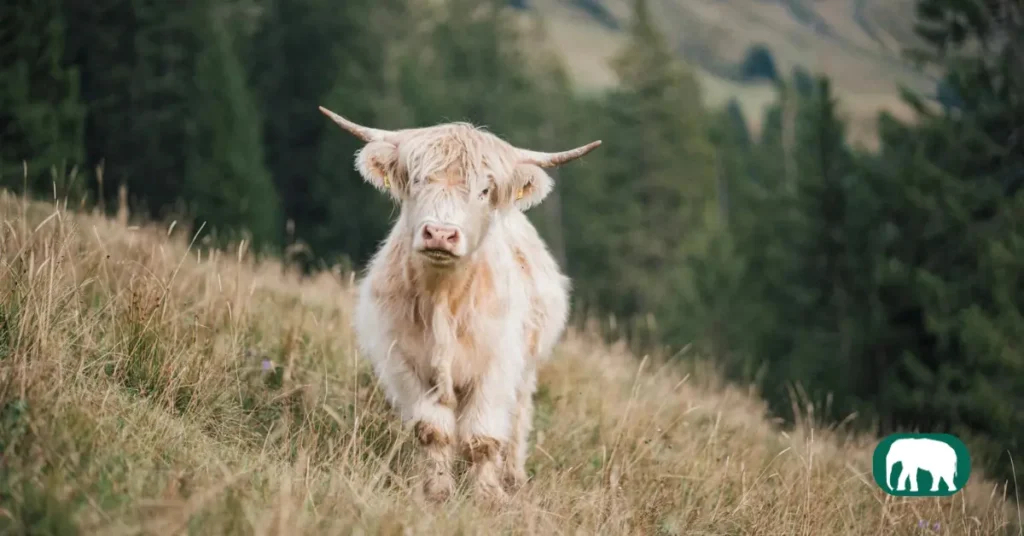
The Highland cattle history reaches back many centuries. This centuries-old breed developed in the rugged regions of western Scotland and the Scottish islands.
Life was never easy in these areas.
A cold climate and wet climate created difficult conditions for livestock. Animals had to survive on limited vegetation while moving across difficult ground. This environment helped shape highly adaptable cattle with impressive breed hardiness.
Farmers valued them because they could use rough grazing land that was not always suitable for other farm animals. Highland cattle supported meat production and milk production. They also became an important part of rural life and the traditional Scottish economy. The Highland Cattle Herd Book was established during the 19th century. This helped improve formal breed documentation. One thing that often surprises people is the number of recognized coat colors within the breed.
These include red Highland cattle and yellow cattle and black cattle and brindle cattle and dun cattle and silver cattle and white cattle. The red or ginger animal may be the most familiar. Yet different colors have existed within Highland cattle populations for generations. The pale appearance of White Highland Cows makes them particularly striking against green fields and mountains and Scottish moorlands.
Today people keep them for agriculture and conservation grazing and breeding and tourism. Their unique look has also made them popular with photographers and Highland cattle enthusiasts.
Distinctive Physical Characteristics
The White Highland Cow coat is usually the first feature people notice.
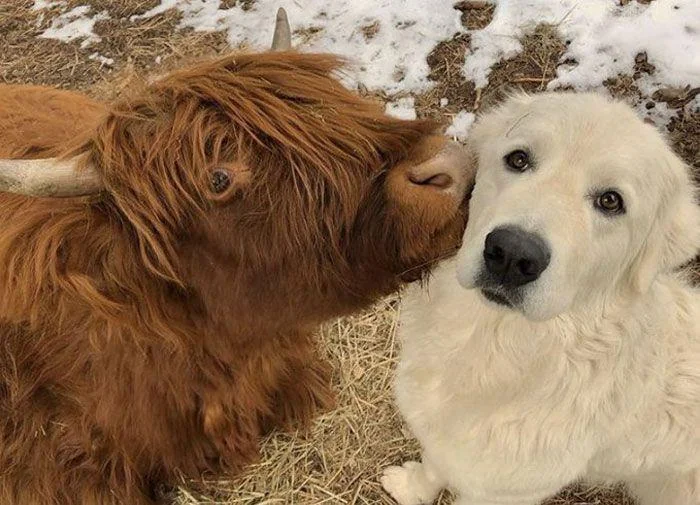
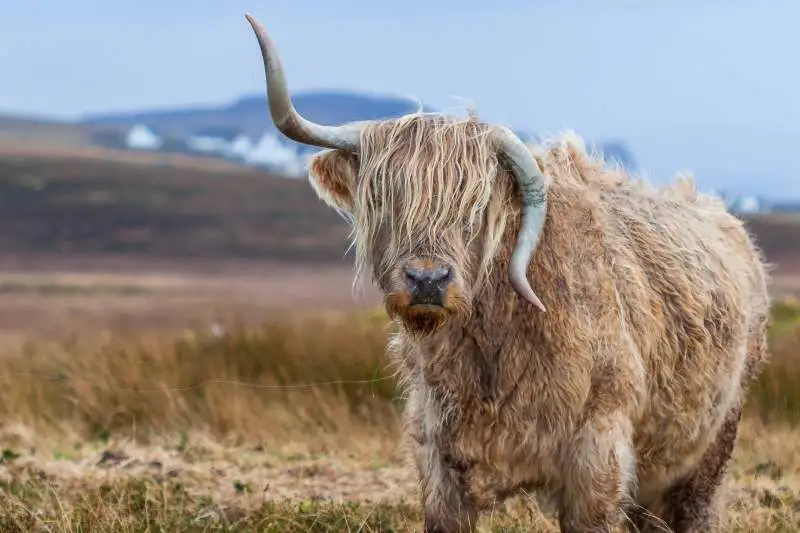
These cattle have a distinctive double coat. The long outer hair provides weather protection and rain protection during harsh weather. Underneath sits a soft undercoat. This insulating undercoat helps the animal remain comfortable during cold conditions. I think this is one of the most interesting things about Highland cattle. Their famous appearance is not simply decorative. Their hair provides real natural protection in challenging climates. The long head hair can fall close to the eyes and creates the famous shaggy appearance. Then come the impressive horns.
Both male Highland cattle and female Highland cattle can grow horns. The exact horn shape can vary between individual animals. There can also be noticeable differences between bulls and cows. A mature Highland bull is normally larger than a mature Highland cow. Exact body weight depends on genetics and nutrition and management and individual development.
Their heavy appearance can be misleading. Highland cattle can move well across uneven land. Their strong legs and durable feet help them travel through fields and hills and rough grazing areas. These qualities have helped create extremely hardy cattle. The white coat contrast against the Scottish landscape makes them visually special. Yet their real strength comes from their body structure and centuries of adaptation.
Adaptability to Harsh Landscapes
Hardiness is one of the greatest qualities of the Highland breed. Highland cattle adaptability developed over many generations. The animals had to face heavy rain and strong winds and cold winters. They also experienced changing food quality during different seasons.
Their thick coat offers natural protection against cold weather and wet weather. Their strong feet allow them to move across uneven ground. They can also make use of rough vegetation with limited agricultural value. This ability can make them useful livestock in certain farming environments.
However domestic cattle still need proper care. Every animal requires appropriate nutrition and clean water and health management. Farmers must also provide shelter or suitable environmental protection when necessary. Their natural strength gives them an advantage in some extensive farming systems. This brings us to conservation grazing.
Good vegetation management can provide valuable habitat support. Carefully managed cattle may help control excessive plant growth and create a varied vegetation structure. White Highland Cow herds can travel across rough land while grazing plants that grow in difficult areas. This is why Highland cattle can sometimes be found on nature reserves and in extensive grazing projects.
Temperament and Personality Traits
The White Highland Cow temperament is another reason people find these animals interesting. They are often described as calm animals with a good temperament.
That can be useful for cattle owners. However every large animal requires responsible handling. These are still large livestock. Highland cattle can become comfortable with regular human contact and good livestock management. Yet every cow has an individual personality. Even a calm cow remains a powerful animal.
People should respect their personal space. Extra care is important around cows with calves and breeding bulls. Highland cattle are social animals that prefer group living. Inside the herd there is herd communication and a network of social relationships. This natural herd behavior forms an important part of their daily life. Their calm nature and unusual appearance have made them popular on small farms and at visitor attractions.
Still a friendly appearance should never be the only reason for choosing these animals. Cattle ownership requires suitable land and secure fencing and veterinary care and proper feeding. Owners also need good livestock knowledge.
Role in Agriculture and Conservation
Highland cattle agriculture has a fascinating agricultural history. These animals once provided important food resources in difficult environments.
Today the Highland is mainly known as a beef breed. Highland beef has attracted consumers because of its flavor and meat quality. Exact nutritional qualities can depend on the feeding system and the individual animal and the beef cut.
The breed can work well in certain extensive farming systems because of its ability to use rough grazing land. Today we also see Highland cattle in conservation grazing projects. Grazing animals do much more than simple grass removal. They can change the vegetation structure through natural cattle movement and feeding behavior.
Their activity may create areas of short vegetation and tall vegetation. It can also open spaces within dense plant growth. With careful management this can support habitat diversity. Highland cattle may graze grasslands and heathlands and other conservation sites based on local environmental goals.
Proper management is essential. Overgrazing may damage an area. Insufficient grazing may fail to control unwanted vegetation. Managers need to think about livestock numbers and land size and grazing season and specific ecological objectives. White Highland Cows can perform the same agricultural roles and grazing roles as other Highland cattle. Their status as rare cattle simply gives them extra public appeal.
White Highland Cows in Popular Culture and Tourism
Highland cattle are among the world’s most recognizable cattle breeds. The Highland cattle symbol has become closely connected with Scotland. A long shaggy coat and large horns have helped turn these animals into a cultural symbol.
White Highland Cows add even more visual interest. Their pale coats stand out against green fields and mountains and winter scenery. This makes them ideal subjects for livestock photography and wildlife photography and agricultural photography.
Social media has increased their international visibility. Highland cattle photographs and Highland cattle videos regularly appear on Instagram and Facebook and other online platforms. Their calm appearance has helped them reach a global audience outside traditional farming communities.
They also play a role in Scottish tourism. Visitors can see Highland cattle on farms and estates and at countryside attractions. Some companies even offer guided tours and special Highland cattle experiences. There are also cattle photography tours for people who want to see these animals in natural surroundings.
This public interest can support agritourism and provide extra farm income. It can also teach visitors about traditional livestock breeds and rural landscapes. However responsible tourism matters. Visitors should maintain a safe distance and follow farmer instructions or land manager instructions. Extra care should always be taken around cows with calves and bulls. Good visitor safety should come before the perfect photograph.
Challenges Facing White Highland Cows
There are several important White Highland Cow challenges.
Some of these issues affect the wider Highland cattle breed and modern livestock farming. Responsible breeding should remain a priority. Breeders must consider overall health and temperament and physical structure and genetic diversity.
An unusual coat color can be attractive. Yet breeders should never ignore other important breed characteristics simply to produce a certain appearance. Agricultural change creates other problems.
Traditional farming landscapes are changing because of land development and economic pressure and changing agricultural practices. These changes can affect people who maintain traditional cattle breeds. Climate change is another concern for livestock management.
Highland cattle have excellent cold tolerance. However extreme weather can still create problems. Hot temperatures may be difficult for cattle with thick coats. Farmers must provide fresh water and suitable shade and effective management strategies. Habitat loss also affects many rural areas. Conservation grazing projects require suitable land access and funding and long-term management.
The Rare Breeds Survival Trust promotes awareness of native livestock breeds in the United Kingdom. The Highland Cattle Society also supports breed standards and breed records. Good livestock education is becoming increasingly important.
Social media popularity can make cattle ownership look simple. The reality is different. These animals require proper livestock care and appropriate land and secure facilities and regular health management. Protecting the breed requires a balance between public interest and practical farming.
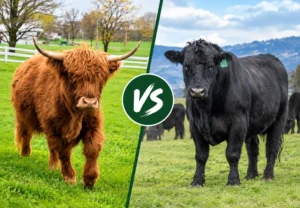
White Highland Cows vs Black Highland Cows
White Highland Cows and Black Highland Cows belong to the same cattle breed.
The clearest difference is coat color.
- White animals have pale coats. Black animals have black coats or dark hair.
- Yet the range of Highland cattle colors does not change the basic breed identity.
- Both types share the famous long coat and sweeping horns and strong body.
- Both can survive in challenging landscapes.
Farmers may use them for beef production and extensive grazing and conservation management.
Individual temperament should not be judged by color alone. Coat color genetics do not automatically determine cattle personality. Good livestock management and breeding and early handling and individual genetics can influence cattle behavior. A farmer may choose between these cattle based on breeding goals and animal availability and farmer preference.
For tourism businesses and photographers the striking appearance of White Highland Cows may provide extra value.
In conservation projects the situation is different. Animal health and habitat suitability and the overall grazing strategy matter far more than color. The breed similarities between white and black cattle are much greater than their differences. Both show the strength and adaptability that have made Scottish cattle famous around the world.
Final Thoughts
White Highland Cows are a fascinating rare color variation of an iconic Scottish cattle breed. Their long white coats and sweeping horns create an unforgettable appearance. Yet these cattle offer much more than beauty.
They developed through life in challenging landscapes. Their strong bodies and protective double coats help them cope with difficult conditions. Their ability to use rough grazing land also gives them real agricultural value.
Today these animals contribute to extensive farming and conservation grazing and rural tourism. They also help create interest in traditional livestock breeds. Their popularity brings responsibility. Responsible breeding should focus on healthy animals. Good farm management and conservation management should always come before appearance.
Visitors should also remember that these are powerful livestock. For me their greatest attraction comes from the combination of beauty and practicality. Their hardy characteristics and breed resilience connect them to the history of the Scottish Highlands. At the same time their unusual appearance continues to attract global attention.