The amount of land a Highland cow needs is not decided by one simple acreage rule. Many new owners focus on total acreage first. In practice the quality of the land often matters much more.
Pasture quality and rainfall and soil condition and climate can completely change the number of cattle a farm can support. The length of the grazing season and the herd size also affect the final land requirements.
You may see general cattle guidelines suggesting around 1.5 to 2 acres for a cow-calf pair. This can work as a starting point. It should not become a fixed acreage rule for every property.
Actual stocking rates vary between different regions and farms. Good extension guidance usually focuses on stocking rate calculation based on available forage and animal demand.
This makes sense when you look at two different properties.
One farm may have ten acres of productive grass. Another may have much more land covered with bare ground and unsuitable vegetation. The smaller property could actually provide more usable forage.
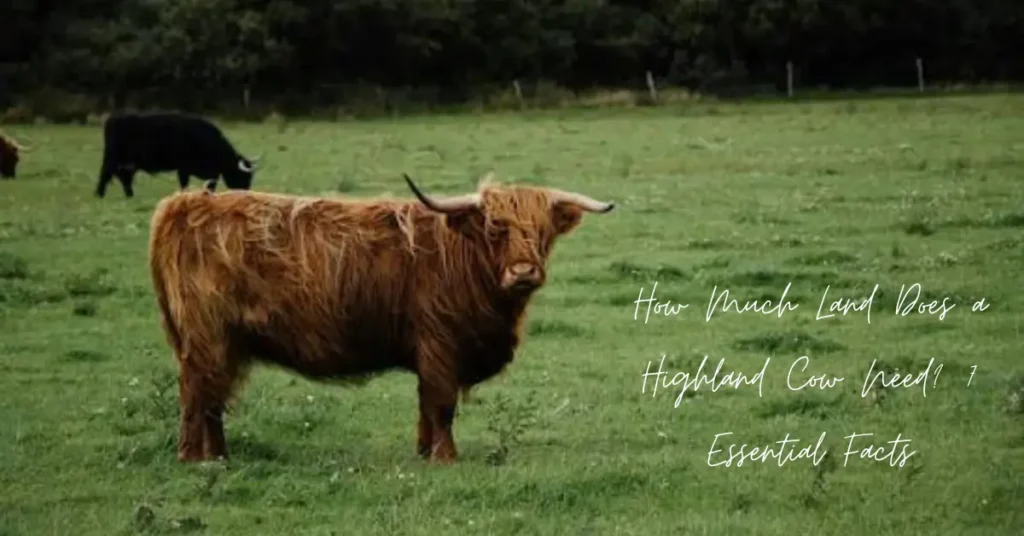
Highland cattle do have an advantage. They are known as hardy grazers and can use rough upland vegetation that may offer limited value to some other cattle breeds. The Highland Cattle Society also connects the breed with low-input farming and extensive farming on rough uplands and unproductive uplands. Still a Highland cow cannot survive on poor land without enough food.
From my experience researching livestock requirements this is where acreage advice often becomes misleading. Do not ask only how many acres you have. Find out how much food those acres can actually produce.
How Many Highland Cows Can You Keep Per Acre?
There is no universal number for the amount of Highland cows you can keep per acre.
You may hear recommendations such as one cow per acre or two acres per cow. These numbers can serve as rough planning points in some locations. They should never replace a proper pasture assessment.
The real answer depends on the carrying capacity of your land.
A farm with rich soil and reliable rainfall may grow plenty of productive forage. The same number of acres in an area with dry land and limited grass growth may support far fewer animals. The grazing season makes another big difference.
Owners should consider pasture productivity and soil fertility and available forage. The animal size and amount of supplemental feeding also affect the number of cattle the property can support.
Good pasture management can help owners make better use of their land.
Rotational grazing involves moving cattle between smaller paddocks. This can support more efficient grazing when managed correctly. However moving cattle does not magically increase food production. Plants still need enough pasture recovery time before animals return.
It is also useful to understand the difference between stocking rate and stocking density. They are related concepts but remain different concepts in grazing management. A conservative stocking rate is usually a sensible place to begin.
Regular pasture monitoring tells you what happens next. If cattle create overgrazed plants and repeatedly leave short grass with poor grass recovery then you may have an overstocked property. If plenty of usable forage remains during the grazing season then the stocking plan may allow careful stocking adjustment.
Do Highland Cows Need a Lot of Space?
Highland cows need enough grazing space for natural movement and comfortable rest.
Yet space quality matters more than simply counting the total acres. Imagine a property with five acres of healthy pasture and productive pasture. It has good water and strong fencing and careful rotational grazing. Now compare it with fifteen acres covered with bare ground and dense vegetation that offers little usable forage.
The smaller farm may provide better grazing conditions. This is one reason Highland cattle can work well on certain properties. Their ability to use rough land and browsing vegetation makes them suitable for some extensive farming systems.
Highlands have even been studied for managing shrub-encroached mountain pastures and influencing vegetation structure through appropriate grazing management.
Space also affects animal welfare.
Cattle need enough room for normal cattle movement and food access and access to clean water. Overcrowding a small property creates other problems.
You may see muddy ground and parasite problems and damaged pasture. Competition can also develop around feeding areas. The better question is not whether Highland cows need a lot of space. Ask whether your property has enough carrying capacity to support the animals without damaging the land.

How Much Pasture Does a Highland Cow Need?
The pasture requirements of a Highland cow change from one property to another.
Productive grassland can sometimes support cattle on fewer acres. Poor pasture may require considerably more additional land. Climate plays an important role.
Areas with regular rainfall and long growing seasons may have better forage production. Dry regions and locations with short growing seasons may require additional acreage or supplemental feed.
The pasture type matters too. Highland cattle can make good use of coarse forage and rough grazing. Organizations such as the Rare Breeds Survival Trust recognize the breed’s connection with low-input systems and extensive systems.
However, owners should not misunderstand this ability. Highlands still need sufficient food. Cattle living on heaths and mountains and moors or in woodland need enough available forage to maintain good health.
Additional feeding may become necessary during periods of insufficient grazing. A practical pasture plan should measure forage production and estimate safe forage consumption. The goal is to feed the animals without damaging plant growth or reducing future pasture health.
Can Highland Cows Live on One Acre?
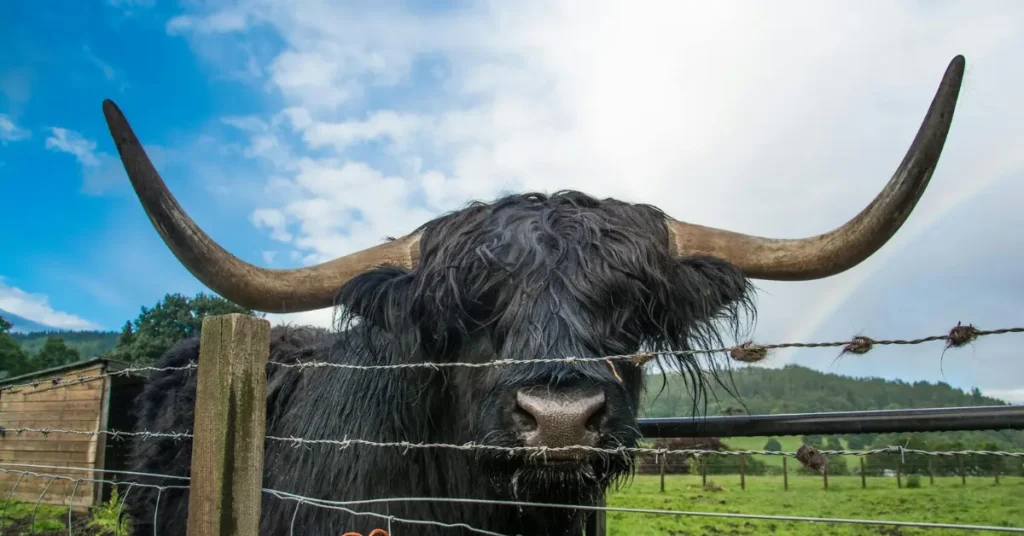
A Highland cow can physically live on one acre.
That does not mean the land can provide the animal’s complete yearly food supply. This distinction matters for anyone considering a small acreage property.
A small property may work if the owner provides hay and practices good manure management and mud prevention. The animal will also need clean water and suitable shelter.
The bigger problem comes when owners expect average pasture on one acre to provide enough food throughout the year. This can quickly lead to overgrazing.
During normal cattle grazing animals remove grass from the land. Healthy pasture needs enough time for grass regrowth. If cattle consume plants faster than they recover the declining land condition becomes visible.
- Bare soil may appear.
- Weeds can increase.
- Muddy conditions may develop around water areas and feeding areas.
- Keeping a Highland cow on one acre is therefore a cattle management question.
- Can the property produce enough animal food through natural forage production?
If not then the owner must manage it as a smaller cattle area and provide additional feed.
You should also check local livestock regulations and animal welfare requirements before starting Highland cow ownership on limited land. Personally I would calculate the feed requirements and hay costs before buying the animal. I would also consider fencing and water access and property management. With careful supplemental feeding and responsible livestock care a small property may work. Without proper management pasture damage can happen quickly.
What Type of Land Is Best for Highland Cows?
The best land for Highland cows provides sufficient forage and reliable water and secure fencing and safe ground. You do not always need perfectly flat pasture or highly improved pasture.
One major advantage of Highland cattle is their ability to use rough grazing areas. They can live on upland pasture and uneven terrain within suitable extensive grazing systems.
Of course sufficient food and cattle water must remain available. Their natural hardiness has helped make the breed useful in agriculture and conservation grazing. Good Highland cattle land may contain a combination of grass and suitable browse.
Drainage deserves attention too. Constantly wet ground and damaged ground can lead to hoof problems and mud. Pay close attention to feeding areas and gates and water troughs and shelters. Regular cattle gathering in these locations can damage the ground.
Water management matters just as much as pasture.
Natural streams may provide convenient water. However owners should consider water quality and erosion and safe livestock access. Properly managed troughs can make water consumption easier to observe.
The property should also provide appropriate shade and shelter for the local climate. In my view the best cattle property is rarely the one with the biggest number on the land listing. Good land provides safe and reliable year-round management and healthy safe living conditions.
Do Highland Cows Need a Barn or Shelter?
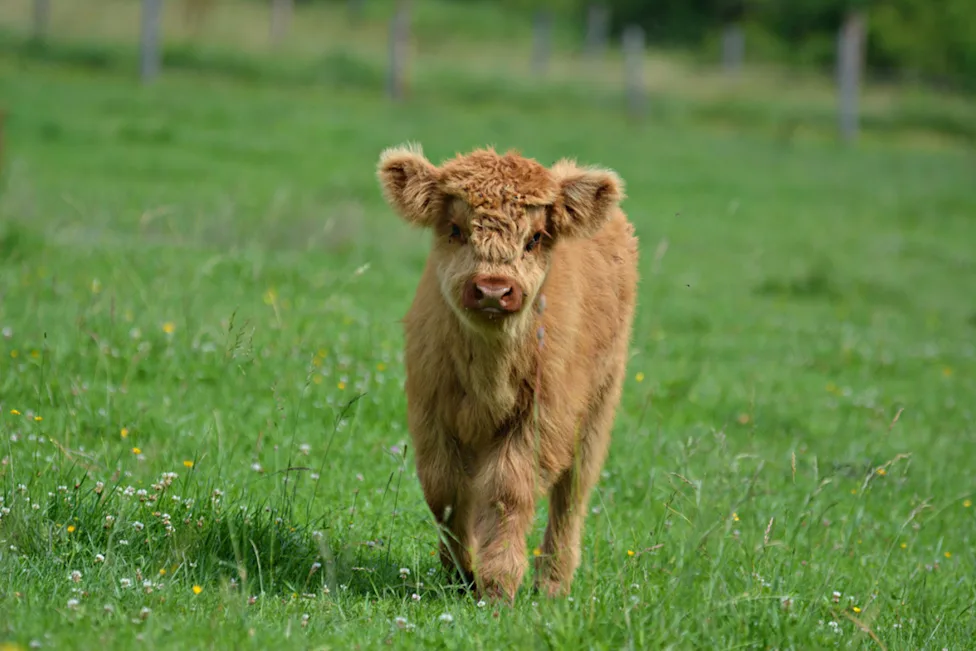
Highland cattle are famous for their breed hardiness.
Their thick double coat provides excellent cold protection during difficult weather. This natural protection makes Highlands suitable for some outdoor farming systems and extensive farming systems.
Still owners should not ignore shelter requirements. The right shelter depends on local conditions. Natural shelter may include trees and hedges and hills or other landscape features. These features can help protect animals from strong winds.
Some farmers also provide open-sided shelters or other appropriate livestock structures. Shelter needs change with the weather. In hot climates reliable shade becomes particularly important. Highland cattle have heavy coats and need protection during extreme heat and intense direct sunlight. Individual animals may need additional care too.
Calves and sick animals and older cattle may have different needs from healthy adults. A fully enclosed barn is not necessary for every Highland cattle operation.
However, every owner should have an extreme weather plan. You also need suitable facilities for illness and safe animal handling.
Do not focus only on whether you own a barn. Ask whether the animals have enough livestock protection for the actual weather conditions in your area. That is the foundation of responsible cattle care.
How Much Grass Does a Highland Cow Eat Per Day?
The daily grass intake of a Highland cow depends on several factors. These include body weight and age and pregnancy and milk production and forage quality. This is why one exact daily number does not work for every animal. Cattle feed intake is commonly calculated through dry matter rather than fresh grass weight.
The reason is simple.
Fresh pastures contain a large amount of water content. Two fields may appear to have similar amounts of grass while providing completely different levels of dry matter intake and nutrition.
A mature cow may consume a certain body weight percentage in dry matter each day. Actual intake changes with the animal diet and production stage. Simply looking at grass height can therefore create the wrong impression. Owners need to think about both forage quantity and forage quality. Highland cattle can use coarse forage effectively. Yet low-quality food may not contain enough energy and protein.
Different animals also have different needs.
Pregnant cows and growing calves and lactating cows may have higher nutritional requirements. During winter or drought the natural pasture production may fall. Owners may then need to provide hay and supplemental feed.
I always consider body condition one of the easiest warning signs for owners to monitor. Regular weight loss may indicate a problem even when plenty of vegetation appears to cover the property. Visible grass does not always equal sufficient nutrition.
Can Highland Cows Live on Poor Quality Pasture?
Yes. Highland cows can use poor-quality pasture more effectively than many people expect.
This is one of their most valuable breed characteristics. Highland cattle developed in difficult landscapes where they learned to use rough vegetation and browsing opportunities. This ability makes them suitable for certain low-input farming systems and extensive farming systems.
However there is a major difference between poor pasture and insufficient food. A wild field covered with green vegetation may look productive while providing very little useful nutrition. Owners need to determine the actual land production and amount of edible forage.
Seasonal changes can completely change the situation. A property may produce plenty of spring forage before providing almost nothing during winter or drought. Highland cattle may also work well in certain conservation grazing projects.
Their ability to eat varied vegetation allows carefully managed animals to influence vegetation structure and support specific habitat management goals. Still these projects require careful stocking. Excessive cattle numbers can cause land damage.
Insufficient cattle numbers may fail to achieve the desired vegetation management. The best approach is to match the herd size with the actual carrying capacity of the property through responsible stocking management.
Final Thoughts
Highland cow land requirements cannot be reduced to one fixed acreage number. Pasture quality and rainfall and soil and climate and the length of the grazing season can completely change the final acreage requirement.
Herd size matters too.
A general starting figure can help with early farm planning. Serious owners should eventually calculate stocking rates based on usable forage and local conditions. Highland cows are hardy animals.
They can use rough grazing land and coarse vegetation within suitable extensive farming systems. This makes them one of the more adaptable cattle breeds. Yet they still need sufficient food and clean water and secure fencing and extreme weather protection.
One acre may work as a managed living area when the owner provides supplemental feed. Several acres of poor land may still fail to provide enough cattle nutrition.
On the other hand, productive pasture combined with good grazing management can improve land efficiency. For me the most useful rule is simple. Stop thinking only about acreage. Look at usable forage production and cattle health and land health.
Good responsible ownership means matching the number of animals to the property’s carrying capacity. That approach supports better pasture management and healthier cattle and more sustainable grazing for years to come.