Jersey cows may be smaller than many popular dairy animals. Yet their milk has made them famous across the world. These cows produce rich milk with high levels of fat and protein. They also need less feed for body maintenance than a much larger dairy cow.
The breed began on the Island of Jersey in the English Channel. It later became a global dairy breed found in commercial dairies and pasture systems and family farms.
Many people notice only the brown coat and gentle face. The real story goes much deeper. These 15 amazing secrets cover milk quality and body size and feeding and climate tolerance and worldwide growth.
From a practical farm view the Jersey’s value is not based only on milk volume. Its true strength is how efficiently it turns feed into valuable milk solids.
1. Jersey Cow Origin and History
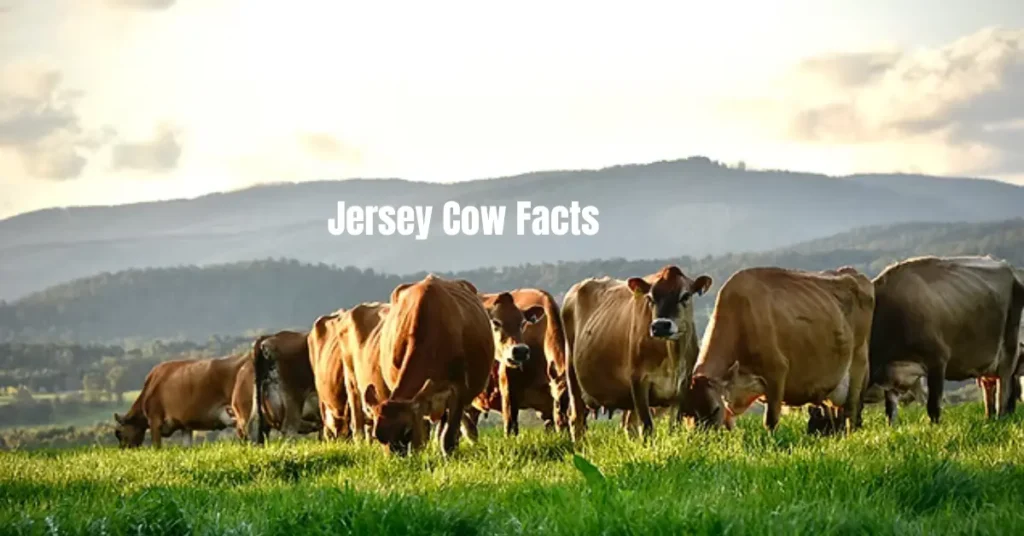
The Jersey cow origin begins on the small Island of Jersey near the French coast.
The breed is one of the oldest recognised dairy cattle breeds. Reports from 1771 already described cattle as an important part of island farming. By the early 1800s people praised these animals for their attractive appearance and rich milk.
Island farmers used careful selective breeding. They wanted cows that could turn local forage into high-fat milk while living on small farms.
The island introduced 1763 import laws that restricted outside livestock. These rules created a closed cattle population and protected the developing breed for more than two centuries.
The Royal Jersey Agricultural and Horticultural Society formed in 1833. It supported farming and encouraged better cattle selection.
The official Jersey Herd Book began in 1866. It recorded cow ancestry and bull ancestry and ownership information.
These pedigree records helped buyers identify genuine registered Jersey cattle. They also allowed farmers to study which bloodlines produced strong dairy cows.
In 2008 the island approved pure Jersey genetics from overseas populations. This helped improve production while preserved semen from historic Island bulls protected the original bloodlines.
The breed developed through geographic isolation and controlled breeding and careful record keeping. That strong foundation helped it become a famous dairy breed.
2. Jersey Cow Milk Butterfat Content
The high butterfat content is one of the most important Jersey cow facts.
Jersey herd milk often contains about 4.9 percent milkfat or more. Recent breed averages may reach around 5.0 percent fat. Standard pricing examples often compare this with milk containing close to 3.5 percent fat.
Butterfat gives milk its rich flavour. It also creates a smooth and creamy mouthfeel. This is why Jersey milk often tastes fuller than normal store-bought milk.
The fat level is useful for butter production and ice cream and cream-based products. Around 100 pounds of Jersey milk may produce close to 6.30 pounds of butter under common manufacturing calculations.
The exact percentage changes from cow to cow. Genetics play a large role. Diet and health and season and stage of lactation also affect the result.
A cow in early lactation may produce a different fat percentage from the same cow later in the year. Poor fibre intake can also reduce milkfat.
Commercial processing matters too. A dairy company may use cream removal to standardize the final product. A bottle labelled Jersey whole milk may therefore contain less fat than natural farm milk.
Consumers should check the nutrition label. Full-cream milk and standardized milk may not provide the same calories or texture.
3. Jersey Cow Milk Protein Levels
Jersey cow milk protein levels are another reason cheese makers value this breed. Jersey milk often contains around 3.8 percent protein. Recent market averages also place true protein near this level.
Milk protein includes casein and whey. Casein forms the solid curd during cheese making. Milk with more casein can usually produce more finished cheese from the same volume.
Manufacturing estimates suggest that 100 pounds of Jersey milk may produce around 13 pounds of Cheddar or about 17.1 pounds of mozzarella.
Protein also improves milk texture. It works with fat and other total solids to create thicker milk with a richer body.
Farmers cannot depend on breed genetics alone. A cow needs enough dietary energy and feed protein to maintain good protein production.
Poor nutrition may reduce both milk yield and milk components. Health problems may also change the quality of milk.
A balanced cow ration should support the rumen and provide enough energy. This helps the cow maintain useful fat and high protein concentration throughout lactation.
4. Jersey Cow Size and Weight
Jersey cow size and weight are smaller than those of most Holstein cows.
A mature cow commonly weighs between 800 and 1,200 pounds. A typical modern US Jersey may average close to 1,050 pounds.
Mature bulls are heavier. They may weigh between 1,200 and 1,800 pounds.
The Jersey is one of the smallest major European dairy breeds. Its smaller body brings clear farm advantages.
A Jersey needs less maintenance feed than a larger cow. It may also require less housing and transport space.
The breed is known for strong dairy efficiency. A good Jersey may produce more than 13 times its body weight in milk during one lactation.
A healthy animal should still have a deep body and strong dairy frame. Good feet and strong legs remain important because the cow must walk to water and feed and the milking area.
Farm equipment should match the size of the animals. Holstein-sized equipment may not fit smaller Jersey cows or calves correctly.
Stalls and headlocks and feeders need proper measurements. Good design improves cow comfort and reduces injury.
5. Jersey Cow Colors and Appearance
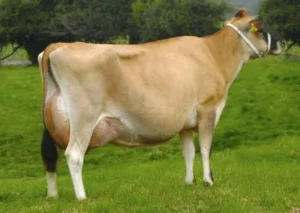
Jersey cow colors can range from pale grey to dark brown.
The most common shade is fawn or light brown. Some cows have a reddish brown coat. Others may appear almost black.
Dark colour often appears on the head and shoulders and hips. Many Jerseys have dark eyes and a black nose with a light muzzle band.
Their large eyes often create a soft yet alert expression.
A typical Jersey has a refined head and a long straight topline. It also has a deep barrel for its size.
The body shows clear dairy conformation rather than the heavy muscle of a beef cow.
Some Jerseys have white markings. Coat shade does not decide milk production or breed purity.
A brown cow is not automatically a pure Jersey. Registered cattle are identified through pedigree records and accepted ancestry information.
Breeders usually care more about udder quality and feet and body structure than one exact coat colour.
6. Jersey Cow Temperament
Jersey cow temperament is often described as alert and responsive.
Many cows become calm under quiet stockmanship and consistent daily care. They may quickly learn the feeding and milking routine.
Some Jerseys can be more nervous than heavier dairy breeds. Sudden noise or rough handling may increase stress. Early handling has a strong effect on cattle behaviour. Housing conditions and previous experiences and pain also shape temperament.
Handlers should move slowly. Shouting and chasing may make cows harder to manage.
A calm routine supports stress reduction and safer handling. Jersey bulls need special caution. A hand-raised bull may look friendly when young. This does not make it safe as an adult.
Mature bulls can cause severe injury. Farmers should use secure facilities and never treat a bull as a pet.
7. Jersey Cow Lifespan
Jersey cow lifespan can mean natural life or productive life.
A well-cared-for cow may have a natural lifespan close to 20 years. Most commercial dairy cows leave the herd much earlier. The productive lifespan begins after first calving. It ends when the cow leaves the milking herd.
Common removal reasons include infertility and mastitis and injury and low milk production. Poor feet or udder problems may also shorten herd life. Jerseys have a reputation for productive longevity. Some breed comparisons have reported around 18 percent longer productive life than other dairy cattle in the study.
This does not mean every Jersey lives longer. Good fertility and correct nutrition and a healthy udder still matter. A cow with strong feet and good health can complete more lactations. More lactations spread the cost of raising the heifer across a longer period.
Longer herd life may reduce replacement costs and increase lifetime milk production.
8. Jersey Cow Daily Milk Production
Jersey cow daily milk production changes during the lactation cycle.
Milk output normally rises after calving. It reaches a peak and then slowly falls as the cow moves toward the dry period. A recent standardized lactation average for tested Jerseys was around 20,711 pounds of milk over a standard 305-day lactation.
This equals roughly 68 pounds per day or around 31 kilograms per day when spread across the full lactation. This is only an average. A fresh cow may produce more. A late-lactation cow may produce much less.
Other research systems have reported figures closer to 20.9 kilograms per day. This shows how strongly farm conditions can affect output. Daily milk depends on cow age and genetics and feed quality. Comfort and udder health and heat stress also matter.
First-lactation heifers usually give less milk than mature cows. Jerseys normally produce lower milk volume than Holsteins. Their advantage is the higher concentration of fat and protein.
9. Jersey Cow Feeding Requirements
Jersey cow feeding requirements depend on growth and pregnancy and milk production.
Every cow needs water and dietary energy and protein and vitamins and minerals. Common feeds include pasture and hay and silage. High-producing cows may also need grain or other concentrates.
A ration should match the cow’s body condition and milk output. Poor feeding may cause weight loss and lower production. Jerseys usually eat less total feed than Holsteins because of their smaller body size. Yet they still need enough dry matter intake to support high-component milk. A small cow can still have high nutritional demands during lactation.
Clean water is essential. Milk contains a large amount of water. A lactating cow’s intake increases during warm weather and high production.
Farmers should provide suitable cattle minerals based on local forage conditions. Sudden changes in grain or forage can disturb rumen function. New feed should be introduced gradually. A livestock nutritionist can help build a balanced ration and prevent nutrient deficiencies or overfeeding.
10. Jersey Cow Calving Ability
Jersey cow calving ability is often considered a breed advantage.
Jersey calves are usually smaller than Holstein calves. This can lower the physical demand of birth. The breed often shows good reproductive traits such as age at first calving and calving interval and days open.
Still no breed is free from difficult calving. A Jersey heifer may experience dystocia because of an oversized calf or twins or an abnormal position. The sire affects calf size. Farmers should check calving-ease data before breeding young heifers.
Cows should be watched near the expected calving date. A clean calving area supports cow and calf health. Veterinary help may be needed when labour does not progress. Fast action can improve calf survival and protect the cow.
11. Jersey Cow Heat Tolerance
Jersey cow heat tolerance is often better than that of larger European dairy breeds.
A smaller animal usually carries less total body heat. This may help Jerseys in warm climates. However they can still experience heat stress. High humidity makes natural cooling more difficult.
Mild stress may begin close to 72°F with 50 percent humidity. High-producing cows can feel stress at lower temperatures. Signs include fast breathing and reduced feed intake. Cows may spend more time standing.
Severe cases may involve open-mouth breathing and weakness. Farmers should provide shade and clean water and good ventilation. Fans and sprinklers may be useful in hot dairy systems. Heat stress may reduce milk production and fertility. It can also affect late-pregnancy cows and later calf performance.
12. Jersey Cow Cold Weather Tolerance
Jersey cow cold weather tolerance depends on coat condition and feed and shelter.
A cow with a clean and dry heavy coat may tolerate temperatures below 18°F or about minus 8°C before cold stress begins. This is a general cattle guideline. It is not a fixed safe temperature for every cow.
A thin cow has fewer energy reserves. Young Jersey calves also lose body heat faster because of their small size. A wet coat loses much of its insulation. Wind and freezing rain can therefore create more danger than dry cold. Cows need wind shelter and deep clean bedding. They also need enough feed to meet their higher energy needs.
Frozen troughs may cause reduced water intake. This can also reduce feed intake and milk output. Good winter management focuses on dry shelter and fresh water and body condition.
13. Jersey Cow vs Holstein Cow
The Jersey cow vs Holstein cow comparison depends on farm goals. A Holstein is much larger and normally produces more total milk. A Jersey produces less liquid volume but richer milk.
Jersey milk may contain around 4.9 percent fat and 3.8 percent protein. Typical Holstein milk may contain near 3.7 percent fat and 3.0 percent protein.
A Jersey also needs lower maintenance feed because of its smaller body. Holstein milk is usually whiter. Jersey milk may have a cream or golden shade. Jerseys often show better heat tolerance. Holsteins may have an advantage when the farm earns mainly from milk quantity.
A Jersey may suit farms paid strongly for fat pricing and protein pricing. It may also suit cheese and butter processors. The best breed depends on feed prices and climate and farm facilities and the milk payment system.
14. Jersey Cow Farming Benefits
There are several important Jersey cow farming benefits. The first is feed efficiency. A smaller cow uses fewer resources for body maintenance.
The second is high-value milk. Farms may earn more when buyers pay for butterfat and protein. Jerseys also work well in grazing systems. Their lighter weight may cause less pasture damage than a larger cow.
Their smaller size can support easier handling and transport efficiency. Good fertility and a potentially longer productive life may reduce replacement costs. Jersey milk is valuable for cheese and butter and ice cream and yogurt. These products benefit from concentrated milk solids.
The breed also works in crossbreeding programmes. Farmers may combine Jersey fertility and milk components with traits from another dairy breed. The farming benefit depends on good management. Overcrowding and poor feeding can remove many of these advantages.
15. Jersey Cow Population Worldwide
The Jersey cow population worldwide extends far beyond the Channel Islands.
A major genetic study reported the breed in at least 82 countries.
Important populations exist in the United States and Canada and Denmark and the United Kingdom. The breed is also common in Australia and New Zealand and South Africa.
The United States recently had an estimated 1.8 million Jersey cows. They represented about 14.2 percent of US dairy cows.
Different national groups are not identical. Island Jerseys and American Jerseys and Danish Jerseys faced different breeding goals. Modern genetics move through semen trade and embryo trade. One high-ranking bull may influence herds across several countries.
Recent US records included tens of thousands of cattle registrations and more than one million genotyped cattle contributing to dairy genetic evaluations. This international system creates faster genetic improvement. It also makes genetic diversity important because overusing a few bulls can increase inbreeding.
Jerseys now work in pasture-based farms and large commercial systems. Their adaptability and rich milk explain their continued worldwide growth.
Final Thought
These Jersey cow facts show why the breed remains important.
Jerseys combine a smaller body with useful dairy production. Their milk often contains close to 5 percent fat and 3.8 percent true protein.
They may require less body-maintenance feed than larger cows. Their milk also supports good cheese yield and butter yield.
The breed offers fertility and climate adaptability and possible productive-life advantages. Yet every Jersey still needs balanced feeding and clean water and good health care.
The Jersey’s success began with careful selection on one small Channel Island. Today it works in dairy systems across the world because milk quality can be just as valuable as milk volume.