Mini Highland Cow Height and Weight by Age
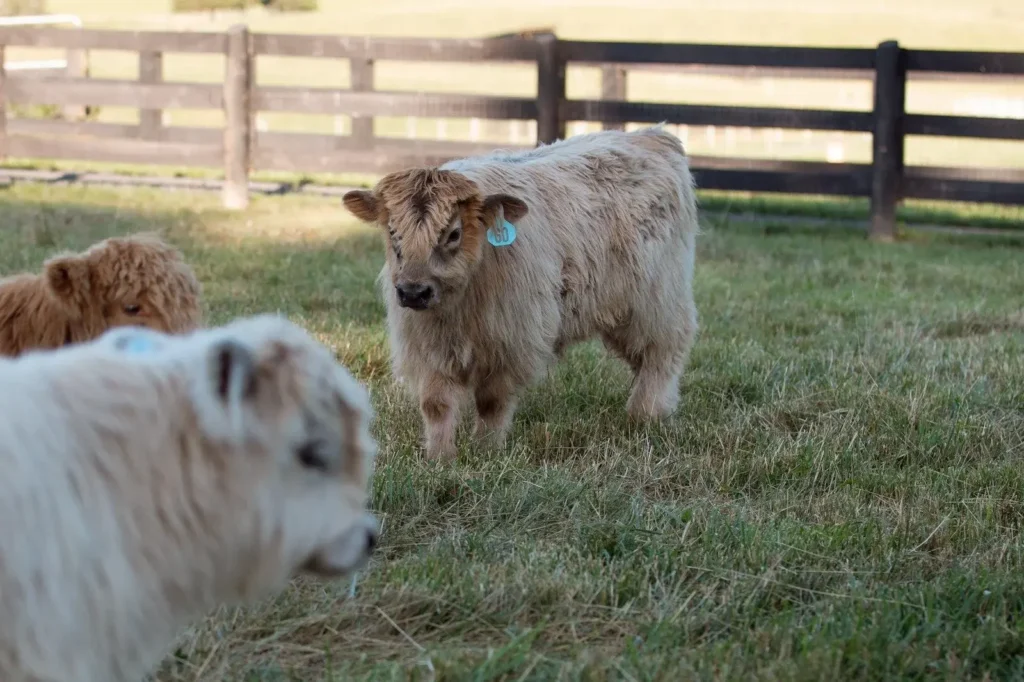
Mini Highland calves do not stay tiny for long. They grow fast during the first year. Their legs and basic frame develop first. The chest and body depth become more noticeable later.
A newborn Mini Highland may look like a small fluffy pet. By the time it becomes an adult it can weigh several hundred pounds. Even a short cow needs strong fencing and proper cattle-handling equipment.
There is no perfect age-by-age weight chart for every Mini Highland bloodline. Genetics and feed can cause large differences. The following growth chart gives practical planning ranges.
| Age | Estimated Height | Estimated Weight | Common Development |
| Newborn | 20 to 26 inches | 35 to 60 pounds | Small frame and soft calf coat |
| 3 months | 24 to 30 inches | 90 to 150 pounds | Fast growth from milk |
| 6 months | 28 to 34 inches | 150 to 250 pounds | Longer body and stronger rumen |
| 12 months | 32 to 38 inches | 250 to 400 pounds | Clear leg growth |
| 18 months | 34 to 40 inches | 325 to 500 pounds | Height growth begins slowing |
| 24 months | 35 to 42 inches | 400 to 600 pounds | More chest depth and muscle |
| 3 years | 36 to 42 inches | 450 to 700 pounds | Most females reach adult height |
| 4 to 5 years | Little height change | 500 to 750 pounds | Mature body continues filling out |
Male calves often grow faster than females. Bulls develop thicker necks and heavier shoulders. A steer is a castrated male. It may become heavier than a cow but it usually does not develop the same strong front end as a mature bull.
A yearling may look tall and narrow. This does not always mean it is underweight. Young cattle often grow upward before they grow wider.
Why Age-Based Sizes Vary
Genetics sets the natural size of a Mini Highland. Feed and health decide how well the calf reaches that size.
A spring calf raised on rich pasture may gain weight faster than a winter calf eating stored hay. Climate also matters. Cold weather raises energy needs. Hot weather can lower feed intake.
The mother’s milk supply has a large effect during the first few months. A calf from a heavy-milking cow may grow faster than one from a cow with less milk.
Parasites and repeated sickness can cause slow growth. A calf may come from large parents but still remain small when it faces poor health.
Birth dates also create confusion. Two calves called six months old may differ by several weeks. That difference can be easy to notice during fast early growth.
Record height and weight every few months. A steady growth pattern matters more than one single measurement.
Height and Weight Are Not the Same
Two Mini Highlands can have the same height but very different weights.
One 40-inch Mini Highland may weigh 480 pounds. Another may weigh 680 pounds. The heavier cow may have denser bones and more muscle. It may also have a deeper chest and wider body.
The Highland coat makes visual weight estimates difficult. Long hair can hide ribs and hip bones. It can also make a narrow animal look healthy and well-fed.
A livestock scale gives the best result. A cattle weight tape can also provide a useful estimate.
Place the tape around the heart girth behind the front legs. Use the same position every time. This makes each growth comparison more reliable.
Newborn Mini Highland Calf Size and Birth Weight
A newborn Mini Highland calf often weighs 35 to 60 pounds.
Calves from very small bloodlines may weigh less. Fullblood calves from larger parents may weigh close to 60 or 70 pounds.
Birth weight depends on several things. The dam’s age and size play an important role. First-calf heifers often produce smaller calves than mature cows.
Bull genetics can also affect birth weight. Calf sex and pregnancy length matter too. The cow’s nutrition during pregnancy can change the calf’s development.
A low birth weight may support an easier delivery. Still an extremely small calf may be weak. It may struggle to stand or nurse. It may also have trouble keeping a normal body temperature.
Signs of a Healthy Newborn Calf
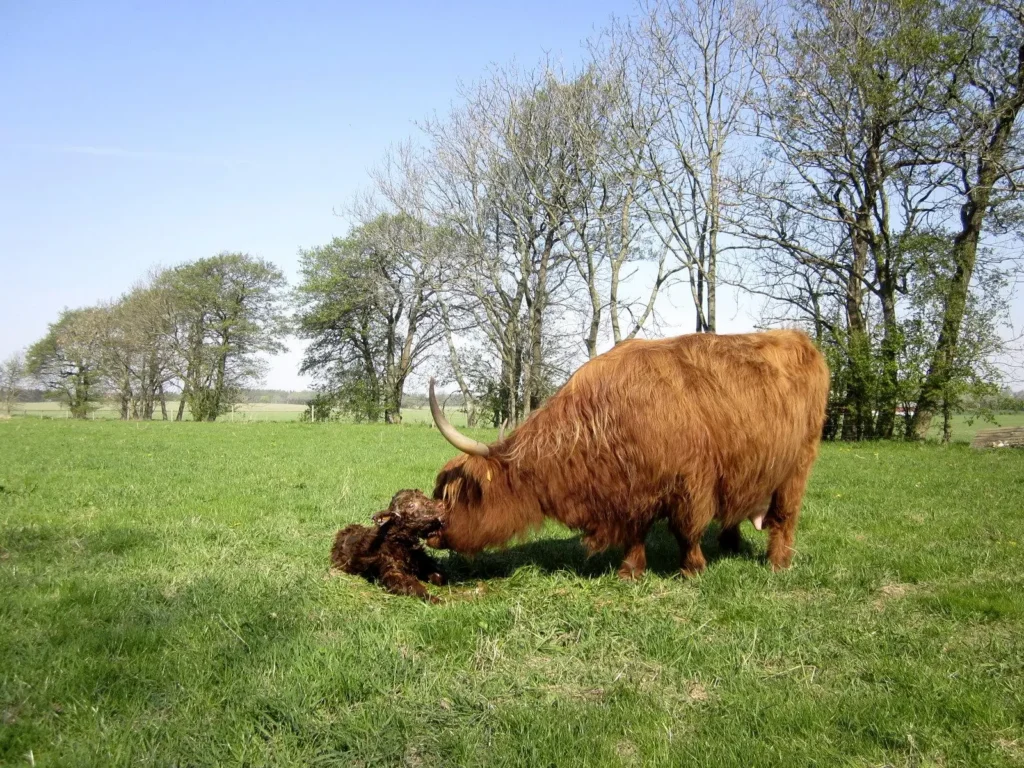
A healthy calf should begin breathing normally soon after delivery. It should lift its head and move its legs. Most healthy calves will try to stand within a short time.
The calf needs colostrum as soon as possible. Colostrum is the first milk produced by the cow. It provides energy and antibodies.
A wet newborn can become cold very quickly. Freezing rain and strong wind make the risk higher. The thick Highland coat helps but it cannot protect a weak calf from every type of bad weather.
Provide a clean dry area. A simple windbreak can protect the calf from direct wind.
Watch the mother as well. Make sure she accepts the calf. Check that the calf can reach the udder and that milk flows from both sides.
A calf that remains cold or unable to nurse needs quick attention. Contact a veterinarian or an experienced cattle keeper.
Can Birth Weight Predict Adult Size?
Birth weight does not tell you exactly how large a calf will become.
A light calf may show catch-up growth when it receives good milk and feed. A heavier calf may grow more slowly later because it carries small-frame genetics.
The mature size of the parents gives a better clue. Grandparents and older full siblings can also help predict adult size.
A responsible breeder should keep records from several generations. These records can provide a fair expected size range.
Be careful when a seller offers an exact height guarantee. Natural growth always includes variation. No breeder can fully control the final adult height of every newborn calf.
Adult Female Mini Highland Cow Size
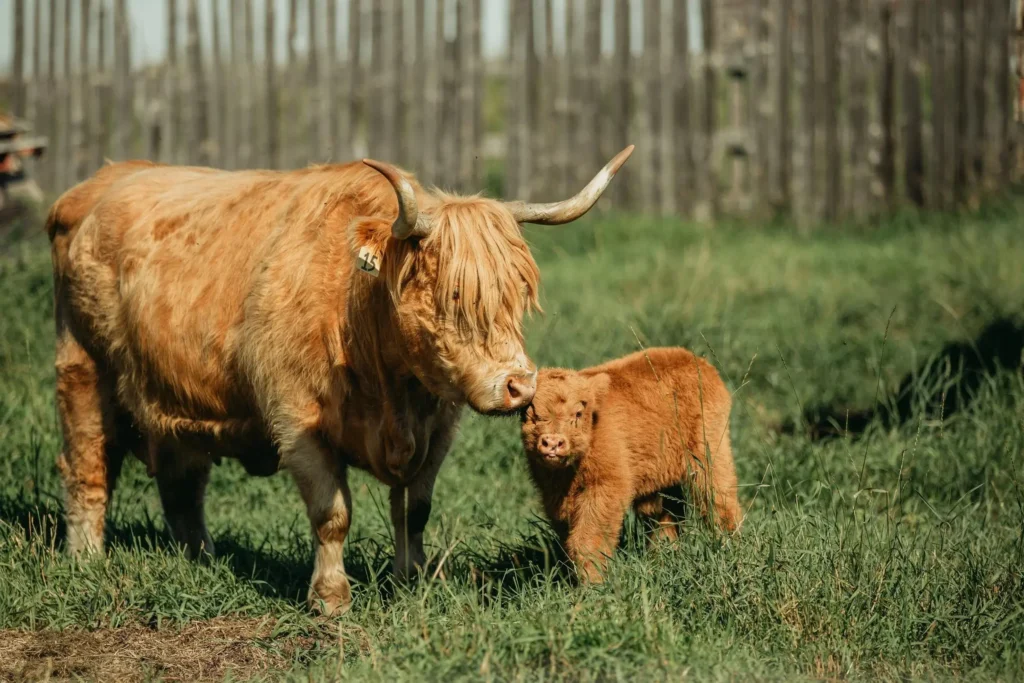
Most mature Mini Highland females stand 36 to 42 inches at the top of the back.
Many adult females weigh 450 to 700 pounds. A wide cow with heavy bones may weigh more without becoming taller.
A young female that has not produced a calf is called a heifer. A female that has calved is called a cow.
A Mini Highland heifer may reach most of her height by two or three years old. Her chest and abdomen may continue getting deeper until age four or later.
This is why a two-year-old heifer can stand nearly as tall as her mother but still weigh much less.
Pregnancy and Nursing Affect Weight
Pregnancy adds weight as the calf grows. Fluids and reproductive tissues also add to the scale weight.
A cow may look much heavier near calving even when she has not gained much body fat.
After birth the cow loses weight quickly. Milk production then raises her need for energy and protein.
A nursing cow may become thin when pasture or hay does not meet her needs. This often happens during drought or cold weather. It can also happen when grass growth is poor.
Use body condition along with weight. Feel the ribs and backbone. Check the hips and tail head.
Sharp bones can show a thin body condition. Heavy fat around the brisket or tail head may show an overconditioned cow.
The long coat can hide both problems. Touch gives a better result than sight alone.
When Should a Mini Highland Heifer Be Bred?
Do not breed a Mini Highland heifer only because she has reached a certain age.
She needs enough body weight and strength to carry a calf. She also needs a healthy body condition.
Early breeding can place too much pressure on a small heifer. It can affect future growth and raise the risk of calving trouble.
Choose a bull with good calving-ease traits. Do not breed a small heifer to a large bull known for producing heavy calves.
The heifer should have healthy feet and strong legs. She should walk with normal movement and have a balanced body.
A veterinarian can check breeding animals before the breeding season. This is useful for first-time owners.
Adult Mini Highland Bull Height and Weight
Adult Mini Highland bulls often stand 38 to 44 inches tall. Some miniature cattle standards place bulls over 42 inches in the midsize category.
Many mature bulls weigh 650 to 1,000 pounds. A thick bull with heavy muscle may weigh more. A bull may reach most of his height by age three. His shoulders and neck may continue growing until four or five years old.
Some bulls remain compact. Others become taller because larger cattle appear farther back in the family line. Ask about the bull’s parents and grandparents. Older offspring can also show what size the bull may produce.
Mini Highland Bulls Are Still Dangerous
A 700-pound bull can badly injure a person.
Small height does not remove the danger. A bull can charge or push. It can swing its horns or trap a person against a fence.
Bottle-raised bulls can become risky after puberty. A friendly calf may lose its fear of humans. It may begin treating people like other cattle and start challenging them. Use strong fencing and secure gates. Build a handling area that gives the animal enough space to move.
Never enter a small pen with a mature bull without a safe exit.
A calm history is not a complete safety plan. Bull behavior can change during breeding season or around cows. Children should never enter a bull pasture. Visitors should remain outside the fence.
Choosing a Good Breeding Bull
A breeding bull needs more than an attractive coat and short height.
Check the feet and legs. Watch the bull walk. Avoid animals with stiffness or poor movement.
The bull should have a balanced body. Extreme shortness or an odd shape may point to a health or genetic problem. Ask for parent height and parent weight. Request pedigree records and parentage records when available.
Confirm whether the animal is a fullblood Highland or a crossbred animal. Both can have value. The seller should explain the background honestly. Some small cattle bloodlines may carry inherited dwarfism conditions. Genetic testing can help identify these problems.
A veterinarian or cattle genetic service can explain which tests may be useful.
Mini Highland Cow Growth Rate and Stages
Mini Highlands often mature more slowly than large commercial beef cattle.
Calves first develop bones and organs. They also build their basic frame. Muscle and fat become more noticeable later.
Some owners use too much grain because they want a young calf to look round. This may add body fat too early. It does not always support balanced frame development.
Stage One: Birth to Six Months
Milk provides most of the calf’s early nutrition.
The calf also starts eating hay and pasture. It may try minerals and starter feed. These foods help the rumen develop. Clean water is important even when the calf drinks milk. Water supports solid feed intake and rumen development.
Growth depends on the mother’s milk supply and the calf’s health.
Scours and pneumonia can reduce weight gain. Parasites and poor colostrum intake can also slow development. Before weaning make sure the calf eats forage or calf feed every day. A calf that depends almost fully on milk may lose weight after separation.
Stage Two: Six to Twelve Months
Weaning can cause stress.
The calf loses milk and may face transport or a new pasture. It may also receive new feed and meet unfamiliar cattle. Try not to make every change on the same day. Keep familiar feed available. Place clean water near the resting area.
The calf should build frame and muscle during this stage. High-quality pasture may provide enough nutrition. Poor hay may need a protein or energy supplement.
A livestock nutritionist can help create a safe plan. Increase grain slowly. A sudden grain increase can cause digestive trouble. It may lead to bloat or acidosis.
Stage Three: One to Three Years
Yearlings continue gaining height and length. Their chest depth and muscle also increase.
Height growth begins slowing as the animal approaches three years old. A two-year-old may still add one or two inches.
That small change can move an animal from the miniature category into the midsize category.
Females may enter a breeding program during this stage. They still need nutrients for their own growth. Pregnancy and future milk production add more nutritional needs.
Bulls become thicker through the shoulders and neck. Steers continue growing but usually do not develop the same heavy front end.
Stage Four: Three to Five Years
Most Mini Highlands reach adult height near three years old.
Their final size classification becomes more reliable at this stage.
The body may continue gaining chest depth and muscle. Bulls may add more neck and shoulder muscle until they are five years old.
Mature cows may gain or lose weight because of pregnancy and nursing. Winter feed and seasonal pasture quality also affect body weight.
Horn growth continues too. Mature cattle need enough turning space near gates and feeders. Trailers and handling equipment should also allow room for long horns.
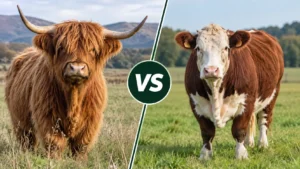
Mini Highland Cow vs Standard Highland Cow Size
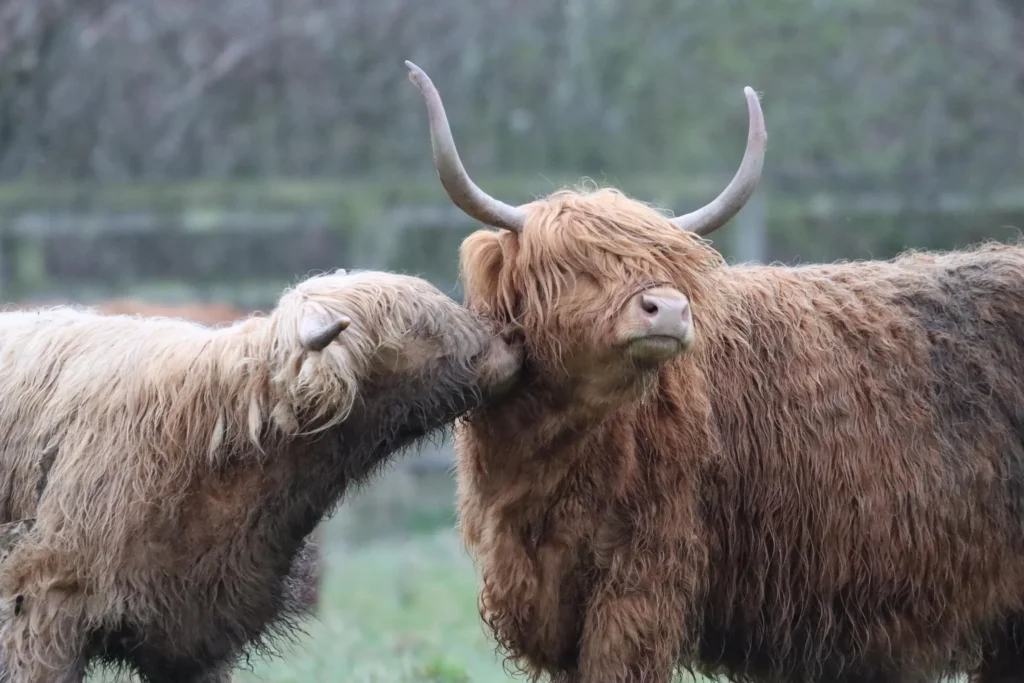
Mini Highland cattle and standard Highland cattle share many features.
Both have long horns and a broad forehead. They also have a thick double coat and a long fringe over the eyes.
The main difference is the mature frame and total body mass.
| Feature | Mini Highland | Standard Highland |
| Female height | 36 to 42 inches | Often above 42 inches |
| Female weight | 450 to 700 pounds | 900 to 1,200 pounds |
| Bull height | 38 to 44 inches | Often above 48 inches |
| Bull weight | 650 to 1,000 pounds | 1,500 to 1,800 pounds |
| Birth weight | 35 to 60 pounds | 60 to 70 pounds |
| Final size check | Around 3 years | Develops over several years |
| Feed use | Lower | Higher |
| Handling risk | Serious | Higher due to larger body mass |
There may be some size overlap. A large Mini Highland can stand close to a small standard Highland.
Weight alone does not decide the category. Height and age also matter. Pedigree and body type provide more useful information.
Is a Mini Highland a Separate Breed?
A Mini Highland is not always a separate breed. Some Mini Highlands come from fullblood Highland families. Breeders select shorter animals over many generations.
Other Mini Highlands are crossbred cattle. Their bloodlines may include Dexter or Lowline Angus. Some may include Belted Galloway or other small cattle breeds. A crossbred animal can be healthy and useful. The problem begins when a seller hides the cross and claims the animal is fullblood.
Ask for registration papers when breed purity matters.
DNA parentage testing may help confirm the listed sire and dam.
Look at mature photos and adult measurements. Make sure the height measurements were taken after the animal reached adulthood. Words such as teacup and pocket cow are often marketing terms. Micro-mini is also used loosely. These names do not replace real measurements.
Do Mini Highlands Need Less Land?
A smaller cow normally eats less feed than a standard cow.
This does not mean one Mini Highland can live on a small acre without careful management. Stocking rate depends on soil and rainfall. Grass quality also matters.
A wet area with rich grass may support more cattle than a dry region with thin grass. Mini Highlands can still overgraze a small pasture. Bare ground can lead to mud and weeds. It can also cause erosion and higher parasite pressure.
Plan for hay during winter and drought. Extra feed may also be needed when grass growth slows. Provide clean water and minerals. Cattle also need shade and secure fencing. A dry resting area helps during wet weather.
Factors That Affect Mini Highland Cow Weight
Adult weight depends on genetics and parent size. Sex and age also matter.
The sire and dam give the best starting point. The full pedigree can reveal larger cattle from earlier generations.
Bulls usually become heavier than cows. Steers often fall between them. The cow’s milk supply affects pre-weaning growth. A calf may gain faster when the dam produces plenty of milk.
Forage quality plays a large role. Good hay and pasture support steady growth. Growing cattle also need protein and energy. Minerals and clean water support normal body function.
Disease can lower appetite. Parasites can reduce nutrient use. Feed deficiencies can limit muscle development. Climate affects weight too. Cold weather raises energy needs. Heat may reduce feed intake. Pregnancy and nursing can change a cow’s weight and body condition.
Genetics Set the Natural Range
Genetics creates the animal’s frame size and growth potential.
Good feed helps an animal reach its natural size. It cannot turn a truly small-framed animal into a standard-size Highland.
Poor nutrition may stunt a calf. A stunted animal is not the same as a healthy miniature animal.
Avoid underfed calves and sick calves. Also be careful when a calf may be younger than the seller claims.
Ask for the date of birth and veterinary records. Request parent measurements.
Compare the calf with other calves of a similar age. Look for bright eyes and normal breathing. The calf should move cleanly and show a healthy appetite.
Nutrition Supports Healthy Growth
Cattle nutrient needs change with age and weight.
Sex and weather also affect the feeding plan. Pregnancy and milk production raise nutrient needs.
A growing calf needs quality forage and enough protein.
A nursing cow needs more energy than a dry cow. A breeding bull may lose weight during the breeding season.
Hay testing can show the real nutrient value. Green hay can still have a low protein level or weak energy level.
A cattle nutritionist can build a balanced feeding program. A veterinarian or extension agent may also help.
Make feed changes slowly. The rumen needs time to adjust to grain or lush pasture. It also needs time to adjust to a different hay type.
Health Problems Can Remain Hidden
The Highland coat can hide weight loss and visible ribs. It may also hide skin problems and swelling.
Owners should use touch as well as sight.
Internal parasites can cause poor appetite and slower growth.
External parasites such as lice may cause rubbing and irritation. Long-term irritation can lead to poor body condition.
Dental problems can reduce feed intake in older animals. Track weight and appetite. Watch manure and coat condition. Check movement as well.
A sudden change may show a health problem. Use medication according to veterinary advice. Give the dose based on the correct weight. Underdosing may cause treatment failure. Overdosing can create safety risks and waste medicine.
How to Measure a Mini Highland Correctly
Accurate records help buyers and breeders.
A photograph beside a person does not provide a reliable measurement.
Use the following method:
- Place the animal on firm and level ground.
- Let it stand evenly on all four feet.
- Find the top line near the base of the tail.
- Use a livestock measuring stick or T-square.
- Press down the long hair before measuring.
- Record the height and weight.
- Write down the date and animal age.
- Repeat the measurement near three years old.
Use the same measurement point each time. Changing the point can add or remove inches.
A livestock scale gives the best weight.
A cattle weight tape can support growth tracking. It still provides only a weight estimate.
The animal’s body shape and coat can affect reading accuracy.
Buying a Mini Highland Based on Size
A small fluffy calf may become much larger than a buyer expects.
Good purchase questions reduce this risk.
Ask for the calf’s date of birth and current height. Request the current weight and breed makeup.
Check health records and weaning status.
Ask for mature parent measurements. Find out when and how they were taken. The animal should stand on level ground during measurement. The coat should be pressed down. Measuring to the top of the hair gives a false result.
Do not buy an unweaned calf without the right knowledge and supplies. Young calves may need milk and careful feeding. They also need shelter and clean bedding. Regular health checks are important.
Prepare fencing before the calf arrives. Mini Highlands can push weak wire and light panels. Horned cattle need safe feeder openings. They also need enough turning room. Cattle need companionship. A single Mini Highland should not spend its life alone in a small yard.
Final Thought
Most Mini Highland cows reach 36 to 42 inches at the top of the back.
Mature females often weigh 450 to 700 pounds. Bulls may weigh 650 to 1,000 pounds.
A newborn Mini Highland calf usually weighs 35 to 60 pounds. Birth size does not guarantee adult size. Parent measurements and pedigree provide better clues. Sex and health also affect future growth. Nutrition plays a major role.
Mini Highlands may continue growing until three years old. Their bodies can keep filling out until four or five years old. Do not choose a calf only because it looks cute in a photo. Do not trust a marketing label without real measurements.
Look for honest records and balanced growth. Choose an animal with sound health.
Mini Highlands use less total feed than standard Highlands. They are still strong farm animals. They need pasture or hay and clean water. They also need minerals and strong fencing. Proper handling equipment and veterinary care are important.
A healthy Mini Highland can fit a small farm. Its mature size should match the available land and the owner’s farming goals.