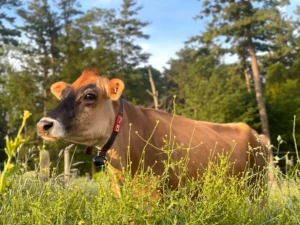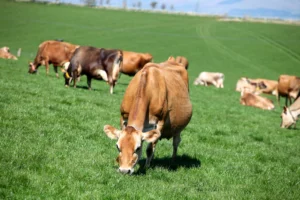
Jersey cows are famous for their soft brown coats, large dark eyes, black noses, and rich milk. Still, not every Jersey cow has the same color. Some look pale cream or light gray. Others have a golden fawn, reddish brown, deep chocolate, or almost black coat.
This wide color range can confuse new cattle owners. A person may see a dark Jersey and think it belongs to another breed. White spots can cause even more questions. People may also wonder why a light-colored cow has such a dark nose, hooves, eyes, and tail.
Coat color mostly comes from genetics. Age, sunlight, season, health, and sex can also change how the coat looks. A newborn calf may not keep the exact same shade as an adult. Bulls often become darker around the head, neck, and shoulders as they mature.
Color can help identify a Jersey, but it should never be the only test. Body shape, pedigree, registration records, milk traits, and other breed features matter too.
This guide explains the main Jersey cow colors, white markings, black noses, coat changes, and the basic genetics behind these beautiful shades.
Quick Guide to Jersey Cow Colors
| Jersey color or feature | What it usually looks like | Important detail |
| Light gray | Pale gray, silver, or mouse-colored coat | It may look cream under bright sunlight |
| Light fawn | Soft tan or sandy brown | One of the most common Jersey shades |
| Golden fawn | Warm honey or golden-brown color | Often darker around the face and legs |
| Red-brown | Rich reddish or copper-brown coat | The shade may deepen with age |
| Dark brown | Chocolate or coffee-colored coat | Common in mature bulls and some cows |
| Mulberry | Very dark brown that looks almost black | It is not always true solid black |
| Broken color | Fawn or brown coat with white patches | The amount and position of white can vary |
| Dark muzzle | Black or very dark nose area | A lighter ring often surrounds the muzzle |
| Dark points | Dark hooves, tail switch, eyes, and skin | These features are common in the breed |
Jersey cattle can range from very light gray or pale fawn to very dark brown and a shade sometimes called mulberry. Mulberry is so dark that it may look black from a distance. White markings can also appear on otherwise typical Jersey cattle.
What Colors Do Jersey Cows Come In?
Most people picture a Jersey cow with a light brown coat. That image is correct, but it shows only one part of the breed’s color range.
Jerseys can appear in many shades of fawn and brown. Some cows look nearly cream. Others have darker coats that resemble coffee, chocolate, or dull black. These colors may be solid or mixed with white markings.
Light Gray and Mouse Color
The palest Jersey cattle may have a light gray coat. Some farmers call this shade mouse color because it has a soft gray-brown appearance.
A pale gray Jersey may look almost white under strong sunlight. When viewed in shade, the brown or gray tone becomes easier to see. The nose, hooves, eyes, and tail switch often remain dark, which creates a clear contrast.
Light gray is a natural Jersey color. It does not automatically mean the animal is old, sick, or mixed with another breed.
Cream and Pale Fawn
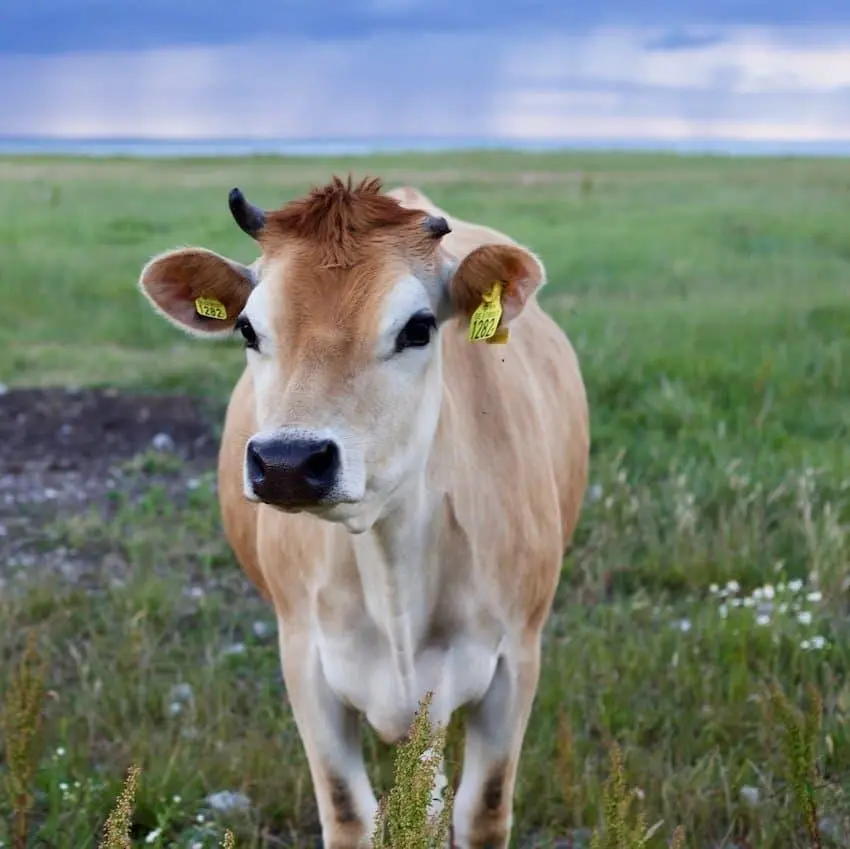
Cream-colored Jerseys have a warm pale coat. Their color may resemble dry grass, light sand, or weak tea.
The hair around the belly, inner legs, udder, and muzzle may look lighter than the rest of the body. Some calves are born with a pale coat and become more golden as they grow.
A cream Jersey can still have a black nose and dark hooves. These dark points are common breed features.
Golden and Honey Fawn
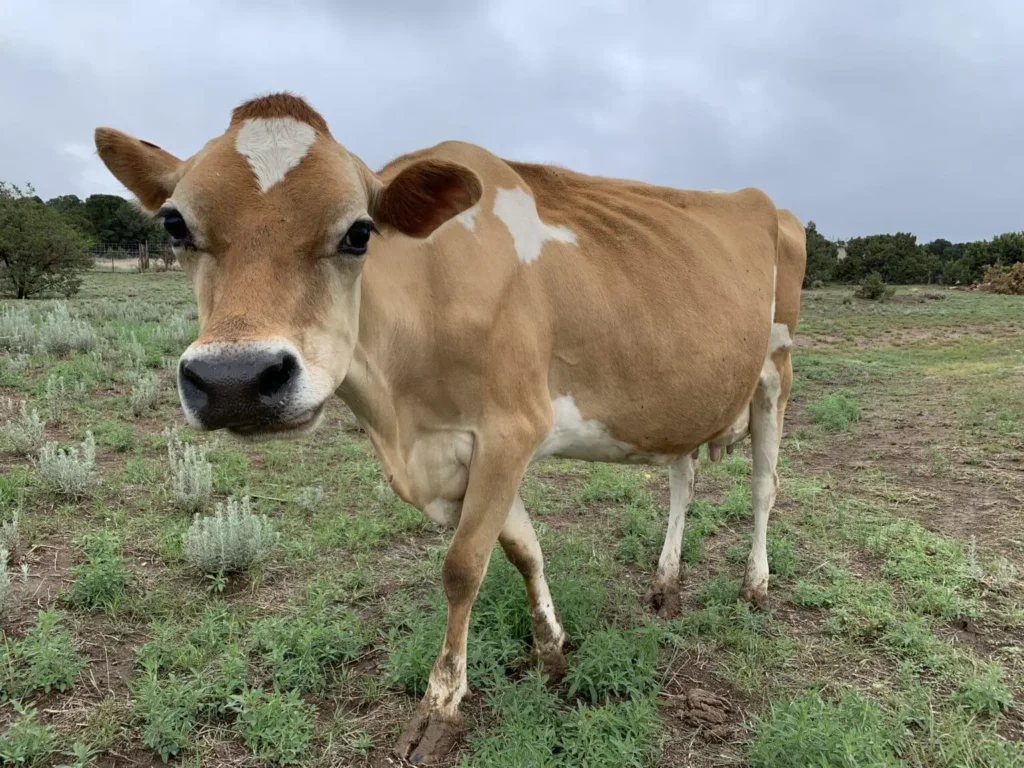
Golden fawn is one of the best-known Jersey colors. It gives the animal a warm honey-brown look.
The body may stay fairly even in color, while the face, neck, hips, and legs look slightly darker. A dark line may also run along the top of the back.
Sunlight makes golden coats shine. This is one reason Jersey cows often look brighter in pasture photos than they do inside a barn.
Red and Copper Brown
Some Jerseys carry a stronger red tone. Their coats may look rusty, copper, reddish brown, or chestnut.
This shade can become darker during winter when the coat grows longer and thicker. In summer, shedding and sun exposure may make the same animal look lighter.
Red-brown Jerseys are still part of the normal color range. Coat shade alone does not change the cow’s milk quality or breed identity.
Chocolate and Dark Brown
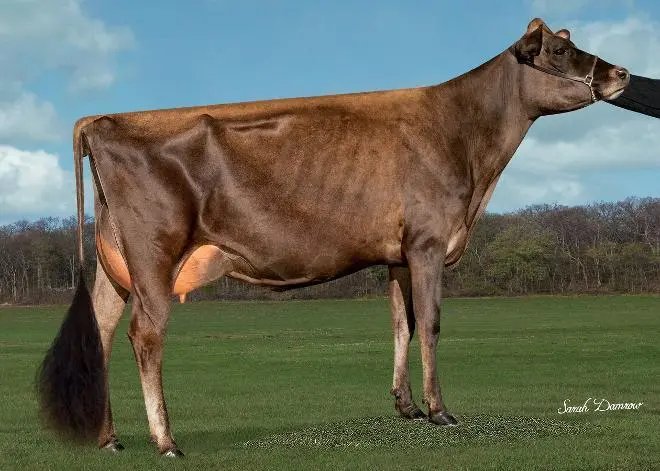
Dark Jersey cows may have a rich chocolate coat. Some look dark around the whole body. Others have a lighter middle section with deeper color on the face, neck, hips, and legs.
Bulls often show stronger dark shading than cows. As a bull matures, his head, shoulders, and neck may become much darker than the rest of his body.
Dark brown cattle may look black in poor lighting. A closer view often shows brown, red, or gray tones in the hair.
Mulberry Jersey Cattle
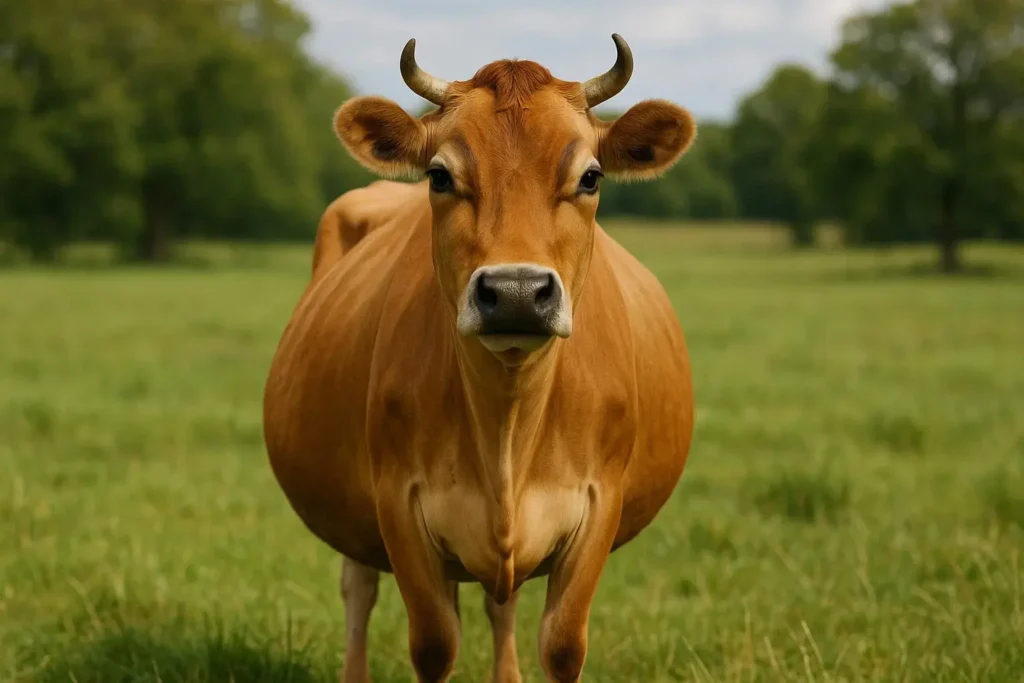
Mulberry describes a very dark Jersey shade. It may look like dull black, dark plum, deep brown, or black mixed with a red tone.
A mulberry Jersey should not be confused with the sharp solid black commonly seen in breeds such as Angus. The coat may reveal brown highlights when sunlight falls on it.
The term is useful because it explains why a pure Jersey can appear nearly black without having a bright jet-black coat. Jersey breed descriptions include mulberry among the accepted natural colors.
Light Fawn vs. Dark Brown Jersey Cows
Light fawn and dark brown jerseys can look very different, but both may belong to the same breed.
A light fawn cow has a soft tan, beige, or golden coat. A dark brown cow may look like chocolate, dark coffee, or nearly black. Their color does not prove that one is more pure, healthy, or productive than the other.
Main Visual Differences
The seven easiest differences to notice are:
- A light fawn Jersey reflects more sunlight and often looks golden outdoors.
- A dark brown Jersey may show red or chocolate tones when viewed closely.
- Light cows often have a stronger contrast between the coat and black nose.
- Dark cows may have less visible contrast around the face.
- White markings stand out more clearly on a dark coat.
- Dirt and mud may be easier to notice on a pale cow.
- Winter hair can make both shades look deeper and less even.
These are visual differences only. They do not tell you how much milk a cow will produce.
Does Coat Color Affect Milk?
There is no good reason to choose a Jersey only because its coat is light or dark. Milk production depends on genetics, nutrition, udder health, age, stage of lactation, comfort, and farm care.
Jerseys are valued because their milk usually contains high levels of butterfat and protein compared with many larger dairy breeds. That useful milk trait belongs to the breed as a whole, not to one coat shade.
A light cow can be an excellent producer. A dark cow can also be excellent. Records matter more than color.
Before buying a dairy Jersey, check her milk history, udder shape, teat placement, feet, legs, body condition, health tests, and breeding records.
Does Dark Color Make a Cow Hotter?
A dark coat can absorb more sunlight than a pale coat. Still, coat color is only one small part of heat stress.
Air temperature, humidity, shade, water, airflow, body condition, and milk production have a much larger effect on the cow’s comfort.
Every Jersey needs shade and fresh water during hot weather. Do not assume that a pale cow can safely remain in direct sun all day.
Do Jersey Cow Colors Change With Age?
A Jersey’s coat can change as it moves from calfhood to adulthood. The basic genetic color stays present, but its shade may become lighter, darker, or more even.
A calf may be born reddish, tan, gray, or brown. The baby coat is soft and can hide the final adult shade. After the first major shedding, a different tone may appear.
Color Changes in Jersey Calves
Newborn Jersey calves often have a deeper color than expected. Some pale calves look reddish at birth. Others have dark hair around the face and shoulders.
As the calf grows, the first coat falls out. The next coat may look smoother and lighter. White patches may also appear sharper after the calf loses its fuzzy baby hair.
The muzzle, eyelids, hooves, and tail switch usually become easier to judge as the calf matures.
A calf’s early color cannot tell you its future milk production, fertility, or final body size.
Changes During Maturity
Adult cows may darken around the head, neck, spine, hips, and lower legs. Bulls often show the strongest darkening.
Hormones can influence these changes. A mature Jersey bull may have a dark face and neck even when his body stays medium brown.
Cows can also look different during pregnancy or heavy milk production. This may happen because the coat becomes rough, thin, faded, or less shiny when nutrition is poor. The true genetic color has not changed, but the coat’s condition changes its appearance.
Summer and Winter Coats
Season has a strong effect on Jersey color.
The winter coat is longer and thicker. It may look duller, darker, or more mixed in shade. Mud and old hair can also hide the natural color.
During spring, the cow sheds this heavy coat. Her summer hair becomes short and smooth. The color may then look brighter and more even.
Strong sunlight can fade the tips of the hair. A dark Jersey may appear brown or reddish after spending months outside. New hair growing underneath can look much darker.
Aging and Gray Hair
Older cattle may grow pale or gray hairs around the face, eyes, forehead, and muzzle. These changes can make a dark cow look softer in color.
Gray hair alone does not show the cow’s exact age. Some cattle develop it earlier than others.
Use registration records, ear tags, farm records, and teeth to estimate age. Coat color is not a reliable age chart.
Why Do Jersey Cows Have Black Noses?
The black nose is one of the most recognizable Jersey features. The actual hairless nose area is called the muzzle.
Jersey cattle often have dark skin pigment in the muzzle. A pale or creamy band of hair may surround it. This lighter ring makes the black nose look even clearer.
Dark pigmentation is also common around the eyes, in the hooves, under the tail, and at the tail switch. Breed descriptions often mention the dark muzzle and hard black hooves as classic Jersey traits.
The Light Ring Around the Muzzle
Many Jerseys have a pale band around the black nose. Farmers may call it a mealy muzzle or light muzzle ring.
The band can be cream, tan, gray, or almost white. It may be wide and clear on a light fawn cow. On a dark mulberry animal, it may appear smaller or less noticeable.
This ring helps create the gentle facial look that people connect with Jersey cattle.
Dark Skin Under a Light Coat
A light Jersey may have dark skin under parts of its coat. Hair color and skin color are related, but they are not exactly the same thing.
You may notice dark pigment around the udder, eyes, nose, hooves, and other areas with less hair. Dark skin can offer some protection from sunlight.
White-haired areas may have lighter skin beneath them. Large pale areas can be more likely to suffer sun irritation, especially in strong climates. Research on Jersey cattle in Africa has noted that white-haired areas with lighter skin may have less protection from sun exposure.
What About a Pink Nose?
A calf with a mostly pink nose or large pink areas may have unusual markings or mixed ancestry. It does not prove crossbreeding by itself.
The best way to confirm breed identity is through registration records and parentage testing. Never label an animal as pure or crossed from nose color alone.
Also check a pale nose for sunburn, sores, crusting, swelling, or discharge. A healthy color difference should not cause pain.
Common White Markings on Jersey Cattle
Jersey cattle can have white markings. Some have only a small white spot. Others have large patches across the belly, legs, face, shoulder, or side.
A Jersey with white areas may be called broken colored or broken coated. This means the main fawn or brown coat is broken by patches of white.
Modern Jersey populations can include both solid-colored and broken-colored animals. The amount of white can vary, and many breeders prefer one look over another for personal reasons.
Where White Markings May Appear
Common white markings include:
- A white star on the forehead
- A narrow blaze down the face
- A white patch around the muzzle
- White hair under the belly
- White lower legs or feet
- A white patch on the shoulder
- White areas on the side or hip
- White hair on the tail
This is the second and final main list in the article. The exact shape of each patch is controlled by the animal’s genes.
Are White Jersey Cows Purebred?
A purebred Jersey can carry white markings. A white patch does not automatically mean the cow is crossed with Holstein cattle.
However, a cow with a sharp black-and-white Holstein pattern should be checked carefully. The color may point to crossbreeding, but visual appearance alone cannot confirm parentage.
Some registered animals have more white than others. Breed rules and registration policies can also change over time and may differ between countries.
Ask for the animal’s registration certificate. Parentage DNA testing gives stronger proof when there is a serious question.
Do White Markings Grow?
The markings usually keep the same basic shape because they come from pigmentation patterns in the skin and hair follicles.
They may look larger as the calf’s body grows. Seasonal coats can also blur or sharpen the edges.
A white patch does not normally spread across the body like wet paint. Sudden hair loss or new white hair after an injury may have another cause.
Scars can sometimes grow white hair because damage affects pigment cells in the skin. This is different from a natural white marking.
Jersey Cow Color Genetics Explained
Every calf receives genetic information from both parents. These genes help control coat color, markings, skin pigment, and many other traits.
Color genetics can become complicated. Several genes may work together, and the same basic color can appear differently in two related animals.
Basic Color Pigments
Cattle hair mainly uses two kinds of pigment. One produces black or brown tones. The other produces red or yellow tones.
Genes control how much pigment the body makes and where it appears. Other genes can lighten the color, change its shade, or stop pigment from reaching certain patches of skin and hair.
This is how one Jersey can look pale gray while another looks deep mulberry.
Why Full Sisters Can Look Different
Two calves with the same parents do not receive exactly the same set of genes. Each calf gets a different mix.
One full sister may be light fawn. Another may be dark brown. A third may have white patches.
This variation is normal. It does not mean that the breeder made an error.
The parents may carry color genes that are not clearly visible in their own coats. Those hidden combinations can appear in their calves.
The Role of Selection
Breeders may select certain colors because customers like them. A small family farm may prefer golden fawn cows. Another breeder may focus on rare dark mulberry cattle.
Choosing color is not always harmful, but it should not come before health and function.
A responsible breeding plan should give more attention to:
- Udder strength
- Milk production
- Butterfat and protein
- Fertility
- Calving ease
- Feet and legs
- Disease resistance
- Temperament
- Body condition
- Productive life
A beautiful coat cannot repair a weak udder, poor feet, low fertility, or serious genetic disease.
Can DNA Predict Coat Color?
DNA tests can identify some known color genes in cattle. They may help breeders understand whether an animal carries certain coat traits.
Testing does not always predict the exact final shade. Environmental effects, several interacting genes, and the way humans describe colors can make results less clear.
One breeder may call a cow red-brown. Others may call the same cow dark fawn. These words are visual labels, not exact paint codes.
Can Purebred Jersey Cows Be Black?
A purebred Jersey can become so dark that it looks black. This shade is usually called mulberry or very dark fawn.
In bright natural light, the coat may show brown, red, plum, or gray tones. The animal may look fully black inside a dark barn or in a shaded photo.
Breed references describe Jersey colors as ranging from pale gray and fawn to very dark shades that are almost black.
Almost Black vs. True Black
The words “almost black” matter.
Many dark Jerseys are not the same clear black seen in Angus cattle. Their hair may contain warm brown tones. The face, neck, and shoulders may also be darker than the middle of the body.
A cow can still be purebred when she has a very dark coat. Her pedigree and DNA provide better evidence than a color guess.
Could a Black-Looking Jersey Be Crossbred?
Yes, crossbreeding is also possible. A Jersey crossed with Holstein, Angus, Dexter, or another breed may inherit a dark or black coat.
Look for other clues, but do not treat them as final proof. A cross may have a different head shape, body size, white pattern, nose color, horn type, or milk production.
Some crosses look strongly Jersey. Others do not.
Registration papers and DNA parentage testing are the safest ways to confirm whether a dark animal is purebred.
Do Black Jerseys Produce Different Milk?
A dark coat does not create richer milk.
Jersey milk quality comes from dairy genetics, feeding, health, and management. Coat color genes do not serve as a simple guide to butterfat or protein.
Do not pay a very high price for a dark Jersey unless the animal also has strong health, production, breeding, and registration records.
Rare-looking color can raise buyer interest. It does not automatically raise the animal’s real farm value.
How to Identify a Jersey Beyond Color
Color is helpful, but many breeds and crosses can have brown coats. Look at the whole animal.
A typical Jersey has a refined dairy body. The head often looks clean and feminine in cows. The forehead is broad, while the face narrows toward the dark muzzle.
The eyes are large and noticeable. The body is smaller than that of a mature Holstein. Dairy cows usually show a deep rib and less heavy muscle than beef breeds.
The udder should have strong support and useful teat placement. Feet and legs should allow easy movement.
Jersey cattle also come from a long-established dairy breed that began on the island of Jersey in the English Channel. The breed spread around the world because of its smaller body, feed use, fertility, and milk solids.
Does Nutrition Change Jersey Cow Color?
Feed cannot turn a genetically light Jersey into a naturally dark one. Still, nutrition affects coat quality.
A well-fed healthy cow usually has smooth hair and a natural shine. A cow with poor nutrition may develop a rough, faded, dry, or uneven coat.
Protein, energy, copper, zinc, and other nutrients support normal skin and hair. A shortage may affect hair quality or pigment, but guessing with supplements can be dangerous.
Too much of some minerals can poison cattle. Ask a veterinarian or livestock nutritionist to test the feed and create a balanced mineral program.
Parasites can also cause a rough coat. Check the cow when color change comes with weight loss, diarrhea, low milk production, pale eyes, or poor appetite.
When Coat Changes May Signal a Health Problem
Normal shedding happens slowly and usually affects large areas in a balanced way. A health problem may create sudden, patchy, painful, or unusual changes.
Watch for bare spots, heavy dandruff, thick crusts, open sores, strong itching, swelling, or broken hair. Ringworm, lice, mites, sunburn, rubbing, infection, and poor nutrition can damage the coat.
A cow that keeps licking or rubbing one area needs attention. Check fences and equipment for sharp edges as well.
Call a veterinarian when skin changes spread quickly, affect several cattle, produce pus, or come with fever and loss of appetite.
Do not use dog, horse, or human skin medicine on a dairy cow without professional advice. Some products are unsafe for cattle or may create milk and meat withdrawal problems.
Does Color Matter When Buying a Jersey Cow?
Color can be part of personal taste. It should not control the whole purchase.
A pretty golden cow may have poor feet. A rare dark animal may have low production. A cow with white markings may be healthy, purebred, calm, and productive.
Study the animal’s real value. Check her age, pregnancy status, milk records, udder, feet, body condition, vaccinations, disease tests, and temperament.
Ask why she is being sold. Watch her walk and eat. Milk her when possible, or observe the milking process.
A pre-purchase veterinary exam can protect you from expensive problems. This is especially useful when buying a family milk cow or a high-priced registered animal.
Common Myths About Jersey Cow Colors
One common myth says every Jersey must be light fawn. Jerseys actually come in a wide range from pale gray to nearly black.
Another myth says white markings prove crossbreeding. Purebred Jerseys can have white patches, though records should confirm ancestry.
Some people believe dark Jerseys give richer milk. Coat shade does not decide milk fat or protein.
People also assume a black-looking Jersey cannot be pure. Very dark mulberry Jerseys can appear almost black.
A final myth says coat color never changes. The genetic base stays in place, but age, sun, season, shedding, nutrition, and hormones can change the visible shade.
Final Thought
Jersey cow colors are much more varied than many people expect. These cattle may be pale gray, cream, light fawn, golden brown, red-brown, chocolate, or dark mulberry. Some have solid coats, while others carry white markings.
The famous black nose is another important feature. A light ring often surrounds the muzzle, while dark pigment may also appear around the eyes, hooves, skin, and tail switch.
Jersey colors can change in appearance as cattle grow. Calves lose their soft baby coats. Bulls may darken around the head and shoulders. Winter hair looks different from a smooth summer coat. Sunlight can also fade the ends of dark hair.
A nearly black cow can still be a purebred Jersey. A cow with white patches can be purebred too. Color alone cannot prove breed identity. Pedigree records and DNA testing give much stronger answers.
Enjoy the coat color, but choose cattle for health, sound legs, good udders, fertility, calm behavior, and useful milk records. A beautiful shade is a nice extra. A healthy and productive cow is what truly matters.