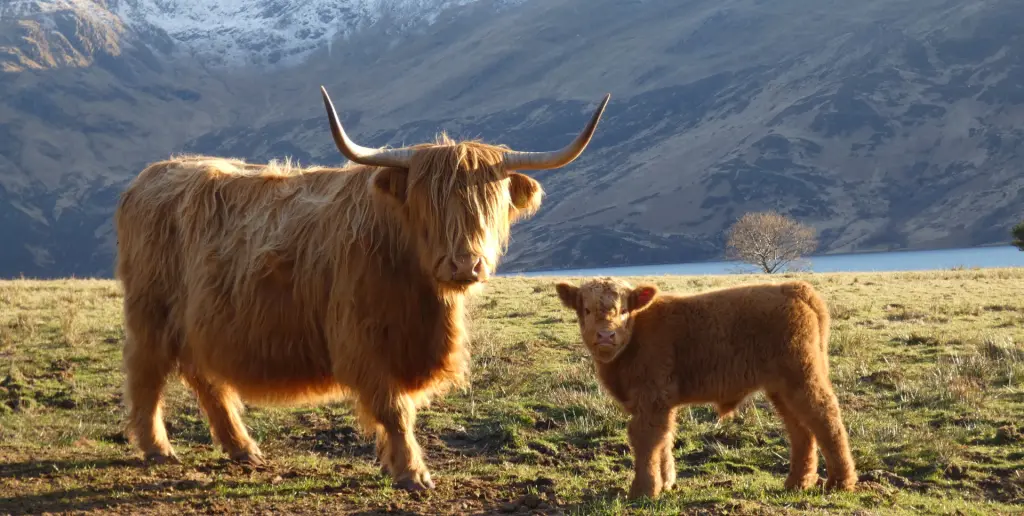
Highland cows are tough animals. They can handle rough hills, wet grass, cold weather, and land that would give some other cattle a hard time. Their feet are pretty tough too. Still, that doesn’t mean their hooves can just be forgotten about forever.
So, do Highland cows need hoof trimming?
Sometimes yes, sometimes no.
A Highland cow walking over rough, firm ground may wear her hooves down naturally and go a long time without needing much trimming. Another cow living mostly on soft pasture may grow more hoof than she wears away. That’s when the toes start getting long, the claw shape changes, and walking can slowly become uncomfortable.
The simple rule is this: don’t trim just because a calendar says so. Look at the cow, look at the feet, and pay attention to how she walks.
Hoof horn keeps growing. If growth happens faster than natural wear, the hoof can become overgrown. That changes how weight sits on the foot and can raise the chance of bruising, sole problems, and lameness.
Here’s a quick look at what matters.
| Hoof Situation | What You May Notice | What to Do |
| Normal hoof wear | Even claws, normal walking | Keep checking |
| Slight overgrowth | Longer toes, uneven hoof shape | Watch closely |
| Clear overgrowth | Curled or long toes, uneven weight | Trimming may be needed |
| Lameness | Short steps, arched back, favoring one leg | Get the foot checked |
| Cracks or sole damage | Pain, swelling, damaged horn | Corrective care may be needed |
| Wet, dirty feet | Soft skin, bad smell, irritation | Improve ground and hygiene |
| Repeated hoof trouble | Same cow keeps becoming sore | Check trimming, flooring, diet, and health |
Highland cattle can be pretty good at looking fine even when a problem is starting. That thick coat and calm behavior can make little changes easy to miss. Feet are one of those things worth checking before they turn into a bigger headache.
How Often Do Highland Cows Need Hoof Trimming?
There isn’t one perfect schedule for every Highland cow.
That’s the first thing to get straight.
Some cattle may need hoof trimming once or twice a year. Others may need it less often because their feet wear down naturally. General cattle hoof-care guidance often recommends routine inspection and, for cows that need maintenance trimming, around one or two trims a year. The exact need depends on hoof growth, wear, housing, and the individual animal.
Highland cattle kept on rocky hills or firm ground may do a pretty good job wearing their claws down without much help.
Put the same cow on soft, damp pastures all year and things can change.
The hoof keeps growing, but the ground doesn’t rub much of it away.
That’s how you can end up with long toes.
Age matters too. An older cow may not move around quite as much as a younger animal. Less walking can mean less natural wear.
Then there’s body shape.
One Highland might carry weight very evenly across all four feet. Another may put slightly more pressure on one claw. Over time, that uneven load can change hoof shape.
So instead of saying, “Every Highland needs trimming every six months,” a better plan is:
- Check the feet several times through the year.
- Watch the cow walking on flat ground.
- Look for long or uneven toes.
- Compare the left and right claws.
- Trim only when the hoof shape actually needs correcting.
Over-trimming can cause trouble too. Removing too much horn can leave sensitive tissues with less protection and may actually make the cow lame.
More trimming isn’t automatically better.
Good trimming is about balance.
Signs a Highland Cow Needs Hoof Trimming
A cow usually gives a few clues before the hoof becomes really bad.
You just have to notice them.
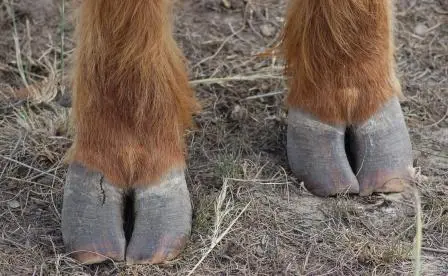
One of the easiest signs is a long toe. The front of the hoof starts looking stretched out instead of compact and balanced.
Sometimes the claw begins to curve.
That’s a bigger red flag.
Uneven claws are another thing to watch. One side may look taller, longer, or more worn than the other. When that happens, the cow can start putting weight on the foot in a strange way.
Then look at movement.
A Highland cow with sore feet may take short steps, walk more slowly, arch her back, or favor one leg. More serious lameness can make her reluctant to move at all. These walking changes are commonly used when cattle are checked for lameness.
Easy Signs to Watch For
Keep an eye out for:
- Long, pointed toes
- Curled hoof tips
- One claw longer than the other
- Cracks in the hoof wall
- Uneven wear
- Cow standing strangely
- Shorter steps
- Arched back while walking
- One leg being held differently
- Reluctance to walk
- Spending more time lying down
- Trouble getting up
- Swelling around the foot
- Bad smell near the hoof
- A sudden drop in normal movement
Some cows are obvious when they hurt.
Others are not.
A Highland may still come for feed and move with the group even when one foot is beginning to bother her. That’s why watching from a little distance can help. Cattle often move more naturally when nobody is standing right beside them staring at their feet.
What Causes Overgrown Hooves in Highland Cows?
Overgrown hooves sound simple.
The hoof grew too much.
But why?
Usually because hoof growth and hoof wear are no longer matching each other.
Cattle produce new hoof horns all the time. If the hoof wears at about the same rate, shape stays fairly normal. When horn grows faster than it wears away, the claws get longer. Soft ground is a common reason.
Imagine a Highland walking over stones, firm soil, and rough tracks every day. Each step gives the hoof a tiny bit of wear.
Now put that animal on deep grass and soft mud.
Much less rubbing.
Same hoof growth.
Less wear.
You can see where this is going.
Wet ground can make things worse in a different way. Hoof horn and the skin around the foot stay softer when cattle stand in wet, dirty conditions for long periods. Moisture and manure can also increase the risk of infectious hoof problems. Moist underfoot conditions are an important part of how some infectious lesions spread through cattle groups.
Movement makes a difference too.
Cattle that walk over a decent amount of ground each day get more natural wear than cattle that spend most of their time in a small paddock.
Body weight also changes pressure on the feet.
A heavy mature Highland bull puts a lot more force through his claws than a young heifer. If the feet are already uneven, that extra weight doesn’t help.
Things That Can Push Hooves Toward Overgrowth
A few common ones are:
- Soft pasture with little natural abrasion
- Muddy ground
- Low daily movement
- Uneven weight bearing
- Poor hoof shape
- Old hoof injuries
- Individual genetics
- Long periods without checking the feet
- Housing where cattle don’t walk much
Don’t get hung up on just one cause.
Usually it’s a mix.
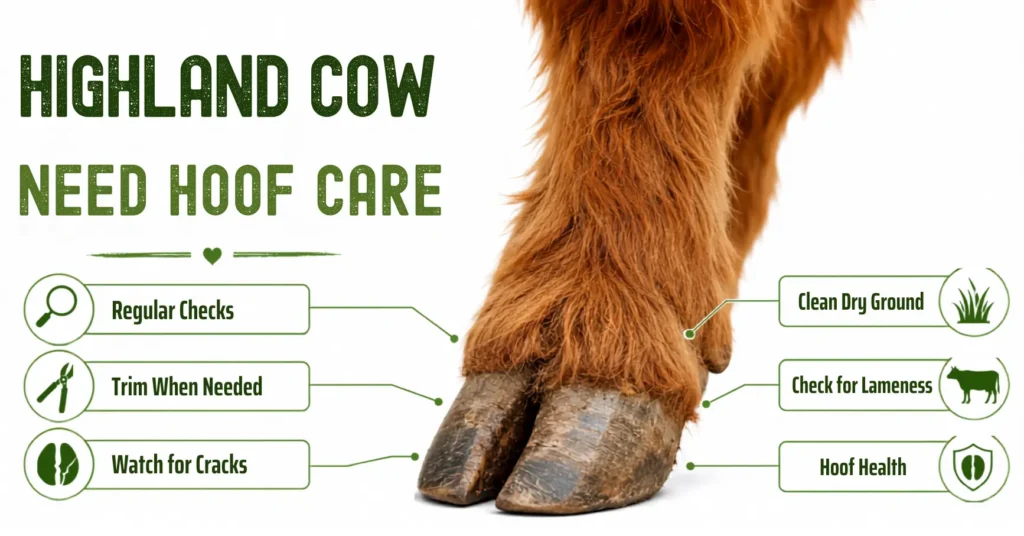
How to Check Highland Cow Hoof Health
You don’t need to be trimming hooves every week to keep an eye on foot health.
Start with walking.
That tells you a lot.
Let the cow walk on fairly level ground. Watch her from the side and from behind if you can do it safely.
The steps should look even.
She shouldn’t be dropping one hip, swinging a leg strangely, or taking tiny careful steps.
Look at the back too.
A cow walking with an arched back can be showing discomfort. More obvious lameness may cause her to shift weight away from one leg.
Then check the actual feet when the animal can be safely restrained.
You’re looking for shape first.
Both claws should look fairly balanced.
The toes shouldn’t be ridiculously long.
Look for broken horns, deep cracks, swelling, trapped stones, or anything stuck between the claws.
The space between the claws deserves attention too. Wet mud and manure can sit there for ages if the ground stays sloppy.
Smell can even tell you something.
A strong rotten smell around damaged skin may point toward an infection.
Quick Hoof Check
When you’re checking a Highland, look at:
- Walking
- Hoof length
- Toe shape
- Claw balance
- Hoof cracks
- Sole damage
- Swelling
- Heat
- Smell
- Skin between the claws
- Stones or foreign material
- Any sign of pain when weight is placed on the foot
That’s already a pretty useful check.
One important point: Highland cattle are large, horned animals. Don’t crawl around under a cow or try lifting a foot without safe handling equipment and experience. Proper restraint matters for both the cow and the person working on her feet. Hoof-care guidance puts a lot of emphasis on safe restraint and trained trimming because cattle and people can both get hurt when the job is done badly.
Common Hoof Problems in Highland Cattle
Highlands may be hardy, but they can still get many of the same hoof problems seen in other cattle.
Overgrown claws are one.
Long claws change where the foot carries weight. Instead of pressure being spread normally, certain areas can take too much load.
That can lead to bruising.
And once a sore spot starts, the cow may shift weight away from it, which can make the opposite claw work harder. Bit by bit, the balance gets worse.
Sole Ulcers
A sole ulcer is a painful damaged area in the bottom of the hoof.
These problems are often linked with poor weight distribution and pressure inside the claw. Corrective trimming can help remove pressure from the damaged area when it’s done properly.
A cow with a sole ulcer may walk carefully or avoid putting full weight on one foot.
White Line Problems
The white line is a weaker area where the hoof wall and sole meet.
Damage here can let dirt or small bits of material work their way into the hoof. Infection and an abscess can follow, and yep, that hurts.
White line disease and sole ulcers are well-known causes of cattle lameness.
Hoof Cracks
Small surface cracks may not cause much trouble.
Deep cracks are different.
They can expose softer tissue or create a place for dirt and infection to get in.
Highland cattle walking on hard, uneven land may also chip or break hoof horn.
A small chip is not automatically a crisis.
Look at whether the animal is sore, whether the crack is deep, and whether the hoof shape is still stable.
Infectious Foot Problems
Mud, manure, and moisture are not the hoof’s best friends.
Some infectious foot conditions spread more easily when cattle spend a lot of time on wet, dirty surfaces. Keeping pens, gateways, water areas, and feeding spots from turning into permanent mud holes can make a real difference.

Can Highland Cows Wear Down Hooves Naturally?
Yes.
And plenty of them do.
Natural hoof wear is one reason some Highland cows may need very little trimming.
They were built for walking over rough country, after all.
A cow moving over stones, firm soil, gravel, or rough pasture gets gradual wear with each step.
That doesn’t mean rocky ground is some magic hoof-care tool.
Too much sharp, hard ground can cause its own injuries.
Balance matters here too.
What you want is natural movement over a range of surfaces, not cattle standing in mud all year or being forced over rough stone until their feet are sore.
Cattle living mostly on soft bedding or deep pasture may get far less natural hoof wear.
Research on cattle hoof health shows that housing and walking surfaces change how quickly claws wear and grow.
That’s why two Highland cows from different farms can have completely different hoof-care needs.
One owner might say, “Mine almost never need trimming.”
And they may be right.
Another farmer trims once or twice a year.
They may be right too.
Different ground, different cattle.
Best Time to Trim Highland Cow Hooves
The best time is when the hoof needs it.
Sounds almost too simple, but that’s really the point.
If toes are getting long and weight is becoming uneven, waiting another six months just because that’s the farm’s usual date doesn’t make much sense.
Likewise, trimming a perfectly balanced hoof just because “it’s trimming month” isn’t always useful.
General cattle programs commonly use scheduled trimming once or twice yearly, while problem feet may need corrective work sooner.
Try to choose a calm time.
Avoid piling trimming on top of several other stressful jobs when possible.
If the cow is already lame, though, don’t sit around waiting for the perfect season.
Lameness deserves attention.
Early treatment matters because mild hoof problems are usually easier to handle than advanced ones.
Corrective hoof trimming can help restore normal weight distribution, remove excess horn, and take pressure away from a painful claw.
Before Trimming
A few simple things help:
- Restrain the cow safely.
- Clean the hoof enough to see its true shape.
- Check all claws, not just the one that looks long.
- Look for pain, cracks, holes, ulcers, or swelling.
- Don’t cut blindly.
- Use someone trained if you’re not sure what you’re looking at.
That last one is worth repeating.
Bad trimming can turn a decent hoof into a sore hoof very fast.
How Hoof Problems Affect Walking and Health
A sore hoof doesn’t stay “just a hoof problem” for long.
Walking hurts, so the cow walks less.
If she walks less, she may spend less time grazing.
That can mean lower feed intake.
Less feed means less energy.
You can see how one small foot problem starts spreading into the rest of the animal’s life.
Lame cattle may stand differently, shorten their steps, arch the back, or avoid putting full weight on one limb. In severe cases they become reluctant to move.
- Pain also changes resting behavior.
- A cow may lie down more because standing hurts.
- Or she may struggle to get comfortable if getting up and down is painful.
- Breeding animals can be affected too.
- A bull with sore feet may be less willing to move or mount cows.
- A cow in pain may lose body condition if she spends less time eating.
- Young cattle can have slower growth if hoof trouble limits movement and feeding.
- It’s one of those problems that looks small when you stare only at the foot.
- Zoom out and it’s a whole-animal issue.
Research on cattle claw lesions has found strong links between hoof lesions and lameness, while properly done trimming can lower the risk of some lesions and help manage pressure on affected claws.
Simple Hoof Care Tips for Highland Cows
You don’t need to turn hoof care into some giant complicated system.
A few boring habits done regularly go a long way.
First, look at the cows walking.
Not once a year.
Often enough that you know what normal looks like.
A cow that suddenly shortens her stride stands out much faster when you’ve seen her normal walk plenty of times.
Second, keep high-traffic areas as dry as you reasonably can. Water troughs, gateways, hay feeding spots, and shelter entrances can turn into muddy soup. That constant wetness isn’t great for feet. Third, don’t ignore nutrition.
Hoof horn is living tissue while it develops, and overall health matters. A poorly fed animal isn’t in the best position to grow strong feet.
- Fourth, don’t chase perfectly short hooves.
- A hoof should protect the inner structures.
- Trimming too aggressively can remove too much horn and create pain.
- Fifth, deal with lameness early.
- A cow limping for three weeks isn’t “seeing if it gets better.”
- She’s been sore for three weeks.
Easy Hoof Care Routine
Try something like this:
- Watch cattle walk whenever you move the herd.
- Check feet when animals are already safely restrained.
- Look for long toes and uneven claws.
- Keep muddy feeding and watering areas under control.
- Remove sharp junk from pens and pastures.
- Trim only when shape or overgrowth calls for it.
- Get help for deep cracks, swelling, ulcers, or obvious pain.
- Keep simple notes on cows that repeatedly need trimming.
- Pay extra attention to older cattle and heavy bulls.
- Don’t ignore a sudden change in movement.
That’s not fancy.
But it works as a practical system.
Do Every Highland Cow’s Hooves Grow the Same Way?
Not even close.
Two cows living in the same field can wear their feet differently.
One may have strong, fairly even claws for years.
The other may keep growing one long outside claw.
Body shape matters.
Leg angle matters.
Old injuries matter.
Movement patterns matter.
Age plays a role too.
Then add ground type, weather, and genetics.
That’s why individual checks beat a one-size-fits-all trimming rule.
If one cow needs trimming twice a year, that does not mean every cow in the herd needs exactly the same schedule.
Keep the individual animal in mind.
What Should a Normal Highland Hoof Look Like?
A healthy hoof should look balanced. The claws should not be stretched way out in front. The hoof wall should be solid, without deep splits. Both claws should share the load reasonably well. The sole shouldn’t be obviously broken down or full of deep holes.
And most importantly, the cow should move comfortably. Normal-looking feet plus abnormal walking still deserve attention. Sometimes the pain is higher up the leg. Sometimes the hoof problem is hidden underneath.
So don’t make the mistake of thinking, “I can’t see a crack, so she must be fine.”
- Walking tells part of the story.
- The hoof tells another part.
- You need both.
When Should You Call a Vet or Skilled Hoof Trimmer?
Simple overgrowth can often be handled by a trained hoof trimmer.
But some signs deserve more than a basic trim.
Get skilled help if the cow has a deep sole wound, severe lameness, major swelling, bleeding, pus, a bad smell, a deep crack, or a hoof that looks badly distorted.
A cow that refuses to put weight on one leg also needs proper attention.
Don’t start cutting deeper because you think there “must be something under there.”
That’s how sensitive tissue gets damaged.
Corrective trimming is useful when done correctly, but cattle hoof care requires knowing normal hoof shape, weight distribution, and how much horn can safely be removed.
If you’re guessing, stop guessing.
Final Thought
Do Highland cows need hoof trimming? Some do, and some may go quite a while with almost no trimming at all.
Their lifestyle makes a huge difference.
A Highland cow walking over firm, rough ground can naturally wear down plenty of hoof. One living on soft, wet pasture may need more help.
The best plan isn’t to blindly trim every cow on the same date.
Watch them walk.
Check the claw shape.
Look for long toes, uneven wear, cracks, swelling, and pain.
And don’t go too far the other way either. Over-trimming can hurt a healthy foot just as easily as ignoring a badly overgrown one.
Keep the feet balanced, keep muddy areas under control, and catch small changes early. That simple routine can save a Highland cow from a whole lot of unnecessary soreness later on.