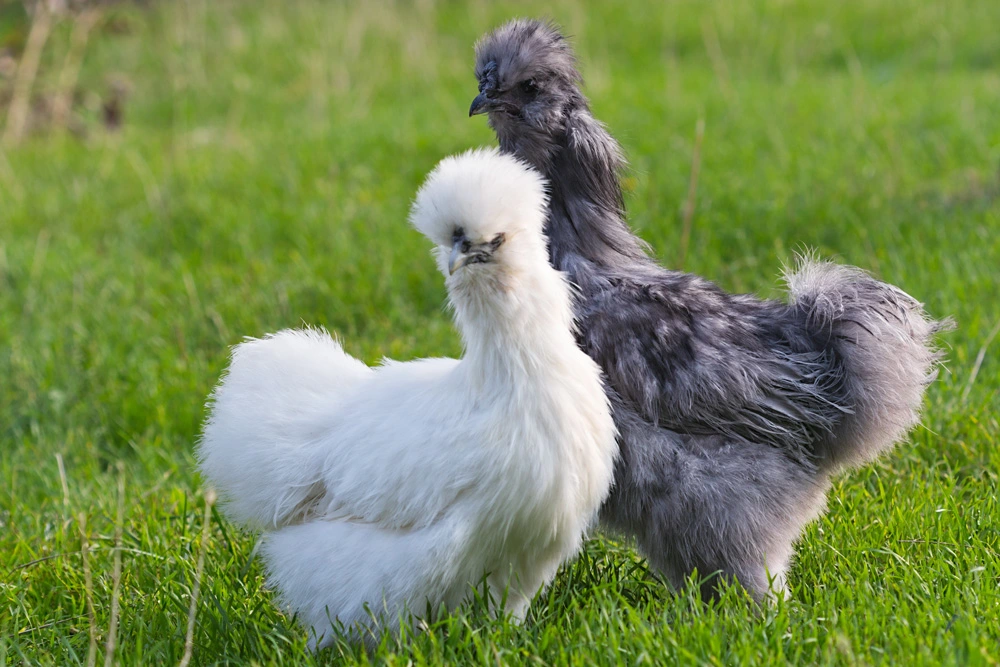
The first time I held a Silkie chick I thought something was wrong with it. The feathers felt like fur. Not fluff. Real fur. I kept running my thumb over its back trying to figure out if this was even a real chicken or some strange trick.
Turns out this breed has been confusing people for hundreds of years. Long before I ever picked one up. That fur like coat comes from genes that go way back and a story that crosses whole continents.
This guide walks through the full story. Where this bird actually came from. How old explorers wrote about it. What makes that strange fuzzy coat happen? And why this breed still shows up in backyards everywhere today.
Quick Overview
| History Point | Details |
| Origin | Ancient China going back centuries |
| Early Western record | Marco Polo in the 1200s |
| Signature trait | Fur like feathers with no tiny hooks |
| Skin color | Black from a strong genetic trait |
| Western arrival | Spread through Europe then North America |
| Modern role | Pets show birds and broody hens |
| Flight ability | Cannot fly because of feather shape |
Ancient Chinese Origins Tracing Silkie Chickens Back Centuries
This breed’s story starts way back in ancient China. Exact dates get a little fuzzy the further you go. Most experts agree these birds were around for hundreds of years before anyone in the West ever saw one. Some think parts of Southeast Asia like India and Java might have played a small part too. But China stays the main starting point almost everyone agrees on.
Old Chinese culture actually held these birds in high regard. Their weird fur like look combined with black skin made them stand out from regular farm chickens right away. In some areas people believed the black skinned kind had healing powers. That belief still shows up in parts of China today. The meat even gets used in some traditional dishes and home remedies.
What gets me most reading old stories is how strange these birds must have looked back then. A chicken that looked more like a small fluffy animal than an actual bird would have stood out hard in any old farmyard. That weirdness probably helped keep the breed alive. People kept them for their unique look, not really for eggs or meat.
Marco Polo’s Accounts How Early Western Explorers Described This Unusual Fowl
Before getting into what Marco Polo actually wrote here are two lists worth saving. This part of the story has more to it than most people think.
Key facts about early Western discovery
- Marco Polo traveled through Asia back in the 1200s
- He wrote about meeting a furry chicken during his trip
- His writing is the earliest known Western record of this breed
- Trade routes likely carried the breed west over the next few hundred years
- Early Europeans reacted with everything from wonder to flat out disbelief
Common myths that spread once the breed reached the West
- Some early sellers claimed Silkies were a mix of chickens and rabbits
- Others swore the birds were covered in real fur not feathers at all
- A few stories called them some kind of made up hybrid creature
- These myths stuck around for years even though none of it made sense
Marco Polo wrote about running into a furry chicken while traveling through Asia back in the 1200s. That short mention is the oldest known Western record of this breed. Pretty wild when you think about just how long ago that actually was.
Word probably spread west from there through old trade paths including the Silk Route and sea trading routes. Traders and travelers likely carried stories and eventually real birds along those same paths that also moved silk spices and all kinds of other goods between East and West for centuries.
Once these birds finally showed up in the West some really odd myths took off fast. Early sellers apparently told buyers these chickens were part rabbit which makes zero sense biologically but somehow convinced plenty of people back then. That myth hung around for generations. Honestly it says a lot about just how strange these birds looked to people who had never seen anything close to them before.
The Genetics Behind the Fluff What Causes the Signature Silky Plumage
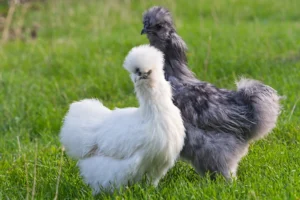
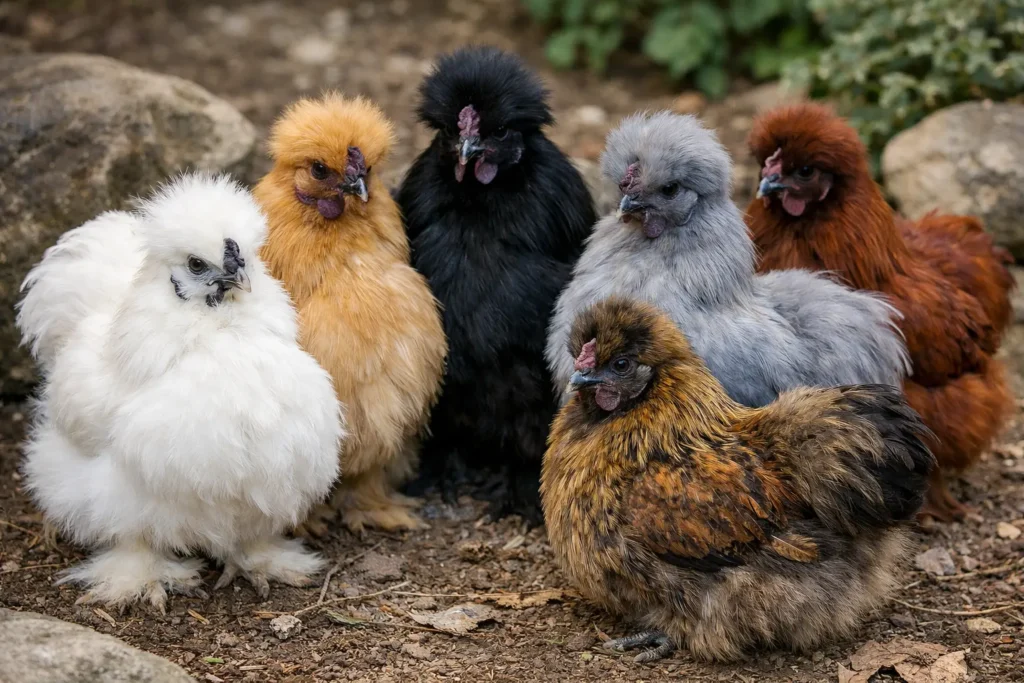
Science eventually explained what old breeders had noticed for ages without understanding why. That soft fur like texture comes from a specific gene that stops tiny hooks called barbicels from forming on the feathers. Regular chicken feathers use these little hooks to lock together into that smooth look most birds have.
Without those hooks the feather strands just stay loose and separated. That’s what creates the soft downy fur like texture Silkies are known for. This same gene is also exactly why these birds can’t fly no matter how hard they try. Feathers need that locked shape to actually create lift and Silkies just don’t have it.
The black skin comes from a totally different gene story. This trait comes from a strong dominant gene linked to something called fibromelanosis. It affects skin bones and even the meat itself turning everything a strange bluish black shade. This trait isn’t only found in Silkies either. A handful of other rare breeds around the world carry this same gene mutation but Silkies remain the most famous example by far.
Blue tinted earlobes round out the strange genetic mix here too. Add in five toes instead of the usual four and this breed genuinely packs more odd physical traits into one bird than almost any other chicken breed out there.
Spread to the West How Silkies Made Their Way to Europe
Once word about this breed reached the West it didn’t take long for actual birds to follow the stories. Trade networks linking Asia to Europe over several hundred years eventually carried live Silkies west. Exact dates get pretty blurry the further back historians try to dig.
Europe took to this breed fast once it arrived. That strange fluffy look made Silkies an instant favorite among poultry fans and show breeders who cared more about unique looks than practical farm use. Unlike breeds built purely for meat or eggs Silkies carved out their spot almost entirely through looks and pure novelty.
North America followed not too long after Europe caught on. This breed earned an official spot in the American Standard of Perfection back in 1874. That locked in its place as a real recognized breed instead of just some odd curiosity passing through poultry circles.
Why Show Breeders Fell in Love With This Bird
Show breeders genuinely loved having something this different to display. A bird covered in fur like feathers with black skin and turquoise ears stood out big time at any poultry show, pulling in crowds and curious looks in a way most normal breeds just couldn’t match.
Silkies in Modern Poultry Keeping Their Role Today
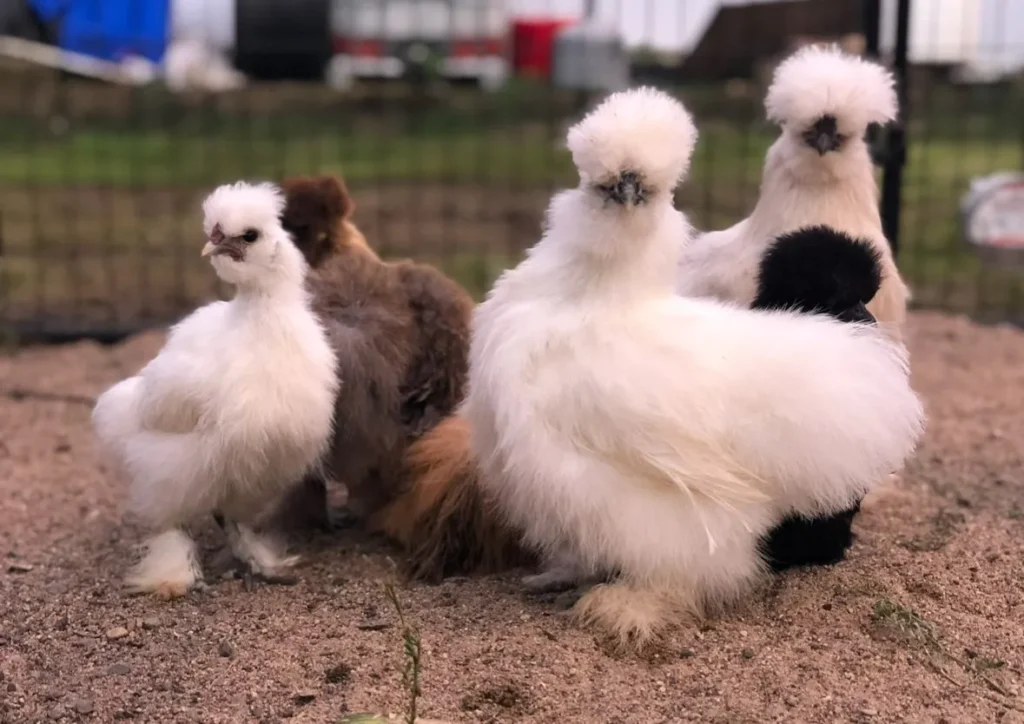
Fast forward to today and this breed has settled into a role that honestly fits it perfectly. Modern Silkie owners rarely keep these birds for meat or heavy egg output. Instead they get valued mostly as backyard pets, dedicated broody hens, and show quality birds.
Their calm friendly nature makes them a hit with families raising chickens for the first time. Based on my experience talking with small flock owners, Silkies tend to be the birds kids pick up first thanks to that soft huggable coat and generally trusting nature around people.
Broodiness stays one of their most valued traits even now. A lot of chicken keepers use Silkie hens specifically to hatch and raise chicks from totally different breeds since these birds make such caring mothers no matter whose eggs they’re actually sitting on.
A few reasons this breed stays popular in backyard flocks today
- Extremely gentle nature that fits well with families and kids
- Strong broody instinct useful for hatching eggs from other breeds
- Small size that fits nicely into smaller backyard setups
- Unique look that grabs attention at any poultry show
- Longer lifespan compared with a lot of standard production breeds
Poultry shows still feature this breed heavily too, with dedicated Silkie classes at events across the country. Breeders keep working to hold onto and improve those signature traits that first caught attention hundreds of years ago, from that fur like coat down to the black skin hiding underneath it all.
Final Thoughts
The history of the Silkie chicken really is one of the more interesting stories in the whole poultry world. From ancient Chinese farms through Marco Polo’s writing all the way to modern American backyards, this breed has carried its odd wonderful look across centuries and continents without losing what made it special in the first place.
If you’re thinking about adding a few Silkies to your own flock, you’re genuinely connecting to a breed with real history behind it. Most owners who raise these birds say knowing that history makes the whole thing feel a bit more meaningful. Honestly after learning all this myself I get why.
Frequently Asked Questions
Where did Silkie chickens originally come from historically?
Silkie chickens started out in ancient China, though some historians think parts of Southeast Asia like India and Java might have played a small role too. The breed was around for hundreds of years before Western explorers ever wrote about it, which means its true starting point goes back way further than most written records can actually prove today.
What did Marco Polo write about Silkie chickens?
Marco Polo wrote about meeting a furry chicken while traveling through Asia back in the 1200s. That’s the earliest known Western record of this breed. His short mention helped introduce this odd fowl to people in Europe long before real birds ever made their way west through trade.
Why do Silkie chickens have such unusual fur like feathers?
Silkie feathers are missing tiny hooks called barbicels because of a specific gene, which stops the feather strands from locking together into a normal sleek shape. This same gene creates that soft downy fur like texture and is also the exact reason these birds can’t fly like normal chicken breeds do.
When did Silkie chickens become officially recognized in America?
Silkie chickens got official recognition in the American Standard of Perfection back in 1874. That locked in their spot as a real poultry breed in North America. This came after the breed had already spread through Europe, becoming a hit with show breeders who valued its unique look over practical farm traits.
Why are Silkie chickens still popular in backyard flocks today?
Silkie chickens stay popular today because of their gentle friendly nature, strong broody instinct, and unique look that stands out at any poultry show. Most owners today keep them as pets, dedicated broody hens for hatching other breeds, or show birds rather than for meat or heavy egg production.