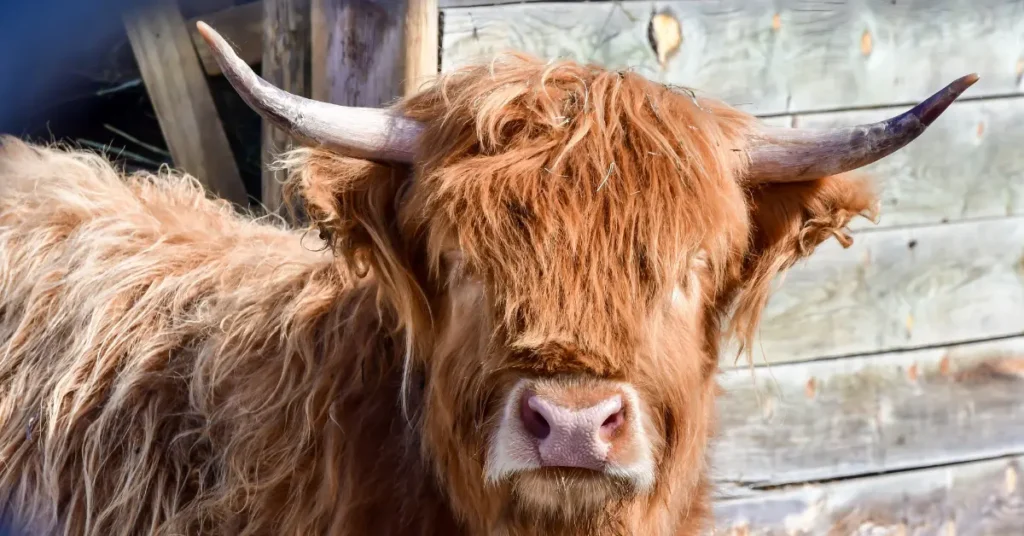
Most people see a Highland cow and notice the horns first. They look long and wide. Some curve upward. Others sweep out from the head. This makes many new owners ask a simple question. Do Highland cows need their horns trimmed?
In most cases the answer is no.
Healthy Highland cow horns can stay on the animal for life. The horns are a natural part of the breed. They do not need routine cutting like hooves need routine trimming. A farmer should watch the horns and check their direction. The goal is not to keep them short. The goal is to make sure they do not hurt the cow or create a serious farm safety problem.
Some horns grow in a safe direction. Others may turn toward the face. A damaged horn can crack or bleed. A horn may also become trapped in a feeder or wire fence.
I have learned that good horn care usually starts with better facility design. A wider gate can solve more problems than a saw. A safer feeder can stop horn trapping. More space can reduce pushing between cattle.
Horn cutting should only happen when there is a clear reason. A trained veterinarian should guide the process.
When Should Highland Cow Horns Be Trimmed?
Routine horn trimming is not normal care for Highland cattle.
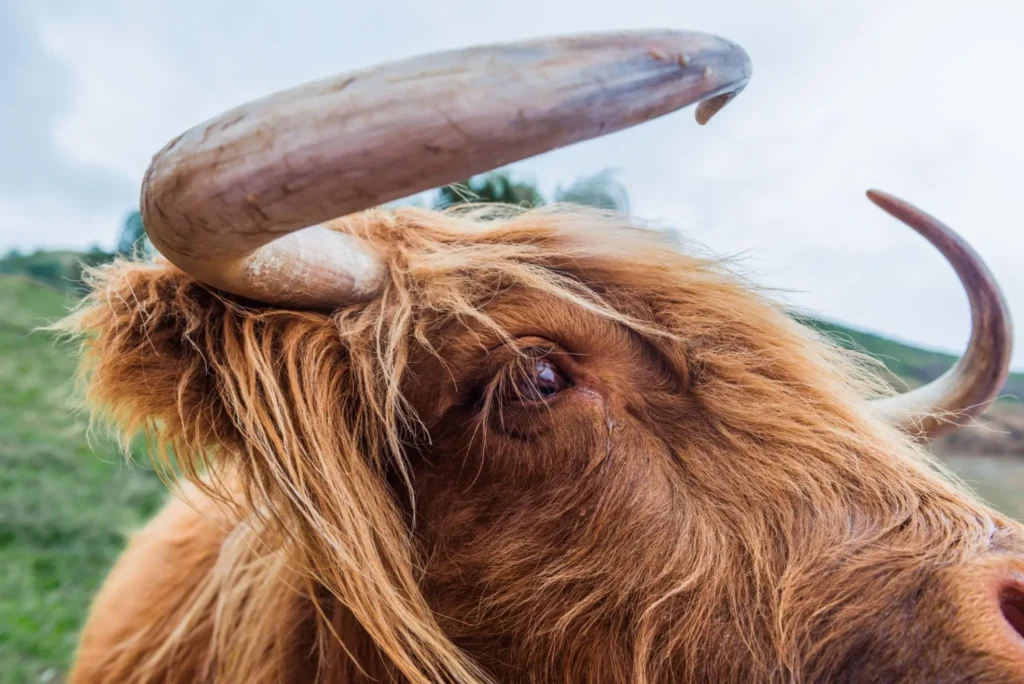
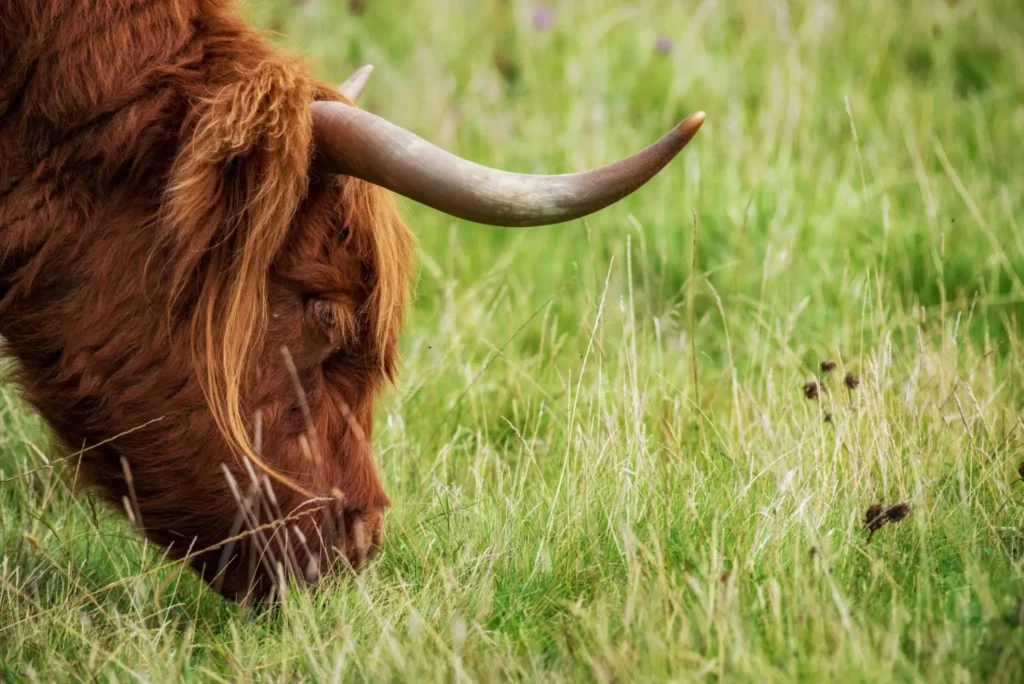
A long horn is not always an overgrown horn. Highland cows naturally develop long sweeping horns. The size alone does not prove that the cow needs treatment.
The direction matters more than the length.
A horn may need attention when it grows toward the eye or presses against the face. It may also need help when it enters the skin. This is called an ingrown horn.
An ingrown horn can cause constant pressure. The skin may become sore. The wound may also become infected. The cow may hold her head in a strange way because she feels pain.
A veterinarian may suggest horn tipping when only the sharp end creates the problem. Horn tipping removes a small part from the tip. It is not the same as full adult dehorning.
Full dehorning removes much more of the horn. This creates a larger wound. It may also reach living structures inside the horn.
Horn care may become necessary when the horn:
- Grows toward the eye
- Touches the cheek
- Presses against the neck
- Enters the skin
- Blocks normal vision
- Breaks or splits
- Starts bleeding
- Shows signs of infection
- Becomes trapped again and again
- Makes safe restraint impossible
A broken horn needs quick attention. The injury may look small from far away. It can still involve blood vessels or sensitive tissue.
Owners should not trim horns only because they look too large. Cosmetic trimming can expose the cow to pain and infection without giving any real benefit.
The first step should be a full veterinary assessment. The vet can check the horn shape and the skin around it. The vet can also decide if management changes can solve the issue.
Sometimes a larger feeder fixes the problem. A wider gate may give the cow enough room. More feeding space may reduce horn contact between animals.
A horn procedure should support animal welfare. It should not replace good farm planning.
How Fast Do Highland Cow Horns Grow?
Highland horns grow slowly over time. They do not stop after the cow reaches adult size.
True horns are permanent structures. They stay attached to the head. They can continue changing in length and thickness through the animal’s life. There is no single growth rate for every Highland cow.
Young cattle often show faster visible changes. Their horns are still forming. An older cow may show slower changes. The horns can still keep growing and curving.
A Highland bull and cow often have different horn shapes.
A Highland bull may grow thick horns that move outward from the head. A cow may develop longer horns with a wider upward curve.
Owners should watch the growth direction. A long horn that moves away from the face may stay safe. A shorter horn that turns inward may become dangerous.
The easiest way to track growth is with photos.
Take a front photo every few months. Take one from each side too. Try to use the same angle each time.
Look for changes in:
- Horn length
- Horn thickness
- Horn direction
- Distance from the eye
- Distance from the cheek
- Cracks
- Uneven growth
- Damage near the tip
This simple habit can help an owner notice trouble early.
Young Highland cattle also need proper head clearance. A gate that fits a calf may not fit the same animal one year later. Feeders can cause trouble too. The head may pass through an opening. The wider horns may then stop the cow from pulling back. This can lead to panic and a broken horn. Good horn monitoring means watching the animal and the farm setup at the same time.
Is Horn Trimming Painful for Highland Cattle?
Yes. Horn trimming can be painful.
The level of pain depends on where the horn is cut. The outer tip may contain less sensitive material. Deeper parts connect with living tissue.
A cattle horn is not just a dead shell. It has an outer keratin covering. Under that sits a bony core. The horn also connects with blood vessels and nerves.
A deep cut can cause:
- Heavy bleeding
- Severe pain
- Nerve damage
- An open wound
- Infection
- Frontal sinus exposure
This is why home trimming is risky.
A person cannot always see where the sensitive area begins. A horn may look solid from the outside. The living tissue may sit closer to the tip than expected.
Proper pain management matters.
A vet may use a local anesthetic to block pain. The cow may also receive anti-inflammatory medicine. Some animals may need sedation because head restraint can cause fear.
Safe restraint protects the cow and the workers.
Highland cattle are strong. Their horns make close heads work harder. A proper cattle crush can hold the animal without twisting the neck or trapping the horns.
Owners should never use a rope setup that allows the cow to fall or choke.
Cattle may hide pain. A quiet cow is not always a comfortable cow.
Signs of pain after a horn procedure may include:
- Head shaking
- Head rubbing
- Reduced appetite
- Drooping ears
- Restlessness
- Holding the head lower
- Avoiding the herd
- Reduced activity
- Sudden aggression
A cow that stops eating needs quick attention.
Good post-procedure care should include wound checks and pain medicine. The farmer should follow the vet’s instructions closely. Horn trimming is not a small beauty job. It is a serious livestock procedure.
How to Handle Overgrown Highland Cow Horns
Do not grab a saw when a horn looks too long. Start with careful observation. Stand at a safe distance and look at the cow from the front. Then look from each side. Watch how she moves through gates and feeders.
Ask these questions:
- Does the horn touch the skin?
- Does the cow tilt her head?
- Can she eat without getting stuck?
- Does one horn point toward the eye?
- Is there swelling near the base?
- Is the horn cracked?
- Is there dried blood?
- Does the cow avoid head contact?
A horn that enters the skin needs urgent veterinary care. Do not pull the horn away from the wound. This may tear tissue and increase bleeding. A veterinarian may choose simple monitoring when the horn still has safe clearance. The vet may suggest a change in the feeder. The vet may also perform limited tipping.
A badly damaged horn may need more treatment. A safe examination needs proper livestock facilities. The floor should not be slippery. Gates should work well. The cow should stand in a strong restraint system.
A broken horn can bleed heavily. Keep the cow calm. Move other cattle away when this can be done safely. Do not pull off loose horn pieces. An open horn wound may collect dirt and flies. Rain can also enter the area. Deep damage may reach the sinus.
Timing also matters. A vet may avoid certain procedures during heavy fly season. Very cold weather can create other problems. After treatment the cow may need a clean recovery pen. Do not place her in a crowded group right away. Another horned animal may hit the healing area.
Good aftercare protects the cow from pain and wound infection.
Can Highland Cow Horns Cause Injuries?
Yes. Highland horns can cause serious injuries.
The cow does not need to be angry. A calm cow may turn her head while eating. The horn may strike another cow or a person. A frightened animal may rush through a gate and trap someone against a wall.
Possible horn injuries include:
- Deep puncture wounds
- Bruising
- Cuts
- Torn skin
- Eye damage
- Broken bones
- Crushing injuries
The danger rises in tight areas.
Narrow gateways create pressure. Small trailers reduce movement space. Crowded feeders bring several horned animals close together.
Horned cattle may also injure one another after herd mixing. New animals need time to form a social order. Crowding can make this worse. A cow may swing her head to protect feed or personal space. Still the horns are not always the main cause. Poor livestock handling often adds to the risk. Shouting can make cattle move fast. Chasing can create panic. Weak gates may break when cattle push forward.
The safest solution may be a farm change instead of horn trimming.
Owners can:
- Widen gates
- Add feeding space
- Replace unsafe feeders
- Remove loose wire
- Reduce crowding
- Separate pushy animals
- Use horn-safe equipment
- Improve escape routes
People should never stand between the cow’s head and a solid wall. Children should stay outside handling areas. A friendly Highland cow can still turn her head without warning. Respect for the animal’s size prevents many accidents.
Do Highland Cows Naturally Shed Their Horns?
No. Highland cows do not normally shed their horns.
Cattle horns are different from deer antlers. Deer grow antlers and drop them during a natural cycle. True cattle horns are permanent horns. They stay attached and keep growing. A Highland cow should not lose a horn during normal seasonal growth. A loose horn may point to a serious problem.
Possible causes include:
- Trauma
- A horn fracture
- Damage at the horn base
- Infection
- An old failed horn procedure
- Another medical issue
A broken outer tip is not natural shedding. The injury may expose sensitive tissue. It can also lead to bleeding. The permanent nature of horns makes early decisions important.
Some farmers choose calf disbudding before the horns fully develop. This destroys the horn-producing tissue. It should still involve proper pain relief. Adult horn removal is harder. The horn is larger and more connected to the skull.
Many Highland owners keep the natural horns because they are an important breed feature. The horns are part of the classic Highland look. Keeping horns means planning for them through the animal’s whole life. The cow needs enough gate width and trailer space. Feeders must match the horn spread. Handling systems should never trap the head.
Natural horns are not a problem when the farm is designed for them.
Best Safety Practices for Horned Highland Cattle
Safe horn care starts with daily management.
A farmer should inspect the horns often. Look for cracks and rough edges. Check the skin near the tips. Watch how the cow uses normal equipment. Does she turn her head sideways to enter a gate? Does she struggle to pull away from the feeder?
These signs show that the farm setup may no longer fit her horns. A good handling system should allow enough head space. The cattle crush should hold the animal safely without twisting the horns.
Feeders need wide openings. The cow should enter and leave without getting trapped. Fences also need regular checks. Remove wire loops and broken sections. A horn can catch in a small gap. Good daily rules include the following.
Inspect the Horns
Check for inward growth and skin contact. Look at the base for swelling.
Reduce Crowding
Give every cow enough feeding space. Add extra water access when needed.
Keep Groups Stable
Avoid mixing unfamiliar horned cattle without a plan.
Handle Cattle Calmly
Do not shout or chase. Slow movement reduces sudden head swings.
Keep an Escape Route
Never stand where the cow can trap you against a gate or wall.
Use Horn-Safe Transport
The trailer needs enough width and headroom. Overcrowding makes horn contact more likely.
Final Thought
So do Highland cows need their horns trimmed?
Most do not.
Their horns grow naturally and stay for life. Long horns are normal for this breed. They only need treatment when they hurt the cow or create a serious safety risk.
A horn that grows toward the eye needs attention. A broken or infected horn needs professional care. An ingrown horn should never be ignored. Adult horn cutting can cause pain and heavy bleeding. It may also expose the frontal sinus. Do not use a home saw or grinder. Inspect the horns often. Give cattle enough space. Use wide gates and safe feeders. Keep handling calmly.
Good farm design usually solves more problems than routine trimming.