
Highland cows are easy to spot because of their long, shaggy hair, wide horns, and thick hair that often falls over their eyes. They come from Scotland, where they learned to live in cold weather and rough land. Their thick double coat helps keep them warm and protects them from rain.
Today, people raise Highland cattle on farms in many parts of the world. Some raise them for beef or breeding, while others keep them to graze on rough land or as part of a small farm. Even though they look calm and friendly, Highland cows are large animals with strong horns. They need proper food, space, shelter, and daily care.
Before getting a Highland cow, it is important to learn about its size, food needs, behavior, breeding, and care costs. Mini Highland cows also need careful research because sellers may use the word “mini” in different ways. This guide covers the main facts about Highland cattle and what you should know before raising them.
People call them a lot of things depending on where you are from. Highland coo, Heilan coo, Hieland Kye, Scottish Highland Cattle, whatever name sticks in your area. It is still the same hardy, rustic breed underneath. And these days their homeland isn’t the only place you will find them either. This has become a real global breed, showing up in far flung parts of the world way beyond western Scotland.
| Topic | Key Information |
|---|---|
| Purpose | Hardy beef cattle, grazing, breeding, small farm use, land management, conservation, beef production |
| Official Name | Highland Cattle, Highland breed, Scottish Highland cattle, Bò Ghàidhealach, Hieland Kye, Highland coos |
| Intelligence | Intelligent cattle, adaptation skills, survival ability, rough pasture management, changing weather adaptation |
| Shedding | Seasonal shedding, winter coat, summer coat, thick hair, adaptation to southern climates and warmer regions |
| Common Colors | Red, yellow, black, and brindle |
| Best Known For | Long shaggy hair, wide horns, hardiness, efficient grazing, Scottish heritage, unique appearance |
| Cold Tolerance | Cold tolerance, comparison with Arctic caribou and reindeer, less heat tolerance than zebu cattle, adaptation to Norway and Canada |
| Global Distribution | Scotland, Europe, Australia, North America, South America, Argentina, Canada, United States, Finland, France, international breed |
| Royal Connection | Queen Elizabeth II, 1954, Highland cattle herd, royal herd |
I found out this breed goes back to the 6th century once, and my jaw actually dropped a little. That’s not some made up marketing number either. Highland cattle have been roaming the Scottish Highlands and the Western Islands, places like the Outer Hebrides, since way before most modern breeds even existed.
Life out there was never easy. Rocky landscapes, cold winters, rough forage, poor grazing land that barely gave these animals enough to eat. But farmers needed cattle that could survive it anyway, since this breed became a real part of the Scottish economy over time. By the eighteenth century, drovers were walking these cattle all the way from places like Falkirk and Crieff down to English markets, crossing into England and the Pennines just to reach buyers willing to pay for them.
One record from 1723 stuck with me.Around 30000 Scottish cattle made that long walk for slaughter that year alone. Just think about herding that many animals across rough land with no trucks and no trailers. Just farmers and drovers doing it the hard way, one step at a time.
Things got a bit more official later on. A breed society formed in 1884, and the Highland Cattle Society put together the first herd book in 1885, keeping pedigree records for registered cattle going forward. Before that there were actually two versions of this animal, the Kyloe from the islands and a separate mainland type, sometimes black cattle, sometimes dun, brown, or red. Farmers on the Hebrides would move them across narrow straits called kyles, which honestly sounds like a rough job.
From there this traditional cattle breed just kept spreading. Exported countries eventually included North America, South America, Australia, Canada, Argentina, the Falkland Islands, and the United States. Even the former Soviet Union got in on it, along with plenty of Europe, Finland, France, Norway, Sweden, Denmark, Lithuania, Italy. Some even ended up high in the Andes, almost 10000 feet up. That still surprises me every time I think about it. Today there are around 40000 of these cattle spread across the world, in places their ancestors probably never dreamed of reaching.
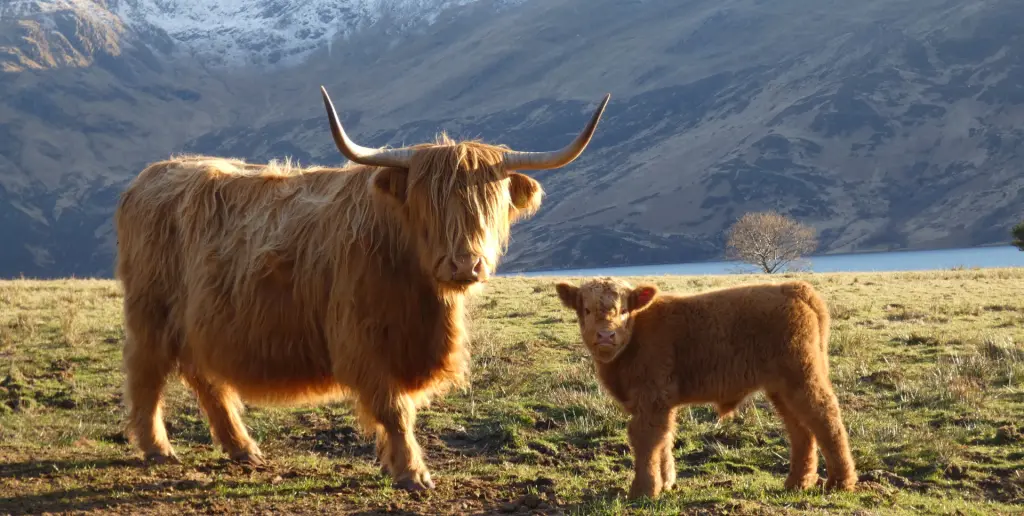
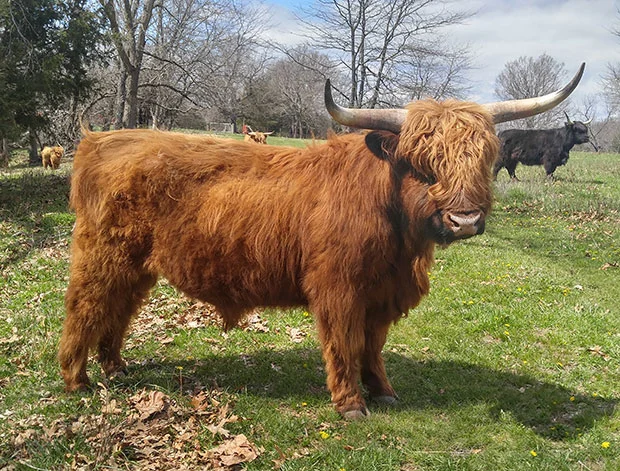
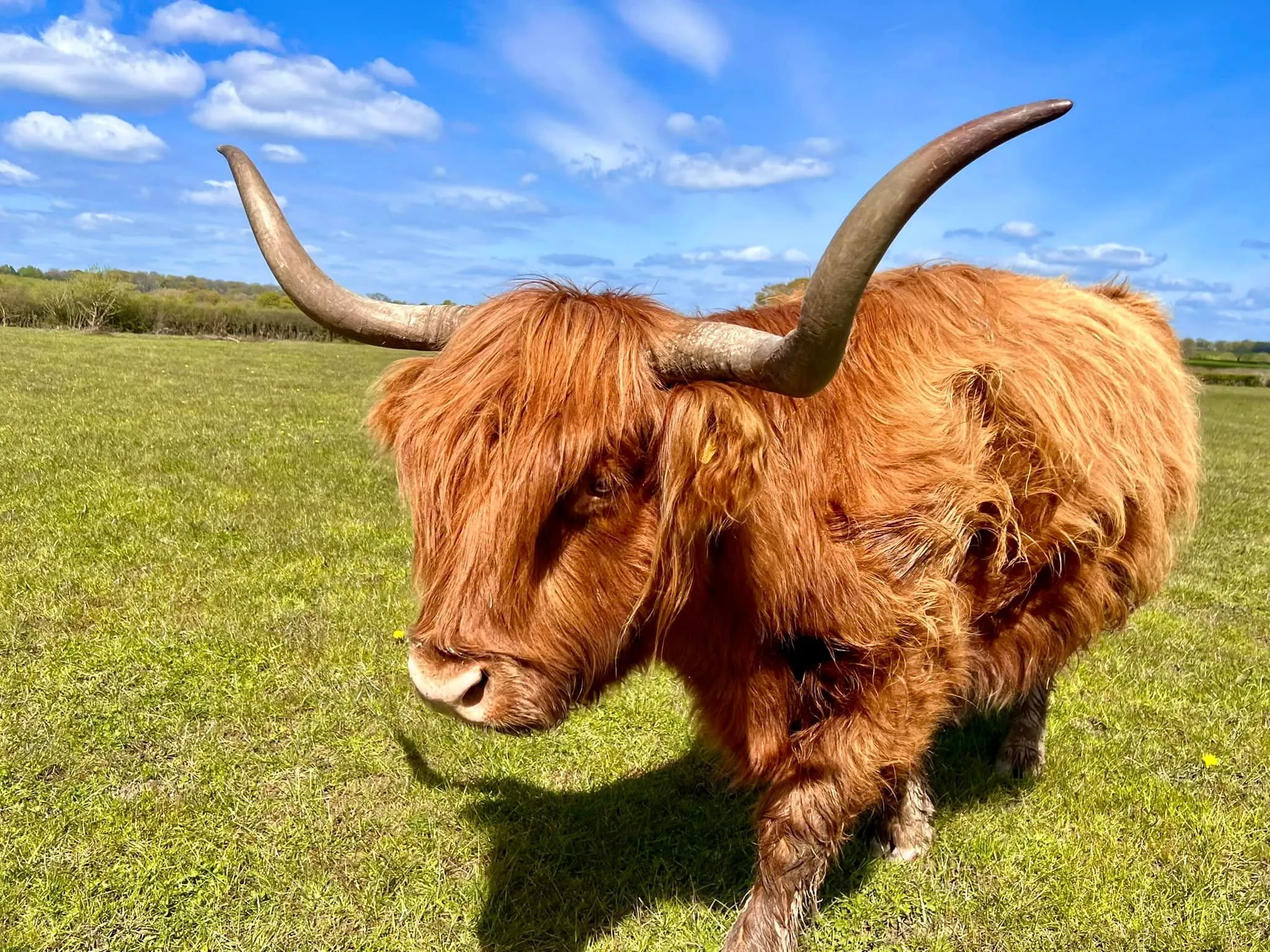
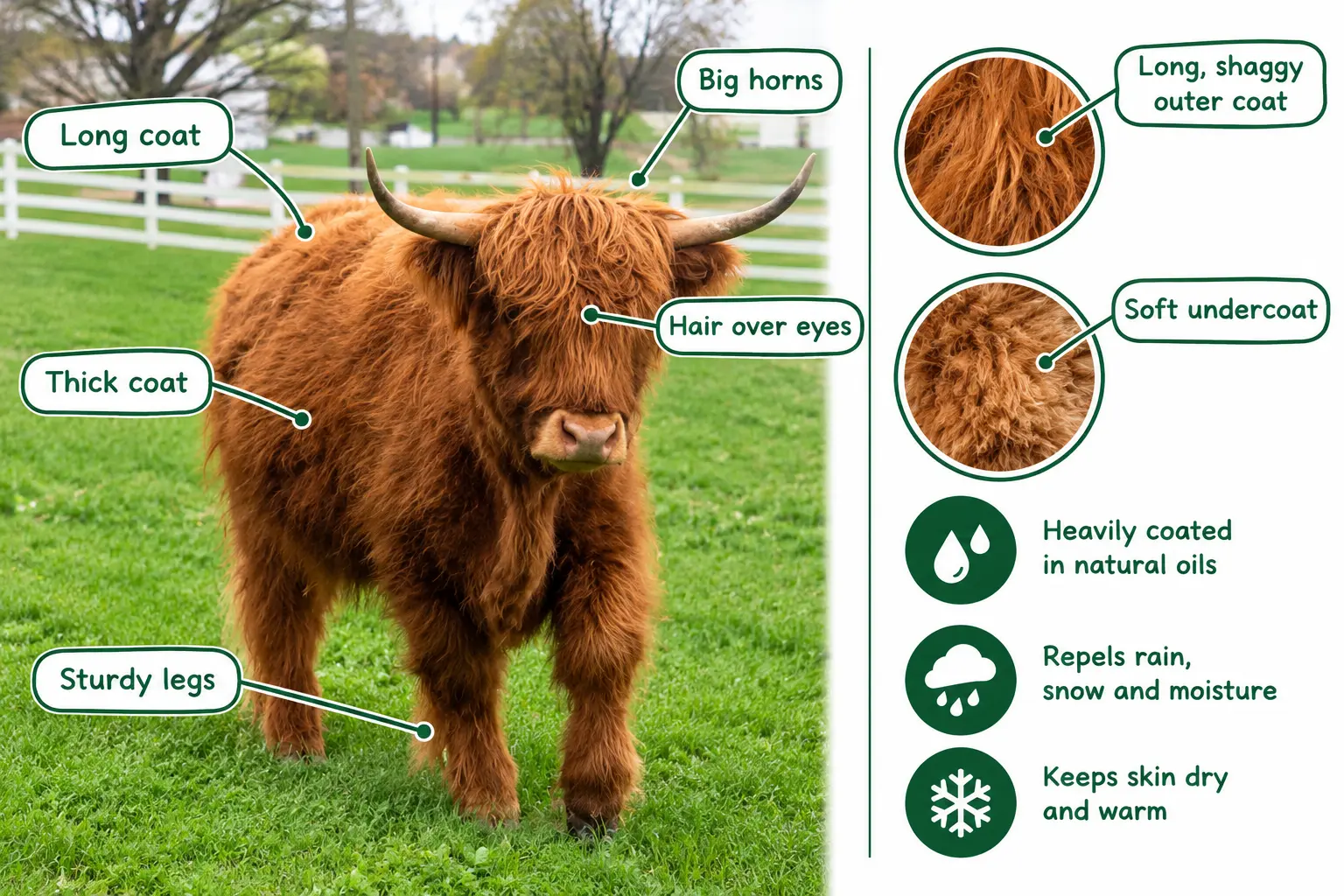
Highland cows are easy to recognize because of their long hair and wide horns. They have strong bodies and a thick fringe of hair that often hangs over their forehead. This hair is called a dossan. Both male and female Highland cattle grow horns naturally.
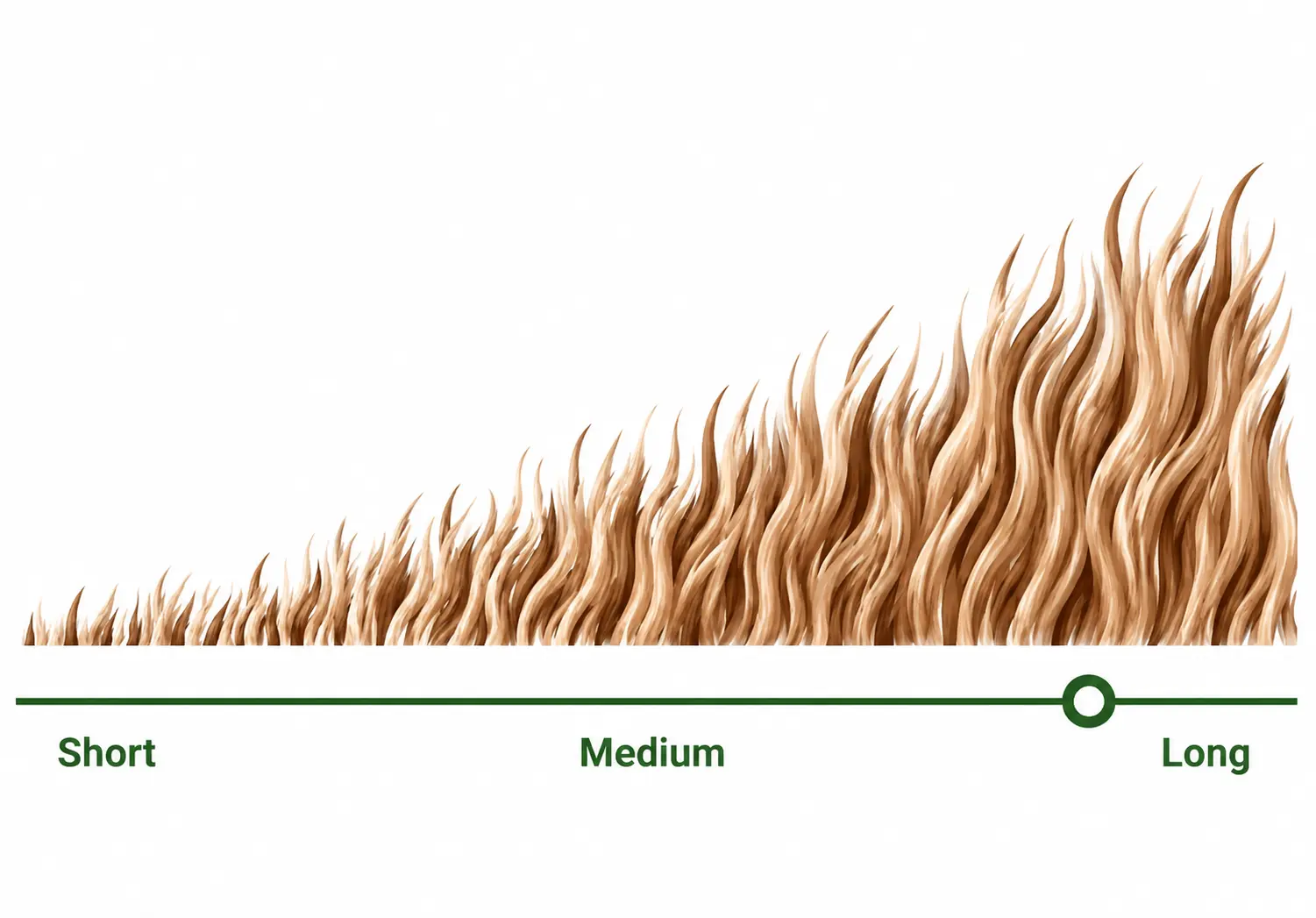
Their coat has two layers. The long outer hair helps keep rain away and protects them from wind and bushes. The soft inner layer helps keep them warm in cold weather. Their hair may grow thicker in winter and become shorter in warmer weather.
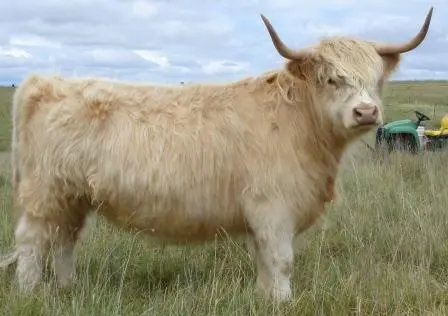
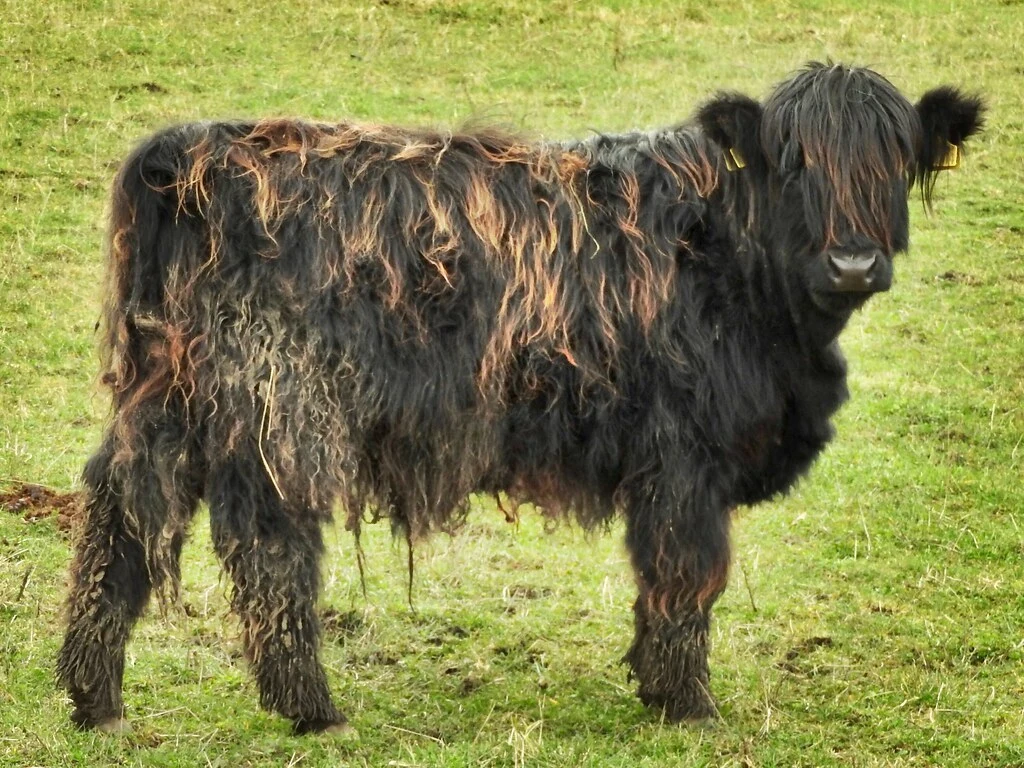
Red is a common color in Highland cattle but they can have other coat colors too. Their color does not tell you if they are healthy or friendly.
Their long hair still needs proper care. Owners should check the skin for cuts and irritation. They should also watch for health problems that may be hidden under the thick coat. In hot weather Highland cattle need shade and fresh water to stay cool. Their thick hair helps in cold weather but can make hot weather harder for them.
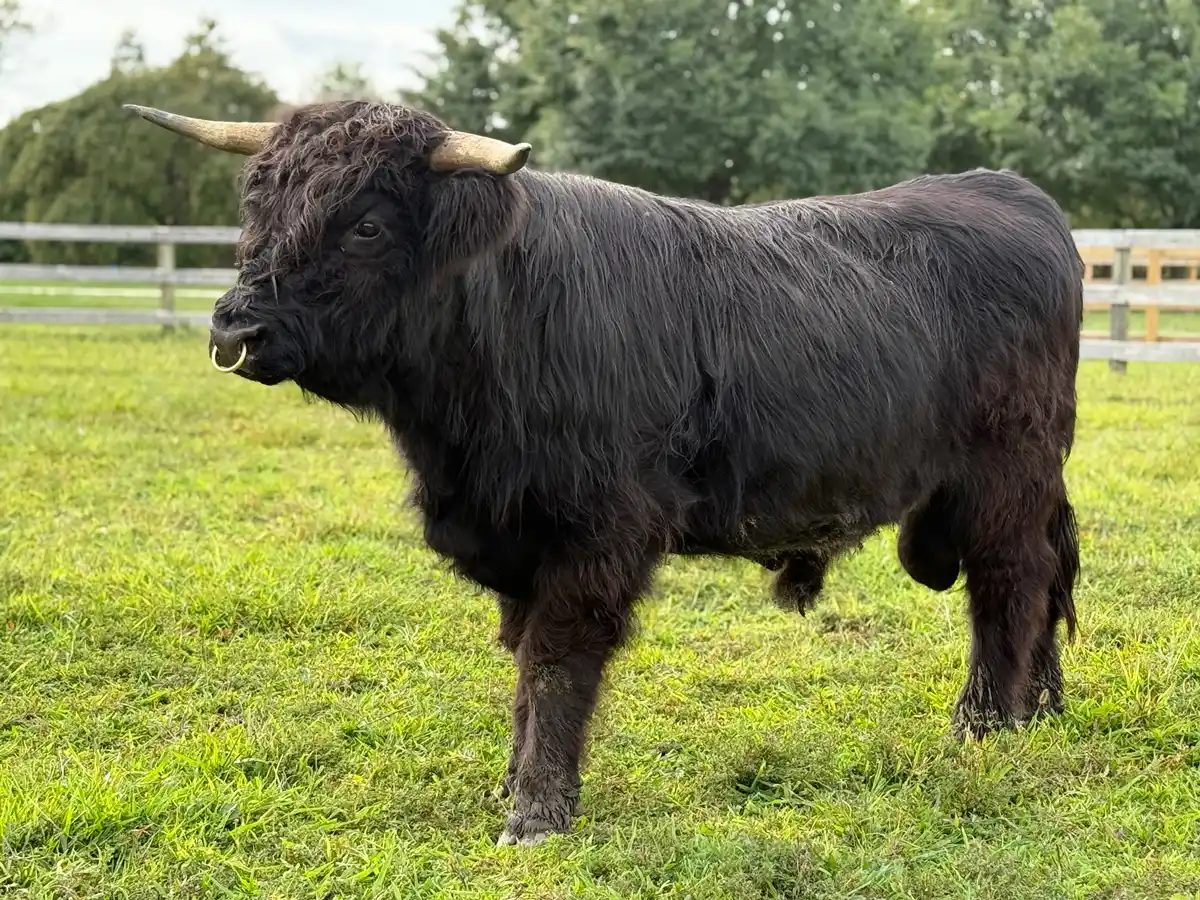
People always ask me how big a Highland cow actually gets. Honestly it depends a lot on which one you’re looking at. Highland cattle count as a medium sized cattle breed among livestock animals but there’s a real range within that.
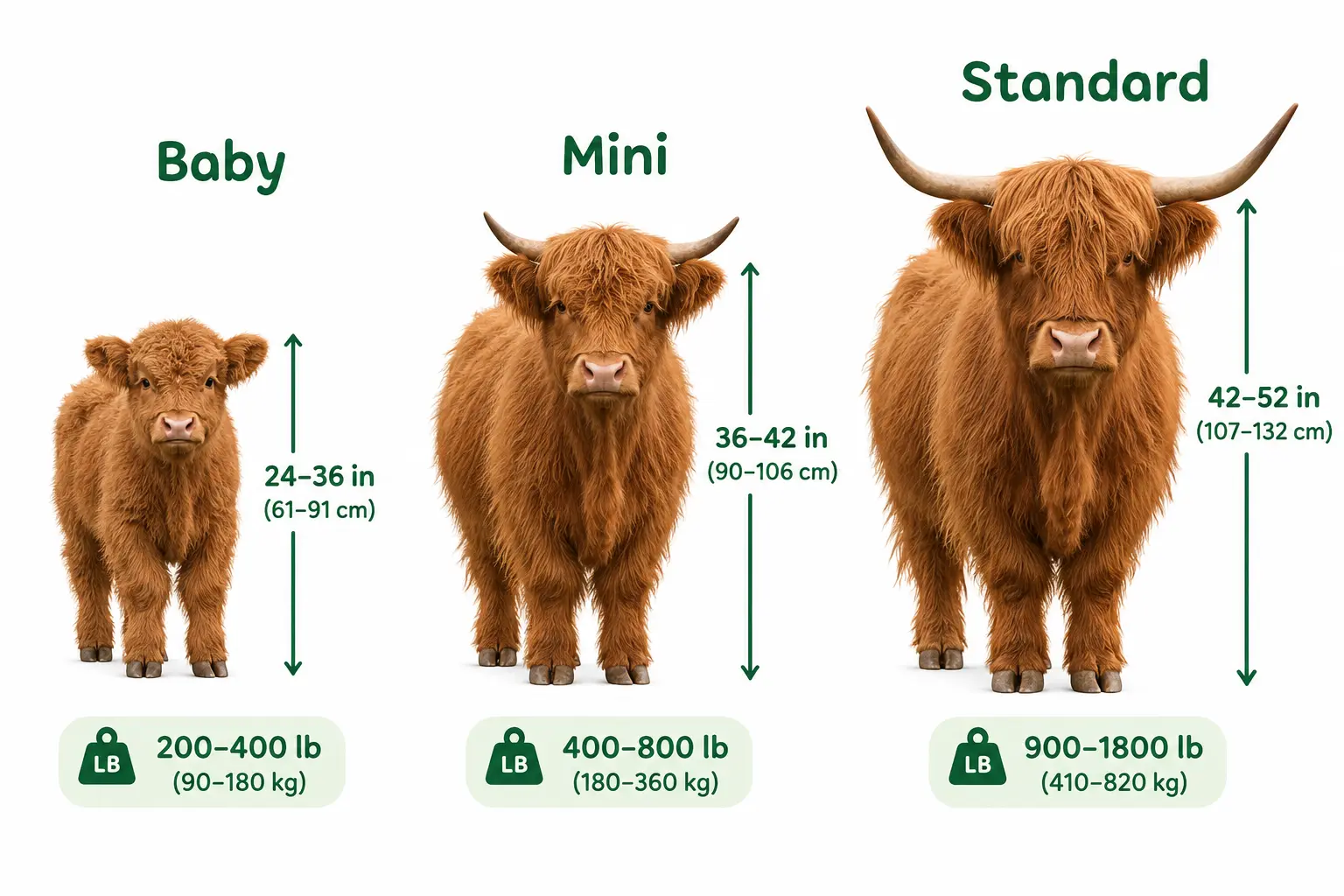
A mature Highland cow usually sits somewhere between 900 to 1200 pounds. Bulls run heavier. A Highland bull can reach 1200 to 1800 pounds. Some even push up toward 1500 to 2000 pounds depending on genetics and nutrition. Heifers stay lighter until they grow into full sized cows over time.
Height follows a similar pattern. Standard Highland cattle usually stand around 42 to 48 inches at the shoulder which is about 107 to 122 cm. Bulls tend to stand a bit taller. Often closer to 44 to 52 inches or about 112 to 132 cm at the shoulder. That muscular build makes them look even bigger than the numbers suggest honestly.
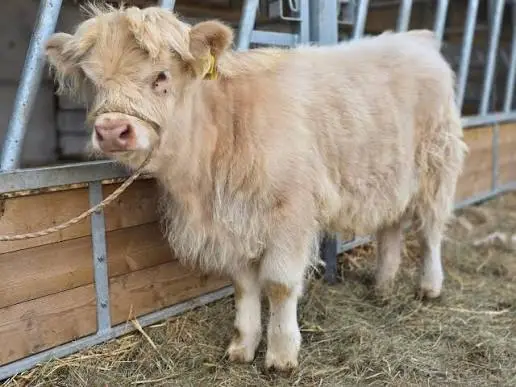
Then there is the smaller side of things. Mini Highland cattle and micro Highland cattle have become popular through selective breeding and sometimes crossbreeding. These smaller Highland cattle usually measure somewhere around 90 to 106 cm or 106 to 120 cm depending on how a breeder classifies them.
Breeder terms can get confusing fast since there isn’t always one official breed classification everyone agrees on. Mature size really comes down to genetics, nutrition and honestly breeder reputation too. Some breeders are stricter about keeping true miniature cattle lines while others blend things a bit more loosely.
Highland cattle are often calm and curious when people treat them well. This makes them a good choice for some small farms. However every animal has its own behavior. The way people handle them and their past experiences can affect how they act.
A calm Highland cow is not the same as a pet. These are strong animals and both males and females have horns. Even cattle that know people can move suddenly when they feel scared. Stay away from their heads and do not walk between a cow and her calf unless you know how to do it safely.
Owners should move slowly and speak calmly around Highland cattle. Do not shout at them or chase them. Give them enough space to move and use proper cattle equipment when moving or treating them. Children and visitors should stay behind a safe fence and should not enter the area to touch the cattle.
Highland cattle like to live with other cattle. They usually do better when they have suitable company instead of being kept alone for long periods. If you plan to keep just one Highland cow you should ask an experienced cattle owner how to provide safe and suitable company.
Highland cattle are raised for different reasons but beef production is one of the main ones. They can graze on rough land where grass and other plants grow. The best use depends on the farm and the owner’s needs.
Farmers raise Highland cattle for meat. Their growth and final weight depend on their genes and the food they eat.
Farmers keep cows and bulls to produce calves with good traits.
Highland cattle can help control grass and other plants on suitable land.
Their long hair and large horns can attract visitors. Farms need safe fences and close supervision to protect people and animals.
Not every Highland cow is right for every job. Farmers who want to breed cattle should look at their health and body shape. They should also check fertility and family history. For grazing they need to make sure the land has enough food and the cattle can be handled safely.
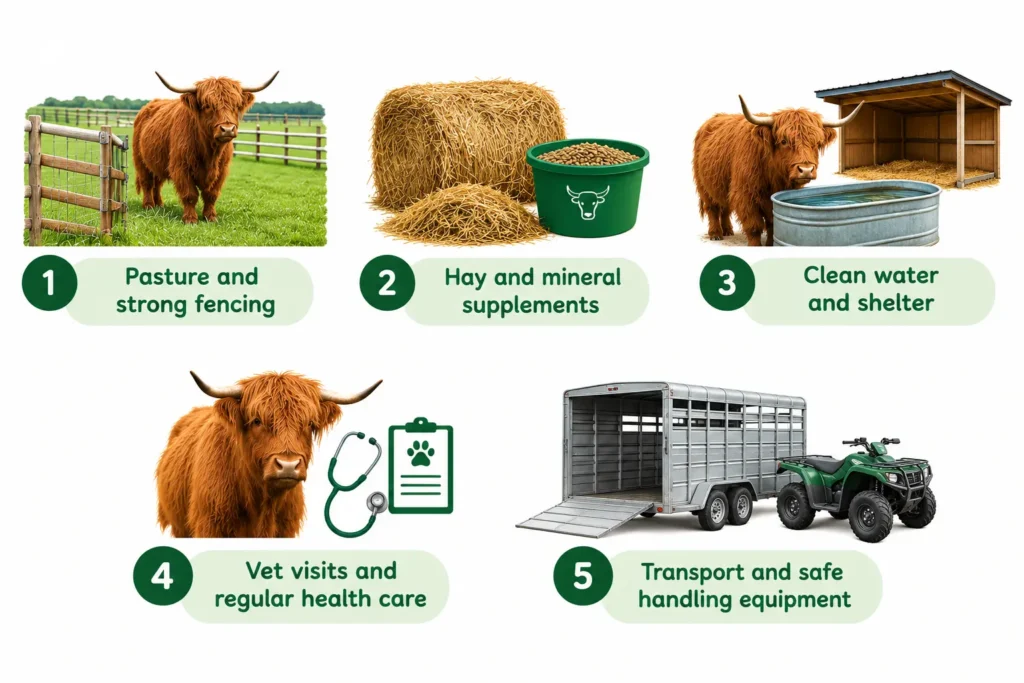
Highland cattle may be popular on small farms but they still need proper care. Owners must provide safe fences and suitable facilities along with regular care.
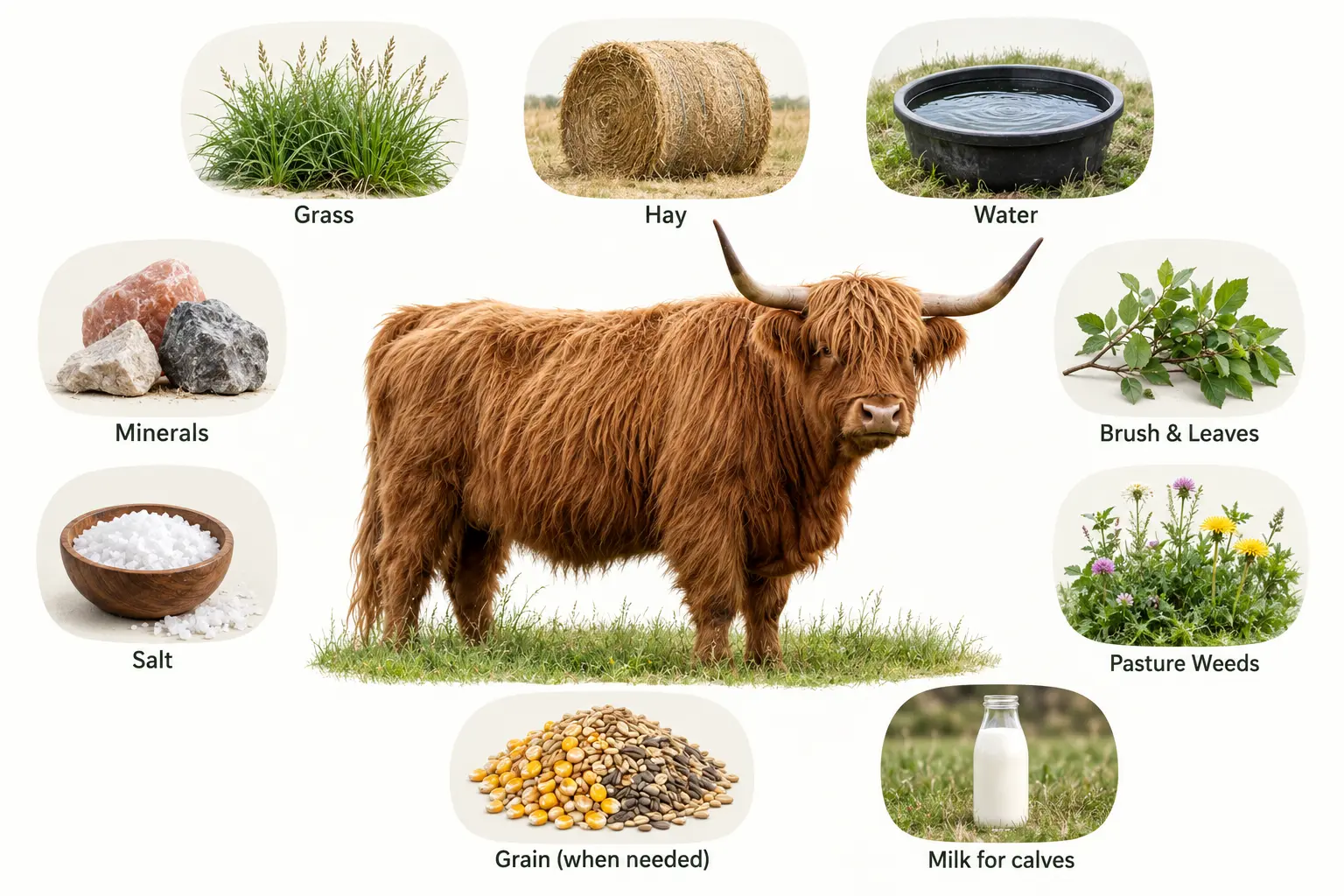
Highland cattle eat grass and other plants. They are ruminants which means they chew their food again to help digest it. They can eat grass on rough land but poor grass may not give them all the nutrients they need. Their diet depends on the season and grass quality. Age and body condition also matter. Pregnant cows and cows that produce milk may need extra nutrition.
Hay is useful when there is not enough grass or during winter. Highland cattle must always have clean water. They also need minerals to stay healthy. The right minerals depend on their feed and the needs of the herd. Giving too many minerals without checking their needs can cause health problems.
Here are some simple feeding tips:
Highland cattle can graze well but they still need enough food to stay healthy. Calves and pregnant cows may need different feed from adult cattle. Older animals may also have special needs. Make any big changes to their diet slowly.
The price of a Highland cow depends on its age and sex. Its family history and health can also affect the price. Cows that can be used for breeding may cost more than young calves. Prices also depend on the location and demand. They can change over time so buyers should check local listings before buying.
One breed guide gives rough prices in the US. Highland calves may cost around $2,500 to $5,500. Breeding-age cows may cost about $4,000 to $10,000. These are only example prices and the actual cost may be different.
Before buying a Highland cow ask about its age and health history. You should also check its parents and ask for vaccination and parasite records. Find out how big it may grow as an adult. If possible visit the farm to see how the animal is kept. A cheap cow may cost more in the long run if it has health problems or you are not ready to care for it.
The main difference between standard Highland cattle and Mini Highland cows is their size. Standard Highland cattle grow into medium sized animals while Mini Highland cows are bred or chosen to be smaller. They may have the same shaggy coat and horns but their adult height and weight can be different.
Sellers do not always use the words “mini” and “micro” in the same way. There is no single size standard for all Mini Highland cows. Some are smaller Highland cattle while others may have genes from smaller cattle breeds.
Before buying a Mini Highland cow ask about the size of its parents. Check its age and current height and weight. You should also ask for its family records if they are available. A small calf can grow much bigger than you expect. Do not choose an animal based only on pictures or an advertisement.
Mini Highland cows still need proper care even though they are smaller. They need good food and enough space. They also need company and strong fences. Regular vet care and safe handling are important too. Their horns can still hurt people and other animals. Choose a cow based on its expected adult size and your ability to care for it rather than its looks alone.
Highland cows have a long history and many features that help them live in tough weather. Their thick coats and strong bodies make them different from many other cattle breeds. They can be raised for beef and breeding. They can also help manage grass and plants on suitable land. However they still need good food and a safe place to live along with regular health care.
If you plan to keep a Highland cow think about its adult size and long lifespan. You should also plan for feeding costs and horn safety before bringing one home. Take extra care when buying a Mini Highland cow because it may grow bigger than the seller claims. Learning about the breed before buying will help you care for it properly.