Are you picking between a Highland cow and an Angus cow for your farm or homestead? Both are calm and good beef cattle. The big difference is how they look and how they eat on pasture. It also depends on what kind of farm you have.
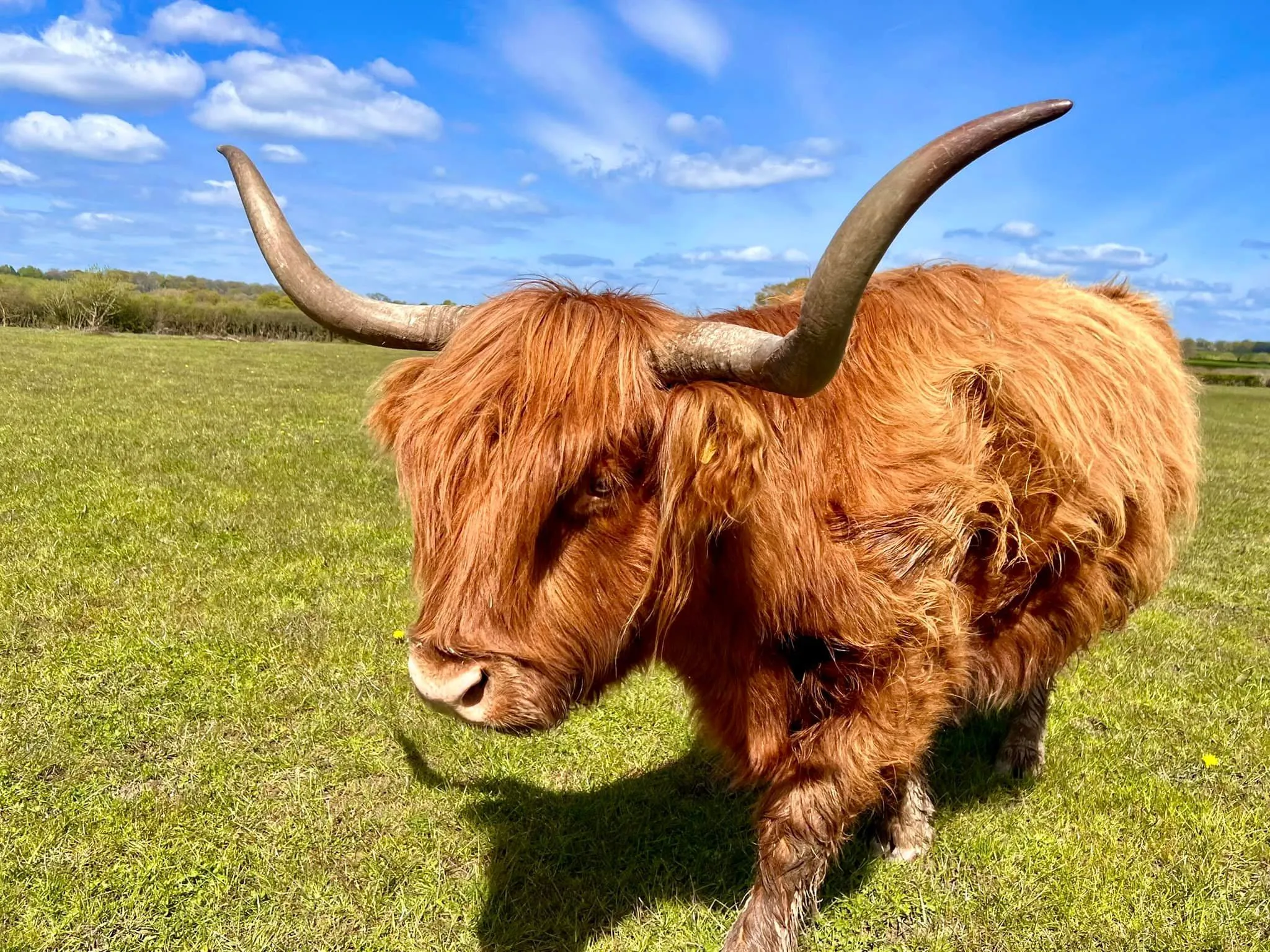
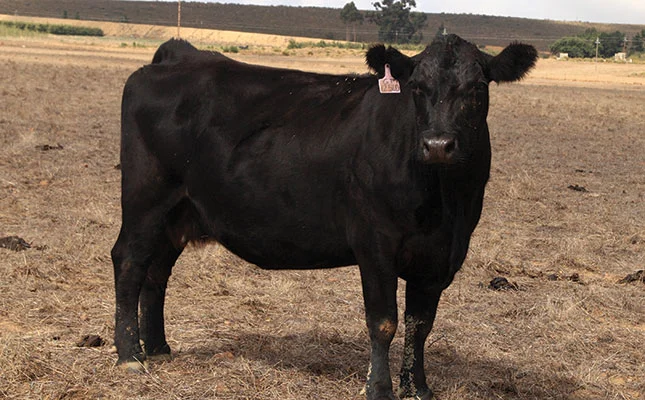
A Highland cow has a long shaggy coat and big horns. It also does well on rough grass and hilly land. An Angus cow has a short smooth coat, is naturally polled and is widely used in American beef production. Both can work well on pasture but they bring different strengths to the farm.
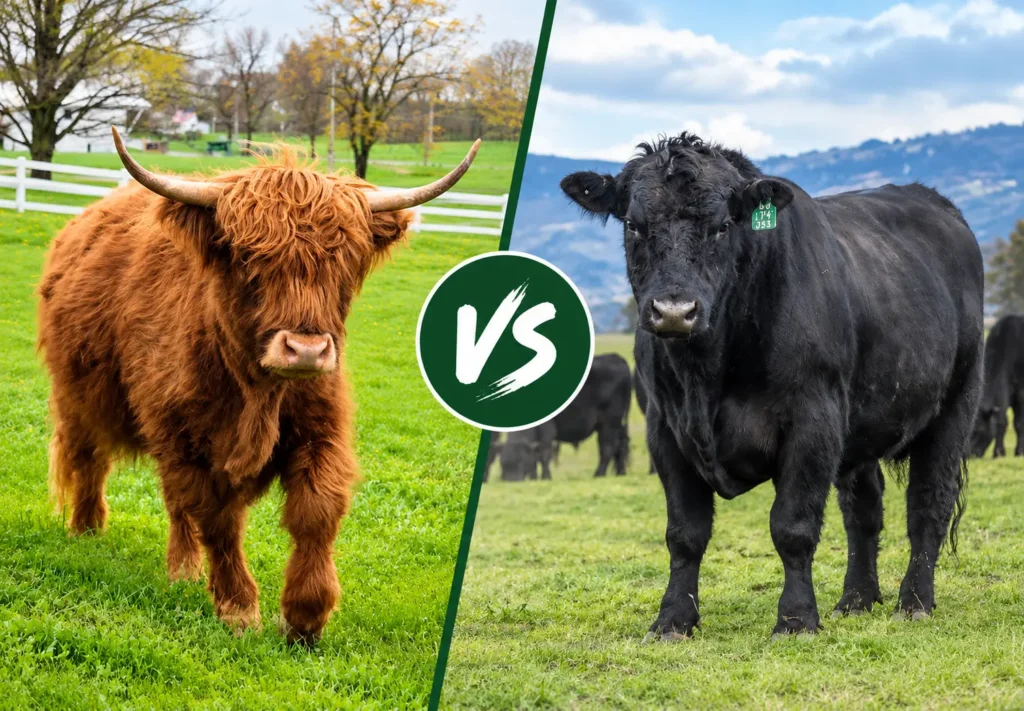
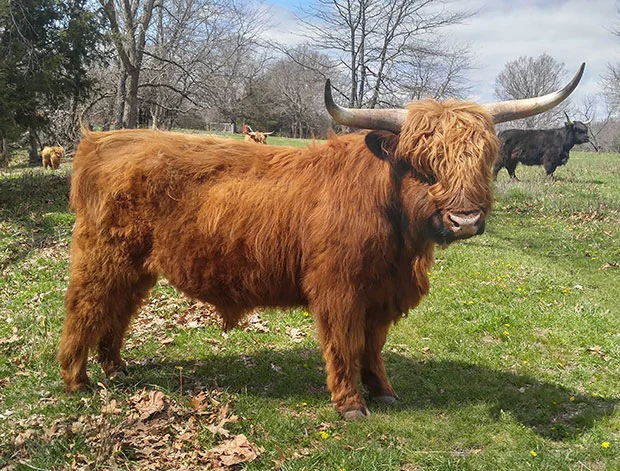
One thing that stands out when you see the two breeds together is that Highland cattle can look much larger than they really are. Much of that size comes from the thick double coat. Under the hair is a moderate frame with a sturdy muscular body. Angus cattle have a more compact low set beef build that looks very different even when the animals are similar in overall size.
For a small farm owner this difference matters. You are not just picking a cow that looks nice in the pasture. You are picking an animal that needs food and water every day. She also needs strong fencing and regular health care. Your land and your daily routine must fit her needs.
|
Feature |
Highland Cow |
Angus Cow |
|
Mature cow weight |
About 900 to 1200 pounds |
About 1200 to 1500 pounds |
|
Mature bull weight |
About 1500 to 1800 pounds |
About 1800 to 2400 pounds |
|
Coat |
Long shaggy double coat |
Short smooth coat |
|
Common color |
Red black yellow dun brindle white and silver |
Black or red |
|
Horns |
Naturally horned |
Naturally polled |
|
Temperament |
Generally calm and docile |
Generally calm and manageable |
|
Grazing |
Excellent rough forage user |
Performs well on good pasture and forage |
|
Main use |
Beef breeding grazing and conservation |
Beef production breeding and commercial herds |
|
Farm fit |
Rough pasture small farms and varied land |
Pasture farms homesteads and commercial operations |
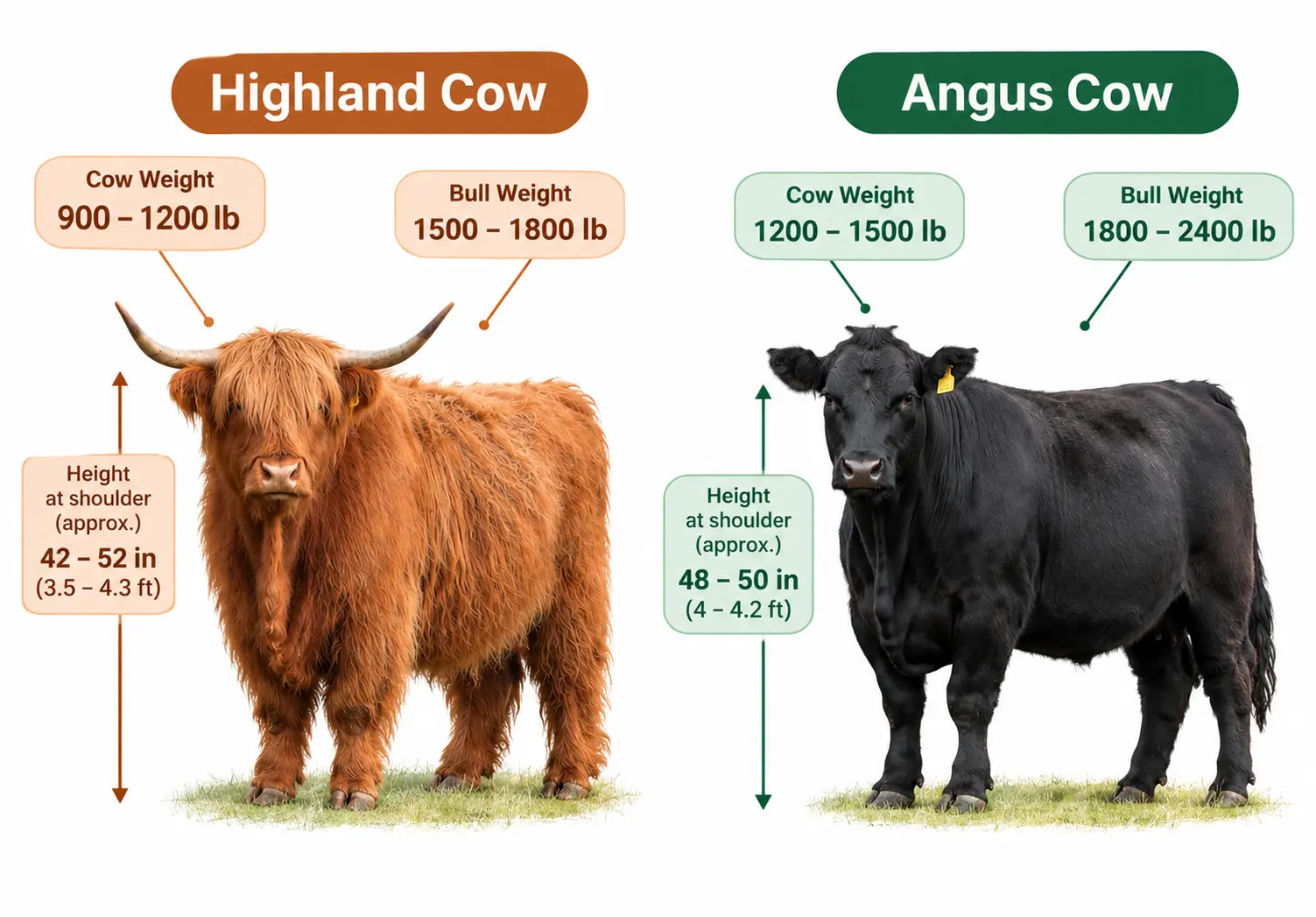
A grown Highland cow usually weighs 900 to 1200 pounds. A grown bull often reaches 1500 to 1800 pounds. They are medium in size. That makes them a good fit for a small farm and a large one too.
Angus cattle are generally heavier. A grown Angus cow usually weighs 1200 to 1500 pounds. She stands about 48 to 50 inches tall at the shoulder. A grown bull can reach 1800 to 2400 pounds. Food and breeding can change these numbers. So can the way you care for the herd.
That does not mean a Highland is a small cow. It is better described as a moderate sized beef breed. The long hair can make a Highland look much bigger than its actual body size. Under the coat you will find a strong frame with good body depth and muscling.
Angus cattle have a compact body with a clear beef type. Their frame is usually easy to see because the short coat does not hide the shape of the animal. This is one reason Angus can look more traditionally like the beef cattle many American farmers are used to seeing.
If you are comparing weight for your own farm do not choose a breed from weight alone. Look at the land you have the amount of grass available and how much feed you can provide during poor pasture months.
A simple way to think about it is:
Highland cattle are calm and easy to handle. They are gentle and do not get stressed easily. Their long horns can look scary but the breed is not known for being mean. I left out the association name so the article has no other group or brand in it.
Angus cattle are also commonly described as calm and manageable. Good temperament can make routine work easier because cattle that move calmly are less stressful to handle during health checks, transportation , breeding and pasture work. Temperament is also something breeders can select for over time.
Still do not treat either breed like a pet dog. A calm cow is still a large animal.
This matters even more with Highland cattle because of their horns. Cows can also become protective around calves. Good fencing, safe handling areas and a sensible distance are part of responsible cattle care.
From a practical farm view I would watch the individual animal as much as the breed name. If you are buying cattle take a few minutes to watch how they respond to people and movement.
Look for:
A quiet animal is easier to work with but good handling still matters. Regular calm contact can help cattle become comfortable with people and farm routines.
This is where the Highland and Angus comparison becomes very easy to see.
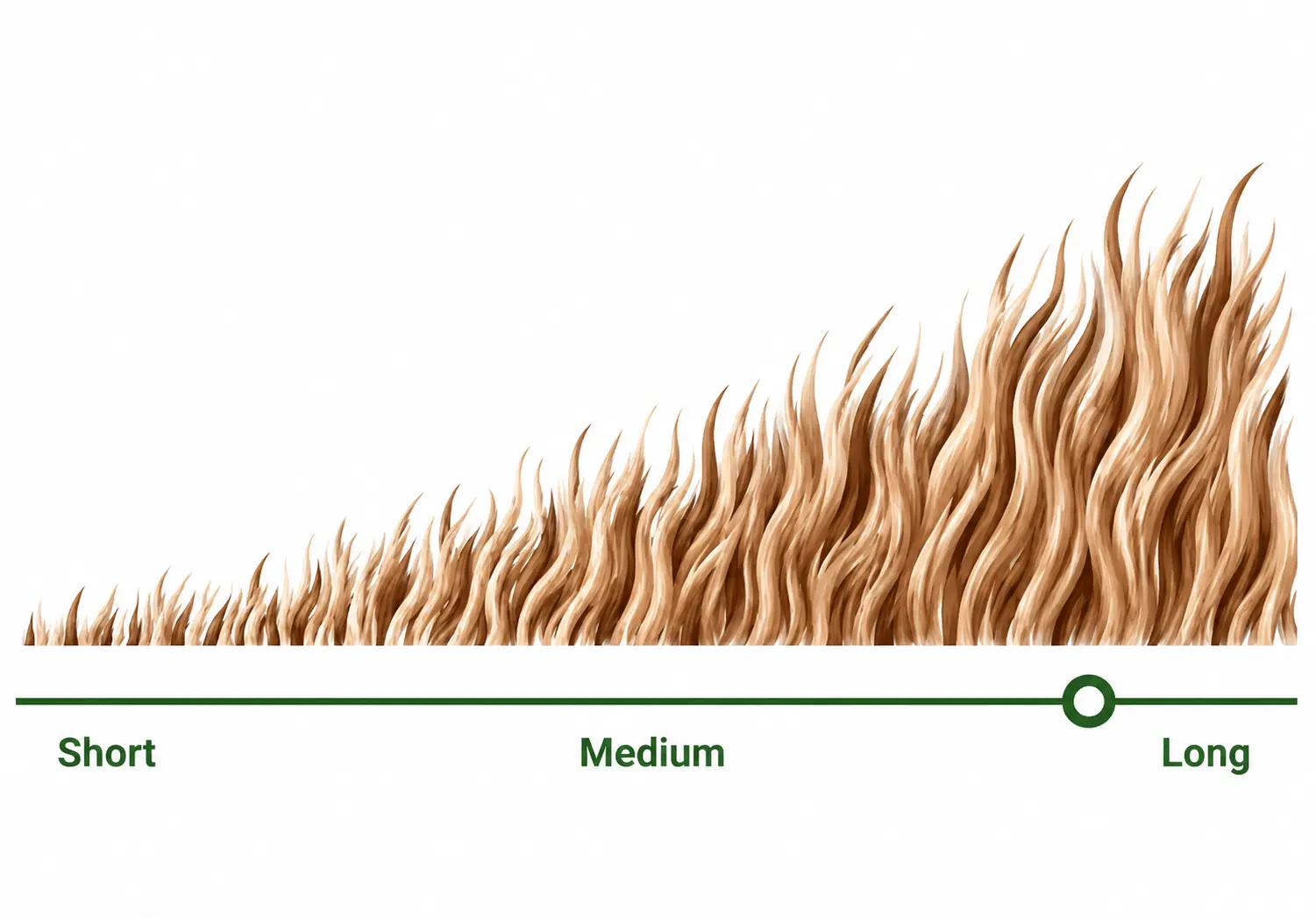
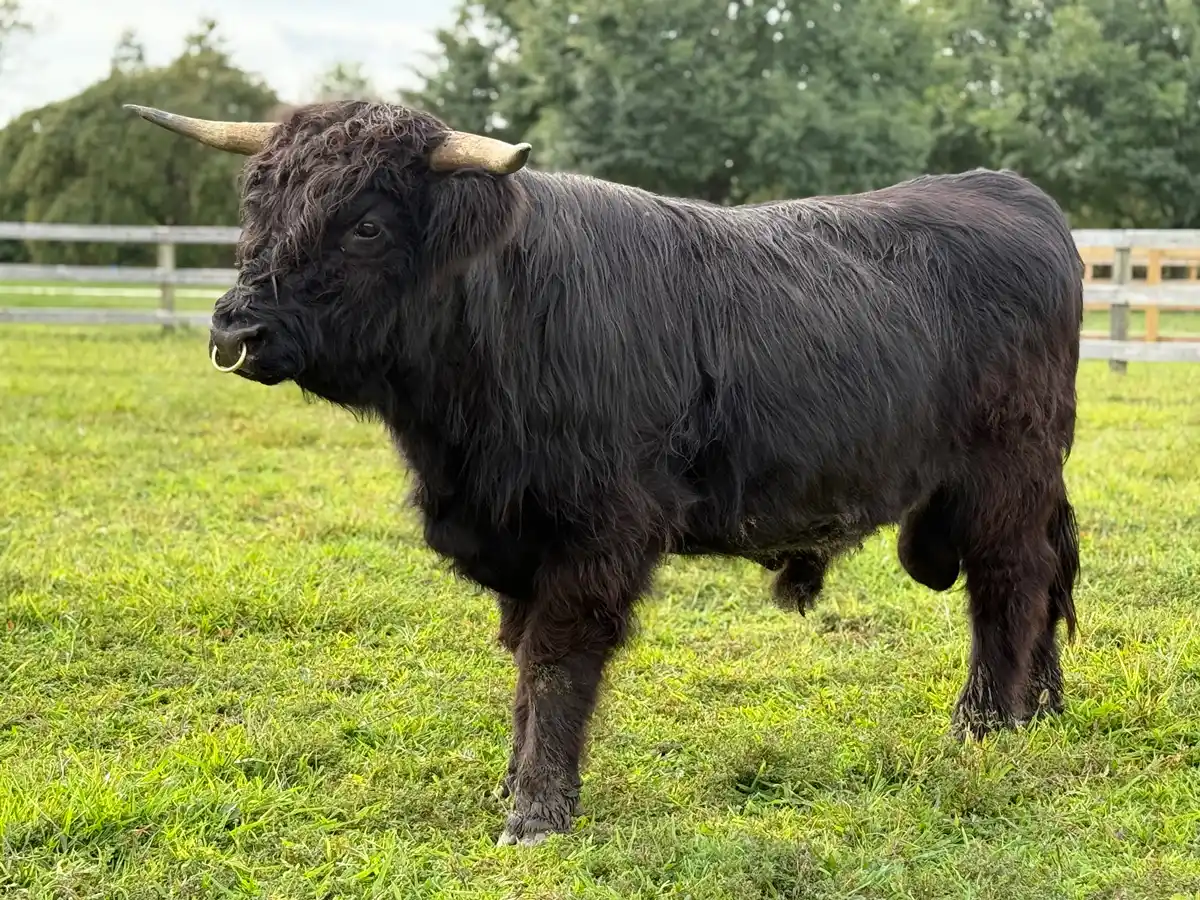
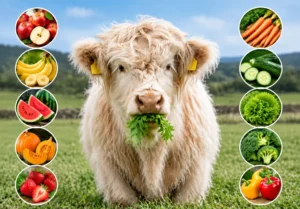
Highland cattle have a long thick coat with 2 layers. The outer layer is wiry fur and the inner layer is soft. This double coat keeps the cow warm in cold wind and snow. It also helps in the rain. The breed has a long forelock that hangs over the forehead. People call it a dossan.
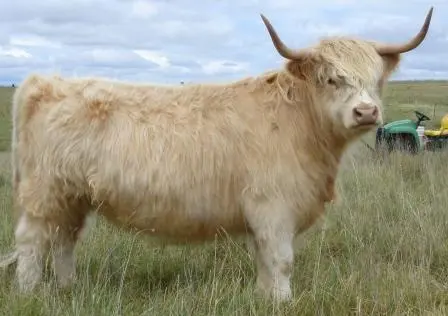
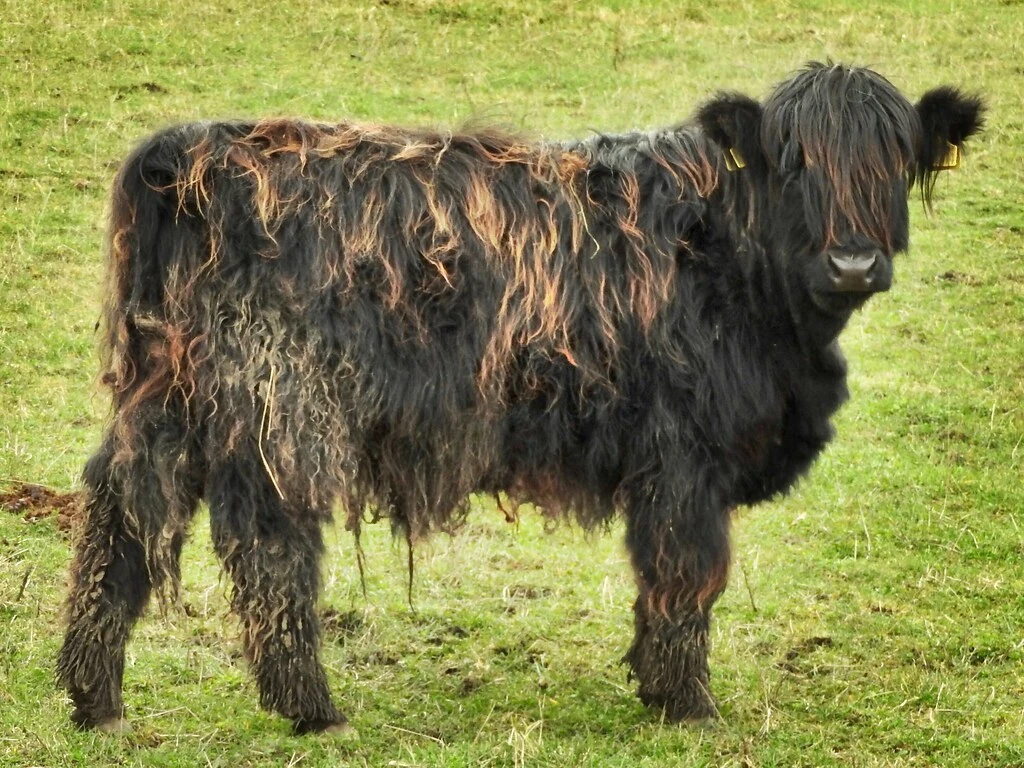
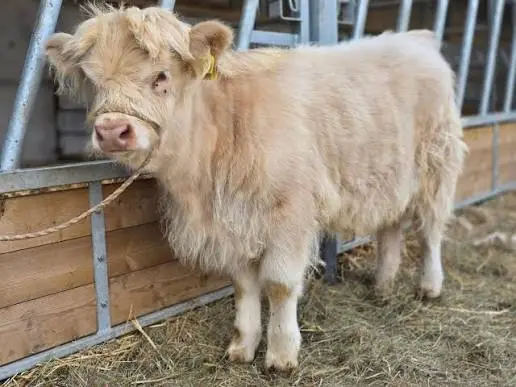
Highlands are not always red. Traditional colors include red black yellow dun brindle white and silver. They also have the large sweeping horns that are part of the breed’s familiar appearance.
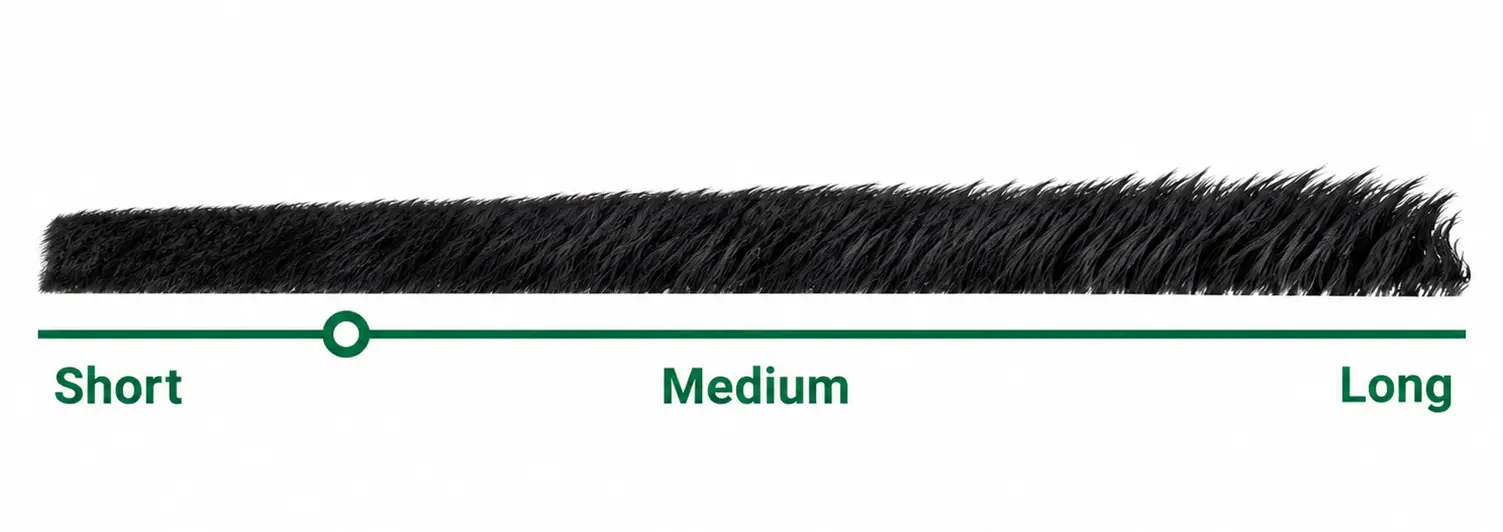
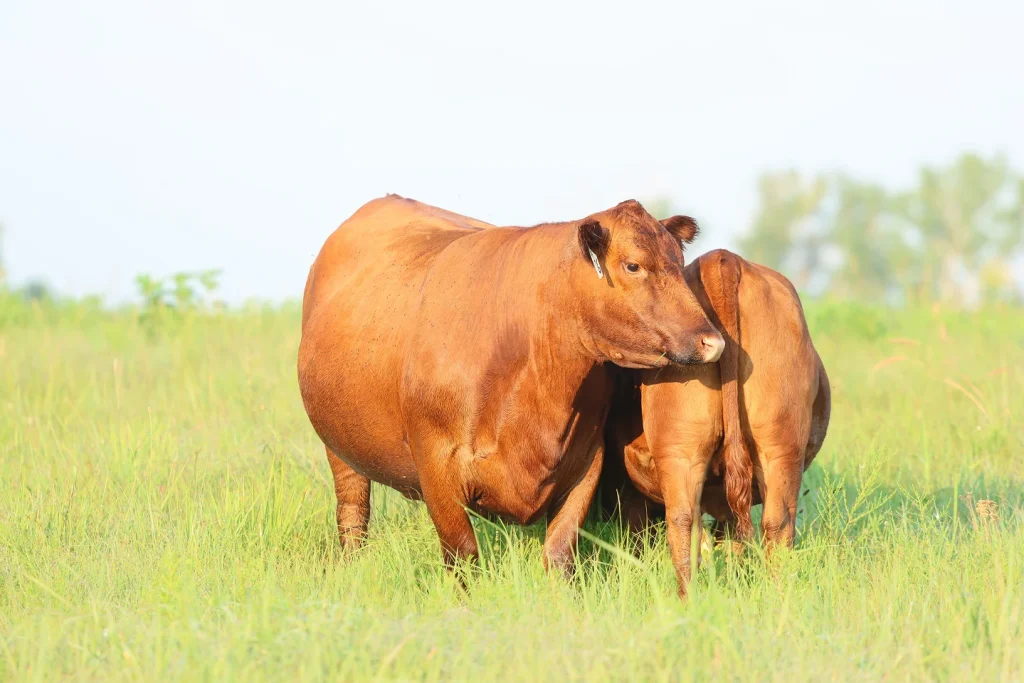
Angus cattle look almost the opposite. They have a short coat and are commonly solid black. Red Angus have a solid red coat. Angus cattle are naturally polled which means they are born without horns.
That hornless trait can make handling simpler because there are no horns to manage. It can also reduce the risk of horn related injuries in the herd and around handling equipment.
If you are looking at cattle from a distance the difference is simple:
The hair is not just for appearance either. Highland cattle developed in harsh Scottish conditions and their coat is one of the reasons they can stay outside in difficult weather with less need for heavy housing.
Both breeds eat grass and can use pasture but Highland cattle have a strong reputation for making good use of rough forage.
Highland cattle do well on rough mountain land. They can live off poor grass and still stay healthy. They also like to browse. That means they eat more than just pasture grass. They will nibble on brush and other plants too.
I left out the society name again so the article has no other group or brand in it.
That can be useful if your farm has hills, brush or pasture that is not ideal for a high input beef system.
Angus cattle can also perform well on pasture. They are commonly used in pasture based systems and can also be managed with hay grain or mixed feeding programs. Studies on Angus cows show that the quality of the grass changes how much she eats. It also changes how much milk she makes and how fast her calf grows.
Neither breed can live on poor food forever. Even a tough cow needs enough energy and protein. She needs minerals and clean water too to stay healthy.
Highland cattle often need less heavy winter housing. Their double coat keeps them warm on its own. In hot weather they still need shade and clean water. Good airflow matters too. The breed can live in warmer places but you must match your care to the climate.
Angus cattle can also live in many parts of the U.S. Hot weather still needs your attention though. Give them shade and water. Try not to work them during the hottest part of the day. This helps lower heat stress.
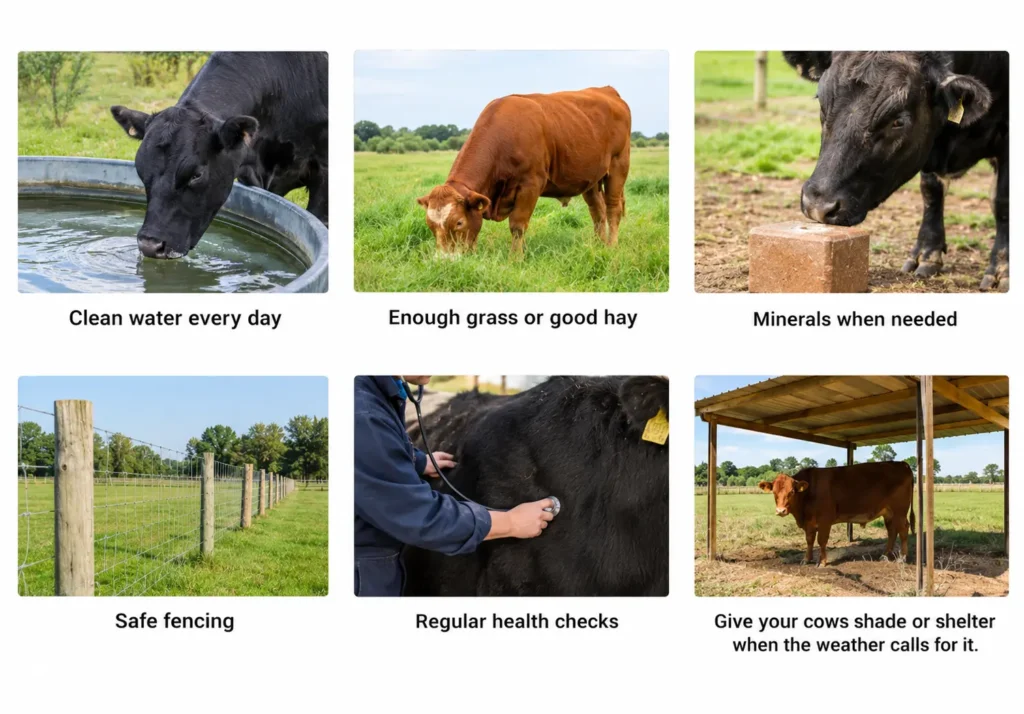
For everyday care make sure your cattle have:
Highland cattle can be a good match if you want a tough cow. They do well on rough grass and live outdoors with ease. They also graze on land that is not perfect. The breed has a long history of surviving in cold wet and windy conditions. Highland cows are also known for good mothering ability, calving ease and long productive lives.
Some Highland cows continue breeding into their late teens. Many Highland cows keep having calves past 18 years of age. Over her life she can raise a lot of calves.
Angus cattle fit farms that focus on beef and strong sales. They are born without horns. They stay calm and live well in many places. Their beef is also top quality. All of this has made them a big part of American beef farming.
I left out the society name again so the article has no other group or brand in it.
For a first time owner the decision can be narrowed down with a few questions:
Highland cattle also have value in conservation grazing because they can browse rough areas and help manage vegetation. The Highland Cattle Society describes them as useful across many farming systems including extensive low input systems.
Angus cattle have a different strength. Angus cattle are bred for beef. That is why many commercial herds use them. Farmers often pick Angus for how well the cows breed and how fast the calves grow. They also look at beef quality and calm behavior. These traits can be measured and tracked. That helps a farmer choose the right animals for the herd.
So keep your own farm in mind. Don’t choose a cow only by how she looks.
The basics stay the same for any breed. Cattle need enough food and clean water. They need safe fencing and regular health care. Your pasture also needs time to rest and grow back after the cows graze it.
A few simple habits can make herd care easier:
Don’t think a tough breed needs no care. Highland cattle are hardy but they still need good food and a smart plan. Angus cattle can live in many places but they also need good grass and regular health care. They need the right shelter for the weather too.
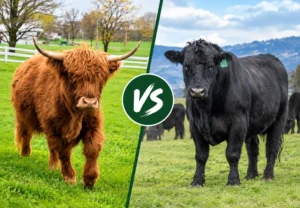
Highland and Angus cattle can both be useful choices but they solve slightly different farm problems. Highland cattle stand out for their long coat horns, hardiness rough forage ability and long productive lives. Angus cattle stand out for their compact beef build, naturally polled head adaptability and strong role in American beef production.
If your land is rough and you want a hardy grazing animal Highland may fit your system well. If your goal is a familiar commercial beef breed with strong market demand Angus may fit more naturally.
The best choice is the one that matches your pasture climate handling setup and reason for keeping cattle.