What Is Highland Cow Temperament?
Temperament means the usual way an animal reacts to people and its environment. It includes fear, curiosity , confidence, aggression and how quickly the animal shows stress recovery after something worries it.
A calm Highland cow may stay quiet while the owner brings hay or fills the water trough. She may show relaxed gate movement instead of rushing forward. A trained cow may accept brushing and halter training from familiar people.
Not every animal acts in the same way. One cow may enjoy attention. Another may stay at a distance near the back of the fold. This does not always mean bad behavior. Some are simply shy cattle.
I would never judge a cow after one short meeting. Repeated behavior gives a clearer picture. A calm animal may act differently after transport stress or veterinary treatment. A mother cow may also change after giving birth.
Several things shape Highland cattle behavior. These include early social contact previous handling pain sickness hunger thirst and available space. Herd stability also matters. So do farm noise weather stress age sex pregnancy calving and handler behavior.
Cattle have a strong cattle memory. Rough treatment can make future work harder. Calm repeated contact often supports confidence building.
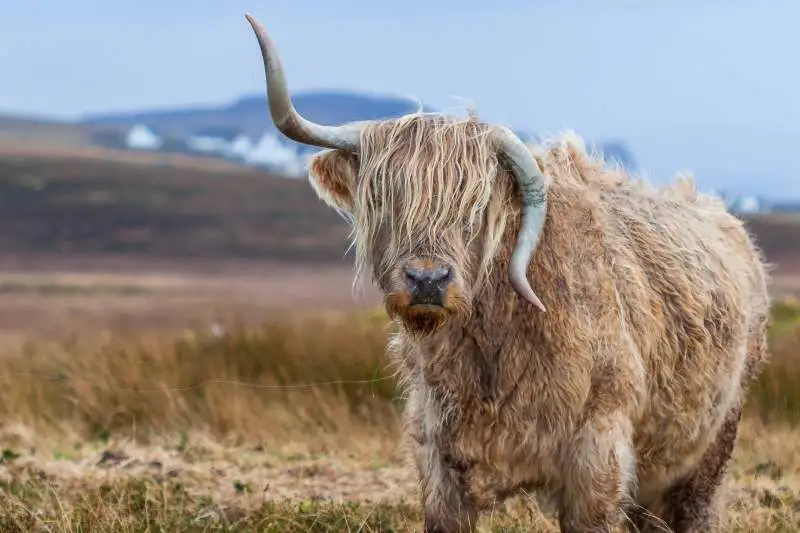
Are Highland Cows Friendly?
Many Highland cows show friendly behavior toward familiar people. A cow may walk toward a familiar owner or wait near the feeding area. Some enjoy gentle brushing. Others learn a name response or come after hearing a regular feeding call.
Friendliness still needs livestock boundaries.
A cow should not learn treat pushing. She should not use horn rubbing against a handler. She should also respect a person’s personal space. These habits can look harmless in a young calf. They become dangerous when the animal reaches adult size.
A friendly cow may use a relaxed approach and keep a neutral head position. She may eat beside a trusted person and show halter acceptance. She may stay calm during normal farm work and show curiosity without pushing. A well-trained animal should also move away on cue.
A frightened animal may show a freezing response or begin turning away. A raised head can also show worry. Some cattle make a sudden movement when they feel trapped.
Give the cow more room instead of using forced contact.
Hand feeding can support training but it can also encourage cattle crowding. Bucket feeding or trough feeding is often safer than allowing a large horned cow to take food from a hand. This matters even more for child safety. Always use safe treat use instead of turning feeding into a pushing game.
Are Highland Cows Calm Around People?
Highland cattle often show calm behavior around familiar handlers. Their docile temperament can make halter walking and daily care easier. Oklahoma State University also describes Highland cows and Highland bulls as generally even-tempered cattle when people use proper livestock handling.
Cattle notice small changes. They remember feeding patterns and react to movement sound and pressure. A person who enters the animal’s blind area may surprise it. A blocked route may also make the cow stop or turn.
Good handling begins with walking and a calm voice. Give enough animal observation time before asking the cow to move. Keep an open route and avoid sudden contact.
Work with the herd instinct. Remove visual distractions and use secure gates with secure pens.
Cattle show natural cattle following behavior. A cow often walks more easily when she can see an animal ahead. A single animal may resist entering a narrow area and start turning back when it cannot see the rest of the herd.
A Highland cow also needs a larger personal area because of her horn reach. A quick head turn can cover more space than many new owners expect. Good handler awareness and low-stress handling keep both the cow and person safer.
Understanding Flight Zone and Point of Balance
The flight zone is the personal space around an animal. When a person makes a handler entry into that area the cow often begins cow movement away from the pressure.
A tame Highland cow may have a small flight zone. A nervous animal can show a distance response while the handler is still far away. Past experience location and stress can change the size of this zone.
The point of balance often sits near the shoulder. The handler position can influence forward movement or backward movement. This helps with low-stress movement through alleys and gates.
Do not remain inside a deep flight zone for too long. Excess pressure may create a running cow. Use light pressure application to begin the movement start.
Then use pressure release.
Take a step back when the animal gives the correct animal response. This pressure and release method teaches more clearly than chasing. The animal learns that movement in the correct direction leads to calm handling and less pressure.
Highland Cow Body Language
Highland cow body language can tell you a lot about cow emotions. Since cattle cannot speak they use posture and movement as a physical warning.
A relaxed Highland cow may hold a normal head position while chewing or grazing. Gentle ear movement toward ordinary sounds is normal. The animal may show a loose body instead of body stiffness.
A worried animal may show a raised head and begin staring. She may show stopped chewing or make a sideways turn before moving away.
Stronger warning signs include pawing snorting and head swinging.
Watch the full picture. Look at head height, ear direction, tail movement, eye focus and foot movement. Also check the breathing rate and distance from the herd. A loss of interest in food or a changed horn position may matter too.
A single sign may not explain the complete situation. Tail swishing may only mean there are flies. A cow may lift her head because she heard a sound behind her.
A sudden behavior change should get attention. Pain injury and illness can cause a temperament change. Veterinary behavior guidance links abnormal fear and excessive aggression with possible poor welfare.
Highland Cow Behavior Around Kids
Highland cows can help children learn about farming education and animal care. They should never be treated like oversized pets.
Their body weight and horns create a real risk. A simple side step can cause a foot injury. A sudden head turn may lead to a child injury.
Children cannot read cattle body language as well as an experienced adult. Always use adult supervision.
Kids should stay outside fence areas unless a responsible adult says otherwise. They should use calm walking and low voices. Never allow hair pulling or horn pulling. Children should avoid standing behind cattle and must never enter a bull pen.
Keep them away from new calves unless there is clear farm permission. They should only try feeding cattle with adult help.
A mother cow with a calf needs extra space. Strong maternal behavior may make her a more defensive cow around young animals. Good petting farms and farm tours use controlled viewing areas. A safe distance matters more than photo safety or a close social media picture.
Highland Cow Behavior With Other Animals
Highland cattle usually do best with other cattle. A stable fold offers companionship and supports normal grazing patterns and resting patterns.
Cattle also form a social order. Some animals control better feeding positions while lower-ranking cattle wait. Once there is group stability the herd may show less daily fighting.
New animals can change existing social relationships. The group needs adjustment time. Highland cattle research suggests that group movement can affect social stability and increase stress. Familiar herd mates may make change easier.
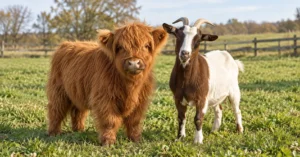
Highlands can sometimes live near sheep goats horses donkeys poultry and other cattle breeds.
A shared property does not mean every species should use the same small pen or shared feeder. Horn danger and body size can place smaller animals at risk.
A safe mixed farm needs enough grazing space and multiple feeding points. It also needs separate mineral plans and species-safe fencing. Provide protected water access and use slow introductions. Continue daily observation and keep a separation area ready.
Take extra care with dogs. Cattle may see them as a cattle threat. A protective mother cow may chase a dog when a young calf is nearby. Use controlled dogs and follow basic field safety.
Are Highland Cows Easy to Handle?
Highland cows can become manageable cattle when early training starts young. Their intelligence and calm breed nature may support easier halter training.
A young calf can learn quiet standing and touch acceptance. It may learn halter wearing and handler walking. It can also understand a simple pressure response during pen entry and while using a cattle chute.
Some calves also accept grooming when the work feels safe.
Keep short training sessions. Use pressure release as soon as there is a correct calf response. Stop after a small success before animal fatigue or animal stress begins.
Follow lead rope safety. Never wrap the rope around your hand. Do not tie cattle to weak fencing because a frightened animal can use huge pulling force.
Mature horned cattle need wide gates and wide alleys with enough horn clearance. Use safe flooring and suitable equipment such as a head catch or squeeze chute during veterinary work.
Good facilities support cattle protection and handler protection. Real calm handling comes from planning rather than force.
Highland Bull Temperament vs Cow Temperament
A Highland bull may have a calm appearance and show quiet behavior. He still needs far more caution than a cow or steer.
Bulls have a larger body and greater strength. Their behavior may change around breeding cows. A pet-raised bull may lose respect for human space because people allowed too much contact when he was a friendly calf.
Safe bull management needs strong fencing and a secure pen. Always keep a clear escape route. Use children exclusion from bull areas and follow strict close-range safety.
Use proper handling equipment with regular observation and experienced adult handlers.
Female Highland cows may fit small farms better. A heifer is a young female with no calving history. A mature cow has already produced a calf.
A mother cow may show changed post-birth behavior. She may stand between a person and calf or follow during calf movement. This is normal maternal behavior rather than proof of bad temperament.
A castrated male is called a steer. Steer temperament is often easier than the behavior of breeding bulls. A steer remains a large horned animal so follow normal safety rules.
Do Highland Cows Become Aggressive?
Highland cattle are not known as a highly aggressive breed. Still any cow can become a dangerous animal under the wrong conditions.
Common triggers include feeling trapped and calf protection. Pain or sickness can also change behavior. Other triggers include feed crowding fold separation rough handling and a strange environment.
Breeding behavior may increase risk. So can dogs in field areas and sudden loud noise.
Watch for warning behavior such as hard staring snorting and pawing. A cow may show a lowered head or swinging head. She may create a blocked path or make a purposeful approach.
Do not accept a cow challenge. Stay clear of horn danger and move toward a safe barrier while keeping animal tracking.
Repeated aggression needs investigation. Review animal health and handling history. Check the farm environment too.
A veterinarian may need to perform a pain check or illness check. Experienced livestock guidance may also help.
A dangerously aggressive animal may not belong on a farm with farm visitors or children. Follow farm-safety guidance when considering aggressive cattle removal for handler safety and other animal safety.
How to Build Trust With a Highland Cow
Trust building begins with predictable contact.
Stand outside fence areas during cow feeding and use quiet observation. Speak with a calm voice and follow the same daily routine. Keep slow movement so the animal remains a relaxed cow.
Move toward closer work only after the animal settles. Let the animal approach you. Avoid a direct face approach. A side approach usually creates reduced pressure.
Choose a regular visit time and bring normal feed. Use soft speech and stand in a visible position. Avoid sudden touching and allow the choice to approach.
Use a calm behavior reward and focus on ending before worry begins.
Brushing may help with a trained animal. Begin near the shoulder area. Think about horn safety and hind leg safety. Maintain head awareness during the whole session.
Trust still requires boundaries. A respectful cow should not use handler pushing or make treat demands. Use a routine change when food creates pushy behavior.
Consistency matters. Ten calm minutes of daily contact often works better than one long stressful session.
Best Care Tips for a Calm Highland Cow

Good temperament often starts with good welfare.
A hungry animal or thirsty animal may show restlessness. Pain can turn a quiet cow into a defensive cow. Mud and crowding may increase fold pressure.
Provide fresh clean water with good pasture or hay. Offer correct minerals and enough feeding space. Use safe fencing and maintain dry resting ground.
The cow also needs weather protection and hot-weather shade. Herd companionship supports natural behavior. Add routine health checks with low-stress handling and veterinary care when needed.
The Highland coat can hide hidden weight loss. Owners should check body condition instead of trusting the fluffy appearance. A cow may have a broad look while carrying low condition under the hair.
Good farm design supports calm behavior. Maintain clean facilities and dry facilities with good ventilation and safe footing.
Use regular checks to find broken gates sharp edges and muddy areas. This supports fear prevention and injury prevention.
Sudden temperament changes need attention. Social isolation or feed refusal with aggressive behavior may point to an unwell cow.
Common Mistakes That Damage Temperament
Many behavior problems begin with human mistakes.
Chasing cattle teaches running behavior. Shouting adds pressure without giving poor direction any real improvement. Cornering causes escape route removal.
Careless food use may create pushing behavior. Allowing calves climbing on people leads to lost boundaries.
Working alone with bull creates unnecessary bull risk. Moving unfamiliar cattle through fast mixing may increase social stress.
Keeping a single cow isolation setup ignores natural herd needs. Ignored pain can also produce defensive behavior.
A good handling system makes correct movement easy. Use clear gates and thoughtful pen design. Remove dark corners and visual distractions. Let animals see cattle ahead.
Patient handling works well with Highland cattle. Once a panic response starts the job becomes difficult work. A clear low-stress system prevents many problems before they begin.
Final Thought
Highland cow temperament is usually calm and friendly when the animal receives good care and respectful handling. These cattle often respond well to a steady daily routine and gentle halter training.
Their quiet nature should never lead to careless behavior. Highland cows are large animals with wide horns. A quick head turn can cause an accidental injury. Bulls need firm boundaries. Mothers with calves may also show strong protective behavior.
The best approach is simple. Use slow movement. Watch body language. Keep the fold together. Provide safe facilities and build trust without teaching pushy habits.
A well-raised Highland cow can become a quiet farm animal and rewarding livestock choice. Her behavior reflects her natural breed traits. It also reflects the quality of human care she receives throughout her animal life.