Many new owners ask whether Highland cattle need a barn when winter arrives. The simple answer is that most healthy adult Highland cows do not need a warm and fully enclosed barn during normal cold weather. They are a cold-hardy cattle breed with a natural coat made for harsh conditions.
Still this does not mean they can live without protection. They need a dry resting place and a reliable windbreak. They also need enough winter feed and clean unfrozen water. During heavy rain or strong wind or deep snow their needs can change quickly.
The Highland breed comes from Scotland where cold wind and wet weather are common. These cattle developed a double hair coat. The long outer coat helps move rain away from the body. The soft woolly inner coat holds warm air close to the skin.
That coat is one reason Highland cattle can manage outdoor wintering better than many other breeds. Yet the coat works best when it stays clean and dry. Thick mud and long periods of freezing rain can reduce its natural protection.
A simple three-sided shelter may be enough for mature animals. A proper building becomes more important for newborn calves and sick cattle and injured animals. Thin cows and cows close to calving also need closer care.
When I review a winter setup the first thing I look at is not the size of the barn. I look at wind direction and drainage and bedding and water. A large building on wet ground can still be a poor shelter. A smaller dry shelter in the right place can work much better.
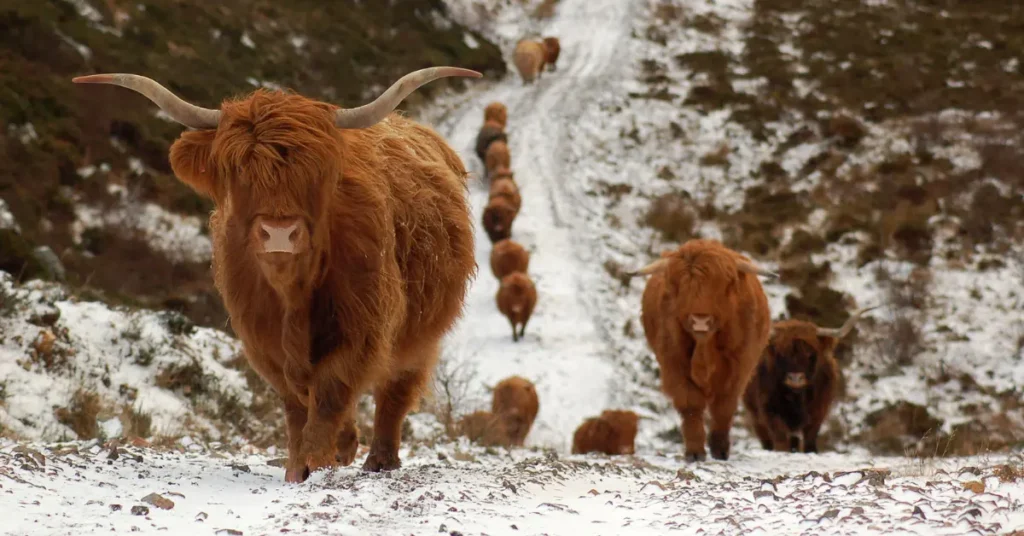
Highland Cow Cold Weather Tolerance
Highland cow cold weather tolerance is one of the main reasons this breed remains popular in cold areas. Their natural insulation gives them an advantage during snow and freezing weather.
The long coarse outer hair helps protect the body from snow and light rain. Under it sits a thick soft inner coat. This layer traps warm air near the skin and reduces body heat loss.
A Highland cow with a clean dry hair coat can handle low temperatures very well. The same cow may struggle when the coat becomes soaked. A wet muddy coat cannot trap warm air in the same way.
Cold tolerance does not depend on temperature alone. Farmers must also think about wind chill and coat condition and body condition. Other factors include nutrition and age and health. A useful term in cattle care is the lower critical temperature or LCT. This is the point where an animal must burn more energy to stay warm. The exact point changes from one cow to another.
A healthy cow with a heavy dry winter coat may remain comfortable close to 18°F or minus 8°C. This is only a general cattle guideline. It is not a safe limit for every Highland cow.
A wet coat can raise the LCT. Strong wind also increases heat loss. A temperature that feels manageable on a calm dry day may become dangerous during a wet storm.
Body condition score is also important. A cow in healthy condition has useful energy reserves. A thin animal has less stored energy and may lose weight quickly in cold weather.
Pregnant cows require more nutrition during late pregnancy. Lactating cows use extra energy for milk production. Older cows may have dental problems that make it hard to eat enough roughage. Farmers should watch the animals rather than trusting only the weather report. Signs of cold stress may include shivering and huddling together. A cow may stand with its back toward the wind.
Other warning signs include reduced movement and a hunched posture. The animal may have cold ears or show lethargy. Long-term cold stress may cause weight loss and poor appetite.
Highland cattle often seek protection before people think the weather is severe. A cow that spends long periods seeking shelter may be telling you that the field no longer feels safe or comfortable.
Deep snow can block access to hay and water. Large snowdrifts may also cover the normal path to the shelter. Frozen uneven ground can cause slip injuries and leg problems.
A heated building is not always the best answer. Highland cattle are naturally adapted to the cold. A dry cold shelter with fresh air often suits them better than a hot closed barn.
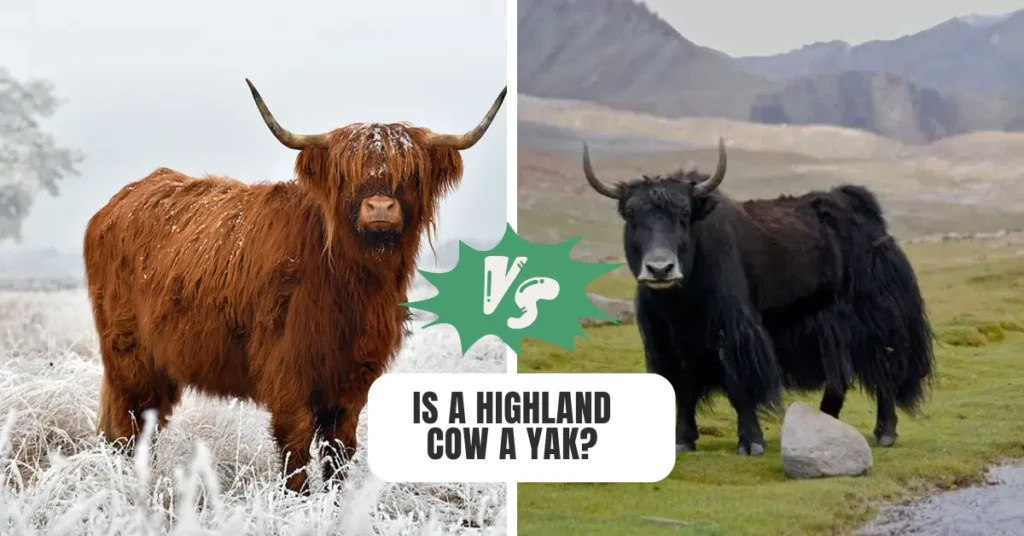
Best Winter Shelter for Highland Cows
The best winter shelter for Highland cows should block bad weather without trapping damp air. It does not need to feel warm to a person. Its main job is to keep the cattle dry and protect them from direct wind.
A three-sided run-in shed is a good option for many small farms. The closed sides should face the prevailing wind. The open side should face away from the strongest storms.
Before building a shelter, study the land. Look at where drifting snow usually forms. Avoid placing the entrance where a large snowbank may block it. A useful shelter needs a strong roof and a dry floor. It also needs good drainage so rain and melting snow do not collect inside.
The entrance should be wide. Highland cattle have large horns and need safe turning space. A wide doorway reduces the chance of horn entrapment. The shelter must provide enough space for the whole herd. If it is too small then dominant cattle may block weaker animals. This shelter blocking can leave a young or thin cow outside during the worst weather.
Using multiple access points may help. It gives weaker animals another way to reach the protected area. The shelter should have fresh air without direct drafts. Many owners make the mistake of closing every gap in winter. This can turn the building into an airtight shelter with high moisture.
Cattle breathing and manure both add water to the air. Poor ventilation causes condensation and a strong ammonia smell. It may also increase the risk of respiratory problems. A good winter barn needs natural ventilation. Fresh air should move through the upper part of the building while the cattle remain protected from strong drafts at body level.
Natural features can also provide shelter. A dense tree line or hill shelter may slow the wind. A woodland edge can work when it also provides a dry lying area.
Owners should inspect natural shelters during storms. Heavy snow may fill the space behind trees. Fallen branches can create danger. A separate sick animal pen is useful. The same space can hold an injured or weak animal. It should be dry and well bedded.
Allow the separated cow to see the herd when possible. Complete separation may cause isolation stress. A proper building is especially useful as a calving barn or veterinary treatment area. It also helps during extreme storms.
Highland cattle may not need full-time barn housing. Even so every owner needs an emergency shelter plan.
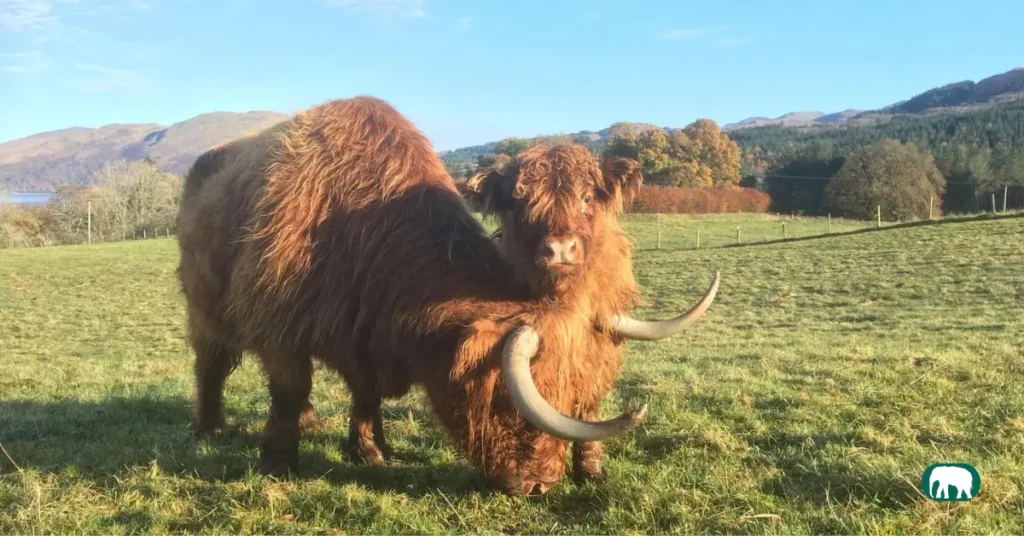
Wind and Rain Protection for Highland Cattle
Good wind and rain protection for Highland cattle can matter more than adding heat to a barn. Wind removes the warm air trapped inside the coat. This creates a wind chill.
A partially open windbreak can reduce wind speed without causing strong air movement around the edges. Useful materials include wooden boards and portable livestock panels. Farmers may also use trees and shrubs or stacked hay bales. Other choices include earth banks and strong fabric barriers made for livestock.
A completely solid wall may create air turbulence. It can also cause heavy snow drifting. A windbreak with around 25 to 33 percent porosity often provides smoother protection. The protected zone may extend around eight to ten times its height.
For example a 10-foot windbreak may protect an area around 80 to 100 feet behind it. The exact distance depends on the land and wind speed. Place the protected resting area and feeding space within this zone. Do not allow cattle to push against an unstable hay-bale stack.
Complete a windbreak inspection before winter. Look for loose sheets and rotten posts. Anchor portable panels so they cannot fall during a storm. Rain can create a larger problem than dry cold. The Highland double coat works well when the dry inner layer remains protected.
Long periods of rain and sleet may soak the hair. Freezing rain can cover the coat with ice. Once moisture reaches the inner layer the cow loses heat much faster.
Wet colds often increase energy needs more than dry colds. Mud also makes walking harder. It can block easy feed access and water access. Good drainage planning should begin before winter. Do not build the shelter in a low field area where water collects.
Choose raised ground when possible. Direct roof runoff away from the entrance. Use gravel in high-traffic areas such as around feeders and water troughs. Move feeders before mud becomes deep. Keep drainage channels open. Fix water trough overflow quickly.
Providing multiple feeding points reduces crowding and limits damage to one area of ground. After freezing rain, inspect the herd. Look for coat ice and ice on ears or tails. Check that every animal is walking normally.
Winter Bedding Requirements for Highland Cows
The winter bedding requirements for Highland cows are simple. The bedding must stay deep and dry.
A cow loses heat when it lies on frozen soil or wet mud. Bedding creates a warm layer between the body and the ground. Straw bedding works well because it traps air. It also creates a soft resting surface.
Start with a deep dry base. Add a clean top layer when the surface becomes wet or dirty. During severe winter weather farmers may need daily bedding addition. The bedded pack should be large enough for all cattle to lie down without crowding. Rest supports good health and normal rumination.
A cow that avoids lying down due to wet ground may become tired. Long periods of standing can increase stress and leg problems. A simple knee test can help check moisture. Kneel on the bedding for a few seconds. If your knees become wet then the surface needs more clean bedding.
Bedding demand often rises during heavy rain and snowmelt. More bedding is also needed during the calving period and long cold spells. Areas near a feeder or water source become dirty faster. Shelter entrances also need frequent cleaning.
A thick surface layer cannot fix poor drainage underneath. Urine accumulation and trapped rainwater will keep the bedding cold. Correct the ground slope and repair leaking water systems. Do not keep adding straw without solving the source of moisture.
Bedding is especially important for calves and thin animals. Young calves have lower body mass and limited reserves. Deep straw allows straw nesting. A calf can settle into it and reduce heat loss.
If cattle start eating large amounts of bedding then check the feed supply. It may show a forage shortage or poor feed quality. Keep bedding away from unsafe electrical systems. Heated water equipment should not have exposed wires or heating elements near straw.

Feeding Highland Cows During Winter
Feeding Highland cows during winter requires more planning than simply putting a hay bale in the field.
Highlands are known as efficient forage users. Yet winter nutrition still matters. Their natural hardiness does not replace calories and protein. The rumen creates internal heat while it breaks down forage. This makes good-quality hay especially useful during cold weather.
Provide reliable forage access before and during a storm. Cattle should not have to walk through deep snow to reach feed. When the temperature falls below the LCT the cow needs more maintenance energy. It may require around one to two percent more feed energy for each degree Fahrenheit below this point.
During seven or more days of cold and wet weather the energy needed may rise by 10 to 30 percent.
Do not respond by suddenly feeding a large amount of grain. Rapid ration changes may disturb rumen function. Too much grain may also reduce forage digestion. Make changes slowly and use a balanced ration.
A good plan includes hay testing and body condition monitoring. It also includes enough forage and gradual energy supplementation when needed. Cattle need proper protein requirements and access to cattle minerals and salt.
A forage test can measure crude protein and total digestible nutrients or TDN. These results show whether the hay can support the herd. Old mature low-quality hay may fill the rumen but provide too little energy. Pregnant cows and lactating cows may need better-quality hay.
Highland hair can hide winter weight loss. Use a hands-on body assessment. Feel along the spine and ribs and hooks. Do not judge body condition only by looking at the coat.
Separate thin cows when needed. Dominant animals may push them away from the feeder. Young cattle may also need a separate feeding space.
Place feeders on firm feeding ground. Make sure snow and mud do not block access. Choose hay rings made for horned cattle. Some polled-cattle feeder openings can trap Highland horns. Plan a winter hay inventory before cold weather begins. Include a storm reserve and extra feed for waste.
Store hay where snow will not block machinery access. Feed cattle before an expected storm so they begin it with a full rumen.
Preventing Frozen Water for Highland Cattle
Preventing frozen water for Highland cattle is one of the most important winter jobs.
Cattle still need fresh water during cold weather. Water supports digestion and other body functions. The amount depends on cow size and production stage. Feed moisture and air temperature also affect intake.
A useful estimate is one gallon per 100 pounds of body weight. A 1,200-pound cow may need around 12 gallons daily. Lactating cows may need more. The water must remain clean and open.
Water between 40°F to 65°F or about 4°C to 18°C may encourage better drinking than water close to freezing.
A heated trough can work well. An insulated automatic waterer is another good choice. Protect pipes below the frost line. Complete daily heating element checks.
Use safe electrical connections and proper ground-fault protection. Water and faulty electricity create a serious electric shock risk.
Keep a backup generator or another backup water supply when possible. When no heater is available remove ice several times a day. Check the flow after every severe freeze. A partly frozen pipe may create a slow refill. The trough can look open but fail to meet herd demand.
Make sure dominant cattle do not block young cattle or weak animals from drinking. Clear snow around the trough. Drain leaks before they create ice hazards or mud.
Do not depend on snow as the normal water source. Cattle may eat snow but may not consume enough for safe hydration. Watch for reduced manure output and low feed intake. Other dehydration signs include sunken eyes and weakness.
Winter Care for Highland Cow Calves
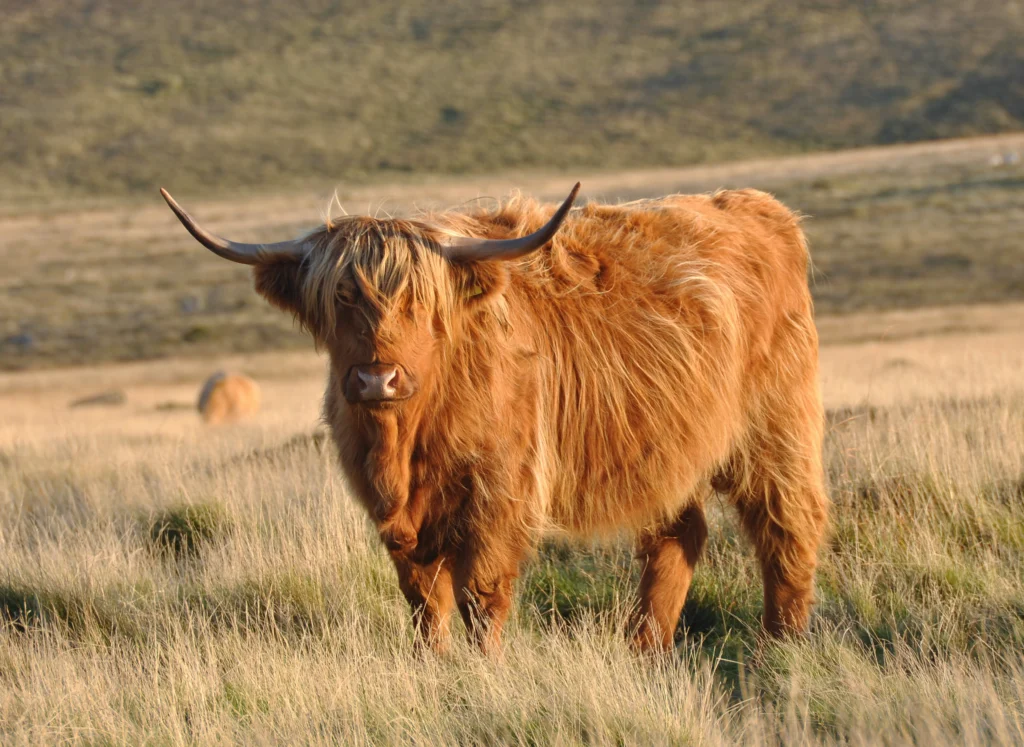
Winter care for Highland cow calves needs more attention than care for mature cattle. Newborn calves have limited energy reserves. Their wet birth coat allows rapid heat loss after birth.
Wind and freezing temperatures can cause rapid cooling. Prepare a clean winter calving area before the cow gives birth. The pen should provide draft protection but also good ventilation. A closed and humid pen may increase airborne pathogens.
Useful supplies include clean towels and dry straw. Keep disposable gloves and navel iodine or another approved disinfectant. Prepare a feeding bottle and an esophageal feeder. Only a trained person should use the tube feeder. Keep stored colostrum or a good colostrum replacer available. Other useful items include a thermometer and a safe warming area.
After birth make sure the calf has normal breathing. Begin rapid drying during severe cold. The mother usually helps through cow licking. Still the calf may need extra drying with clean towels. Colostrum is the cow’s first milk. It supplies antibodies and fast energy. Cold stress may reduce the calf’s standing ability and nursing ability. It can also slow colostrum absorption.
A weak calf may need two to four quarts of colostrum within six hours. Many farmers aim to provide four quarts as soon as possible when the calf cannot nurse well.
Use a nipple bottle first when the calf has a good suck reflex. Check for a warm calf that is active and alert. Warning signs include a cold mouth and cold ears. A weak suck and low energy also need attention. Provide deep bedding. The calf should be able to nest in straw that is around 15 centimetres deep or more.
Calf jackets may help during severe cold. Use a correct fit and keep the jacket dry. Remove and check the jacket often. A wet jacket may make the calf colder. Young calves need more energy during winter. A feeding plan may require extra liquid feed or three feedings each day.
Do not simply add too much powder to the same amount of water. Mix milk replacer according to the correct instructions. Feed milk near body temperature and maintain consistent feeding times. Provide fresh water and calf starter every day. Water supports early rumen development.
Watch for failure to nurse and weakness. Other warning signs include shivering and coughing and nasal discharge. Pay attention to fast breathing and diarrhea. Sunken eyes and reduced appetite may show dehydration or illness. A swollen navel or difficulty standing also needs quick action. Call a veterinarian when a newborn remains weak or cold.
Final Thought
Highland cattle do not always need a traditional barn in winter. Their double hair coat and strong cold tolerance allow healthy adults to spend much of the season outside.
They still need protection from wet and windy weather. A dry shelter and strong windbreak and deep bedding can make a large difference.
Winter success also depends on good feed and unfrozen water. Calves and weak animals need more help than mature cattle.
The best rule is simple. Do not judge winter safety only by temperature. Watch the wind and rain and ground condition and body condition of every cow. A well-planned outdoor system can work very well when the herd stays dry and fed and protected.
The article can be further adjusted for a shorter sentence style or stronger keyword density.