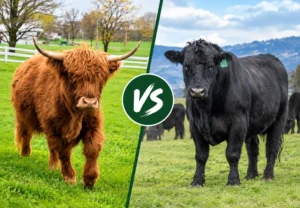
Many farm owners ask if Highland cows live with horses without causing trouble. The simple answer is yes. They can share land and live in the same farm system. Still this setup needs planning.
A Highland cow is calm in most cases. A horse is also a social animal. Both enjoy open land and fresh forage. This makes shared pasture look easy. Yet these animals move in different ways. They also communicate in different ways.
Highland cattle have long horns. Horses can kick with great force. One animal may guard hay while the other tries to eat. A cow may protect her calf. A nervous horse may run into a fence.
The best results come from compatible animals and good daily care. Strong fencing also matters. Separate feed stations reduce conflict. Enough land gives each animal room to move away.
From a practical livestock point of view the breed name is only one part of the decision. The nature of each cow and horse matters more. A calm Highland steer may become a perfect pasture partner for a quiet gelding. A defensive cow with a young calf may not.
Are Highland Cows Aggressive Toward Horses?
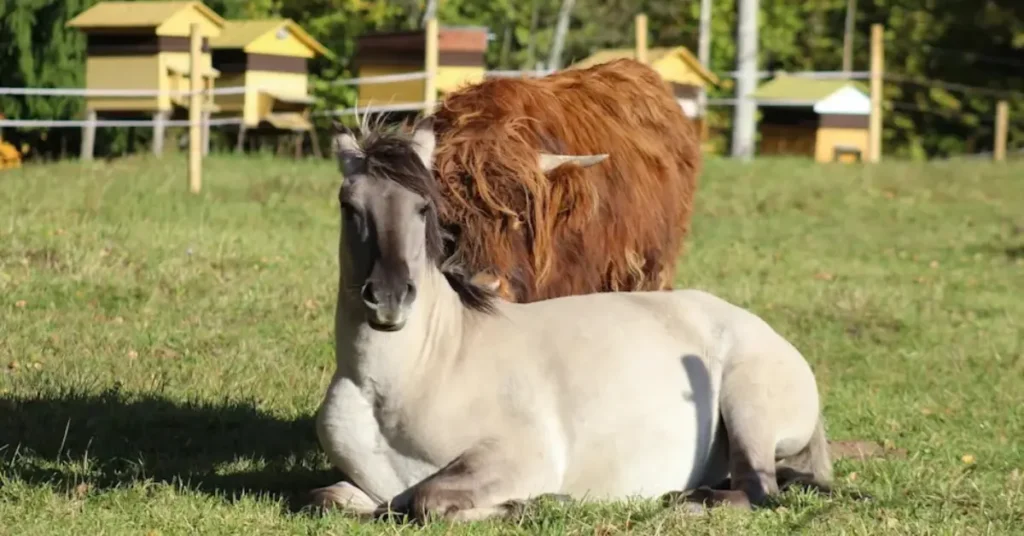
Highland cattle are not known as a highly aggressive breed. Most owners value their docile temperament and calm nature. This does not mean every Highland cow will accept every horse.
A cow may show aggressive behavior when she feels unsafe. She may also become defensive near food or water. The risk rises when she has a young calf.
A horse often looks large and fast to a cow. A new horse may smell strange. Its quick movements can make cattle nervous. The cow may turn and face the horse. She may lower her head or move her horns forward.
These are clear signs of defensive behavior. A Highland cow may also follow a horse across the field. Sometimes she is only curious. Other times she is pushing the horse away from her calf or feed. The owner must read the full body language. A relaxed cow may walk slowly with her head in a natural position. An upset cow may keep watching the horse. She may block a gate or feeder. She may also scrape the ground or make a sudden forward move.
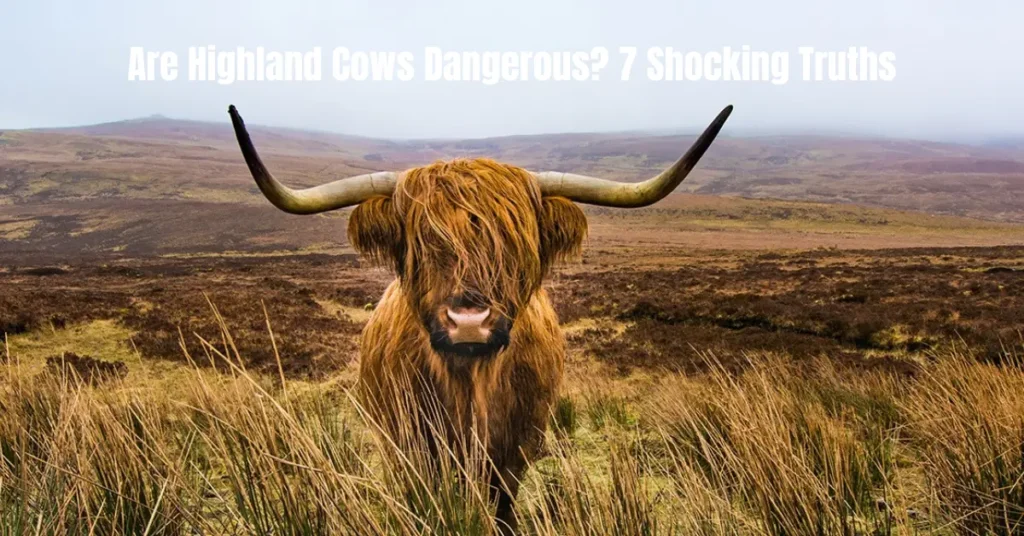
Long horns increase the danger. A cow does not need to plan an attack to cause a horn injury. She may turn her head beside a feeder and strike the horse on the face or shoulder.
The horse may then react by kicking. A horse kick can badly injure the cow. This is why owners should never allow the animals to fight until they “work it out.”
That approach is unsafe.
A newly calved cow needs a separate space. Her maternal instincts are strong. A horse that comes close to the calf may trigger a fast response.
The cow may:
- Lower her head
- Push the horse away
- Chase it
- Stand between the horse and calf
- Block the horse from entering part of the field
A mature bull creates a much higher risk. Bulls need secure fencing and careful handling. They should not share a small field with horses.
The same caution applies to a stallion. A breeding stallion may show more dominant behavior than a quiet gelding.
A calm gelding often makes a better first partner for cattle. It usually has fewer hormone-related behaviors. Still every animal must be judged as an individual.
Watch for repeated chasing and kicking. Also watch for bite marks and missing hair. These are signs that the group is not peaceful.
A cow that charges horses again and again should be separated. A horse that keeps attacking cattle should also leave the group.
Good behavior monitoring protects both animals.
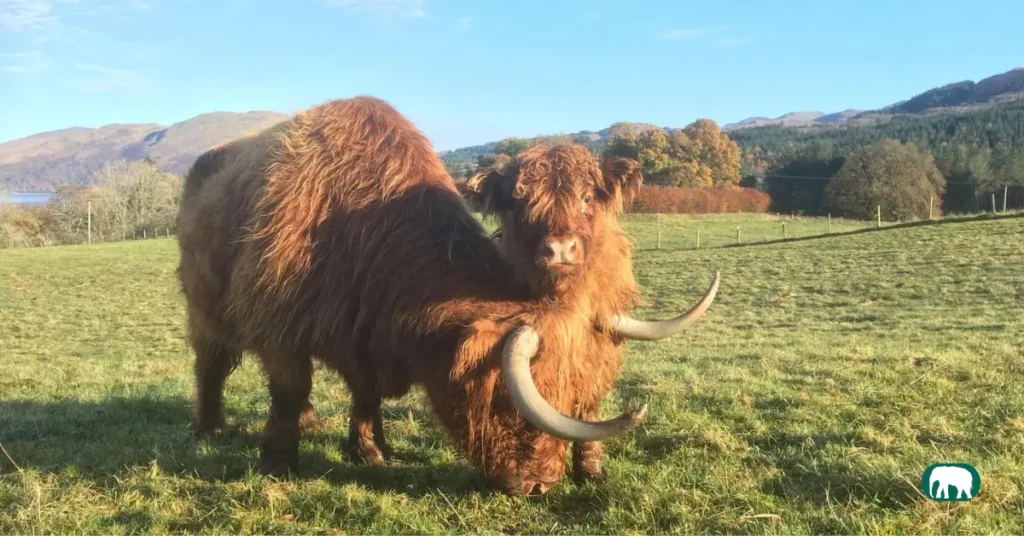
Can Highland Cows and Horses Share a Pasture?
Yes. Highland cows and horses can share a pasture when the land offers enough food and space.
Mixed grazing can even help the field.
Horses often use spot grazing. They eat their favorite grass very quickly. They leave taller grass in other places. Cattle may graze those areas in a different way. Highland cattle also enjoy rough forage. They may eat coarse grass and some plants that horses leave behind. This can support more even forage use.
Still cattle will not fix a badly managed pasture. They also cannot make every weed safe. Owners should inspect the field for toxic plants. Horses may eat harmful weeds when grass becomes short. Cattle can also become sick from unsafe plants.
The pasture should provide open escape space. A horse must be able to move away from the cow. A cow must also be able to avoid a pushy horse. Avoid fields with tight corners. An animal may become trapped between the other animal and the fence.
A good mixed-species system should have:
- Wide gateways
- More than one water point
- Several feeding locations
- Safe shelter
- Dry resting ground
- A separate emergency paddock
A single water trough may cause trouble. A dominant horse may guard it. A cow may also block access.
Two water points reduce resource guarding.
The same rule applies to hay. One large hay pile may bring every animal into one small area. That creates pushing and kicking. Place hay in several spots. Leave enough distance between each feeding place.
Highland cattle are social animals. Horses are social too. Yet one cow should not always depend on a horse for all social contact. A Highland cow may prefer another cow. A horse may also need horse companionship. Living beside another species is not always the same as living with its own kind.
Watch the group during the first week. Calm grazing is a good sign. Resting near each other is also positive. Repeated chasing is not normal friendship. Nor is constant fence running.
The animals may need more time or more space.
Feeding Highland Cows and Horses Together
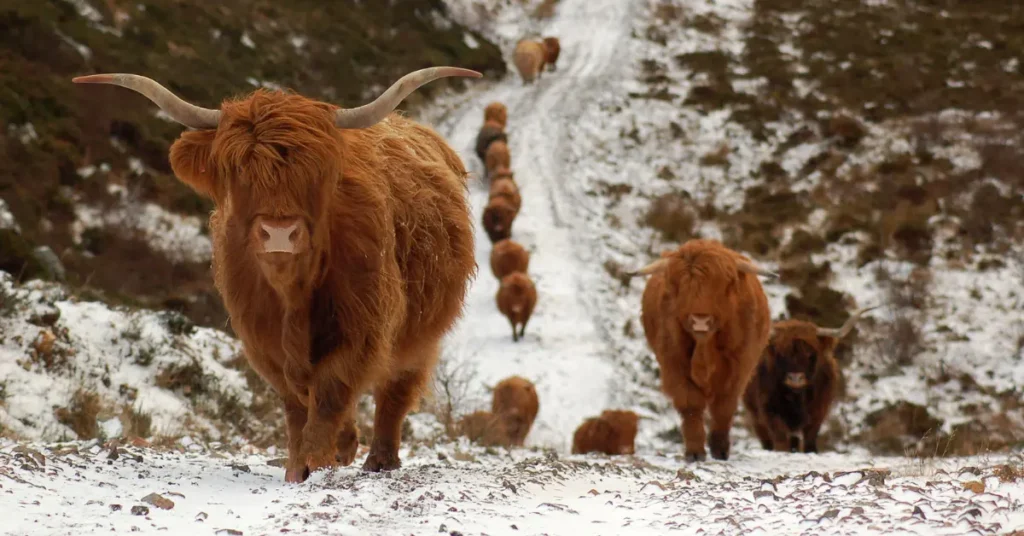
Horses and Highland cattle can eat grass in the same field. They should not share every type of feed. Cattle are ruminants. They chew cud and use a complex stomach system. Horses are hindgut fermenters. Their digestion works in a different way.
Each species needs its own feeding plan. A horse ration depends on age and body weight. Work level also matters. A cow ration changes with pregnancy and milk production. Both animals need clean water and safe forage. Yet mineral needs may differ.
Use species-specific feed whenever possible. Never assume that cattle feed is safe for horses. Some cattle feeds contain monensin. This ingredient can be very dangerous for horses. Even a small mistake may cause severe illness. It can lead to weakness and poor movement. It can also cause heart damage. Store cattle feed in a locked area. The horse should never reach it.
Keep these products separate:
- Cattle concentrates
- Horse grain
- Medicated feed
- Mineral blocks
- Supplements
- Veterinary products
Do not place one mineral block in the field and expect it to suit both species. A cattle mineral may contain ingredients that a horse should not eat. A livestock nutritionist can help with the cattle ration. An equine veterinarian can guide the horse feeding plan.
Pasture may meet much of the daily need during the growing season. Still grass quality changes through the year. Spring grass can be rich. Mature summer grass may lose energy. Drought can make the field weak.
Both animals may need hay when the pasture becomes poor.
Use several hay piles or safe feeders. A dominant horse may chase the cow away. A horned cow may also push the horse from a narrow feeder. Good feeder design matters. Highland horns can become trapped in small openings. A horse hoof may also be caught in unsafe bars.
Check every feeder before use.
Body condition tells you if the system works. A horse may gain too much weight while the cow becomes thin. The opposite can also happen. A shared field does not create equal nutritional needs. Check the animals from the side and rear. Feel the horse’s ribs. Look at the cow’s hips and spine.
A thick Highland coat can hide weight loss. Hands-on checks are important. Water troughs also need daily care. Remove mud and algae. Check for sharp edges. Make sure each animal can drink without standing too close to the other.
Best Fencing for Highland Cows and Horses
The best fence for a mixed field must hold cattle and protect horses.
A simple cattle fence may not be safe enough for horses. Barbed wire can cause deep injuries. A frightened horse may run into it. The wire can cut the chest and legs. Horse safety should set the main standard.
A strong shared fence may use:
- Post-and-rail fencing
- Horse-safe woven wire
- Smooth high-tensile fencing
- A visible electric top strand
- Wide electric tape for paddock divisions
The fence should be easy for horses to see. Thin wire can disappear against grass or trees. Wide tape offers better fence visibility. It can work well for rotational grazing. A permanent outside fence should remain in place. An internal electric line can fail. Batteries may die. Grass may touch the wire and reduce power.
The outside fence should still contain both animals. Highland cows may rub against posts. Strong posts help stop the fence from leaning. The mesh openings should not trap a hoof or horn. Large gaps can catch a Highland horn. Poorly designed wire can trap a horse leg.
Fence height also matters. A horse may jump a low barrier. The perimeter should usually stand higher than a simple cattle divider. Gates need plenty of width. A cow and horse may both move toward the same opening.
A narrow gate can create crushing risk. Horn contact is also more likely. Place gates on dry ground when possible. Mud can make animals slip. It can also damage the field.
Check the whole fence often.
Look for:
- Loose wire
- Broken rails
- Weak posts
- Sharp metal
- Sagging electric tape
- Poor gate latches
- Holes under the fence
- Mud around entrances
Good fence maintenance prevents many injuries. Do not wait for an animal to escape before making repairs.
How Much Space Do Cows and Horses Need?
There is no perfect acreage number for every farm.
Land quality changes from one area to another. Rainfall and soil affect grass growth. A rich pasture may support more animals than dry land. A common horse guideline starts near two acres per 1,000-pound horse when the field provides much of the food. Poor pasture may need far more land.
The cow adds extra forage demand.
Farmers often use animal units to estimate grazing pressure. One animal unit is close to the forage demand of a 1,000-pound cow. A mature horse may count as about 1.25 animal units. A cow and horse together may create around 2.25 animal units of total demand.
This is only a guide.
A small Highland cow may eat less than a heavy cow. A large working horse may eat more than a small pony. A lactating cow also needs more feed. Local conditions should guide the final number. A good field must provide more than visible grass. Horses may eat short areas while leaving tall rough patches. This can make the field look full when good forage is already low.
Watch for signs of overstocking:
- Bare soil
- Very short grass
- Mud near gates
- More weeds
- Weight loss
- Slow grass recovery
- Heavy hay use in summer
- Fighting over food
Rotational grazing can help.
Divide the land into paddocks. Move the animals before they eat the grass too short. Let the used section rest. Good pasture rotation improves grass recovery. It may also reduce mud and soil damage.
A sacrifice area is useful during wet weather. It protects the main pasture when the soil is soft. The sacrifice area should still provide water and shelter. It also needs secure fencing. More space lowers conflict. A horse can move away from a curious cow. The cow can also avoid a dominant horse.
Trying to keep both animals in the smallest possible area usually creates more feeding and health problems.
Health Risks of Keeping Cows With Horses
The largest health risks come from injury and feeding mistakes. A Highland horn can cut a horse. A horse kick can break bones. Feeding areas and gates create the most danger because animals gather close together.
Separate feeding reduces physical injury. Feed contamination is another major concern. Horse feed should never mix with medicated cattle feed. Monensin toxicity can be fatal to horses.
Store every product in a labelled container. Clean feed buckets before using them for another species. Parasites also need attention. Horses may carry equine worms. Cattle carry their own important parasites. Some parasites are species-specific.
Mixed grazing may reduce some parasite pressure. It does not remove the need for a proper control plan. Use faecal egg counts for horses when advised by a veterinarian. This helps avoid unnecessary deworming. Cattle and horses may also attract flies. Cattle manure can support horn flies and face flies. These pests may bother horses too.
Remove manure from busy areas. Use fly control products made for the correct species. Shared water can spread dirt and some infections. Clean troughs often. Mud can lead to hoof and skin problems. Horses may develop soft feet or skin irritation. Cattle may also suffer foot trouble.
Shelters can become crowded. A dominant animal may block the entrance. Provide enough shelter space and more than one exit where possible. New animals should enter a quarantine pen before joining the group. This gives the owner time to check health.
Look at:
- Vaccination records
- Parasite history
- Feet and skin
- Appetite
- Manure
- Coughing
- Body condition
- Past injuries
Do not use cattle medicine on horses without professional advice. The dose and safety rules may differ. Keep separate health records for every animal. Record vaccines and injuries. Add hoof care and parasite treatment dates.
Daily checks matter. A Highland cow’s thick coat may hide a wound. Run your hands over the coat when it is safe. Watch the horse for lameness and swelling. Small injuries can become serious when ignored.
How to Introduce Highland Cows to Horses Safely
A slow introduction gives the best chance of success. Start with two neighboring paddocks. Let the animals see and smell each other through a secure fence. This stage may take a few days. Nervous animals may need longer.
Watch their reactions.
Quiet grazing shows a relaxed mood. A little sniffing is also normal. Fence charging and constant running are warning signs.
Do not rush the next step.
Choose calm animals for the first meeting. A quiet steer or cow is safer than a bull. A calm gelding is often easier than a stallion. Avoid using a newly calved cow. Avoid a mare that is highly protective of a foal. Use a large neutral field for the first shared session. Remove grain and special feed. These items may create competition.
Before opening the gate:
- Check the fencing
- Remove sharp equipment
- Open clear escape routes
- Add several water points
- Spread hay in different places
- Keep people outside the field
- Prepare a separation pen
Do not stand between the animals. Do not hold one on a short lead in the center of the field.
Allow a self-paced approach.
The cow may follow the horse for a short time. The horse may move away. This can be normal. Step in only when chasing becomes fast or continuous. Separate them if one animal becomes trapped. Keep the first meeting short. End it while the animals are still calm. Repeat the process over several days. Increase the time slowly. Daily checks should continue after the animals begin living together.
Look for fresh cuts and swelling. Check for bite marks and missing hair. Watch for changes in appetite. A safe mixed group often spends most of its time grazing. The animals may stand near each other. They should not block food or water. Good results come from gradual mixing and close observation.
Final Thought
So can Highland cows live with horses?
Yes. They can become calm pasture partners. Some may even rest and graze near each other every day. The setup works best with enough land and safe fencing. Separate feed also matters. Owners must prevent horses from reaching cattle products that may contain monensin. Temperament should guide every decision. A calm cow and quiet horse may live together with little trouble. A protective mother or dominant horse may need another plan.
Start slowly. Watch the animals. Give them room to move away. Good management matters more than luck.