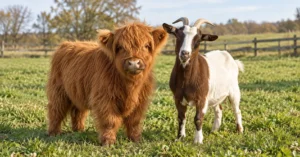
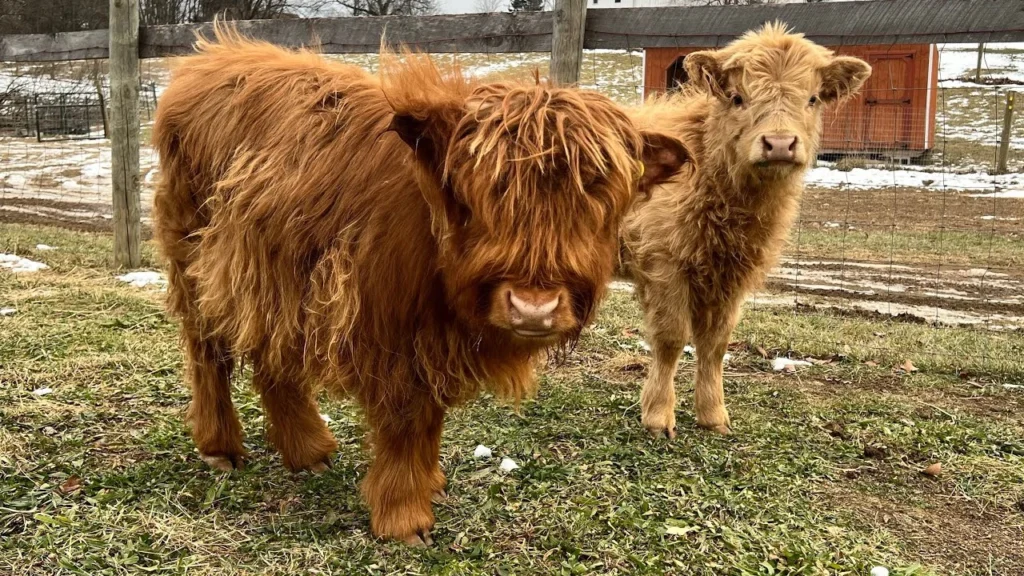
Mini Highland cows have become popular because of their small size, long hair, and gentle-looking faces. They often appear in farm videos, family homesteads, and small pasture settings. Their fluffy coat makes them look like a tiny version of a standard Highland cow.
However, the word “mini” can be confusing.
Some Mini Highland cattle are naturally smaller because breeders selected short and compact animals for many generations. Others are young standard Highland cattle that have not reached their full adult size. Some may be crossed with smaller cattle breeds. A few extremely small animals may also have poor growth, health problems, or harmful forms of dwarfism.
A buyer should never judge a cow only by a cute photo or a seller’s label. Adult height, age, parents, body shape, health records, and breeding history all matter.
This guide explains how big Mini Highland cows get, how they compare with standard Highlands, what makes them small, and how to choose a healthy animal.
Quick Facts About Mini Highland Cows
| Topic | Simple answer |
| Are Mini Highlands naturally small? | Some are smaller through selective breeding, but “Mini Highland” is not always an official breed type. |
| Are they a separate breed? | Usually no. They are generally small Highland cattle or Highland crosses. |
| How tall are they? | Many sellers describe mature minis as about 36 to 42 inches tall, but no single universal standard exists. |
| Can young standard calves look mini? | Yes. Highland cattle grow slowly and may continue developing for several years. |
| Are micro minis always healthy? | No. Extremely small size can sometimes be linked to poor growth or skeletal defects. |
| Do minis need less land? | They may eat less than large cattle, but they still need safe pasture, shelter, fencing, and herd mates. |
| How can buyers confirm size? | Check the animal’s age, measure its hip height, and study both parents. |
| Can Mini Highlands have horns? | Yes. Pure Highland cattle normally have horns unless managed differently. |
| Are all fluffy mini cows pure Highland? | No. Some are crosses with Dexter, Lowline Angus, or other small breeds. |
How Big Do Mini Highland Cows Get?
There is no single height and weight that fits every animal sold as a Mini Highland cow. Different breeders use different size labels.
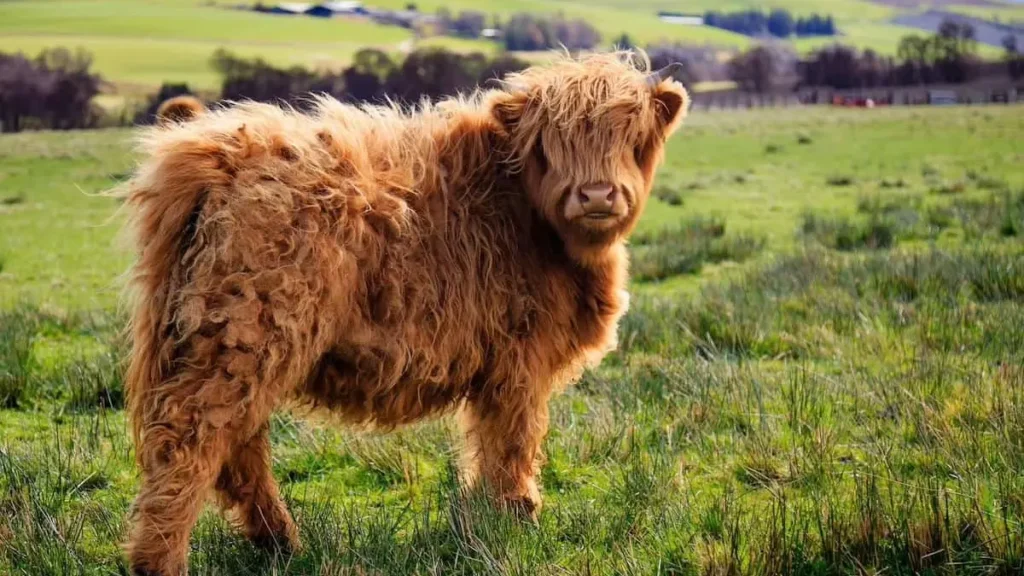
A mature small Highland cow may stand around 36 to 42 inches at the hip. Some animals may grow taller. Bulls are usually larger and heavier than cows.
Body weight can also vary greatly. A small mature cow might weigh several hundred pounds. A mature bull may weigh much more even when he is shorter than a standard Highland bull.
Height alone does not tell the full story. A short cow with a wide frame and strong bone can weigh more than a taller but narrow animal.
Age Makes a Big Difference
A young Highland calf may look tiny for a long time. Highland cattle are a slow-maturing breed. They do not reach full adult size as quickly as some modern beef breeds.
A seller may show a one-year-old heifer and call her miniature. That does not prove she will remain small. She may still gain height, body length, muscle, and weight over the next few years.
Ask for the exact birth date. Do not accept words such as “young,” “baby,” or “small for her age” without records.
A mature measurement gives much better information than a calf measurement.
Measure at the Hip
Cattle height is normally measured from level ground to the top of the hip. The animal should stand naturally on a flat surface.
Do not measure the top of the back hair. Highland coats can add several inches to the animal’s appearance.
A proper measurement should use:
- A flat and firm surface
- A level measuring stick
- An animal standing squarely
- The highest point of the hip
- A written record of the animal’s age
Photos can make a cow look smaller or larger depending on camera angle. A measurement is more useful than a picture.
Mini Highland Cow Height and Weight
Mini Highland cattle can differ in height because the term “mini” does not have one worldwide definition. Some breeders use several groups such as miniature, midsize, and micro miniature.
These labels may sound official, but the limits can change from one seller to another.
One breeder may call a 42-inch cow miniature. Another may use the word midsize for the same animal. A buyer should always ask for the actual measured height instead of trusting the label.
Common Size Descriptions
The following ranges are often used in private miniature-cattle marketing. They are not a universal Highland breed standard.
| Marketing term | Often-used mature height | Important note |
| Micro mini | Under about 36 inches | Extremely small animals need careful health checks |
| Miniature | About 36 to 42 inches | Definition changes between breeders |
| Midsize | About 42 to 48 inches | May still be much smaller than large beef cattle |
| Standard Highland | Often taller than mini ranges | Size varies with sex, bloodline, age, and feeding |
These numbers should only serve as a rough guide. The main Highland cattle breed standard focuses on correct Highland type, sound structure, coat, horns, body, and movement rather than creating an official micro or miniature class.
Weight Is Harder to Predict
Two cows of the same height may have very different weights.
One may have a deep chest, broad hips, and heavy muscles. The other may have a narrow frame and poor body condition. Pregnancy also adds weight.
A livestock scale gives the best result. A weight tape can provide an estimate when a scale is not available.
Do not choose a breeding animal simply because it has a very low weight. A thin or poorly grown animal is not the same as a healthy miniature cow.
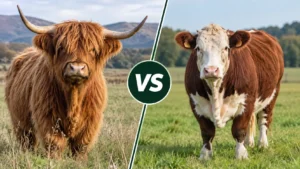
Mini Highland Cows vs. Standard Highland Cattle
Mini and standard Highland cattle should share many of the same basic features.
Both may have:
- A long outer coat
- A soft undercoat
- A wide forehead
- A broad muzzle
- Long horns
- Short and strong legs
- A deep body
- Colors such as red, black, yellow, dun, brindle, or white
The main claimed difference is adult size.
Standard Highland Cattle
Standard Highlands come from an old Scottish cattle breed. Farmers developed them to survive rough ground, cold winds, rain, and limited winter feed.
They have strong feet, a heavy coat, and a body made for outdoor living. Mature bulls are much heavier than cows.
Official Highland breed descriptions value a balanced body, broad chest, strong bone, correct horns, and easy movement. The animal should not look weak or badly shaped just to appear smaller.
Mini Highland Cattle
A healthy Mini Highland should look like a reduced but balanced animal. Its head, body, legs, and feet should fit together.
The legs should not appear extremely short compared with the body. The spine should look normal. The cow should walk without pain, stiffness, or unusual movement.
Some Mini Highlands are purebred cattle selected from naturally smaller Highland bloodlines. Others contain another breed in their family history.
Crossbred animals may still be useful and healthy. The problem begins when a seller claims that a cross is a registered pure Highland without proof.
Space and Feed Needs
A smaller cow may eat less than a large cow, but it is still livestock.
It needs enough pasture or stored forage. It also requires clean water, minerals, secure fencing, shade, dry shelter, and veterinary care.
Several mini cows can damage a small field quickly. Mud, manure, parasites, and overgrazing become serious problems when too many cattle live on limited land.
Are Mini Highland Cows a Separate Breed?
Mini Highland cows are usually not a separate cattle breed. They are generally Highlands bred for smaller size or crosses that show Highland features.
The established breed is Highland cattle.
Main breed organizations protect the history, pedigree records, and physical type of standard Highland cattle. They do not automatically recognize every animal advertised online as a Mini Highland.
What Does Purebred Mean?
A purebred Highland should come from documented Highland parents. Registration papers help show that the animal belongs to a recorded Highland bloodline.
Papers do not promise that a cow will be tiny. They also do not replace a health exam. However, they help confirm identity and ancestry.
Ask the seller for:
- Registration names and numbers
- Copies of pedigree papers
- The sire and dam’s mature heights
- Photos of both parents
- DNA information when available
- Records of past calves
A seller should explain clearly whether the animal is purebred, percentage Highland, or a cross.
Common Highland Crosses
Some small fluffy cattle cross between Highlands and smaller breeds.
Possible crosses include Highland with:
- Dexter cattle
- Lowline Angus
- Miniature Hereford
- Belted Galloway
- Other compact beef cattle
A cross may inherit Highland hair and a smaller frame. It may also have a different horn shape, body type, milk level, temperament, or growth pattern.
There is nothing wrong with a well-bred cross when the seller describes it honestly.
What Makes a Highland Cow Miniature?
Several things can make a Highland cow smaller than average. Not all of them are equal.
The safest reason is planned selection for a healthy small size.
A breeder may choose naturally short cows and compact bulls that have good feet, normal body proportions, easy births, and healthy calves. Repeating this selection over many generations can create a smaller family line.
Genetics
Height and mature weight come partly from genetics. Calves often grow to a size that falls somewhere near their parents.
This is why the parents matter so much. A tiny calf from two large parents may not stay tiny. It may simply be young or slow growing.
A calf from two healthy and fully mature smaller parents has a better chance of remaining small.
Even then, genetics can produce variation. Full brothers and sisters do not always reach the same size.
Sex
Bulls usually grow larger than cows. A mini bull may become much heavier and stronger than buyers expect.
A young bull calf may look harmless. As he reaches maturity, his neck, shoulders, head, and horn base become thicker.
Small bulls still need strong facilities. Their lower height does not remove the danger caused by their weight, horns, and breeding behavior.
Nutrition
Poor feeding can slow growth, but it should never be used to create a miniature cow.
A calf that lacks protein, energy, minerals, or clean water may remain undersized. It may also develop weak bones, poor immunity, fertility trouble, and a rough coat.
This is stunted growth, not healthy miniature breeding.
A small cow should have enough food to reach its natural genetic size. Owners should not limit feed to keep it short.
Disease and Parasites
Heavy worm loads, long-term diarrhea, lung disease, and other health problems can reduce growth.
A calf with a large belly, rough coat, thin frame, or slow growth needs a veterinary check. It should not be marketed as a special micro animal until health problems have been ruled out.
Crossbreeding
Crossing Highlands with naturally smaller cattle may lower adult size.
The results can vary. One calf may remain compact while another grows much larger. Coat length and horn development may also change.
Buyers should study the full family history rather than relying on one fluffy calf photo.
Do Mini Highland Cows Stay Small as Adults?
A true healthy miniature animal should remain smaller than a standard animal after reaching maturity. The problem is that many cattle are sold before their mature size is known.
Highland cattle continue filling out as they age. Their chest becomes deeper. Their body gains length and width. Bulls may change greatly between one and three years old.
A calf that reaches only a person’s knee will not stay that size.
How to Estimate Mature Size
No method gives a perfect answer, but these steps help:
- Confirm the exact age of the calf.
- Measure the calf on level ground.
- Measure the mature sire and dam.
- Check adult siblings from earlier breedings.
- Review growth records.
- Ask whether the animal is pure Highland or crossed.
- Get the expected mature size in writing.
The parents should be fully grown when measured. A two-year-old parent may still gain body size.
Watch for Misleading Photos
Photos taken with a wide-angle phone lens can change body size. A person standing behind the cow may look larger than a person standing beside it.
Thick hair also hides body condition and leg length.
Ask for a side-view video of the animal walking on flat ground. Request a clear video of the measurement process. This makes it easier to see body shape and movement.
Mini Highland Cow Growth Rate by Age
Growth depends on genetics, nutrition, sex, health, birth weight, and the mother’s milk supply. There is no exact growth chart that fits every Mini Highland.
Still, owners can watch for steady progress.
Birth to Six Months
During the first months, the calf depends mainly on its mother’s milk. It also starts eating grass, hay, and calf feed.
A healthy calf should look alert and grow steadily. It should not become very thin after weaning.
Record birth weight when possible. Take regular weights or heart-girth measurements.
Sudden weight loss may point to parasites, low milk supply, poor feed, disease, or stress.
Six to Twelve Months
The calf becomes more independent during this stage. Good forage and balanced minerals support bone and muscle growth.
Do not push very fast growth with too much grain. Heavy feeding can make a calf fat without creating sound structure.
Check the feet and legs. The calf should walk freely and stand evenly.
One to Two Years
Young cattle may gain more height and body length. Heifers also begin moving closer to breeding age.
Do not breed a heifer only because she has reached a certain birthday. She must have enough body size and pelvic development to carry and deliver a calf safely.
An extremely small heifer may face greater calving risk when bred to a large bull.
Two Years and Older
Many Highlands continue filling out after age two. Bulls often develop a much heavier front end as they mature.
Final adult size becomes easier to judge after several years. Buyers seeking a proven mini cow may feel safer choosing a mature animal rather than a calf.
Are Micro Mini Highland Cows Healthy?
Some very small cattle can live healthy lives. However, the smaller the seller claims an animal will be, the more carefully the buyer should investigate.
The term “micro mini” is often used for marketing. It does not guarantee good health or a safe breeding background.
Healthy Small Size vs. Dwarfism
A healthy small animal should remain proportionate. Its legs, spine, head, and body should fit together.
Dwarfism or skeletal dysplasia can cause abnormal bone development. Signs may include:
- Very short or twisted legs
- A large head compared with the body
- A short or curved spine
- A badly shaped jaw
- Bulging eyes
- Trouble walking
- Slow and weak growth
- Repeated bloating
- Breathing problems
- Difficulty standing
Not every short cow has dwarfism. A veterinarian may need to examine the animal and study its family history.
Reproductive Risks
Very small cows may have narrow pelvic areas. This can make calving harder, especially when bred to a larger bull.
The sire should have a record of producing small and easy-born calves. Even then, no breeding is risk-free.
An owner should have a safe calving area and a veterinarian who can respond quickly.
Do not breed an animal with severe structural problems only because its calves may sell for a high price.
Other Health Checks
A micro-sized animal should receive the same health care as other cattle.
Check its:
- Teeth and jaw alignment
- Eyes and breathing
- Heart and lungs
- Feet and legs
- Spine and hips
- Body condition
- Manure and parasite level
- Reproductive system
- Vaccination and disease records
Ask whether any related calves were born dead, badly formed, unable to stand, or unusually weak.
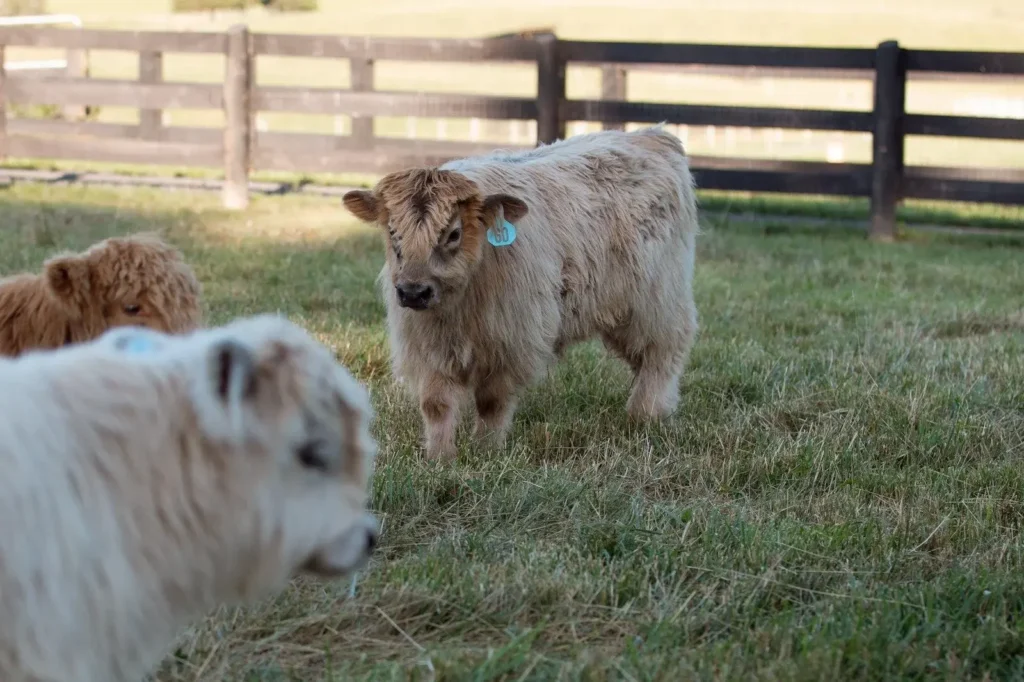
How to Choose a Healthy Mini Highland Cow
Buying a Mini Highland is a major decision. The animal may live for many years and cost much more than a standard commercial cow.
Choose health and sound structure before extreme size.
Study the Seller
A good breeder should answer clear questions. The breeder should know the animal’s birth date, parents, health history, and expected adult size.
Visit the farm when possible. Look at the condition of the whole herd. Clean water, safe fencing, proper feed, and calm cattle are good signs.
Be careful when a seller refuses to show parents or gives only social media photos.
Examine the Animal
Watch the cow or calf walk toward you, away from you, and from the side.
The legs should move straight. The animal should not limp, drag a foot, or struggle to rise.
Look under the long coat. Highland hair can hide a thin body, swollen joints, skin disease, and poor muscle.
The eyes should look bright. Breathing should be quiet. The nose should not have thick discharge.
Ask for Records
Request written records for:
- Birth date
- Birth weight when available
- Current height and weight
- Vaccinations
- Deworming and parasite tests
- Illnesses and treatments
- Registration or pedigree
- Parent sizes
- Breeding history
- Pregnancy status
Have a cattle veterinarian perform a pre-purchase exam for an expensive animal.
Check Temperament
Mini does not mean tame.
A nervous cow can charge, kick, or use its horns. A bottle-raised bull may become too comfortable around people and later act dangerously.
Watch how the animal reacts when a person enters the pen. It should remain alert but manageable.
Never buy cattle as indoor pets. They need outdoor livestock housing and safe herd management.
Avoid Major Warning Signs
Walk away from a sale when:
- The seller hides the animal’s age
- No one will measure the cow
- The parents cannot be seen or documented
- A young calf is promised to stay extremely tiny
- The animal has crooked legs or an unusual spine
- The seller says limited feeding keeps cattle miniature
- A sick or thin calf is called a micro mini
- Purebred claims come without records
- The price depends mainly on a trendy color
- The seller discourages a veterinary exam
A responsible breeder should care where the animal will live and how the buyer plans to manage it.
Do Mini Highland Cows Need Less Care?
A smaller cow may need less total feed than a large beef cow. That does not mean it needs little care.
Mini Highlands still need cattle fencing. Simple garden fencing is not safe. Their horns can also become caught in wire panels or feeders.
They need another compatible bovine companion because cattle are herd animals. A cow kept alone may become stressed and noisy.
Basic Daily Needs
Every Mini Highland needs:
- Clean water at all times
- Good pasture or hay
- Cattle minerals
- Dry ground
- Wind and weather protection
- Safe handling equipment
- Hoof and health checks
- Parasite control
- Veterinary care
- Enough room to move and graze
Climate matters too. The long Highland coat protects cattle in cold weather, but it can make hot and humid weather harder.
Provide shade, airflow, cool water, and enough space during summer. Watch for fast breathing, drooling, weakness, or crowding around water.
Are Mini Highland Cows Good for Small Farms?
Mini Highlands can fit some small farms, but land size is only one part of the decision.
A small property may not grow enough grass all year. The owner may need to buy hay and store it in a dry place.
Cattle also produce a large amount of manure. The farm needs a plan for mud, runoff, bedding, and waste.
Possible Benefits
Smaller cattle may offer:
- Easier feed use than very large cattle
- Lower body weight on soft ground
- Smaller cuts of beef for family freezers
- A compact size for some homesteads
- Strong visual appeal
- Highland cold-weather traits
Possible Challenges
Owners may face:
- High purchase prices
- Unclear size claims
- Horn-related handling problems
- Limited registered bloodlines
- Difficult births in very small cows
- Expensive fencing and equipment
- Heat stress in warm climates
- A shortage of experienced local veterinarians
Before buying, calculate yearly costs for hay, minerals, veterinary visits, fencing, bedding, transport, and emergency care.
Common Myths About Mini Highland Cows
Myth 1: Every Mini Highland Is a Purebred Highland
Some are crosses. Ask for pedigree proof when pure breeding matters.
Myth 2: A Tiny Calf Will Always Stay Tiny
Calves grow. Mature parent size gives better clues than a baby photo.
Myth 3: Mini Cows Can Live in a Backyard
They still need livestock space, strong fencing, manure control, and cattle companions.
Myth 4: Micro Mini Always Means More Valuable
Extreme size can come with health and breeding problems. Healthy structure has more value than a trendy label.
Myth 5: Small Bulls Are Safe
A compact bull can still weigh hundreds of pounds and cause severe injury.
Myth 6: Poor Feeding Creates a Safe Mini Cow
Poor feeding causes stunted and unhealthy growth. It is not a proper breeding method.
Myth 7: All Mini Highland Cows Are Gentle Pets
Temperament varies. Cattle require trained handling even when they look cute.
Final Thought
Some Mini Highland cows are naturally smaller because breeders selected healthy compact cattle over several generations. Others are crosses with smaller breeds. The term “Mini Highland” does not always describe a separate or officially recognized breed.
A calf’s current size cannot prove its adult size. Highland cattle grow slowly and continue developing for several years. Check the animal’s age, mature parent heights, body proportions, health records, and pedigree before buying.
Be especially careful with animals sold as micro mini. Very small size is not always a benefit. Crooked legs, poor movement, an unusual spine, weak growth, or a badly shaped head may point to a health or genetic problem.
A good Mini Highland should look balanced and strong. It should walk normally, eat well, breathe easily, and grow at a steady rate. Its small size should come from responsible breeding rather than poor nutrition or disease.
Choose the healthiest animal instead of the smallest one. A sound Mini Highland with honest records is a much better choice than an extremely tiny cow sold only because it looks cute.