Many people ask Can Highland cows live alone because these animals look strong and independent. Their thick coats protect them in cold weather. They can walk over rough grazing land and live outdoors during difficult seasons. However physical hardiness does not remove their need for social contact.
Highland cattle are social herd animals. They feel safer when they can see and interact with other cattle. A cow may survive alone when it has food and clean water and shelter. Yet survival is not the same as good welfare.
A single cow may eat and rest. It may even appear calm while a person is nearby. Still it can experience isolation stress when the owner leaves. It may start repeated calling or walking along the fence.
The best plan is usually to provide a compatible companion. Another calm cow or steer offers true cattle companionship. A small stable group can work even better when the farm has enough pasture and feed.
Human attention is helpful. A calm owner can build trust through gentle handling and daily monitoring. However people cannot fully replace a bovine companion. Cattle graze and rest and communicate in ways that humans cannot copy.
Highland Cow Social and Herd Behavior
Understanding Highland cow social and herd behavior helps explain why long-term isolation can be harmful.
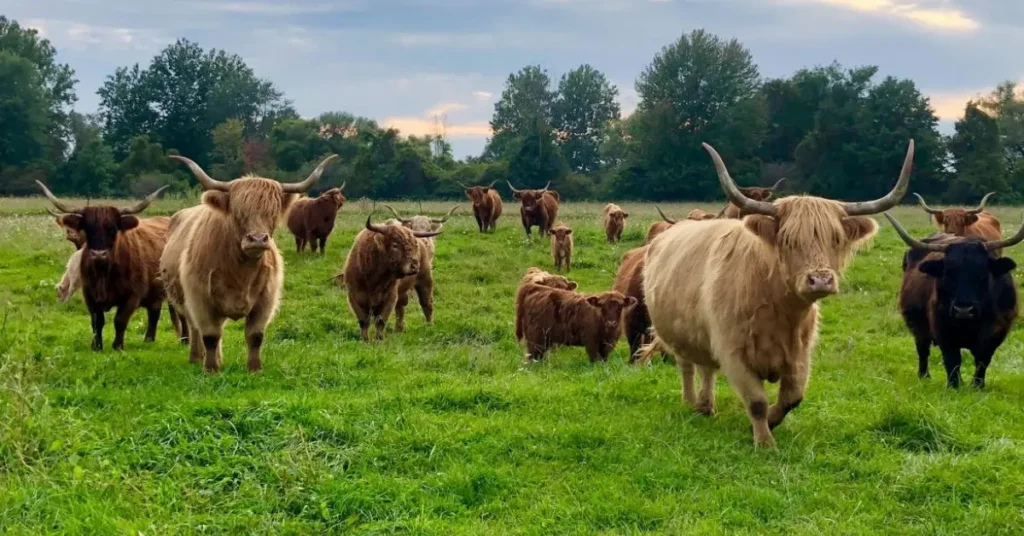
Highland cattle belong to the species Bos taurus. Like other domestic cattle they naturally live in social groups. A herd gives them safety and companionship and useful information about their surroundings.
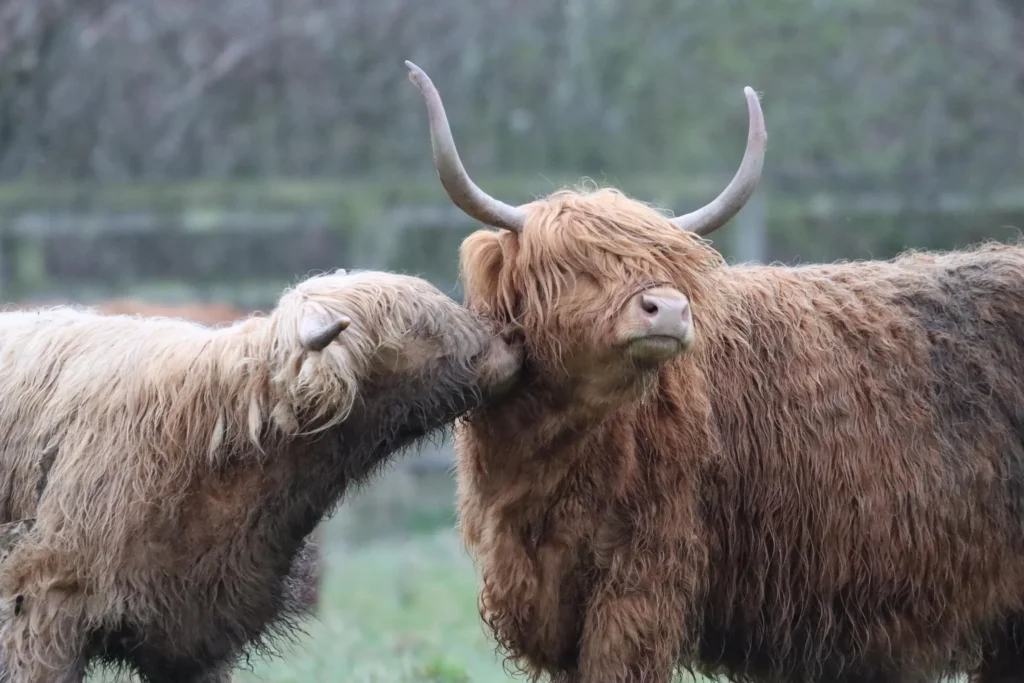
Cattle often show group grazing. One cow starts walking toward fresh grass and the others may follow. They may also move toward water and feed and shelter at similar times. This shared pattern is called social synchronization. It supports herd cohesion because the animals stay connected during normal daily activities.
Cattle also show group resting. Several animals may lie down and chew cud at the same time. One cow may choose resting beside preferred animals instead of lying beside every member of the herd.
Highland cattle may form preferred associations. A cow may spend more time near one familiar animal. It may show social licking or calm nose-to-nose contact. These relationships can look like cattle friendships. Scientists continue to study how strong these bonds are. Still research shows that cattle do not choose all partners at random.
Familiarity plays an important role. Animals raised together may show a stronger bond than cattle that have just met. Age can also influence social relationships. Cattle of a similar age may spend more time together. Animals with a similar social rank may also form closer links.
Every herd develops a dominance hierarchy. Older cattle may hold a higher position than young animals. Mature males may also rank above females. This social order helps reduce constant fighting. Each cow learns which animal is likely to move first at a feeder or gate.
Highland cattle do not need to stand together every second. One cow may graze several metres away. The important point is that it still has visual contact and can return to the group.
A cow may stand near a familiar companion during uncertain situations. This can happen when a strange vehicle arrives or a dog enters the area. The presence of another animal may provide stress reduction.
When a cow leaves the herd it may begin vocalization. It may call loudly because it wants to restore contact. This is a normal response to social isolation. Changes in herd membership can create social instability. New cattle must learn the existing rank system. Cattle left behind may also react when a close companion leaves. This is why a stable social group usually supports better welfare than a herd that changes every few weeks.
Risks of Keeping a Highland Cow Alone
The risks of keeping a Highland cow alone may not become clear on the first day. Problems can develop slowly through chronic social stress. One common sign is excessive calling. The cow may stand near a gate and call for people or other livestock.
Some cattle begin fence walking. They move up and down the same area while looking toward neighboring cattle. A lonely cow may also push gates or fences in an attempt to reach them.
This creates a risk of farm escape. A cow that reaches a road can cause a serious accident. Good fencing is important for every herd. It becomes even more important when one animal is trying to find companions.
A single cow may also experience a reduced sense of safety. In a herd one animal may watch for danger while the others graze. A cow living alone must handle constant vigilance by itself. It may keep its head raised and spend less time eating.
This can cause reduced grazing and reduced feed intake. During winter or pregnancy this may become a serious problem. Highland cattle have a thick coat that can hide body condition loss. An owner may not notice weight loss until it becomes severe.
Use your hands to feel the ribs and spine. Do not judge the animal only by its long hair.
Isolation may also cause restlessness and reduced resting. A cow needs enough time to lie down and chew cud. Poor rest can affect normal health and digestion. Some cattle show physical stress signs during separation. These can include increased heart rate and urination during isolation or defecation during isolation.
Another risk is an unsafe attachment to people. A hand-raised calf may begin treating the owner like another cow. This may look harmless when the animal is young. It may push its head against a person or rub its horns on the owner.
When the animal becomes a full-sized cow or bull this behavior can become dangerous. Head pushing and horn rubbing can injure people even when the animal does not intend to attack. Owners must maintain safe boundaries. Calm interaction is useful. Rough play is not.
Isolation may also affect recovery during stressful events. Transport stress and a new environment already challenge cattle. Being moved without a familiar companion can add more pressure. Temporary separation may still be necessary. A cow may need treatment or quarantine. A mother may also remain alone for a short period during calving.
The aim should be to keep temporary isolation as short as possible. Use visual social contact when disease control allows it.
Best Companion Animals for Highland Cows
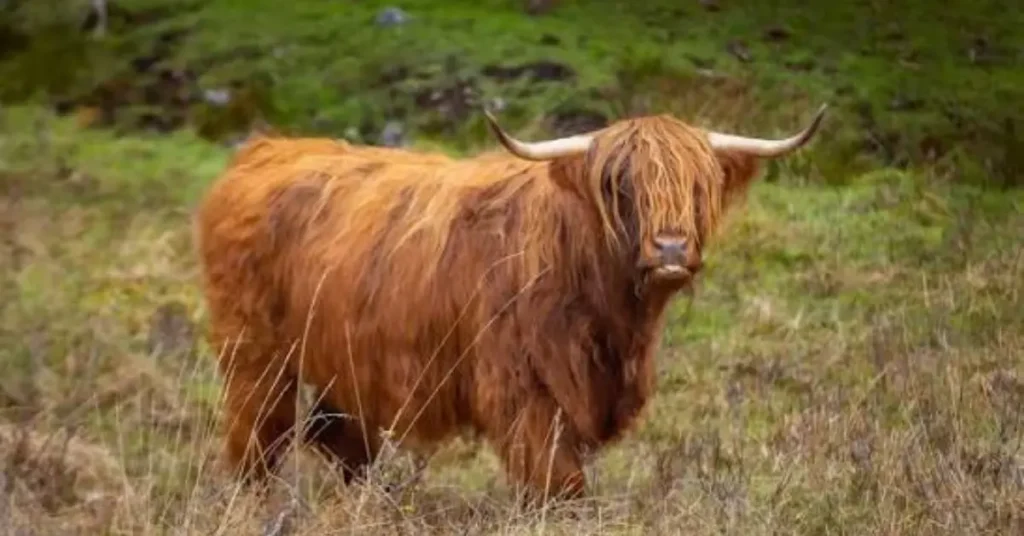
The best companion animals for Highland cows are usually other cattle.
A Highland does not always need another Highland. A calm animal from another cattle breed can still provide normal bovine social contact. Compatibility matters more than coat colour. Consider size and age and sex and temperament.
Two calm steers may form a good pair. Two cows can also live together well. A cow and offspring may remain closely bonded when the farm plan allows it. A suitable companion should be a healthy animal with a calm nature. It should have a similar body size and a similar energy level.
The cattle should also fit the same feeding system. A large animal with very different nutritional needs may create management problems. Pay attention to horn safety. Highland cattle need space to turn their heads. A small companion can be injured by accident if the field or shelter feels crowded. Extra care is needed with a mature bull. Bulls can become dangerous. Keeping one bull with one cow can also lead to an unplanned breeding risk and future calving responsibility.
Do not buy a bull only to provide companionship.
A goat or sheep or horse may offer some visible company. Yet these animals cannot fully replace same-species companionship. Different animals use different social signals and body language. They also have different feeding patterns.
Mixed-species housing can create practical problems. Goats may need stronger fencing. They may also have different mineral needs. Sheep and cattle may require different parasite management. A horse may injure a cow through kicking.
Highland horns may also hurt smaller animals. This can happen even when the cow is calm. A farm dog should not be the only companion. Cattle may view dogs as predators or herding pressure.
Human company helps but remains limited. An owner may provide grooming and calm training. Another cow remains nearby during grazing and resting and storms. The best companion is therefore a safe and compatible bovine that supports natural cattle behavior.
Minimum Herd Size for Highland Cattle
There is no universal number that suits every farm.
The minimum herd size for Highland cattle depends on available land and feed and shelter and local rules. As a practical welfare minimum it is better to keep two compatible cattle instead of one animal alone. A pair can provide social contact through the day and night. They can graze and rest together.
A three-animal group may offer an extra benefit. When one animal leaves for treatment or sale the remaining pair still has companionship. However, more cattle are not always better. Owners should never buy more animals than the property can support. A well-managed pair is better than a poorly managed group of five.
Too many cattle can cause overgrazing and mud. A small shelter may also become crowded. The correct group size depends on several farm resources. These include pasture availability and winter hay storage and water points. Owners also need enough shelter space and secure fencing. Handling facilities matter too. A farmer needs a safe way to examine or treat the cattle.
The budget should include feed and veterinary costs. The owner must also consider daily care time. Feeding areas need enough room. Highland horns require good turning room. A narrow feeder may allow one dominant cattle member to block another animal. Use more than one feeding position when possible.
Water must also remain easy to reach. One cow should not control all water access. The same rule applies to lying space. Every animal should rest without constant pressure from another cow. Try to keep stable membership after building the herd. Constant buying and selling forces cattle to rebuild the social order. Group changes may also disturb close social relationships.
Plan the group carefully. Choose cattle that fit the land and feed supply and long-term breeding plans.
Signs of Loneliness and Stress in Highland Cows
The signs of loneliness and stress in Highland cows can look similar to illness or hunger.
Do not judge the problem from one behavior alone. Look for patterns and changes from the cow’s normal routine. Repeated loud vocalization is one possible sign. The cow may call after the owner leaves or when it sees cattle in another field. Another sign is standing near the gate for long periods. The animal may also show repeated escape attempts.
Some lonely cattle show a constant following of people. The cow may appear calm while a person stays nearby. It may become restless after the person leaves. Watch for reduced grazing and reduced hay intake. A stressed animal may eat less than normal. Changes in rumination are also important. Healthy cattle spend time lying down and chewing cud.
A cow that rarely lies down may feel unsafe or uncomfortable.
Possible stress signs also include increased alertness and pacing. Some cattle show urination or defecation when isolated. Use different observation times. A short morning visit may not reveal what happens later in the day. A camera can support camera monitoring when needed. Video may show calling or fence walking that stops when the owner arrives.
Check body condition regularly. The thick Highland coat can hide weight loss. Feel the ribs and spine. Record appetite and body condition instead of trusting appearance alone. Do not assume every problem comes from loneliness. A cow that stops eating may have dental pain or a digestive problem.
Calling may also happen during a heat cycle or calf separation. Contact a veterinarian when stress signs appear with fever or bloating or diarrhea. Other warning signs include coughing and nasal discharge and rapid breathing.
Limping or trouble standing may indicate pain or injury. A cow that shows failure to eat or failure to drink needs quick attention. Sudden aggression and major weight loss also require a veterinary examination.
Introducing a New Cow to a Highland Herd
Introducing a new cow to a Highland herd requires planning and patience. Do not place an unknown animal directly into a small paddock with the existing cattle. Start with health protection. Ask a veterinarian about tests and vaccinations before bringing new cattle onto the farm.
Use quarantine based on local disease risk. A period of two to four weeks may be used in some situations. The exact time should follow veterinary advice. Quarantine protects the herd from contagious disease. However it also creates a social challenge.
When biosecurity permits let the cattle have visual contact and sound contact across a strong fence. Do not allow nose-to-nose contact when it would break the disease-control plan. After quarantine begins a gradual introduction.
Start by allowing the cattle to see and smell one another through secure fencing. Then move them into a large neutral area. A spacious paddock gives a lower-ranking animal room to move away. Make the first direct meeting during daylight. This gives you time for behavior observation. Provide multiple hay locations. One cow should not control every feeding point.
Use multiple water positions when possible. This reduces feed competition and water guarding. Remove dangerous obstacles. A chased cow can become trapped in corners or narrow gateways.
Watch the horns. Highland cattle need extra personal space. Some sniffing and following are normal. Short pushing may also happen while the cattle build a new social hierarchy. Constant chasing is not normal. Repeated hard horn contact can cause injury.
Use proper gates and safe handling facilities if separation becomes necessary. Never place yourself between fighting cattle. Separate them when one animal cannot eat or rest or escape pressure. After a successful introduction, keep the group stable. Repeated introductions can restart social tension.
Daily Care for a Single Highland Cow
Sometimes daily care for a single Highland cow becomes necessary for a short time.
A companion may die. Another animal may leave for medical treatment. A new cow may also remain alone during quarantine. During this period increase daily observation and social support. Check the cow at least once every day. Visit more often during illness or extreme weather.
Provide constant clean water and enough suitable forage. The cow also needs cattle minerals and salt.
- Make sure it has dry shelter and shade during hot weather.
- Inspect secure fencing because a lonely cow may test gates and boundaries.
- Check appetite and manure output. Manure checks can reveal changes in digestion.
- Complete regular water checks and observe urination.
- Use body condition monitoring because the thick coat can hide weight loss.
- Look at the feet and legs during mobility checks and hoof checks.
Provide calm human contact but maintain a safe distance. Train the cow to come to a bucket or stand calmly.
Do not allow head pushing or horn rubbing.
Provide safe cattle enrichment through normal activities. Allow grazing and safe browsing areas. You may change hay locations to encourage movement and exploration. Do not use excess grain as a cure for loneliness. Extra food may distract the cow for a short time. It can also cause obesity or digestive trouble. Fence-line contact with neighboring cattle may help. It is not equal to living inside a stable group.
It can also create biosecurity concerns and fence pressure. Discuss the arrangement with the neighboring farmer and veterinarian. Watch what happens after you leave. A cow may look peaceful while you stand nearby. It may begin owner-leaving calls a few minutes later. If the animal shows strong single-animal distress then finding a compatible companion becomes urgent.
The long-term goal should be a compatible bovine group or at least paired management. Permanent isolation should not be the normal plan for a healthy Highland cow.
Final Thoughts
Highland cows are strong and adaptable. They can manage cold weather and rough land better than many cattle breeds. Still they are not naturally solitary. Their need for companionship remains part of normal cattle communication and stable herd life.
A human owner can provide food and grooming and calm attention. A bovine companion provides shared grazing and shared resting and herd movement. Keeping two compatible cattle is a sensible practical minimum for many small farms. A small stable group may work even better when the land has enough winter feed and shelter.
Watch for repeated calling and fence walking and reduced appetite. These may show social stress but may also signal illness. Use quarantine and gradual contact when adding a new companion. Provide enough space and separate feeding points.
A Highland cow can remain alone during a short and necessary period. Long-term isolation avoidance supports better welfare and a calmer and safer animal.