The Jersey cow lifespan is often longer than the time she spends in a commercial milking herd. These two ideas sound similar. They are not the same.
A healthy Jersey can live into her teens. Some cattle may reach close to 20 years under very good care. Yet many dairy cows leave commercial herds at a much younger age. They may leave because of mastitis or poor fertility. Lameness and low milk production also play a role.
The Jersey breed has several traits that can support a long life. Jerseys have a smaller body than many dairy breeds. They often have strong fertility and easy calving. Their rich milk also allows them to produce valuable butterfat and protein without needing the largest body or highest milk volume.
Still the breed name does not protect a cow from bad care. Weak feed can shorten her working life. Wet floors can damage her feet. Dirty bedding can raise the risk of udder infections. Poor calving care can turn one difficult week into a lifelong health problem.
No single age can describe every Jersey cow. Farm type matters. Genetics matter too. The table below gives a clearer picture.
| Lifespan measure | General Jersey cow picture | What it really means |
| Natural life potential | May reach the late teens or close to 20 years | Possible life under long-term care |
| First calving | Often near 2 years of age | Start of productive dairy life |
| Average commercial herd life | Often only a few lactations | Affected by health and farm decisions |
| Strong mature years | Commonly the middle lactations | Milk and body maturity may work well together |
| Long-lived Jersey performance | Some remain productive through 8 lactations or more | Requires good health and management |
| Senior stage | Often 10 years or older | Needs closer checks for teeth feet and body condition |
Cattle may have a natural lifespan near 20 years. Yet the average productive life of a US dairy cow is estimated at about 2.8 lactations. A large study of South African Jersey herds found an average of about 2.47 completed lactations in that particular commercial system. These numbers show why natural lifespan and productive lifespan must be discussed separately.
Average Lifespan of a Jersey Cow
There is no honest worldwide average that applies to every Jersey cow.
A family cow on a small farm may live much longer than a cow in a large commercial herd. The family may keep her after milk production falls. A commercial dairy must consider feed cost and milk value. It must also think about pregnancy and health.
A well-cared Jersey cow may live for 12 to 15 years. Some live longer. Reaching close to 20 years is possible but should not be treated as the normal result for every animal.
A cow must first survive the calf and heifer stages. She then enters the milking herd after her first calving. Productive lifespan begins at that point. It ends when she leaves the dairy herd.
Commercial cows often leave before they become truly old. This may happen after only two or three lactations. The farmer may remove a cow because she fails to become pregnant. A painful hoof problem may make walking difficult. Repeated mastitis may reduce milk quality. An injury can also force an early decision.
This means a five-year-old cow is not necessarily old. She may only be in her third lactation. Her body can still have many healthy years left.
The United Kingdom’s Jersey Cattle Society says average Jersey production performance can remain strong through the eighth lactation and beyond. That does not mean every Jersey reaches eight lactations. It does show that the breed has the ability to stay useful well past the early years when health and structure remain sound.
Farmers should not chase age alone. A cow that reaches 15 years while living with chronic pain has not enjoyed good longevity. The better goal is a long life with comfort and useful function.
A sound Jersey should walk without pain. She should eat with interest. Her udder should remain healthy. She should keep her body in good condition through winter and lactation.
Longevity starts long before the cow becomes old. Good calf care affects her lungs and growth. Heifer feeding affects her first calving. The first transition period affects her future milk and fertility.
One bad stage can shorten everything that follows.
How Long Jersey Cows Stay Productive
A Jersey cow becomes productive after giving birth and starting her first lactation.
Many Jerseys calve for the first time at about two years of age. The cow then produces milk for roughly ten months. She usually receives a dry period before the next calf.
One lactation does not equal one full calendar year. Breeding delays and longer dry periods can stretch the time between lactations.
A Jersey that completes eight lactations may be around ten years old or older. Her exact age will depend on first-calving age and the length of each calving interval.
Some cows improve after the first lactation. A young Jersey still uses energy for body growth. Her udder also has not reached full mature capacity. Production often becomes stronger in later lactations.
The middle years can be very valuable. The cow has reached mature body size. The farmer already knows her behavior and milk pattern. Her raising cost has also been paid.
Longer productive life can lower replacement pressure. Every replacement heifer uses feed and housing for nearly two years before producing milk. A cow that remains healthy for more lactations allows the farm to spread that cost across more milk.
Still old cows should not remain in the herd only to raise an average-lactation number. University of Maryland Extension notes that keeping an older cow makes little sense when she has serious health trouble or no longer fits the farm system. Productive longevity should support welfare and farm performance at the same time. A productive Jersey does not need to break records every year. Steady milk with high butterfat and protein can have great value.
Udder structure affects how long this continues. A strongly attached udder stays higher and faces less risk of injury. Good teat placement supports clean milking.
Feet and legs matter just as much. The best udder in the barn has little value when the cow cannot walk comfortably to feed or milking.
Fertility often decides whether a cow starts another lactation. A cow that does not conceive may continue giving some milk for a time. Her production will usually decline as the lactation becomes longer.
Good records reveal these changes. Farmers should track milk yield and somatic cell count. They should record breeding dates and pregnancy results. Lameness treatments and calving problems also belong in the record.
Age alone gives only part of the story.
Common Health Problems That Shorten Lifespan
Poor health is one of the main reasons dairy cows leave herds early. Research reviews identify health problems and failure to conceive among the major causes of premature culling. Mastitis and lameness also have genetic and management links with fertility and longevity.
The following problems deserve close attention:
- Mastitis causes pain and damages milk quality. Repeated infections may create permanent udder damage. High individual somatic cell counts can reveal hidden udder trouble before it becomes severe.
- Lameness makes walking and standing painful. A lame Jersey may visit the feed bunk less often. She may lose weight and milk. She may also show poorer fertility.
- Ketosis often appears during early lactation when the cow cannot eat enough energy. She begins using body fat too quickly. This can lower milk and increase the chance of other fresh-cow diseases.
- Milk fever or hypocalcemia occurs around calving when calcium falls too low. Even a cow that remains standing may have subclinical low calcium. This can reduce feed intake and raise the risk of other disorders.
- Displaced abomasum affects the cow’s digestive system. Low feed intake and transition problems increase the risk. The cow may eat poorly and lose production fast.
- Reproductive failure includes delayed breeding and repeated unsuccessful services. A cow that does not become pregnant may leave the herd even when she has no major illness.
- Injury and chronic disease may include leg trauma and respiratory illness. Johne’s disease and bovine leukemia virus can also harm long-term health in affected herds.
More than one-third of dairy cows may experience at least one clinical disease event during the first 90 days after calving. This transition period has a major effect on production and pregnancy as well as herd longevity.
Mastitis prevention begins with clean bedding and good milking hygiene. The milking machine must work correctly. Farmers should identify infected cows early.
Lameness prevention needs dry walking areas and safe flooring. Regular hoof care helps. Cows also need enough lying time on soft bedding. Nutrition must support rumen and hoof health.
A Jersey is lighter than a Holstein. That may reduce some physical pressure on the feet. It does not make her immune to wet concrete or poor stall design. Early action often saves productive years. Waiting until a cow barely walks makes recovery harder.
How Feeding Affects Jersey Cow Longevity
Feed affects much more than daily milk.
A balanced ration helps the Jersey keep enough body condition. It supports pregnancy and immune function. It also protects the rumen and feet. A dairy cow uses a lot of energy after calving. Her milk production may rise faster than her appetite. She often uses some stored body fat during this period.
A small amount of body-condition loss can be normal. Fast or deep weight loss creates danger. Heavy use of body reserves raises the risk of metabolic disease. Body-condition scoring gives farmers a simple way to watch the cow’s energy status. The Jersey’s small frame does not mean she can live on poor hay. Jersey milk contains high butterfat and protein. Producing those solids needs energy and nutrients.
Good forage should form the base of the diet. The ration must also provide effective fiber. Fiber supports chewing and healthy rumen movement.
Too much fast grain can lower rumen pH. Acidosis may damage feed intake and hoof health. Too little energy can make the cow thin.
Protein must match energy. Simply adding more protein does not fix a weak ration. Minerals also matter. Calcium and magnesium need careful management around calving.
Fresh water is part of feeding. A cow may reduce intake when water tastes bad or the trough stays dirty. Less water usually leads to less feed and milk.
Older cows may need special feeding. Their teeth can wear down. They may struggle with coarse hay that younger cows handle well. Kansas State University advises checking the teeth of older cows because major tooth loss can make body-condition maintenance much harder. A senior Jersey may do better with softer high-quality forage. She may also need a separate feeding area when younger cows push her away.
Farmers should not make major ration changes overnight. Rumen microbes need time to adjust. Regular forage testing reduces guesswork. It shows whether the hay or silage provides enough energy and protein. Good feeding does not force a cow to live forever. It gives her body a fair chance to stay healthy for longer.
Jersey Cow Calving and Reproductive Life
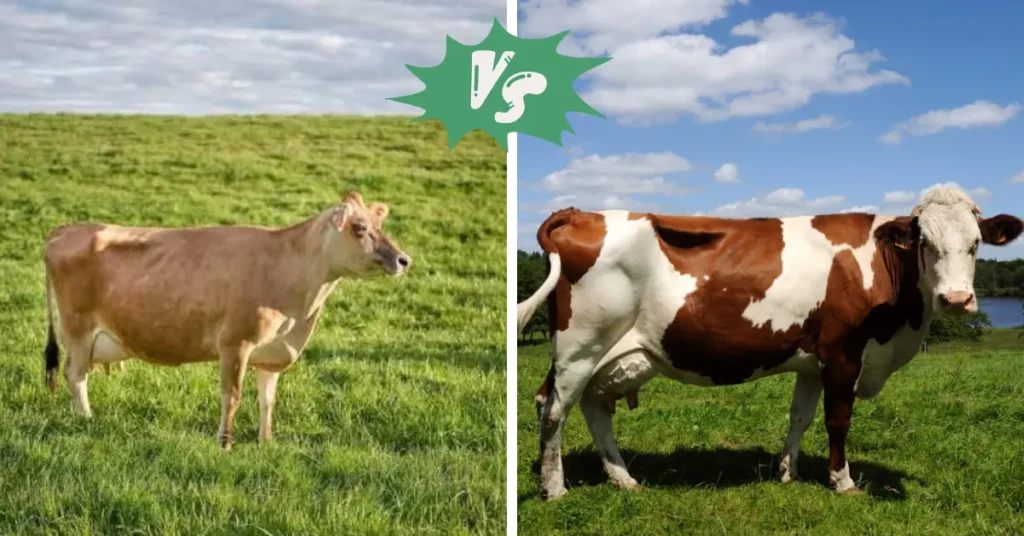
A dairy cow must calve before she starts a normal lactation. Reproduction therefore has a direct link with productive lifespan. Jerseys often have good fertility. Their calves also tend to be smaller than calves from larger dairy breeds. This can support easier calving.
Easy calving is helpful but no birth is risk-free. A calf may lie in the wrong position. A heifer may have a narrow birth canal. Twins can create difficulty.
A clean calving pen gives the cow room and lowers infection risk. The farmer should observe without disturbing her too often.
After birth the cow enters the transition period. This is one of the most important stages of her life. She must recover from calving and begin producing milk. Her feed intake also needs to rise quickly.
Retained placenta and metritis can delay recovery. Low calcium may weaken muscle action. Ketosis may reduce appetite. Each problem can hurt the next breeding attempt.
Milk fever is sometimes called a gateway disease because it can increase the risk of conditions such as retained placenta and mastitis. Ketosis can also signal poor energy balance and is linked with weaker fertility and a greater chance of other early-lactation disease. Breeding a cow back too quickly when she has not recovered can fail. Waiting too long can extend the calving interval and reduce lifetime efficiency.
The farmer should watch uterine health and body condition. Heat detection must also be accurate.
An aging Jersey may take longer to conceive. This does not automatically mean her reproductive life has ended. The cause may be heat stress or lameness. Poor energy balance may also play a role.
A veterinarian can check the reproductive tract and rule out infection. Milk progesterone tools and activity monitors may help on some farms.
The decision to breed an older cow should include more than her age. Look at her feet and udder. Check her previous calving history. Consider whether she can carry another pregnancy without losing too much condition.
A cow that struggles badly after each birth may not be a good candidate for another lactation.
Good reproduction supports longevity. It should never come at the cost of the cow’s comfort.
Best Housing for a Longer Jersey Cow Life
Housing can either protect a cow or slowly wear her down.
A comfortable Jersey needs a dry place to rest. The stall must fit her body. She should be able to lie down and rise without hitting rails.
Soft bedding supports lying time. It also reduces pressure on the knees and hocks. University of Minnesota Extension describes soft bedding as a key part of lameness prevention. Wet bedding creates several problems. It dirties the udder and increases bacterial exposure. It may also make the cow stand longer because she does not want to lie down.
Clean bedding and strong parlor hygiene can support a lower somatic cell count. Comfortable stalls may also lower problems linked with long standing such as lameness and reduced production.
Flooring should give grip. Smooth concrete can cause slips. Sharp stones and broken surfaces may damage the hoof. Alleys need regular cleaning. Manure and standing water soften hooves and increase infection risk.
Ventilation matters in summer and winter. Fresh air removes heat and moisture. It also helps control gases and dust inside the barn.
Fans and sprinklers can reduce heat stress during hot weather. Heat stress affects milk and fertility. It can also raise disease and death risks. Overcrowding damages comfort. A Jersey may be smaller than many dairy cows. She still needs her own resting place.
When there are more cows than stalls some animals spend too much time standing. Timid cows may lose feed access.
Pasture can provide exercise and a softer walking surface. Pasture alone does not guarantee good welfare. Mud and weak fencing can create new problems. Shade and water must remain easy to reach.
A senior cow may benefit from a special-needs pen. This area should have deep bedding and short walking distances. It should also place feed and water nearby.
The best housing is not always the newest barn. It is the place where the cow can eat and drink without a fight. She should lie down without pain. She should move without slipping. Cow comfort supports milk quality and reproductive efficiency as well as health. These effects can give a Jersey more chances to complete later lactations.
Signs an Aging Jersey Cow Needs Extra Care
An older Jersey may change slowly. This makes age problems easy to miss.
The owner sees the cow every day. Small changes begin to look normal. A monthly hands-on check can reveal problems hidden by the coat.
Watch for these signs:
- She loses body condition. Her spine and hips become sharper. She may need better forage or a dental check.
- She chews slowly or drops feed. Worn or missing teeth can make coarse hay difficult to eat.
- She walks with short steps. A stiff back or head movement may signal hoof pain or arthritis.
- She rises slowly. Difficulty standing may point to sore joints or weak muscles. Slippery flooring can make it worse.
- Her milk falls suddenly. A slow age-related decline can be normal. A sharp drop may mean mastitis or another illness.
- Her udder hangs lower or becomes uneven. Weak attachments and repeated infections may reduce safe milking life.
- She stops competing for food. A senior cow may wait while younger animals eat. She may need a separate pen or more bunk space.
Body-condition scoring is useful because looks can fool the eye. A Jersey naturally has a dairy shape. Thin and dairy are not the same thing.
Run a hand along the ribs and spine when it is safe. Check the jaw and teeth. Watch the cow walk on a flat surface. Older cows may also sleep or rest more. That is not always a problem. Concern begins when the cow isolates herself or loses interest in food.
Check manure and rumination. Watch her breathing. Look for swelling in the joints and udder.
Pain relief and hoof treatment may improve comfort. Softer bedding can make rising easier. Shorter walks to milking may also help. Aging cows need more frequent decisions. Some can enjoy several extra productive years. Others may reach a point where treatment no longer restores a comfortable life.
Keeping an old cow alive is not the only goal. Keeping her comfortable matters more.
Final Thought
The Jersey cow lifespan can reach the teenage years and sometimes approach 20 years. Her commercial milking life is usually much shorter.
Many dairy cows complete only a few lactations. Yet a healthy Jersey has the ability to remain productive through later lactations. Some Jersey herds maintain strong performance through the eighth lactation and beyond.
Long life starts with basic care. Feed must match the cow’s age and production. Clean water should always remain available. Calving needs careful management. Mastitis and lameness can remove a cow from the herd early. Good bedding and safe floors reduce those risks. Fertility and udder structure also decide how long the cow stays useful.
An old Jersey needs closer attention to her teeth and feet. She may need softer forage or a quieter pen. The best Jersey is not simply the oldest cow. She is the cow that stays comfortable and healthy while doing her job well.